Top 8 Natural Monuments around Santa Cruz Del Valle
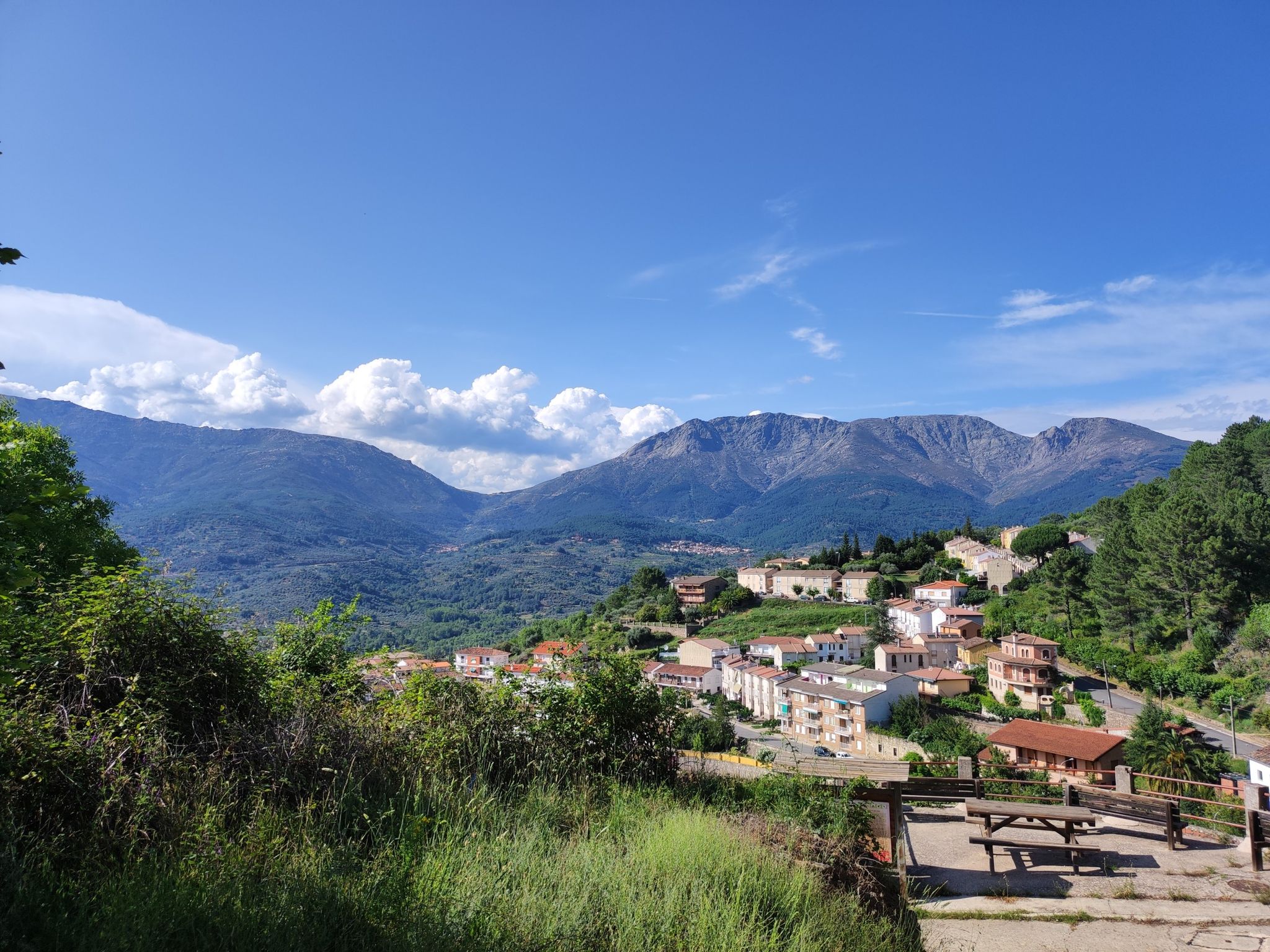
Natural monuments around Santa Cruz Del Valle, a municipality in Ávila, Spain, are characterized by diverse landscapes and geological formations. Sheltered by the Sierra de Gredos mountains, the region benefits from a microclimate that supports rich botanical diversity. Visitors can explore river-sculpted areas, ancient caves, and mountain passes. This area offers a variety of natural features for outdoor enthusiasts.
Best natural monuments around Santa Cruz Del Valle
- The most popular natural monument is Charco de Najarro, a river with natural pools. Granite rocks, sculpted by the Arenal River, create a unique spot for wild swimming.
- Another must-see spot is Charca de los Cachizos, a natural pool with a waterfall. Located between Arenas de San Pedro and Guisando, its waters are deep enough for immersion, and it features a natural slide.
- Visitors also love Cueva del Águila, a cave system representing a geological heritage site. The caves are accessible, featuring stalactites and stalagmites of various colors and sizes highlighted by lighting.
- Santa Cruz Del Valle is known for its rivers, caves, and trails. The region offers a variety of natural monuments to see and explore, from subterranean formations to scenic viewpoints.
- The natural monuments around Santa Cruz Del Valle are appreciated by the komoot community, with more than 8 upvotes and 3 photos shared by visitors.
Last updated: July 1, 2026
Charco de Najarro
Highlight • River
Translated by Google •
Tip by

Charca de los Cachizos
Highlight • Natural Monument
Translated by Google •
Tip by

Sign up now to discover places like this
Get recommendations on the best single tracks, peaks, & plenty of other exciting outdoor places.
Sign up for free
Cueva del Águila
Highlight • Cave
Translated by Google •
Tip by
Río Cuevas Reservoir
Highlight • Lake
Translated by Google •
Tip by

Senda de la Rubia
Highlight • Trail
Translated by Google •
Tip by

Sign up for free to discover even more natural monuments around Santa Cruz Del Valle.
Sign up for free
Already have an account?
Start today with a free account
Your next adventure awaits.
Login or Signup
Popular around Santa Cruz Del Valle
An epic hike in Spain’s Tiétar Valley – Valle del Tiétar (GR 180)
MTB Trails around Santa Cruz Del Valle
Cycling around Santa Cruz Del Valle

Road Cycling Routes around Santa Cruz Del Valle
Hiking around Santa Cruz Del Valle
Running Trails around Santa Cruz Del Valle

Gravel biking around Santa Cruz Del Valle
Other adventures around Santa Cruz Del Valle

Tips from the Community

The trail turns left along the Senda de la Rubia, well marked with milestones of the short-distance trail PR-AV 15 towards the Pico pass, coming from Alto de Centenera. The route leaves the historic path of the Senda del Puerto del Arenal and continues along another mountain path that is part of the traditional landscapes of Gredos in the upper Tiétar, linked to mountain grazing and the natural resources used by the towns of the area. Mountain range. The Senda de la Rubia climbs a fairly broken slope with several route possibilities and enters the slopes of the Cañamarejo ravine. Part of the exclusivity of the landscape due to the tones of the rocks and the scarce vegetation is due to the fire that devastated this sector of the mountains more than a decade ago. The trail jumps over a hill and runs through the ravines of Las Majadillas and El Barrancón. In several places there are solitary specimens of pine trees that survived the fire or completely charred trunks like skeletons of forest mastodons. The path passes through the Fuente Fría spring and reaches the charming mountain area of Pradera de la Rubia, with a traditional hut at the foot of the mountain.
0
0

With a short walk from the mountain town of El Arenal, you reach the natural pools of the Arenal River. Granite rocks curved over time by the force of the river create this unique wild swimming paradise.
1
0

This reservoir, located just a kilometer from the Condestable Dávalos castle in Arenas de San Pedro, is the ideal place to take a quiet walk enjoying the surroundings. With a paved path around the perimeter of the lagoon, the views of "La Mira" peak capture our gaze without leaving anyone indifferent. Suitable for the whole family, it is undoubtedly a natural refuge that is worth visiting.
1
1
Located at the end of the Pescadores path to Charca de los Cachizos, this cozy place allows us to stop to refresh ourselves halfway through the route. Its lack of accommodation for bathing is not a problem, the waters are deep enough to immerse us in its refreshing current, and we can even drop down its natural slide.
0
0

1km tour through the caves. Worth the price of admission
1
4

The caves are 50 meters deep and 1,000 meters long. The visit descends along a paved path, bridging the unevenness with stairs, which borders the galleries where stalactites and stalagmites of various colors and sizes abound. The lighting highlights the color of the limestone formations.
17
1
Between Arenas de San Pedro and Guisando we will find a natural pool not equipped for bathing (although it is usually done).
9
1
The amazing Cuevas del Águila represent a jewel of Ávila's geological heritage. They are passable practically in their entirety, being in a perfect state of conservation for visitors.
23
1
Frequently Asked Questions
What are some of the most popular natural monuments to visit around Santa Cruz Del Valle?
Among the most popular natural monuments, you'll find Charco de Najarro, known for its natural pools and wild swimming opportunities. Another favorite is Cueva del Águila, an impressive cave system showcasing geological formations.
Are there any natural monuments suitable for families with children?
Yes, several natural monuments are family-friendly. Charco de Najarro offers natural pools for a refreshing dip. The Cueva del Águila is also accessible for families, allowing exploration of its fascinating underground formations. Additionally, the Río Cuevas Reservoir provides a paved path perfect for a quiet family walk.
What kind of unique geological features can I expect to see in the natural monuments here?
The region boasts diverse geological features. At Charco de Najarro, you can observe granite rocks sculpted by the Arenal River. The Cueva del Águila is a geological treasure, featuring intricate stalactites and stalagmites of various colors and sizes. The Sierra de Gredos mountains themselves contribute to the area's unique landscape.
What outdoor activities can I do near the natural monuments around Santa Cruz Del Valle?
The area offers a variety of outdoor activities. You can enjoy gravel biking on routes like the 'Puerto de Pedro Bernardo – Mombeltrán loop' or 'Aquelcabos Medieval Bridge – Río Pelayos Beach loop'. For road cycling, consider the 'Serranillos Pass – Puerto de Pedro Bernardo loop'. Running enthusiasts can explore trails such as the 'Río Cuevas Reservoir – Aquelcabos Medieval Bridge loop'. You can find more details on these activities in the gravel biking, road cycling, and running guides for the region.
Are there any natural pools or swimming spots in the area?
Yes, the region is known for its natural swimming spots. Charco de Najarro offers natural pools formed by the Arenal River, ideal for wild swimming. Another option is Charca de los Cachizos, a natural pool with a waterfall where the waters are deep enough for immersion, and it even features a natural slide.
What is the best time of year to visit the natural monuments in Santa Cruz Del Valle?
The region benefits from a privileged microclimate due to its location sheltered by the Sierra de Gredos mountains. This allows for a rich botanical diversity. While specific 'best times' depend on your preferred activity (e.g., swimming in summer, hiking in spring/autumn), the mild climate generally makes it an attractive destination for nature enthusiasts throughout much of the year.
Are there any scenic trails or viewpoints among the natural monuments?
Absolutely. The Senda de la Rubia is a trail offering viewpoints and unique landscapes, including areas affected by past fires that have created distinct rock tones and vegetation. The Río Cuevas Reservoir also provides excellent views, particularly of the 'La Mira' peak, from its paved perimeter path.
What historical or cultural sites are located near the natural monuments?
While not strictly a natural monument, the Aquelcabos Medieval Bridge in nearby Arenas de San Pedro is situated in a beautiful natural setting over the Arenal River. This ancient structure, dating back to the 14th or 15th century, features three arches and offers a wooden viewpoint for appreciating both the bridge and its natural surroundings.
Is it possible to find accommodation or places to eat near the natural monuments?
Santa Cruz del Valle and the surrounding towns like Arenas de San Pedro offer various amenities. You can find cafes, pubs, and accommodation options in these areas, providing convenient access to the natural monuments and a place to relax after your explorations.
What are some of the unique plant species or botanical diversity found in the region?
Thanks to the privileged microclimate sheltered by the Sierra de Gredos, the region supports a rich botanical diversity. You can find various southern plant species, including fruit trees like oranges, pomegranates, and cherries, as well as vineyards and olive groves, which add to the natural beauty of the area.
Are there any natural monuments that involve a bit more adventure or an intermediate difficulty level?
For those seeking a bit more adventure, Charca de los Cachizos is an intermediate natural pool with a waterfall, offering deep waters and a natural slide. The Cueva del Águila, while accessible, involves navigating a paved path with stairs through its 1000-meter length, providing an intermediate exploration experience.
Most popular routes around Santa Cruz Del Valle
Most popular attractions around Santa Cruz Del Valle

Get inspired with the komoot mobile app


Explore more
Extend your search for the best caves by checking out these guides of the top ones around Santa Cruz Del Valle:
