Top 5 Natural Monuments around Down Ampney
Natural monuments around Down Ampney are situated in an area known for its natural beauty and historical features, including the Ampney Brook and characteristic dry stone walls. The region offers access to the broader Cotswold Water Park, which features numerous lakes and nature reserves. This landscape provides opportunities for observing local flora and fauna, as well as exploring significant natural and historical sites. The area is characterized by tranquil waterways, green spaces, and traditional Cotswold architecture.
Best natural monuments around…
Last updated: July 1, 2026
Cirencester Amphitheatre
Highlight • Historical Site
Tip by

Source of the River Thames
Highlight • River
Tip by

Sign up now to discover places like this
Get recommendations on the best single tracks, peaks, & plenty of other exciting outdoor places.
Sign up for free
Cheese Wharf Wild Swimming Spot
Highlight • River
Tip by

The Tallest Yew Hedge in the World
Highlight • Natural Monument
Tip by

Coronation Tree Carving, Cirencester Park
Highlight • Monument
Professional tree carver Andy O'Neill, of Bristol-based Wild Wood Carving, began work on the cedar in August and used a range of chainsaws to sculpt intricate designs into the tree.
Tip by
Start today with a free account
Your next adventure awaits.
Login or Signup
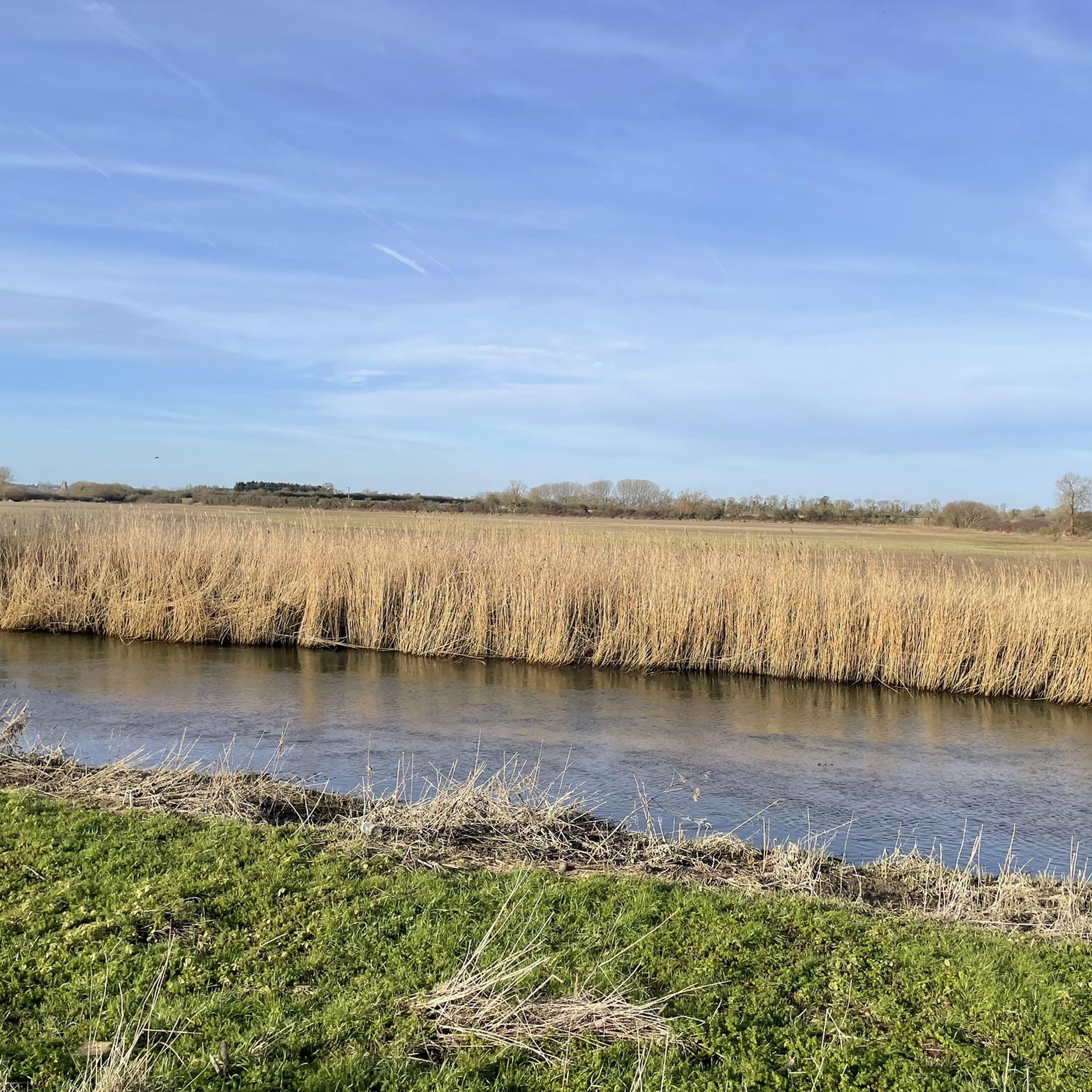
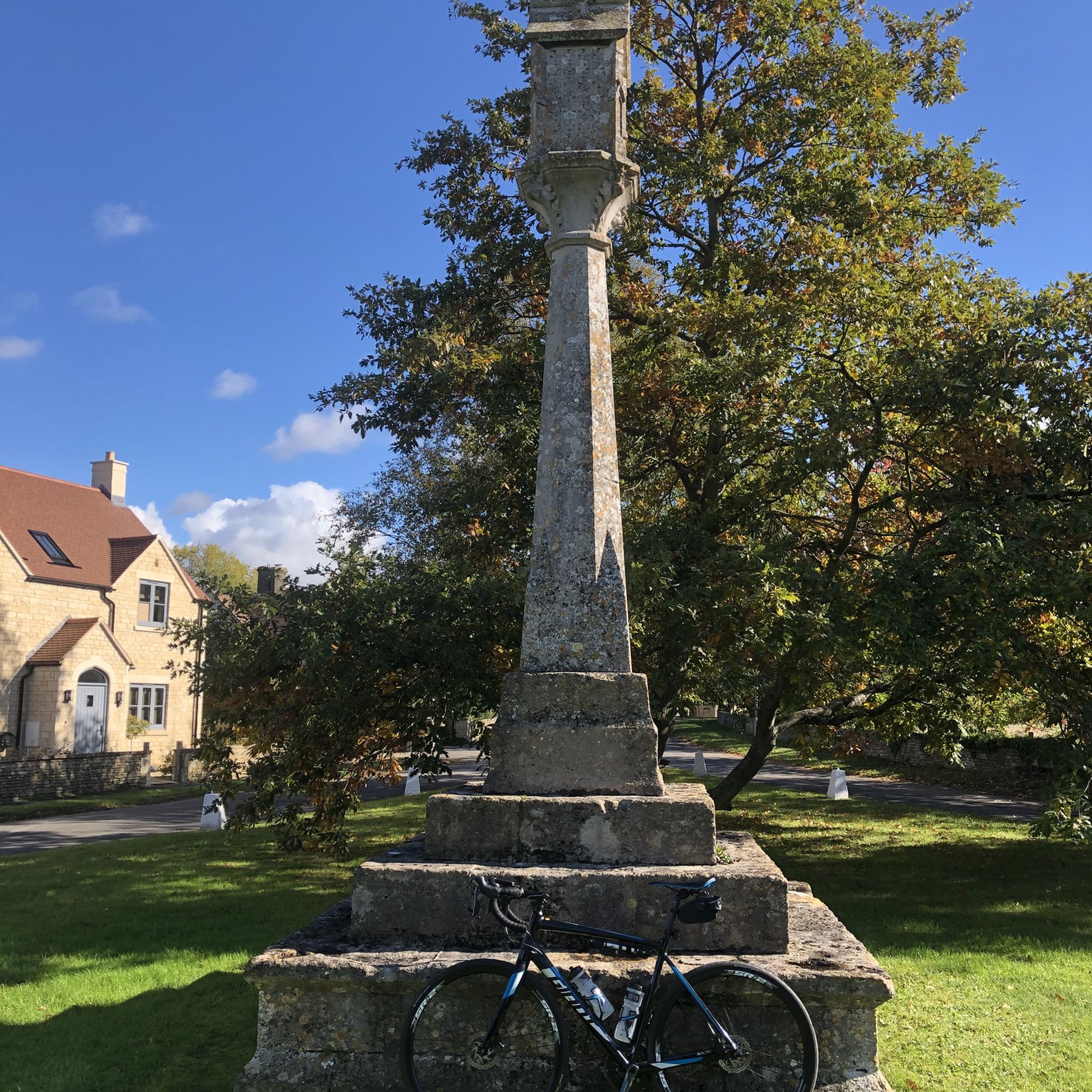
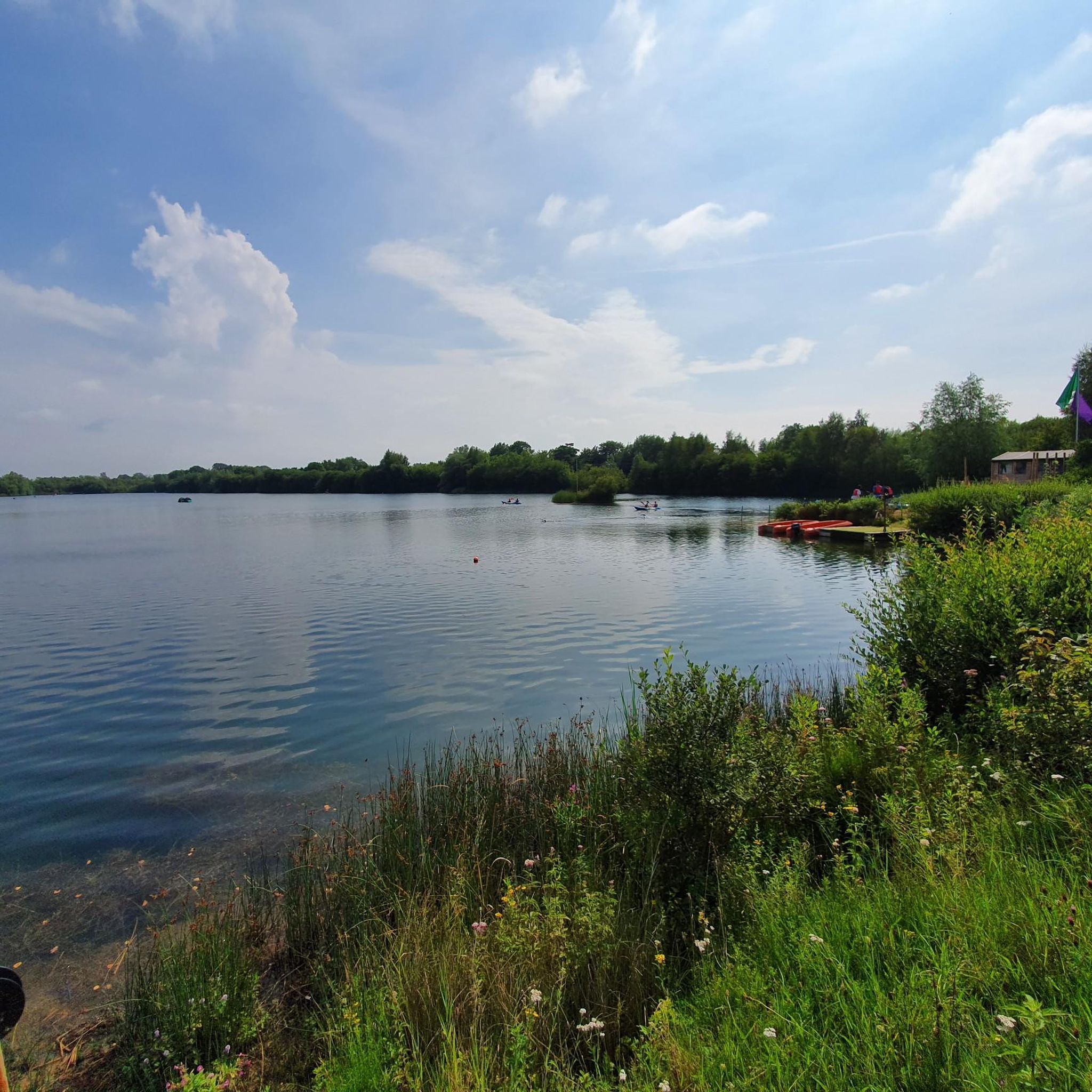
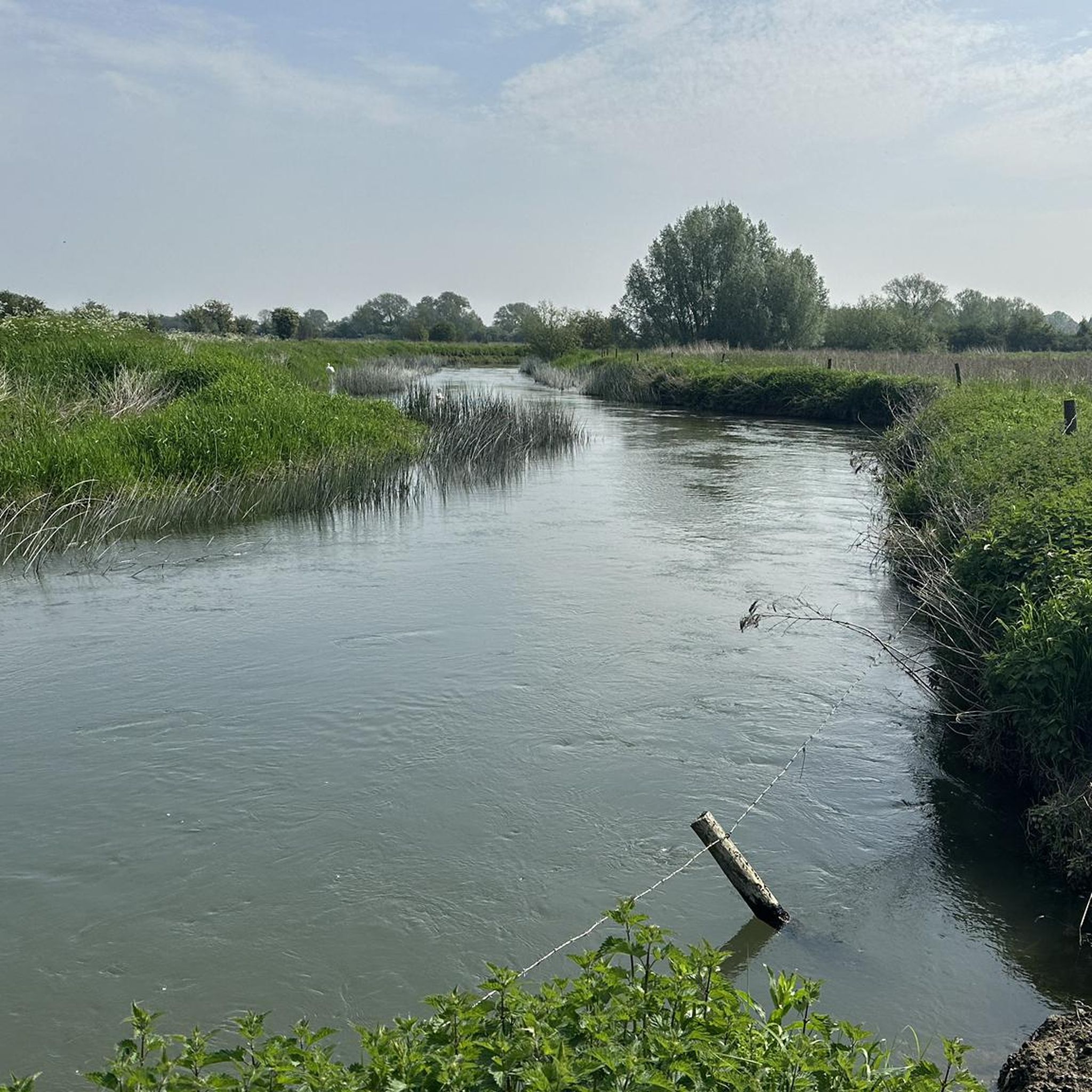
Tips from the Community

If You Have Never Seen the Source of River Thames, Probably worth a look.
0
0

A commemorative carving to celebrate King Charles III's coronation. Professional tree carver Andy O'Neill, of Bristol-based Wild Wood Carving, began work on the cedar in August and used a range of chainsaws to sculpt intricate designs into the tree. The wildlife-themed totem encompasses a variety of animals including butterflies, bees, owls, dormice, lady birds, a Roman snail and a Goshawk. On top is a bucks head to represent the park’s history.
0
0
This yew hedge planted in 1720 is 13.1m (43ft) high and surrounds the house belonging to Earl Bathurst.
1
0

park at the end of the hike. start of hike missed but is easy to find from top of railway road. We came back via road as access that isn't recorded has a very high turnstile and so not as accessible as the rest of the walk
2
1

well worth a visit , you really feel the atmosphere!
1
0

Taking its name from the place where delicious cheese were once loaded onto boats for shipping to London, Cheese Wharf is now a brilliant wild swimming spot on the River Thames near Buscot. It's owned by the National Trust and there are a couple of parking spaces nearby.
1
0

This huge earthwork is all that remains of one of the largest Roman amphitheatres in Britain. Built in the early 2nd century, the amphitheatre — which measures roughly 150 feet (46 m) by 135 feet (41 m) — would have held around 8,000 spectators. At the time the amphitheatre was built, Cirencester (known then as Corinium) was the second largest city in England, second only to London, with a population of more than 10,000. The monument, which is managed by English Heritage, is free to enter during reasonable daylight hours. For more information, visit: https://www.english-heritage.org.uk/visit/places/cirencester-amphitheatre.
1
0
Frequently Asked Questions
What are some unique natural monuments to visit near Down Ampney?
Beyond the well-known sites, you can explore the Tallest Yew Hedge in the World, a remarkable 13.1-meter-high hedge planted in 1720. Another unique spot is the Source of the River Thames, offering a distinct perspective on the origin of England's most significant river.
Are there family-friendly natural monuments around Down Ampney?
Yes, several natural monuments are suitable for families. The Tallest Yew Hedge in the World is an impressive sight for all ages. Additionally, the Coronation Tree Carving, Cirencester Park features intricate wildlife designs that children often enjoy. The Cotswold Water Park, with its numerous lakes and accessible paths, also offers many family-friendly activities and nature observation opportunities.
What natural features define the landscape around Down Ampney?
The area around Down Ampney is characterized by tranquil waterways like the Ampney Brook, which has historical significance. You'll also find charming green spaces with woodland flower displays and traditional dry stone walls that contribute to the village's character. Nearby, the extensive Cotswold Water Park features numerous lakes and nature reserves, adding to the region's natural beauty.
Where can I go for wildlife spotting near Down Ampney?
For excellent wildlife spotting, visit the nature reserves within the Cotswold Water Park. Eysey Nature Reserve is great for observing waterbirds, dragonflies, and damselflies. The Shorncote Reedbeds, west of South Cerney, are a crucial habitat for various species, including Reed Bunting, Otter, Water Vole, and even the rare Bittern, with two bird hides available for viewing.
Are there any historical natural monuments in the area?
Absolutely. The most prominent historical natural monument is the Cirencester Amphitheatre. This huge earthwork, built in the early 2nd century, is one of the largest Roman amphitheatres in Britain and would have held around 8,000 spectators. It's a significant site managed by English Heritage.
What outdoor activities can I do near these natural monuments?
The region offers a variety of outdoor activities. You can enjoy hiking on trails like the 'Lake 6 loop from Elmlea Meadows' or 'Castle Eaton Village loop from Marston Maisey'. For cycling, explore routes such as the 'Cotswold Water Park loop' or the 'NCN Route 45: South Cerney to Cricklade', which follows an old railway line. Running trails like the 'Traffic-Free Bridleway – Cricklade Path loop' are also popular. You can find more details on these activities in the hiking, MTB, and running guides for Down Ampney.
Are there opportunities for wild swimming near Down Ampney?
Yes, a notable spot for wild swimming is Cheese Wharf Wild Swimming Spot on the River Thames near Buscot. Owned by the National Trust, it's a popular location for a refreshing dip, named after its historical use for loading cheese onto boats.
What is the best time to visit the natural monuments around Down Ampney?
The natural monuments and reserves around Down Ampney can be enjoyed year-round. Spring and summer are ideal for observing flora and fauna, especially at places like Eysey Nature Reserve and Shorncote Reedbeds, when birds are active and dragonflies are abundant. Autumn offers beautiful foliage, while winter provides a tranquil atmosphere for walks, particularly along the Ampney Brook or within the Cotswold Water Park.
Are there any picturesque river walks in the area?
Beyond the Ampney Brook, the tranquil River Coln in the nearby village of Bibury offers highly picturesque walks. Bibury is often cited as one of the most beautiful villages in the UK, and the river significantly enhances its idyllic charm, making it a perfect spot for scenic strolls.
What do visitors enjoy most about the natural monuments around Down Ampney?
Visitors frequently appreciate the historical depth of sites like the Cirencester Amphitheatre, noting the strong atmosphere. The unique natural landmarks such as the Source of the River Thames are also highly regarded for their distinctiveness. The overall appeal lies in the blend of natural beauty, historical significance, and the peaceful environment for exploration.
Are the natural monuments around Down Ampney easily accessible?
Many natural features and attractions in the area offer good accessibility. The Cirencester Amphitheatre is free to enter during daylight hours. Within the Cotswold Water Park, several nature reserves are accessible via public or permissive rights of way. The NCN Route 45, an old railway line, provides a level path suitable for walking and cycling, enhancing accessibility to the countryside.
Can I bring my dog to the natural monuments and trails?
Generally, dogs are welcome on public footpaths and in many natural areas around Down Ampney, including the Cotswold Water Park. However, it's always advisable to keep dogs on a lead, especially in nature reserves like Eysey and Shorncote Reedbeds, to protect wildlife. Specific rules may apply at individual sites, so checking local signage is recommended.
Most popular attractions around Down Ampney

Get inspired with the komoot mobile app


Explore more
Extend your search for the best caves by checking out these guides of the top ones around Down Ampney:
