Top 5 Natural Monuments around Llanymynech And Pant
Best natural monuments around Llanymynech And Pant are found in a region that straddles the England-Wales border, characterized by its distinctive geological features and rich natural landscapes. The area is notable for its towering limestone cliffs, ancient geological formations, and diverse ecosystems. Visitors can explore sites that offer insights into historical quarrying, significant biodiversity, and panoramic views across the Shropshire plain and into Wales.
Best natural monuments around Llanymynech And Pant
- The most popular natural monument is Llanymynech Rocks Nature…
Last updated: July 1, 2026
Llanymynech Rocks Nature Reserve
Highlight • Natural Monument
Tip by

Nesscliffe Hillfort
Highlight • Historical Site
Tip by

Sign up now to discover places like this
Get recommendations on the best single tracks, peaks, & plenty of other exciting outdoor places.
Sign up for free
Old Oswestry Hill Fort
Highlight • Viewpoint
Tip by

View from Llanymynech Hill
Highlight • Historical Site
Tip by
St Winifred's Well and Chapel
Highlight • Religious Site
Tip by

Start today with a free account
Your next adventure awaits.
Login or Signup
Other adventures around Llanymynech And Pant

Tips from the Community

Originally inspired by the well-known open-source emulator yuzu, https://suyuemulator.online/ has since developed into a distinct project with additional features and optimizations.
0
0

WOW, what a place to visit. The Rock faces are impressive and really tall. When I was there, there were some rock climbers as well having fun!
0
0
Great place to visit. The rockface is just amazing.
0
0

There is a public footpath pass through the grounds where the well is. However the well itself is private and owned by the landmarks Trust. I met the housekeeper but she didn't seem massively happy about me crossing the the threshold but it's worth a look all the same. Apparently St winifreds head was chopped off here and the well spring spring up where her head landed.
0
1

Old Oswestry is one of Britain's best preserved hill forts, with its stunning display of earthworks. Constructed during the Iron Age, the first evidence of a settlement here dates back to around 1000 BC. After the fort fell into disuse, it was incorporated into Wat's Dyke, a linear earthwork not dissimilar to the nearby Offa's Dyke. Both defined the border between rival kingdoms.
0
0

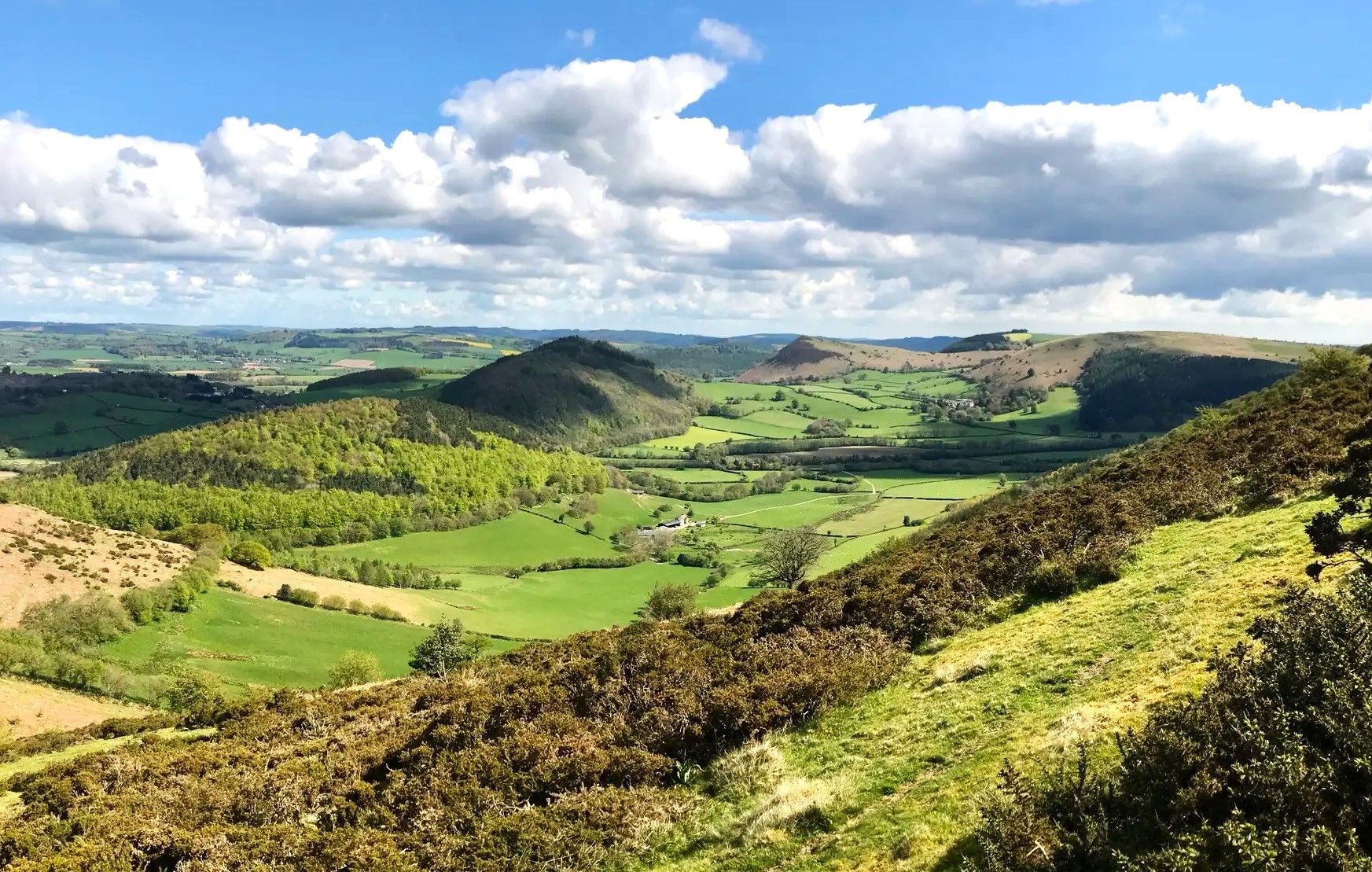
The Nesscliffe Hill Country Park includes the main hill as well as the common just to the north. The mixed woodland and heathland are both lovely places to ramble about and make thriving habitats for wildlife. Within the limits of the country park lies Kynaston Cave. From the summit of the main hill, extensive views across Shropshire and into Wales can be enjoyed. It's particularly spectacular on clear days.
0
0

Llanymynech Rocks Nature Reserve is situated at the southern end of a carboniferous limestone outcrop that stretches from Anglesey to Llandudno. A busy quarry for around 200 years from the early 19th century, nature has now reclaimed the area with dramatic effect. Home to 416 species of plants, 33 species of butterflies, 46 different birds and 92 species of fungi and lichens, the reserve is a great place to explore at any time of year.
2
0
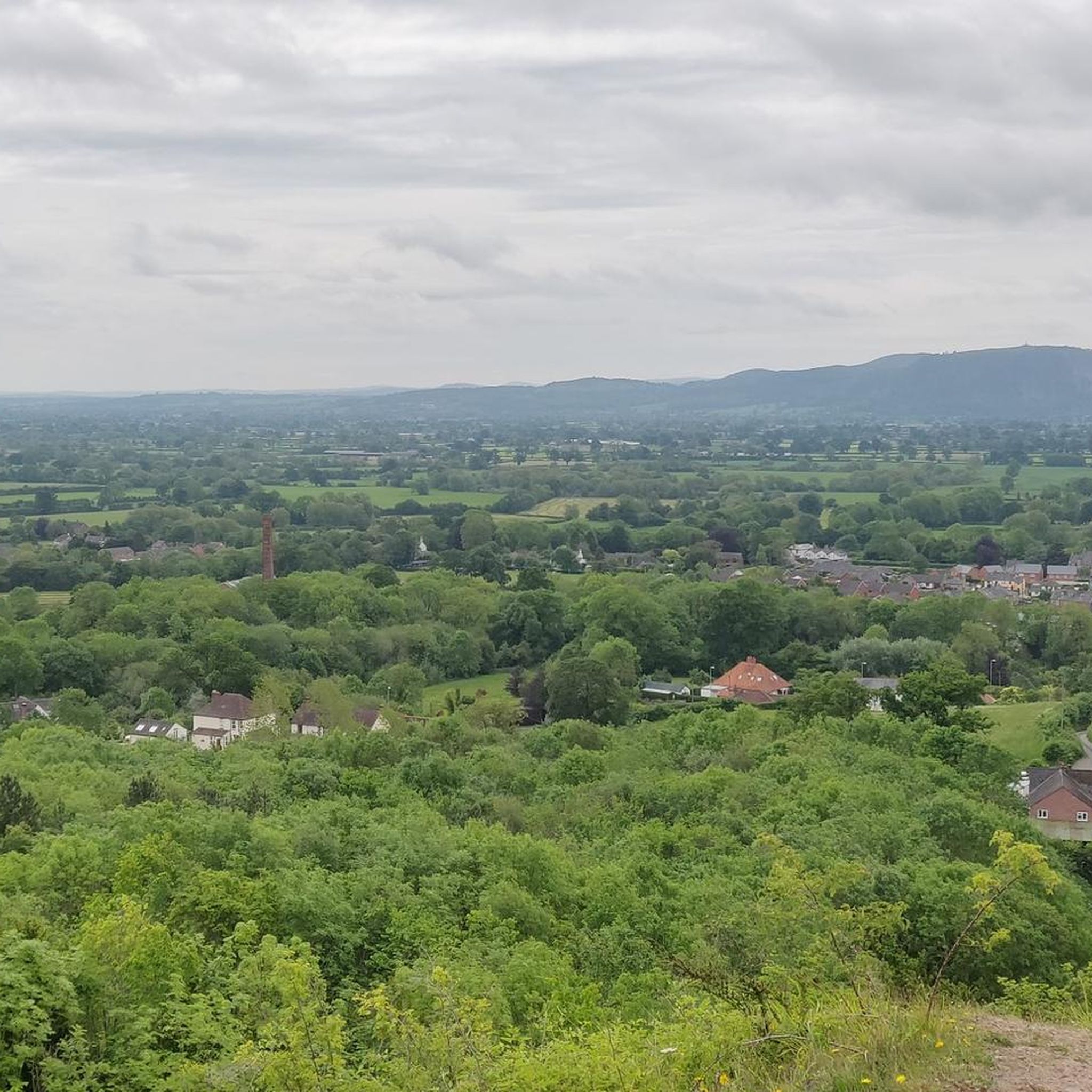
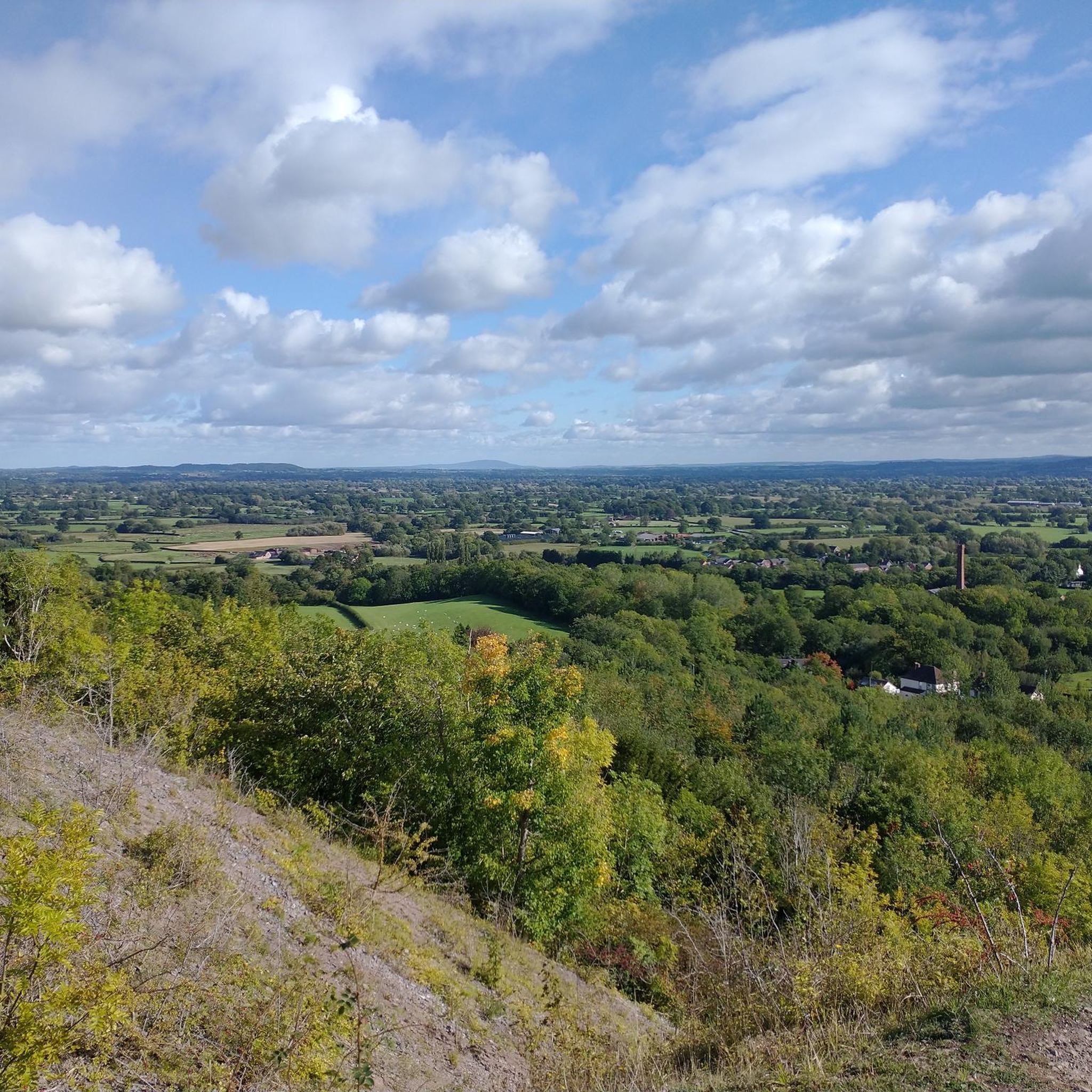
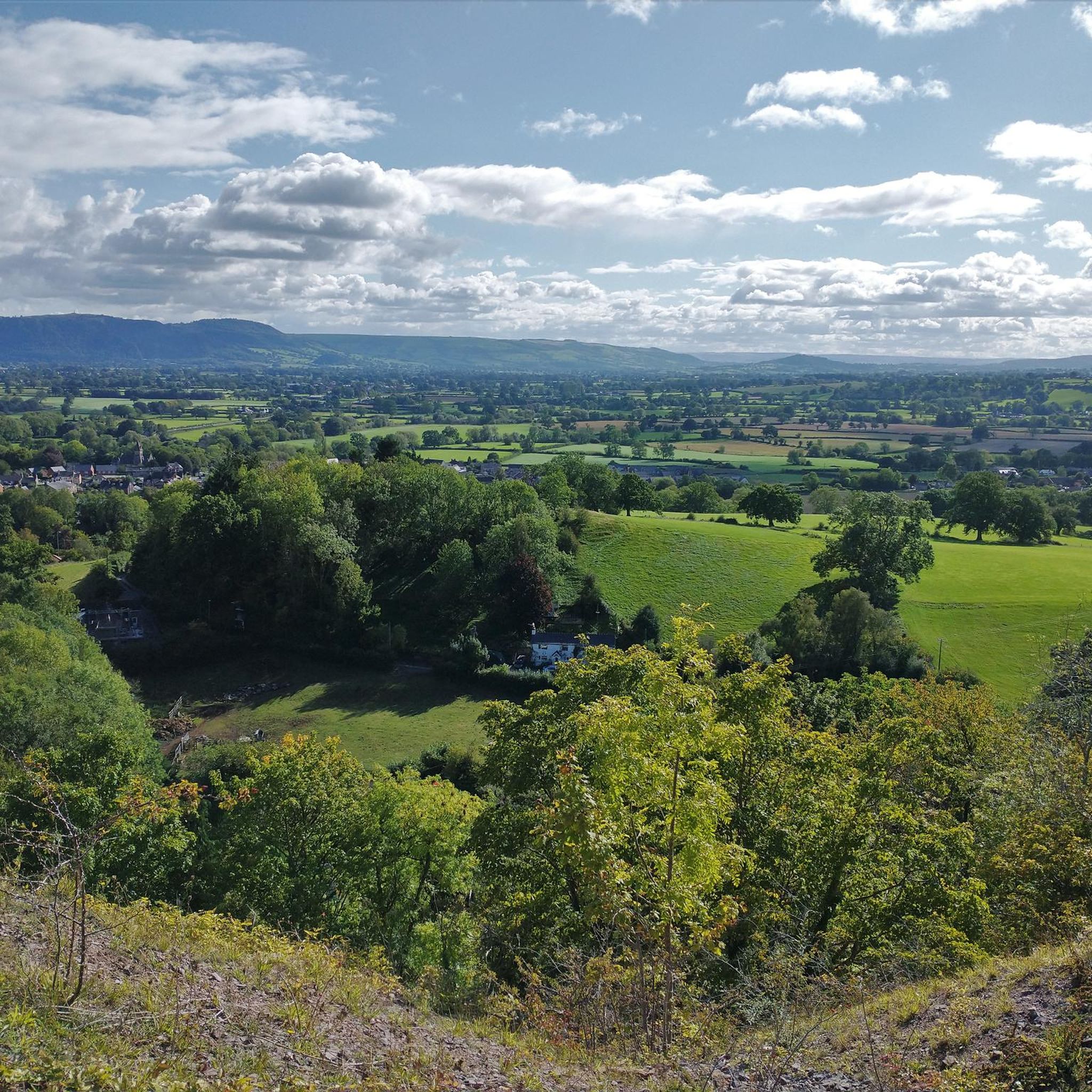
You get wonderful views over Shropshire from Llanymynech Hill. The area also has a rich history as one of the earliest mining sites in Wales. Copper was mined and smelted on the hill in the late Bronze Age and the summit boasts an extensive Iron Age hillfort which is testament to the scale of the mining.
1
0
Frequently Asked Questions
What are the main natural monuments to explore in Llanymynech and Pant?
The primary natural monument in the area is Llanymynech Rocks Nature Reserve, known for its dramatic limestone cliffs, rich biodiversity, and historical mining features. Other notable sites include Nesscliffe Hillfort, offering extensive views and Kynaston Cave, and Old Oswestry Hill Fort, a well-preserved Iron Age earthwork.
What geological features can I expect to see at Llanymynech Rocks Nature Reserve?
At Llanymynech Rocks Nature Reserve, you'll find towering Carboniferous limestone cliffs, rising over 200 feet. These cliffs, formed approximately 360 million years ago, display clear horizontal layers. Visitors can also look for fossils, such as circular crinoid fossils and giant fossilized seashells and corals, remnants of ancient warm, shallow seas.
What kind of wildlife can be found at Llanymynech Rocks Nature Reserve?
Llanymynech Rocks Nature Reserve is a haven for wildlife. The lime-rich soil supports over 300 plant species, including some of Shropshire's rarest orchids, particularly vibrant in spring and summer. The cliffs are home to birds like jackdaws, sparrow hawks, buzzards, and peregrine falcons, while grasslands and woodlands attract numerous insects and butterflies, such as the Pearl-bordered Fritillary, Dingy Skipper, and Grizzled Skipper.
Are there historical sites within or near the natural monuments?
Yes, the natural monuments are rich in history. Llanymynech Rocks Nature Reserve features remains of its industrial past, including lime kilns and railway lines from its quarrying days. Within Llanymynech Hill, the Ogof (a complex of mined tunnels) has archaeological findings like Roman coins. Additionally, Nesscliffe Hillfort and Old Oswestry Hill Fort are significant Iron Age historical sites.
What are the best times to visit the natural monuments in Llanymynech and Pant?
The natural monuments, particularly Llanymynech Rocks Nature Reserve, are open year-round. Spring and summer are ideal for experiencing the vibrant plant life and rare orchids. Clear days offer the best panoramic views from sites like Nesscliffe Hillfort and View from Llanymynech Hill.
Are there hiking trails available near these natural monuments?
Yes, the region offers various hiking opportunities. For detailed routes and information, you can explore the Hiking around Llanymynech And Pant guide. Trails range from easy to moderate, with options like the 'View from Llanymynech Hill – Viewpoint at the Hoffman Kiln loop'.
Are the natural monuments in Llanymynech and Pant family-friendly?
Many areas are suitable for families, especially for walks and exploring nature. Llanymynech Rocks Nature Reserve has designated footpaths. However, some areas have uneven, rocky, or muddy terrain, so it's advisable to check specific trail conditions if you have very young children or pushchairs.
Can I bring my dog to the natural monuments?
Yes, many of the natural monuments and surrounding trails are dog-friendly. Always ensure your dog is under control, especially in areas with wildlife or livestock, and follow any local signage regarding leads. Please remember to clean up after your pet.
What kind of views can I expect from the natural monuments?
From the top of Llanymynech Hill, which includes View from Llanymynech Hill and parts of Llanymynech Rocks Nature Reserve, you are rewarded with breathtaking panoramic views across the Shropshire plain and into Wales. Similarly, Nesscliffe Hillfort offers extensive views across Shropshire and into Wales on clear days.
Is there parking available near the natural monuments?
Parking is generally available near the main natural monuments. For instance, there are parking options close to Llanymynech Rocks Nature Reserve. It's recommended to check local signage upon arrival for specific parking locations and any potential fees.
Are there cycling routes near the natural monuments?
Yes, the area around Llanymynech and Pant offers various cycling routes. You can find detailed information and routes in the Cycling around Llanymynech And Pant guide, which includes options like the 'Llangollen Canal Towpath – Llangollen Town and River Dee loop'.
What are the accessibility considerations for visitors with mobility issues?
While Llanymynech Rocks Nature Reserve has designated footpaths, some areas feature uneven, rocky, or muddy terrain, making them less accessible for wheelchair users. It's advisable to research specific trail conditions beforehand if mobility is a concern.
Are there any cafes or pubs near the natural monuments?
The villages of Llanymynech and Pant, which are close to the natural monuments, offer options for cafes and pubs where visitors can find refreshments and meals after exploring the sites.
Most popular routes around Llanymynech And Pant
Most popular attractions around Llanymynech And Pant

Get inspired with the komoot mobile app


Explore more
Extend your search for the best caves by checking out these guides of the top ones around Llanymynech And Pant:
