Top 7 Natural Monuments around Bramley
Best natural monuments around Bramley, a suburb of Leeds, West Yorkshire, offer a blend of natural beauty and historical significance. The area features significant green spaces, including ancient woodlands and riverside paths. These natural attractions provide opportunities to explore diverse landscapes and discover geological features shaped over millennia. Bramley's natural monuments are integral to its local character and offer accessible outdoor experiences.
Best natural monuments around Bramley
- The most popular natural monument is Anston Stones Wood, a trail that…
Last updated: July 1, 2026
Dead Man's Hole
Highlight • Natural Monument
Tip by

Hope Fields Memorial Park
Highlight • Monument
Tip by

Sign up now to discover places like this
Get recommendations on the best single tracks, peaks, & plenty of other exciting outdoor places.
Sign up for free
Sprotbrough Weir
Highlight • River
Tip by

The Crags
Highlight (Segment) • Viewpoint
Tip by

Northcliffe Quarry Local Nature Reserve
Highlight • Historical Site
Tip by
Start today with a free account
Your next adventure awaits.
Login or Signup

Tips from the Community


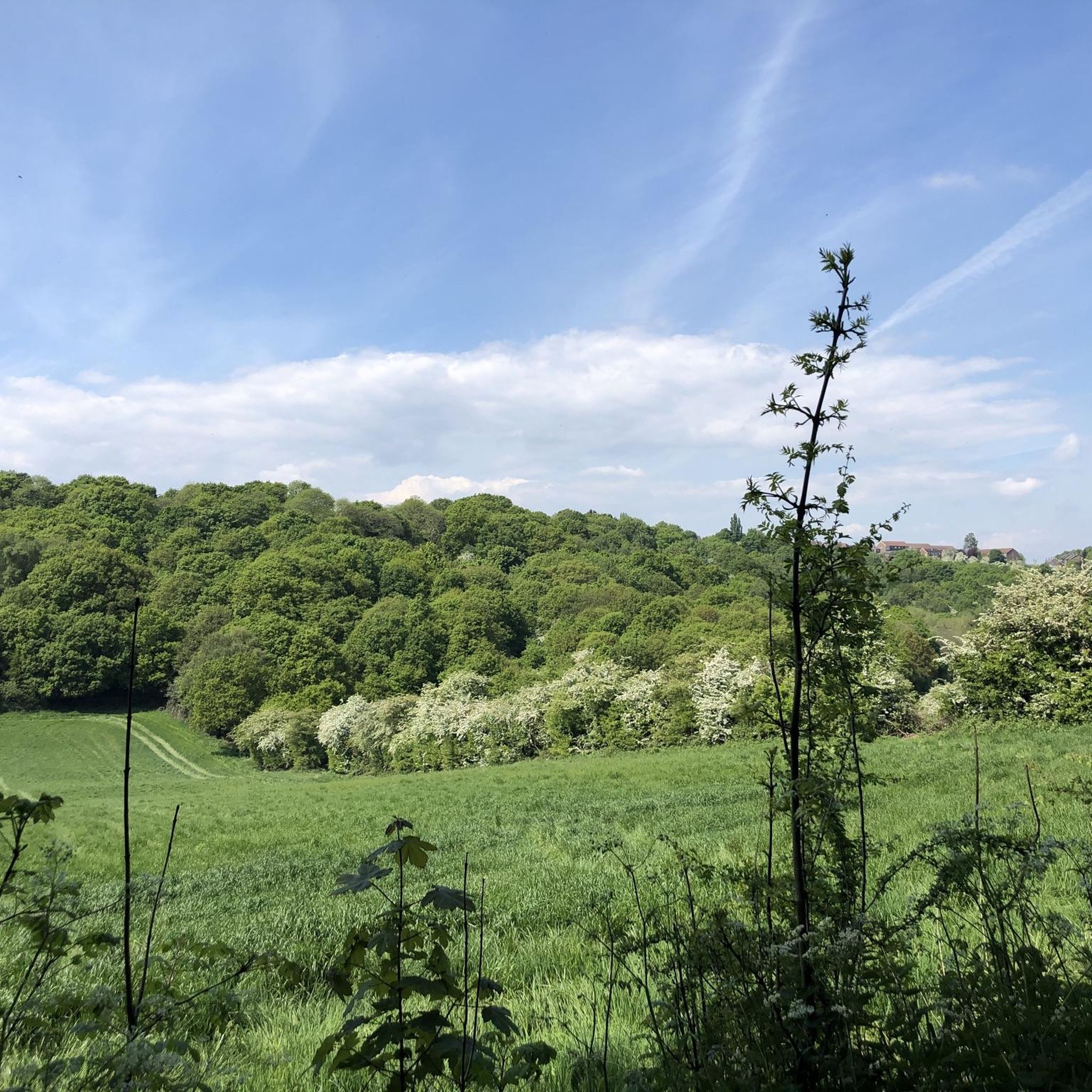
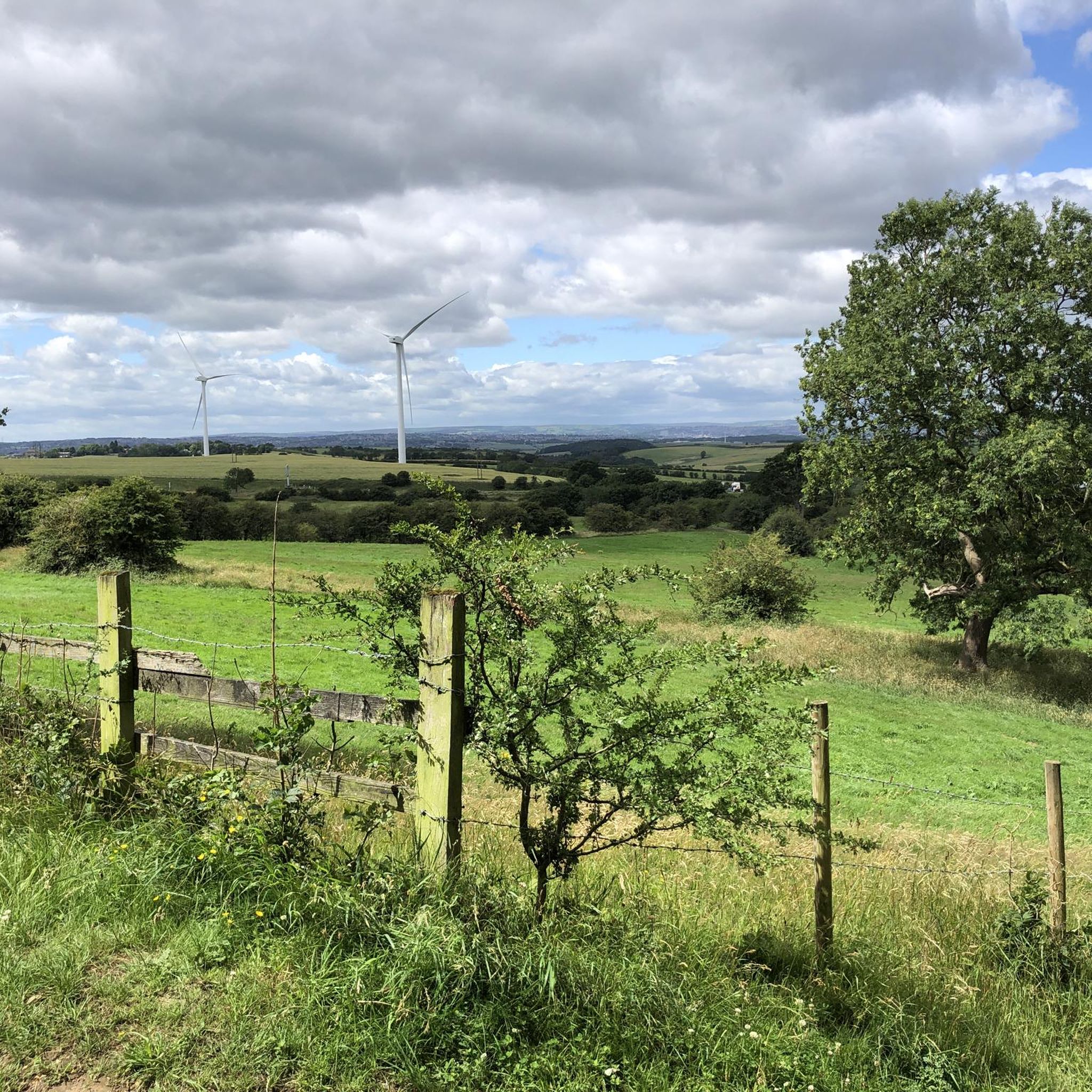
These slopes have been known as the Crags for at least 100 years, although the name on the 1841 Ordnance Survey map is Northcliffe Hills. In ancient times these rocky outcrops were vital to local transport, communication and defence. They provided firm ground for travel and vantage points for surveying the landscape. On a clear day you can see as far as the Derbyshire hills, Emley Moor television mast, Barnsley Town Hall, and the urban skylines of Sheffield and Rotherham. Along the Conisbrough side of the Crags you will find Northcliffe Quarry, which provided limestone to make fertilizer. A tramway known as 'the incline' carried stone to the kilns, and you can still see the remains of the incline if you look carefully. The quarry is now a local nature reserve (LNR) and a site of special scientific interest (SSSI).
0
0
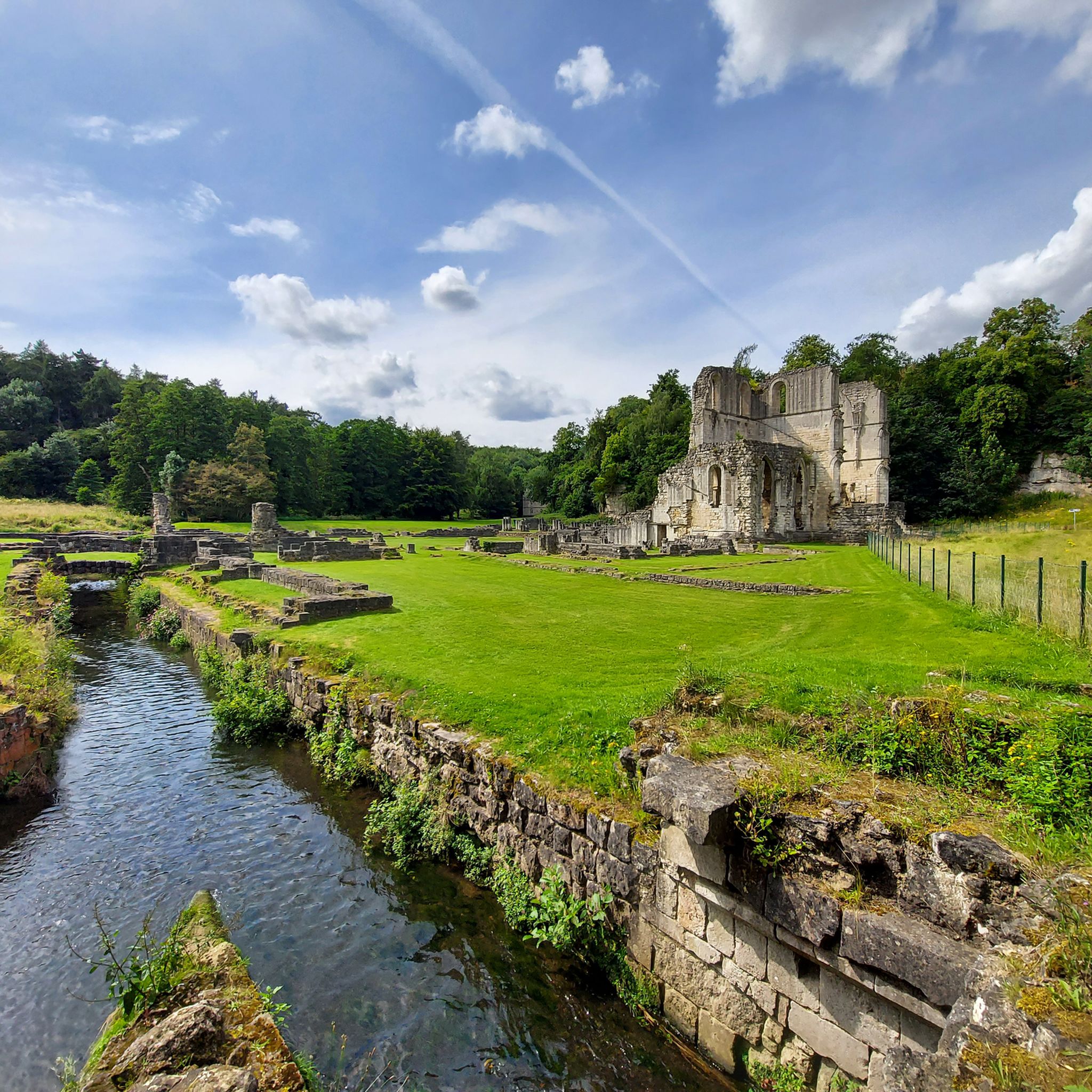
Northcliffe Quarry is a former limestone quarry, now a Local Nature Reserve and Site of Scientific Interest, located along the Conisbrough side of The Crags. The quarry was used to extract limestone for making fertilizer, and a tramway, known as "the incline", carried the stone to the kilns, according to Doncaster Council. The quarry is part of The Crags, a rocky outcrop with historical significance for local transport, communication, and defense, according to Doncaster Council.
0
0

Small elusive rock cave in the escarpment, just below the path. You will find it from the Top path via the semi-circle track. Supposedly haunted, it's popular with ghosthunters in the night. The cave was excavated in the 1960's which revealed ancient flint tools from the ice age and animal bones from animals such reindeer and hyena 12,000 years ago - That's Ten Thousand Years BC!
1
0
Small elusive rock cave in the escarpment, just below the path. You will find it from the Top path via the semi-circle track. Supposedly haunted, it's popular with ghosthunters in the night. The cave was excavated in the 1960's which revealed ancient flint tools from the ice age (more than 10,000 years ago) and animal bones from animals such as reindeer and hyena
1
0

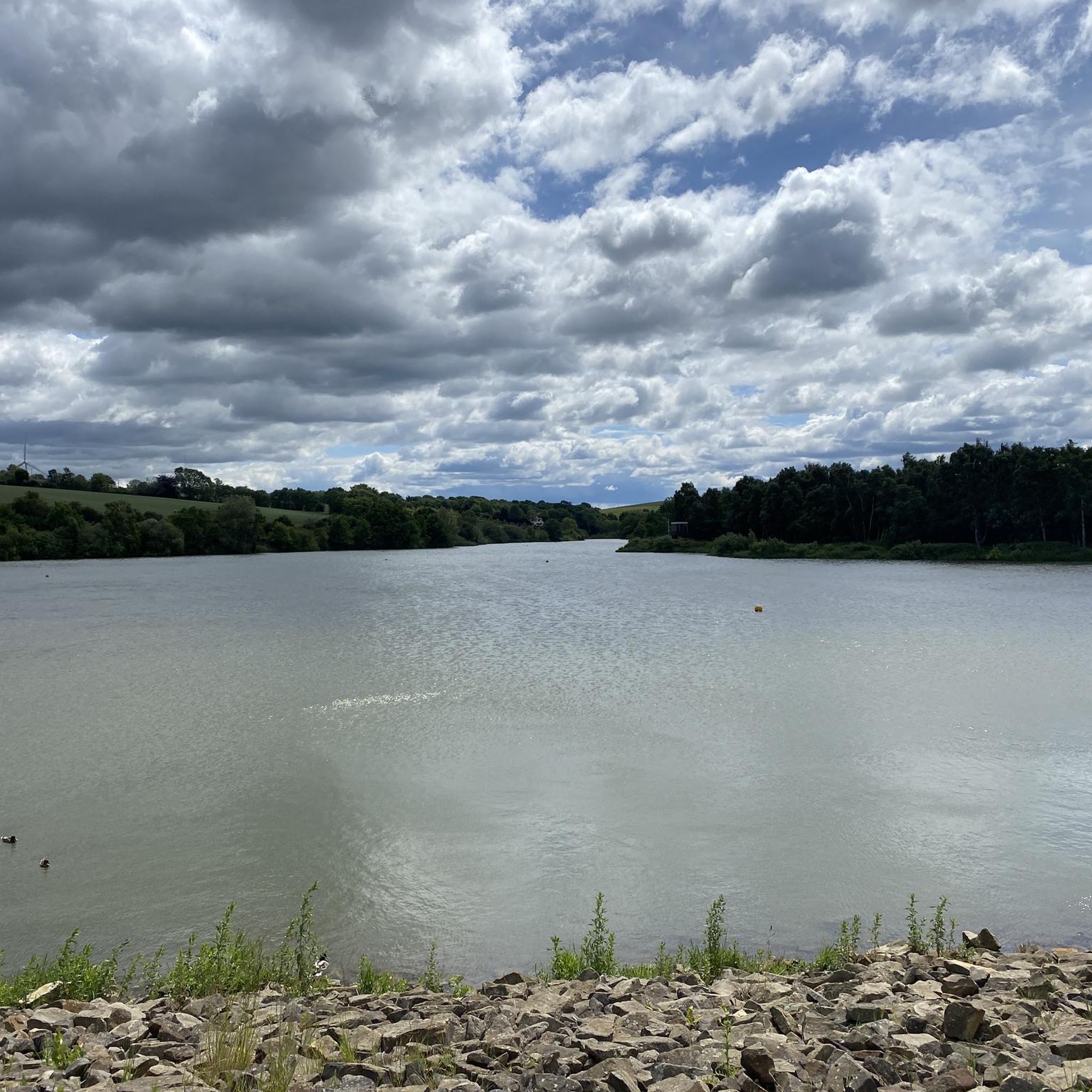
Spotbrough Weir was used to run a walk mill in the early 18th Century. The mill proceeded cloth, and then ground flint for pottery until it went out of use in the 19th century. Today this is a popular fishing and walking area.
1
0

You have to drop off the path to the left to see this site.
0
0

A lovely new area of the country park created by Rotherham council. The idea is to have an area for kids to bird watch and look for nature. It’s got some cool monuments and benches to just sit and enjoy nature. Such a great idea!
1
0
Frequently Asked Questions
What are some notable natural monuments in the Bramley area?
Bramley itself is home to Bramley Fall Park & Woods, an extensive area featuring ancient woodland, riverside paths along the River Aire and Leeds Liverpool Canal, and historical quarry remains. Further afield, but still within the broader region, you can explore places like Anston Stones Wood, known for its ancient woodland and gorge, and The Crags, offering expansive views and geological interest.
What kind of natural landscapes can I expect to see around Bramley?
The natural monuments around Bramley offer a diverse range of landscapes. You'll find ancient woodlands, riverside and canal paths, heathland, wildflower meadows, and open fields. Geological features such as limestone ridges and rocky outcrops are also prominent, particularly at sites like Anston Stones Wood and The Crags.
Are there any natural monuments with historical significance near Bramley?
Yes, several natural monuments in the area have rich historical connections. Bramley Fall Park & Woods was once a major quarry, providing stone for iconic Leeds buildings. Dead Man's Hole, a small cave, has yielded ancient flint tools and animal bones from the Ice Age. Additionally, Sprotbrough Weir historically powered mills, and The Crags were vital for ancient transport and defense, with remains of an old tramway still visible.
Are there easy walking trails at the natural monuments around Bramley?
Yes, many natural monuments in the area offer easy walking trails. Bramley Fall Park & Woods has well-maintained paths, including a 1-mile circular route and a 5 km canal-side path. Anston Stones Wood also features pretty trails alongside Anston Brook. For more options, you can explore various easy hikes around Bramley.
What outdoor activities can I do near the natural monuments in Bramley?
Beyond exploring the natural monuments themselves, the area around Bramley offers excellent opportunities for various outdoor activities. You can enjoy hiking, running, and cycling on numerous trails. For specific routes, check out easy hikes, cycling routes, and running trails around Bramley.
Are the natural monuments around Bramley suitable for families?
Absolutely. Bramley Fall Park & Woods is very family-friendly, featuring a playground, playing fields, and picnic areas. Anston Stones Wood is also categorized as family-friendly, offering engaging trails for younger explorers. Hope Fields Memorial Park is specifically designed with areas for kids to birdwatch and enjoy nature.
Are there dog-friendly natural monuments or trails near Bramley?
Many natural monuments and their surrounding trails are dog-friendly. Bramley Fall Park & Woods is a popular spot for dog-walking, with plenty of space and well-maintained paths. Always ensure dogs are kept under control, especially in areas with wildlife or livestock, and follow local signage regarding leash requirements.
What is the best time of year to visit the natural monuments around Bramley?
The natural monuments around Bramley can be enjoyed year-round, each season offering a different charm. Spring brings vibrant wildflowers and wild garlic to places like Bramley Fall Park & Woods. Summer is ideal for longer walks and picnics. Autumn showcases beautiful foliage, while winter offers peaceful, crisp walks, though some paths might be muddy. Always check local conditions before heading out.
Are there accessible natural monuments in the Bramley area?
Bramley Fall Park & Woods offers some accessible paths, particularly along the canal side, which are generally flat and well-maintained. While some natural monuments feature rugged terrain, efforts are often made to provide accessible routes where possible. It's advisable to check specific site information for detailed accessibility details before your visit.
Where can I find parking when visiting natural monuments near Bramley?
Many natural monuments, especially larger parks like Bramley Fall Park & Woods, typically have designated parking areas. For other sites, parking might be available in nearby villages or public car parks. It's recommended to check specific location details or local council websites for parking information before you travel.
What do visitors enjoy most about the natural monuments around Bramley?
Visitors frequently praise the unspoiled beauty, picturesque views, and peaceful ambiance of the natural monuments. The varied flora, opportunities for birdwatching, and the historical significance of sites like Bramley Fall Park & Woods and Dead Man's Hole are also highly appreciated. The komoot community has shared over 14 photos and given more than 30 upvotes, highlighting the appeal of these locations.
Can I find circular trails among the natural monuments near Bramley?
Yes, circular trails are available. Bramley Fall Park & Woods offers a 1-mile circular route within its grounds. Many of the easy hikes around Bramley, as well as cycling and running routes, are designed as loops, allowing you to start and end at the same point while exploring the natural beauty of the area.
Most popular attractions around Bramley

Get inspired with the komoot mobile app


Explore more
Extend your search for the best caves by checking out these guides of the top ones around Bramley:
