Laughton-En-Le-Morthen
Laughton-En-Le-Morthen
Top 6 Natural Monuments around Laughton-En-Le-Morthen
Best natural monuments around Laughton-En-Le-Morthen are found within a landscape shaped by the Magnesian Limestone belt of South Yorkshire. The village itself is situated on a prominent outcrop, providing elevated views of the surrounding countryside. This area offers a blend of ecological interest and geological significance, with features ranging from expansive country parks to ancient woodlands and historical caves. The natural elements here provide opportunities for exploring diverse environments and understanding local history.
Best natural monuments around Laughton-En-Le-Morthen
- The most…
Last updated: July 1, 2026
Dead Man's Hole
Highlight • Natural Monument
Tip by

Hope Fields Memorial Park
Highlight • Monument
Tip by

Sign up now to discover places like this
Get recommendations on the best single tracks, peaks, & plenty of other exciting outdoor places.
Sign up for free
Sprotbrough Weir
Highlight • River
Tip by

The Crags
Highlight (Segment) • Viewpoint
Tip by

Northcliffe Quarry Local Nature Reserve
Highlight • Historical Site
Tip by
Start today with a free account
Your next adventure awaits.
Login or Signup
Tips from the Community


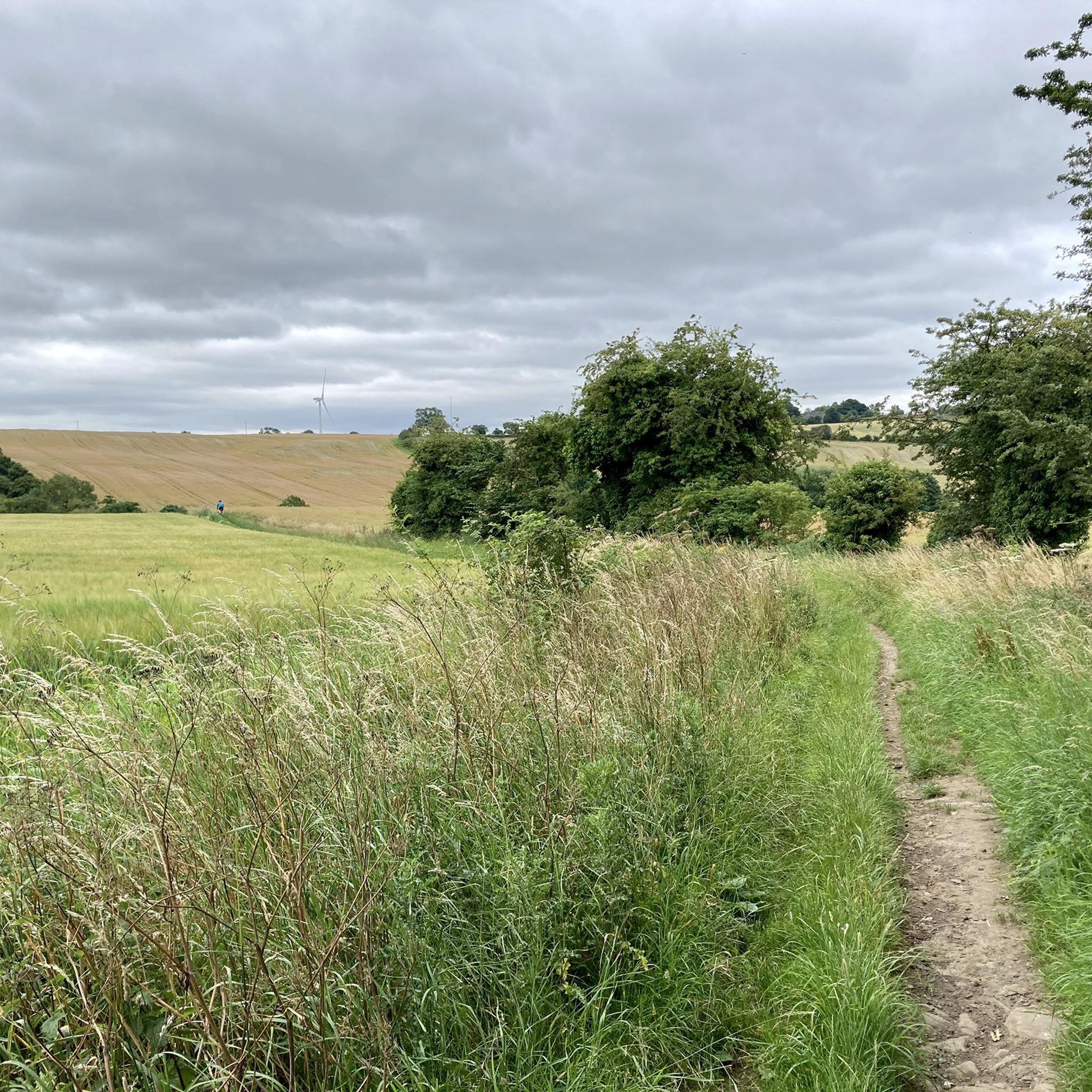
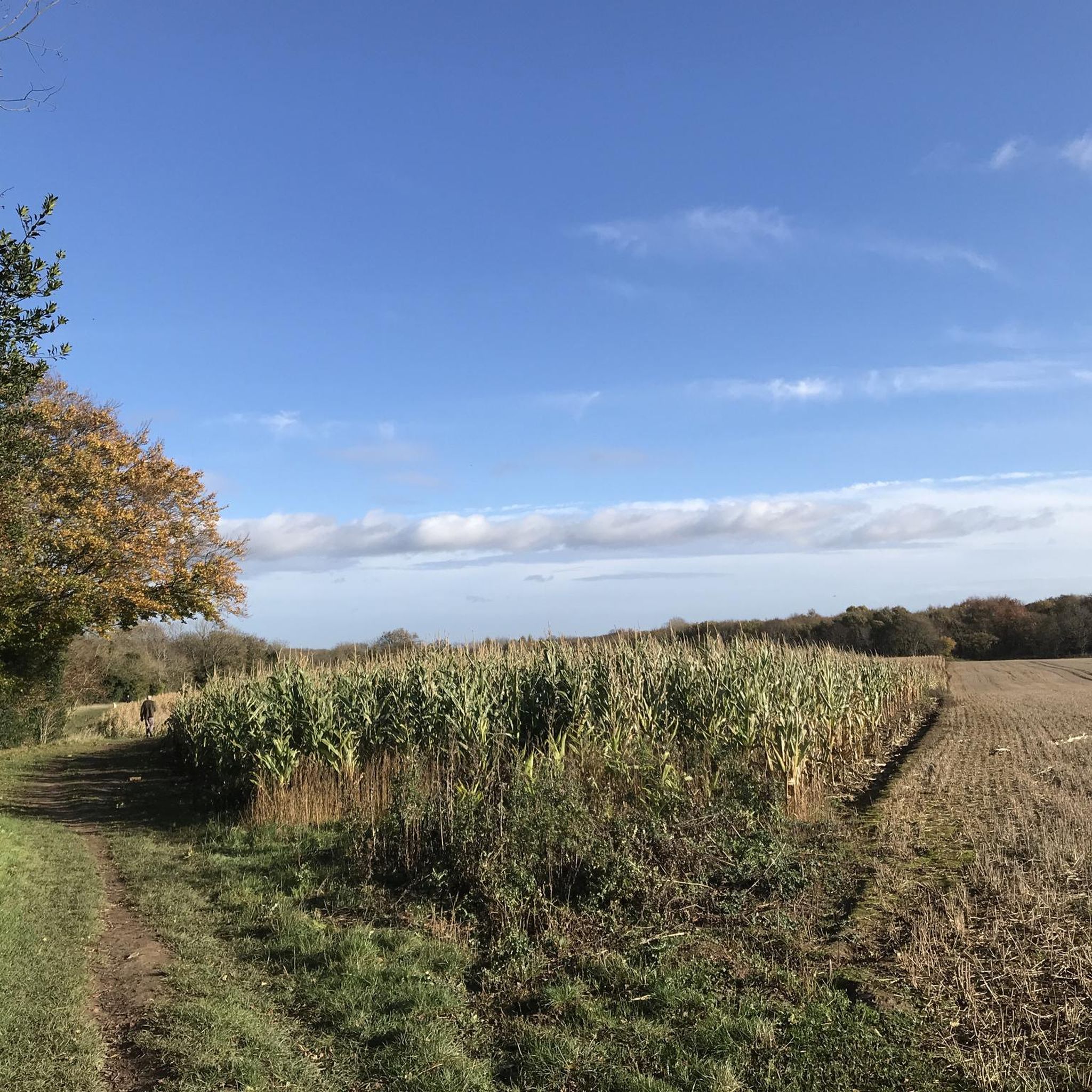
These slopes have been known as the Crags for at least 100 years, although the name on the 1841 Ordnance Survey map is Northcliffe Hills. In ancient times these rocky outcrops were vital to local transport, communication and defence. They provided firm ground for travel and vantage points for surveying the landscape. On a clear day you can see as far as the Derbyshire hills, Emley Moor television mast, Barnsley Town Hall, and the urban skylines of Sheffield and Rotherham. Along the Conisbrough side of the Crags you will find Northcliffe Quarry, which provided limestone to make fertilizer. A tramway known as 'the incline' carried stone to the kilns, and you can still see the remains of the incline if you look carefully. The quarry is now a local nature reserve (LNR) and a site of special scientific interest (SSSI).
0
0
Northcliffe Quarry is a former limestone quarry, now a Local Nature Reserve and Site of Scientific Interest, located along the Conisbrough side of The Crags. The quarry was used to extract limestone for making fertilizer, and a tramway, known as "the incline", carried the stone to the kilns, according to Doncaster Council. The quarry is part of The Crags, a rocky outcrop with historical significance for local transport, communication, and defense, according to Doncaster Council.
0
0

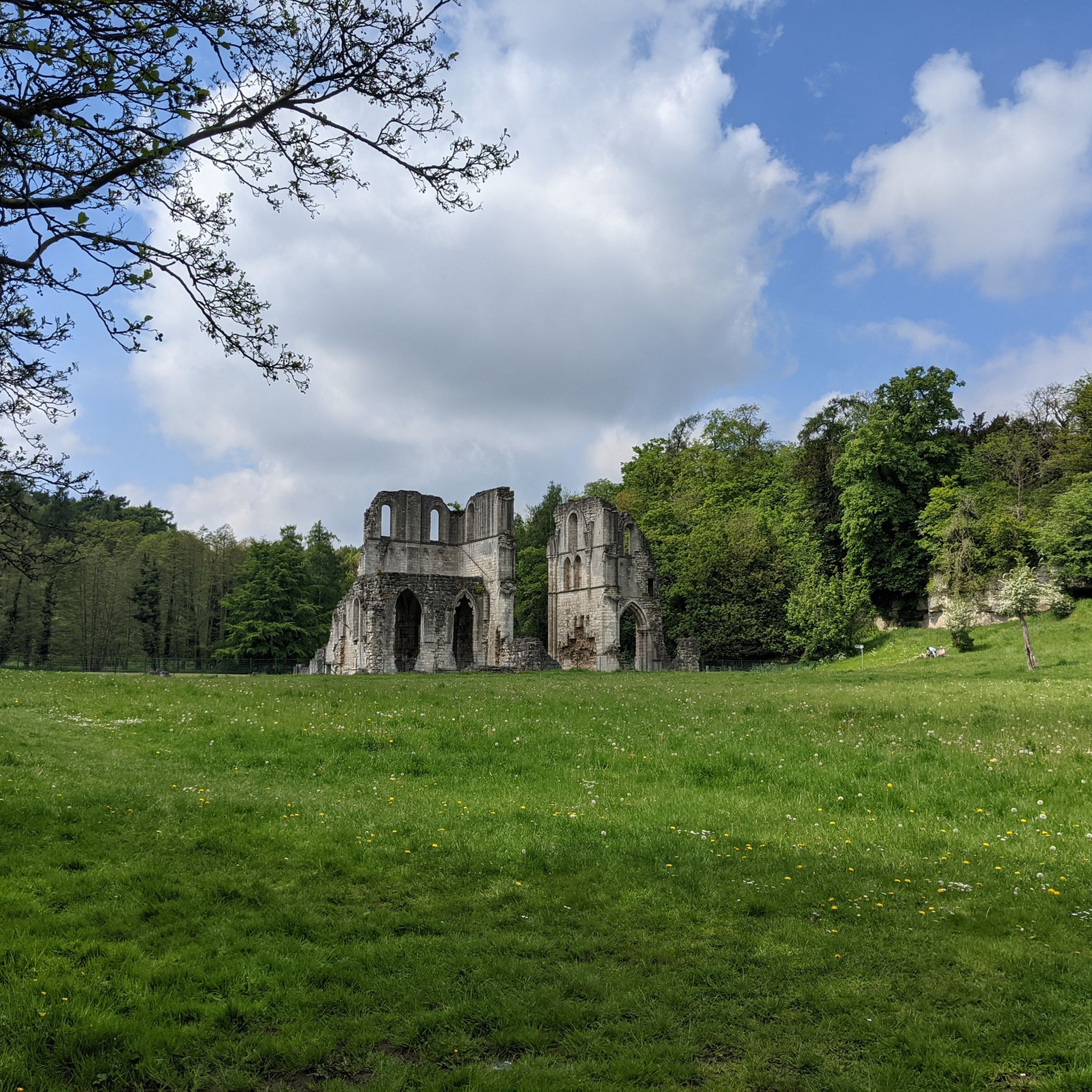
Small elusive rock cave in the escarpment, just below the path. You will find it from the Top path via the semi-circle track. Supposedly haunted, it's popular with ghosthunters in the night. The cave was excavated in the 1960's which revealed ancient flint tools from the ice age and animal bones from animals such reindeer and hyena 12,000 years ago - That's Ten Thousand Years BC!
1
0
Small elusive rock cave in the escarpment, just below the path. You will find it from the Top path via the semi-circle track. Supposedly haunted, it's popular with ghosthunters in the night. The cave was excavated in the 1960's which revealed ancient flint tools from the ice age (more than 10,000 years ago) and animal bones from animals such as reindeer and hyena
1
0

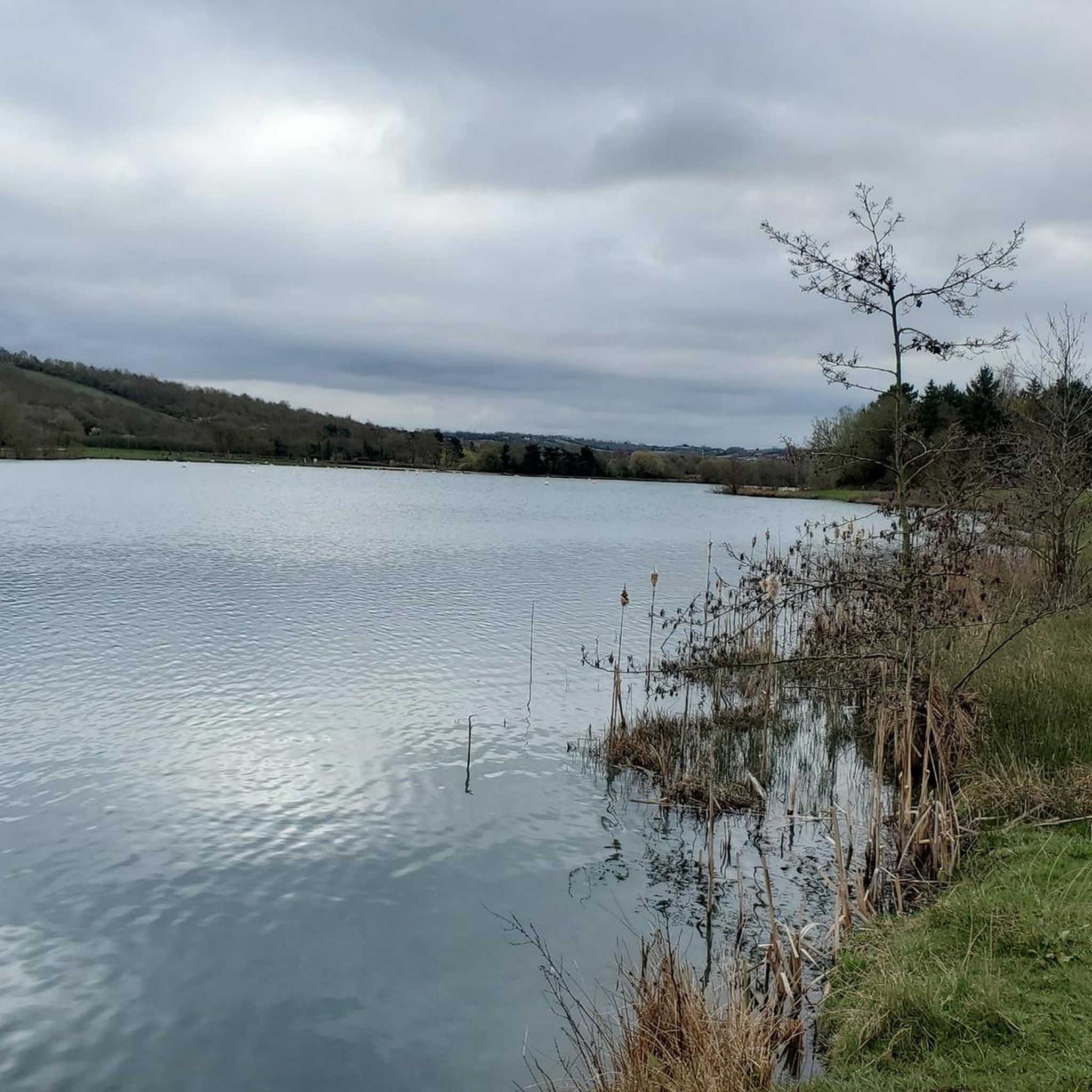
Spotbrough Weir was used to run a walk mill in the early 18th Century. The mill proceeded cloth, and then ground flint for pottery until it went out of use in the 19th century. Today this is a popular fishing and walking area.
1
0

You have to drop off the path to the left to see this site.
0
0

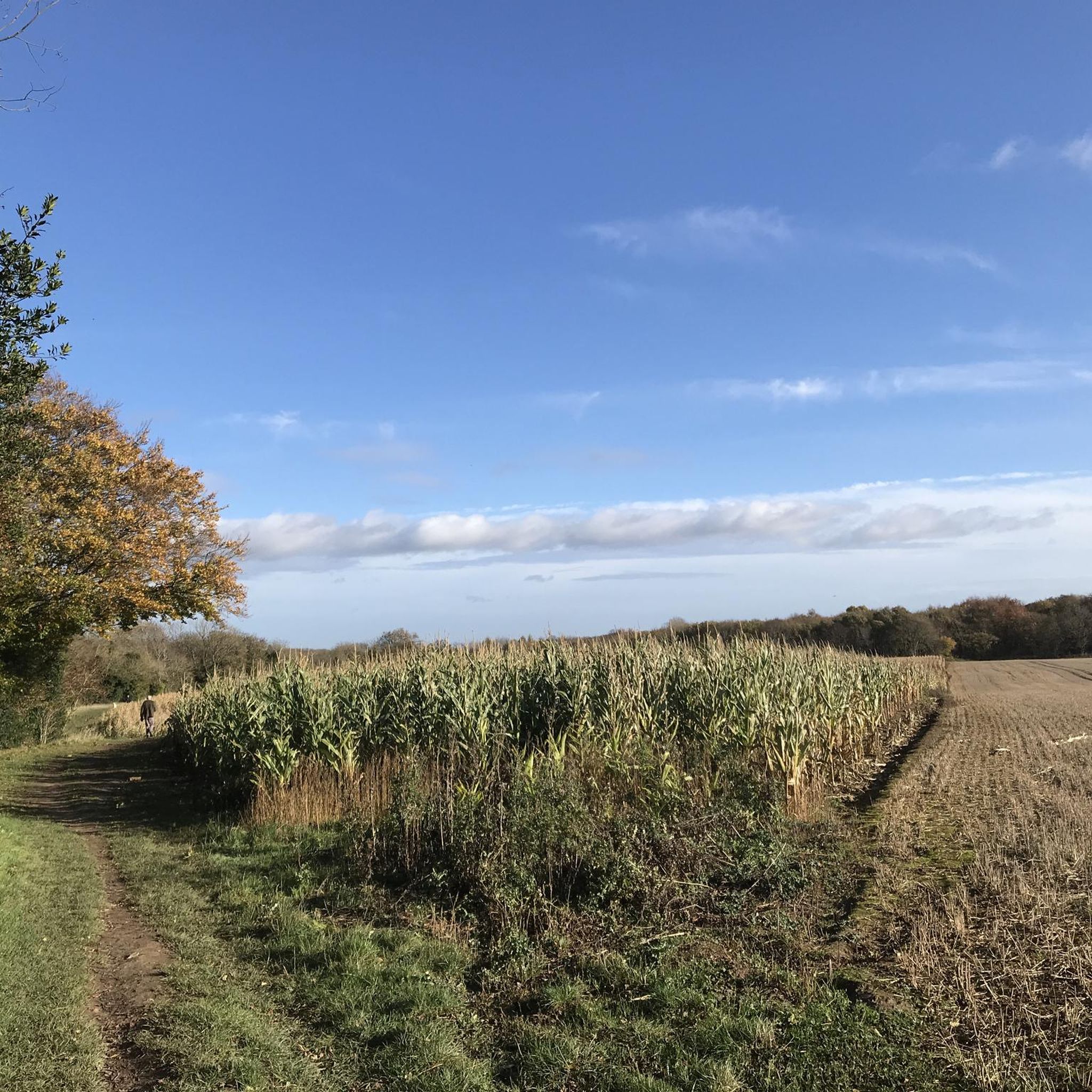
A lovely new area of the country park created by Rotherham council. The idea is to have an area for kids to bird watch and look for nature. It’s got some cool monuments and benches to just sit and enjoy nature. Such a great idea!
1
0
Frequently Asked Questions
What unique natural features can I explore around Laughton-En-Le-Morthen?
The area is characterized by the Magnesian Limestone belt, which forms the foundation of the local landscape. You can explore the ancient woodland and gorge at Anston Stones Wood, which was cut through the Limestone ridge during the last Glacial period. Another intriguing feature is Dead Man's Hole, a small, elusive rock cave with archaeological significance. Additionally, The Crags offer prominent rocky outcrops and viewpoints.
Are there any historical natural monuments in the area?
Yes, several natural monuments have historical significance. Dead Man's Hole is an ancient cave where excavations revealed flint tools and animal bones dating back to the Ice Age, over 10,000 years ago. Sprotbrough Weir, while a natural river feature, was historically used to power a walk mill in the 18th century. The Crags were vital for local transport, communication, and defense in ancient times, and you can still see remains of a tramway from a former limestone quarry.
What are the best natural monuments for family visits?
For families, Anston Stones Wood offers beautiful trails alongside Anston Brook, with tunnels and bridges, making it an engaging walk for all ages. Hope Fields Memorial Park is another excellent choice, designed for nature observation with cool monuments and benches, providing a peaceful setting for families to enjoy nature together. Sprotbrough Weir is also family-friendly, popular for walking and enjoying the riverside.
What kind of walking trails can I find near these natural monuments?
You can find a variety of walking trails, from easy strolls to more challenging routes. Anston Stones Wood features pleasant trails along Anston Brook. For more extensive walking, consider exploring the trails within Rother Valley Country Park, which connects to Dyscarr Wood, a Site of Special Scientific Interest. You can find detailed running routes in the area by visiting the Running Trails around Laughton-En-Le-Morthen guide.
Are there opportunities for cycling or mountain biking near the natural monuments?
Yes, the region offers several cycling and mountain biking opportunities. Rother Valley Country Park, for instance, provides paths suitable for cycling. For more specific routes, you can explore the Cycling around Laughton-En-Le-Morthen guide for touring bicycle routes, and the MTB Trails around Laughton-En-Le-Morthen guide for mountain biking adventures.
What wildlife can I expect to see around Laughton-En-Le-Morthen's natural monuments?
The diverse habitats around Laughton-En-Le-Morthen support various wildlife. Rother Valley Country Park and Dyscarr Wood are known for their wildlife habitats and butterfly meadows. Hope Fields Memorial Park is specifically designed for nature observation, making it a good spot for bird watching and spotting local flora and fauna. The ancient woodlands like Anston Stones Wood also provide a home for various woodland creatures.
Is there parking available near these natural monuments?
While specific parking details for each small natural monument like Dead Man's Hole or The Crags may vary, larger attractions like Rother Valley Country Park typically offer designated parking facilities. It's advisable to check local signage or specific attraction websites for the most accurate parking information before your visit.
Are dogs allowed at the natural monuments?
Many natural areas around Laughton-En-Le-Morthen, including woodlands and country parks, are generally dog-friendly, especially for walks on leads. For example, Anston Stones Wood is suitable for walks with dogs. However, it's always best to check specific regulations for each site, particularly in nature reserves or areas with sensitive wildlife, to ensure responsible pet ownership.
What is the best time of year to visit the natural monuments around Laughton-En-Le-Morthen?
The natural monuments can be enjoyed year-round, but each season offers a different experience. Spring and summer are ideal for enjoying the lush greenery, wildflowers, and wildlife, especially in areas like Dyscarr Wood and Rother Valley Country Park. Autumn brings beautiful foliage to the woodlands, while winter offers crisp, quiet walks. Always check local weather conditions before your visit.
What do visitors enjoy most about the natural monuments in this region?
Visitors appreciate the blend of ecological interest and geological significance. The ancient woodlands and river features, like those found at Anston Stones Wood, are particularly popular for their beauty and tranquil trails. The historical insights offered by sites like Dead Man's Hole and The Crags also add a unique dimension to the natural exploration, making the area appealing for those interested in both nature and history.
Are there any viewpoints offering scenic vistas of the surrounding countryside?
Yes, the village of Laughton-En-Le-Morthen itself is situated on a prominent outcrop of the Magnesian Limestone belt, providing elevated views. Specifically, The Crags are known for offering expansive views, where on a clear day you can see as far as the Derbyshire hills, Emley Moor television mast, and the urban skylines of Sheffield and Rotherham.
What is Dyscarr Wood and why is it significant?
Dyscarr Wood is an ancient woodland connected to Rother Valley Country Park. It is recognized as a Site of Special Scientific Interest (SSSI) because it contains excellent examples of limestone ash-wych elm wood. This designation highlights its ecological importance and the unique natural environment it offers for visitors to explore.
Most popular routes around Laughton-En-Le-Morthen
Most popular attractions around Laughton-En-Le-Morthen

Get inspired with the komoot mobile app


Explore more
Extend your search for the best caves by checking out these guides of the top ones around Laughton-En-Le-Morthen:
