Top 6 Natural Monuments around Collington
Best natural monuments around Collington feature a landscape characterized by ancient geological formations and varied terrain. This region includes prominent hills with significant geological history, such as those formed during the Silurian period, and areas within the Abberley and Malvern Hills Geopark. Visitors can explore diverse natural features, from elevated viewpoints offering expansive vistas to unique sandstone cliffs and rock formations. The area provides opportunities to observe historical quarrying sites and forested areas with notable geological structures.
Best natural monuments…
Last updated: July 1, 2026
Ankerdine Hill
Highlight • Viewpoint
Tip by

Walsgrove Hill Summit View
Highlight • Viewpoint
Tip by
Sign up now to discover places like this
Get recommendations on the best single tracks, peaks, & plenty of other exciting outdoor places.
Sign up for free
Hegdon Hill Trig Point
Highlight • Natural Monument
Tip by

The Nubbins Sandstone Cliffs
Highlight • Natural Monument
Tip by

Southstone Rock
Highlight • Forest
Here are some notes on its formation: earthheritagetrust.org/southstone-post
Tip by
Sign up for free to discover even more natural monuments around Collington.
Sign up for free
Already have an account?
Start today with a free account
Your next adventure awaits.
Login or Signup

Tips from the Community

It's a steep pull up Walsgrove Hill from the north, and in the winter it will be slippery and muddy due to the activities of the sheep that live in this field. However, it offers fine views across to the clocktower and beyond.
0
0

Amazing rock formation in the woods. Well worth a visit. The path to the south side of the stream is badly overgrown. Here are some notes on its formation: https://earthheritagetrust.org/southstone-post/
0
0
Red sandstone rock formation - low cliffs of exposed stone that has been historically quarried for building materials. A path runs along the bottom and the top, currently (Sept 2024) overgrown in places. An information sign gives details among the nettles.
1
0

View to the West The lower part of Walsgrove Hill and the hill on which Abberley clock tower stands are Silurian siltstone. The valley of the River Teme cuts into soft mudstones of the upper Silurian Old Red Sandstone with the harder sandstones of the lower Devonian Old Red Sandstone forming the Bromyard plateau. The low hummocky ground at the base of these hills is underlain by Carboniferous age Coal Measures rocks. These form the southerly tip of the Wyre Forest coalfield. Coal was mined here until the early twentieth century. To the north west, the Clee Hills are also formed of Carboniferous rocks. A molten layer of rock pushed between the layers and formed a hard black dolerite rock, the Dhustone, which slowed the erosion of these still prominent hills and is quarried for roadstone to this day. Source: Local signage
0
0


The trig point at the top of Hegdon Hill stands at 255m, making this peaceful summit officially a Marilyn. The views out across miles of rolling Herefordshire countryside are well worth the climb, and nearby Hegdon Hill Vineyard is well worth a visit, too.
0
0

Ankerdine Hill, at 489 feet (149 m), is part of the Abberley Hills ridge in the Abberley and Malvern Hills Geopark. The ridge was formed during the Silurian period and is of considerable geological significance. The River Teme loops around the hill, surrounding it on its western, southern and eastern side, giving it superb views of the Teme Valley. It is most commonly ascended from the village of Knightwick, where the award-winning Talbot pub is a good post-hike option.
0
0
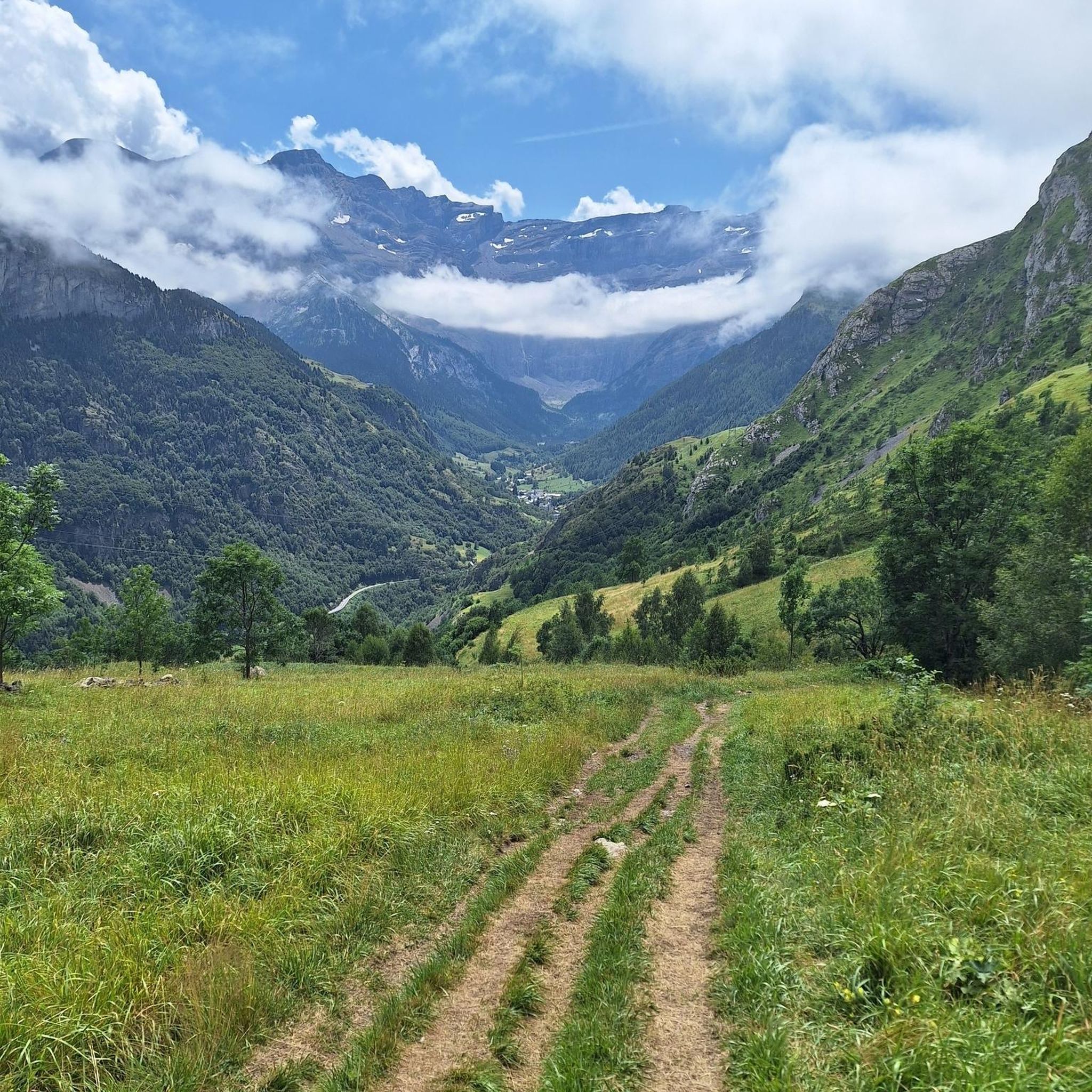
Walsgrove Hill boasts fantastic views from its 869-foot (265 m) summit towards Abberley Hill and its clock tower. It is at the northern end of a ridge that also contains Cockshot, Rodge, Pudford, Penny, Berrow and Ankerdine Hills. Formed during the Silurian period, the ridge is part of the Abberley and Malvern Hills Geopark, an area of considerable geological significance, spanning 700 million years of natural history.
0
0
Frequently Asked Questions
What unique geological features can I explore around Collington?
Collington is rich in geological history, particularly within the Abberley and Malvern Hills Geopark. You can explore ancient formations like Walsgrove Hill Summit View, which has geological significance spanning 700 million years from the Silurian period. Additionally, discover the unique red sandstone formations at The Nubbins Sandstone Cliffs, which have been historically quarried, and the distinctive structure of Southstone Rock hidden within the woods.
Where can I find the best scenic viewpoints in the Collington area?
For expansive vistas, head to Walsgrove Hill Summit View, offering views towards Abberley Hill and its clock tower. Another excellent spot is Hegdon Hill Trig Point, a peaceful summit providing wide-ranging views across the Herefordshire countryside from its 255-meter elevation.
Are there any historical sites among the natural monuments near Collington?
Yes, The Nubbins Sandstone Cliffs are not only a natural monument but also a historical site. These low cliffs of exposed red sandstone show evidence of historical quarrying for building materials, with paths running along both the bottom and top.
What kind of walking trails are available to access these natural monuments?
Many natural monuments in Collington are accessible via walking paths. For instance, The Nubbins Sandstone Cliffs have paths along the bottom and top, though they can be overgrown in places. The Nubbins Rock Formation also offers an off-road route with some steep climbs, which can be overgrown in summer months.
What outdoor activities can I do near the natural monuments around Collington?
Beyond exploring the natural monuments themselves, the Collington area offers various outdoor activities. You can find numerous cycling routes, including touring bicycle, mountain biking (MTB), and road cycling options. For example, explore routes like the 'Northern Herefordshire hilly loop' for cycling or the 'Bromyard Countryside Views' for MTB. You can find more details on these activities in the Cycling around Collington, MTB Trails around Collington, and Road Cycling Routes around Collington guides.
Are there any family-friendly natural monuments or trails in Collington?
While specific family-friendly ratings aren't provided for all monuments, many natural sites like Southstone Rock, located within a forest, offer accessible paths for exploration. The general nature of exploring geological formations and viewpoints can be engaging for families, though some paths may have steep sections or be overgrown.
What is the best time of year to visit the natural monuments in Collington?
The natural monuments around Collington can be enjoyed year-round. However, for the best walking conditions and clear views, spring and autumn often provide pleasant temperatures and vibrant scenery. Winter visits might involve slippery and muddy conditions on some trails, especially on hills like Walsgrove Hill Summit View, due to sheep activity.
Are the natural monuments around Collington dog-friendly?
Many outdoor areas in the UK, including natural monuments, are generally dog-friendly, especially if dogs are kept on a lead to protect wildlife and livestock. When visiting sites like Walsgrove Hill Summit View, be aware that sheep may be present in fields, so keeping dogs under control is essential.
What do visitors appreciate most about the natural monuments in Collington?
Visitors frequently appreciate the stunning views from elevated points like Walsgrove Hill Summit View and Hegdon Hill Trig Point, often describing them as 'fantastic' and 'well worth the climb'. The unique geological formations, such as Southstone Rock, are also highlighted as 'amazing' and 'well worth a visit'.
Are there any natural monuments that are particularly challenging to access?
Some natural monuments, like The Nubbins Rock Formation, involve off-road routes with steep climbs at each end, requiring appropriate footwear. Similarly, the pull up Walsgrove Hill Summit View from the north can be steep and potentially slippery or muddy, especially in winter.
Can I find cafes or pubs near the natural monuments in Collington?
While specific cafes directly adjacent to every natural monument are not detailed, the region of Herefordshire, where many of these sites are located, is known for its local amenities. For example, Hegdon Hill Vineyard is mentioned as being near Hegdon Hill Trig Point, suggesting local establishments are available within a reasonable distance in the surrounding countryside.
Most popular attractions around Collington

Get inspired with the komoot mobile app


Explore more
Extend your search for the best caves by checking out these guides of the top ones around Collington:
