Top 5 Natural Monuments around Siddington
Best natural monuments around Siddington are found within a region characterized by significant natural beauty and ecological areas. Siddington is situated near the Cotswold Water Park, a Site of Special Scientific Interest with numerous lakes and nature reserves. The area also borders the Cotswolds Area of Outstanding Natural Beauty, known for its rolling uplands and distinctive limestone geology. The River Churn, a vital natural feature, flows through the parish, contributing to the local ecosystem.
Best natural monuments around Siddington
- The…
Last updated: October 4, 2026
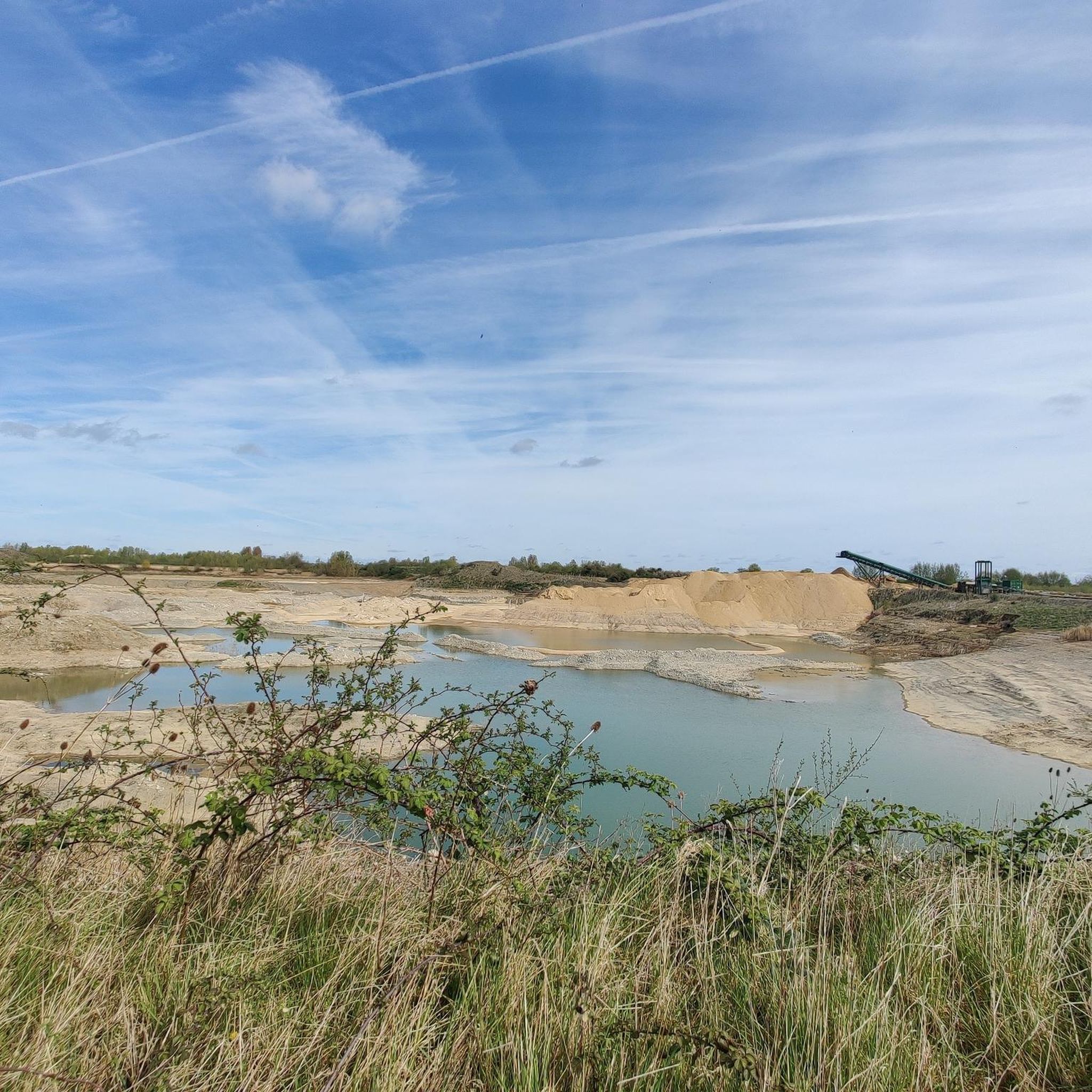
Daglingworth Gravel Track
Highlight (Segment) • Natural
Tip by

Cirencester Amphitheatre
Highlight • Historical Site
Tip by

Sign up now to discover places like this
Get recommendations on the best single tracks, peaks, & plenty of other exciting outdoor places.
Source of the River Thames
Highlight • River
Tip by

The Tallest Yew Hedge in the World
Highlight • Natural Monument
Tip by

Coronation Tree Carving, Cirencester Park
Highlight • Monument
Professional tree carver Andy O'Neill, of Bristol-based Wild Wood Carving, began work on the cedar in August and used a range of chainsaws to sculpt intricate designs into the tree.
Tip by
Start today with a free account
Your next adventure awaits.

Tips from the Community

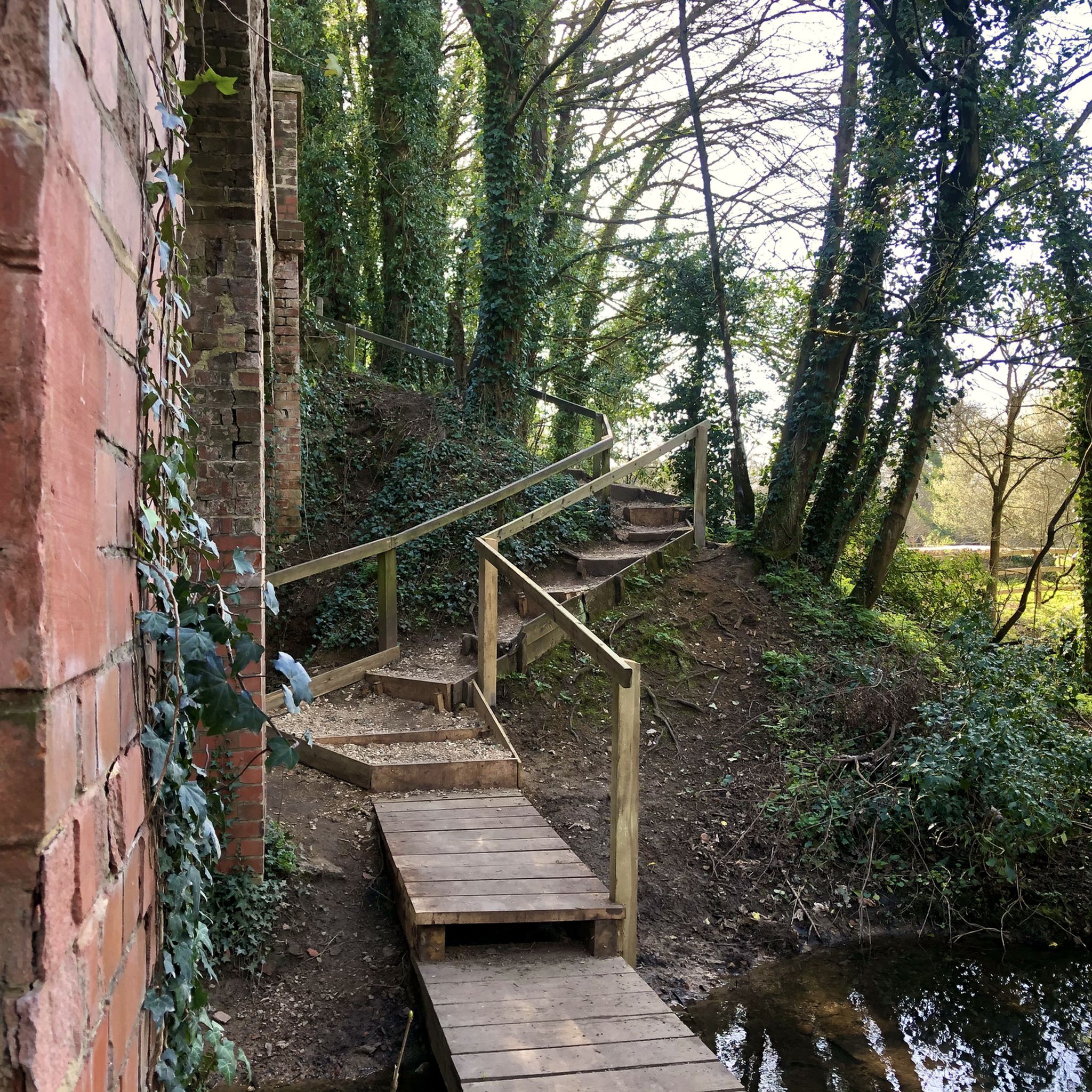
The path has been dry, unfortunately not a drop of water to be seen at the spring.
0
0

If You Have Never Seen the Source of River Thames, Probably worth a look.
0
0

A commemorative carving to celebrate King Charles III's coronation. Professional tree carver Andy O'Neill, of Bristol-based Wild Wood Carving, began work on the cedar in August and used a range of chainsaws to sculpt intricate designs into the tree. The wildlife-themed totem encompasses a variety of animals including butterflies, bees, owls, dormice, lady birds, a Roman snail and a Goshawk. On top is a bucks head to represent the park’s history.
0
0
This yew hedge planted in 1720 is 13.1m (43ft) high and surrounds the house belonging to Earl Bathurst.
1
0

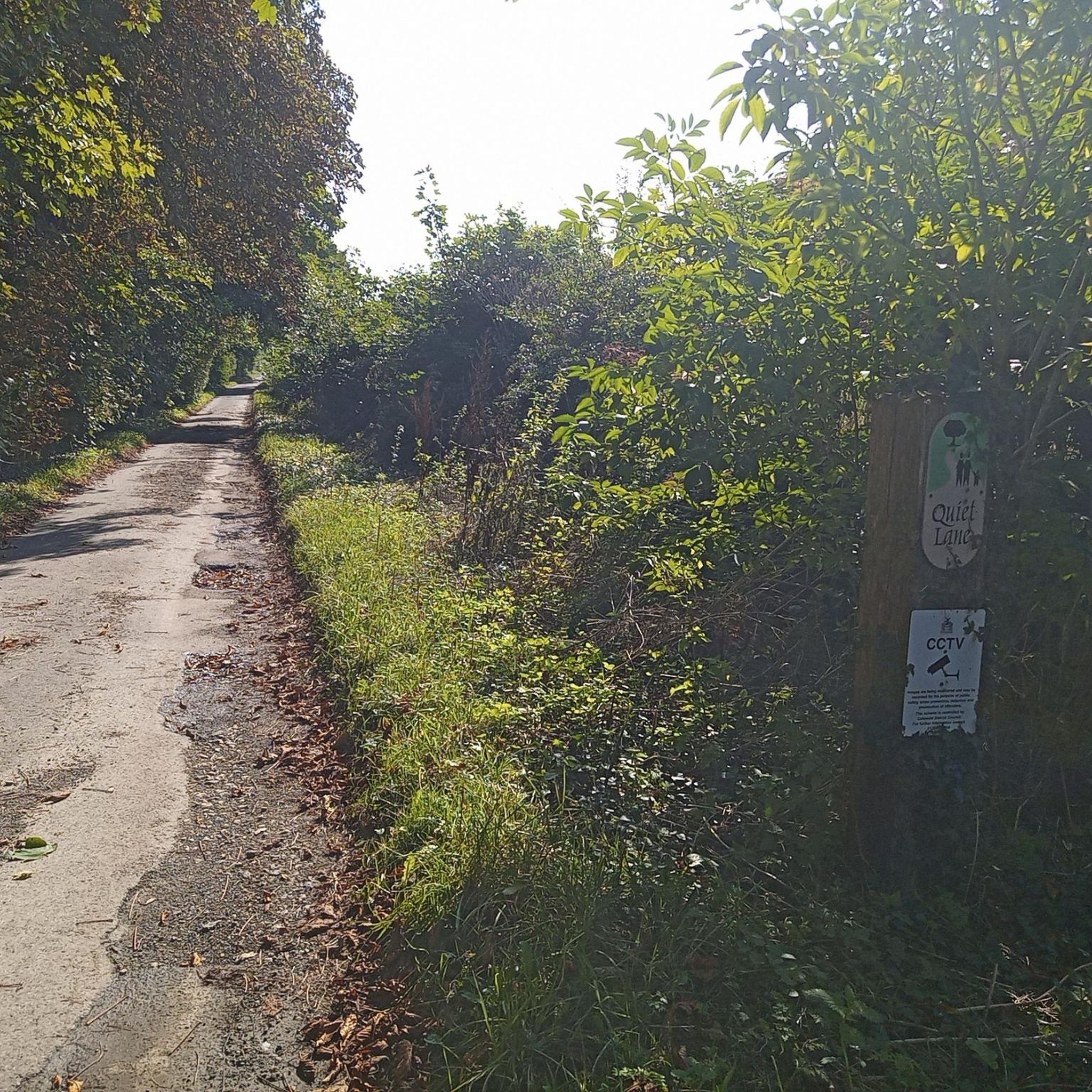
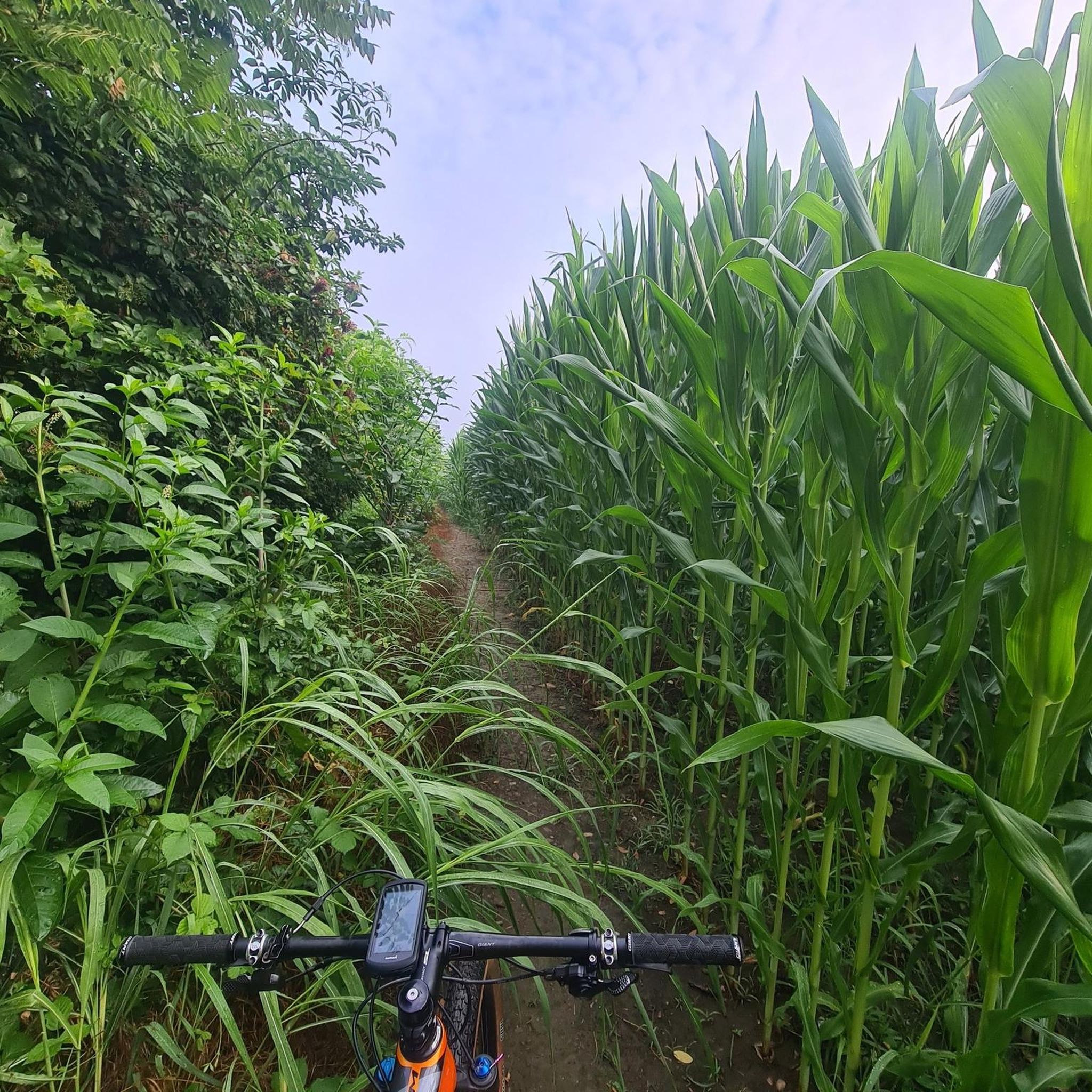
Lovely gravel track connecting Welsh Way to Daglingworth via Quarry
0
0

park at the end of the hike. start of hike missed but is easy to find from top of railway road. We came back via road as access that isn't recorded has a very high turnstile and so not as accessible as the rest of the walk
2
1

Passes Daglingworth Quarry. Hanson Aggregates works Daglingworth Quarry, extracting limestone aggregate for road building, ornamental driveway stone and dust for brick making. Extraction of stone from the site is believed to have started in 1905, since when it has been in almost continuous use. The planning permission for the quarry expires in 2042 and progressive restoration is currently being undertaken. A wide variety of fossils are known from the Daglingworth Quarry. Oysters, pectinids (scallops) and echinoids (sea urchins) can be found within the Taynton Limestone and Hampen Formations. Discovered within the sandy lenses of Hampen Formation are rare plant fragments, and dinosaur footprints have been found near the top of the formation. These are now on display at the quarry office. The Shipton Member is generally devoid of fossils except, for a few beds containing borings and burrows made by marine animals such as molluscs and worms. At the top of this member is the Excavata bed where gastropods and the echinoids, Clypeus and Cidaris are found in abundance. Trace fossils, borings and bivalves are found in many beds throughout the Ardley Member. Fossils from large reptiles have been found from near the top of the member
0
0
Good way to cross the A417. Could be muddy in depths of winter I suspect.
0
0
Frequently Asked Questions
What natural features can I explore near Siddington?
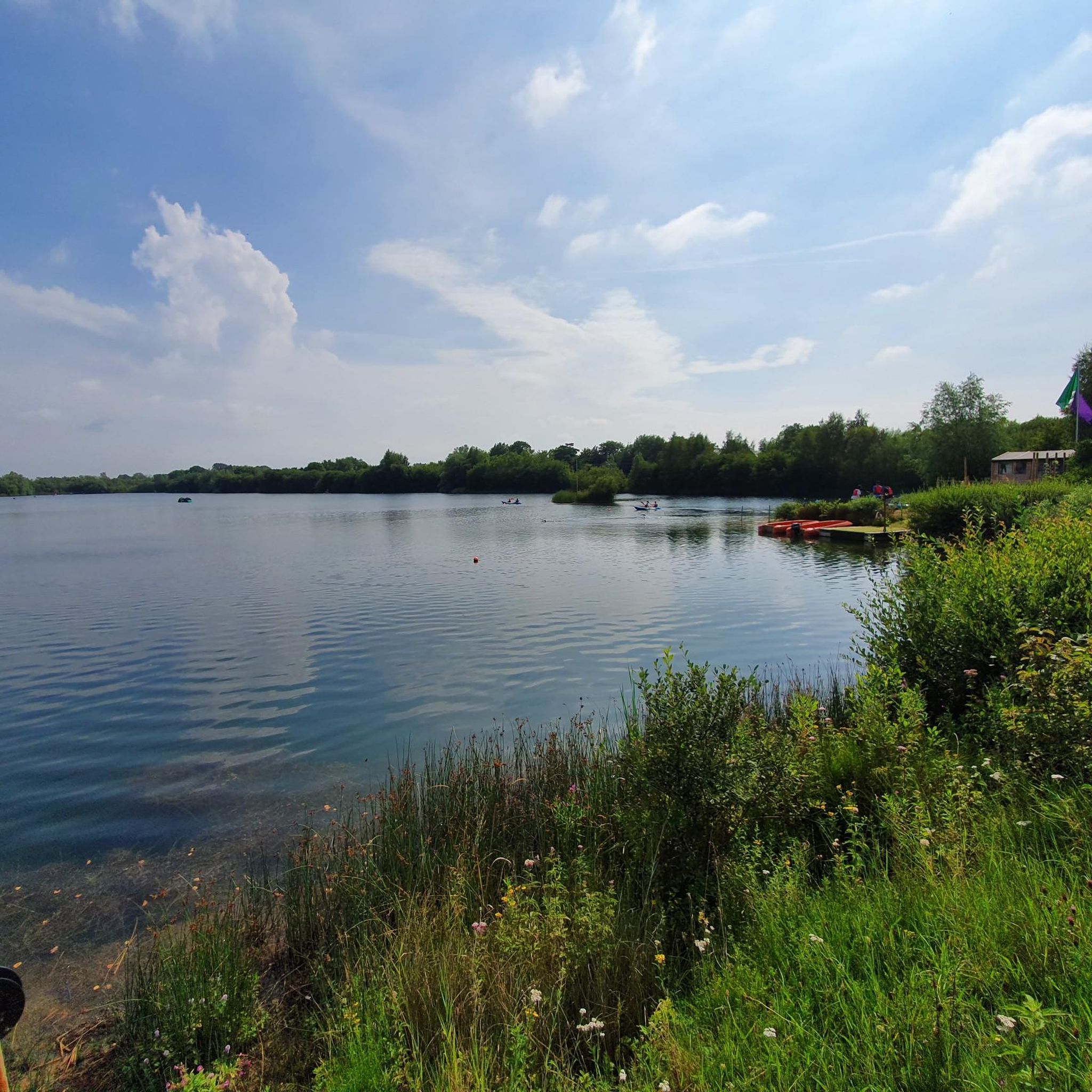
Siddington is situated within a region rich in natural beauty. You can explore the extensive Cotswold Water Park, which features numerous lakes, walking trails, and nature reserves. The area also borders the Cotswolds Area of Outstanding Natural Beauty (AONB), known for its rolling uplands and picturesque valleys. The River Churn, a vital natural feature and the farthest tributary of the River Thames, flows through the parish, offering pleasant riverside walks. You can even visit the Source of the River Thames itself.
Are there historical natural monuments in the Siddington area?
Yes, the area features historical sites that are also considered natural monuments. A prominent example is the Cirencester Amphitheatre, a huge earthwork that represents the remains of one of Britain's largest Roman amphitheatres. Built in the early 2nd century, it could hold around 8,000 spectators.
What geological points of interest can be found around Siddington?
The region around Siddington is known for its unique geological history. You can explore the Daglingworth Gravel Track, which passes by Daglingworth Quarry. Here, limestone aggregate is extracted, and visitors can find a variety of fossils, including oysters, scallops, and echinoids, within the geological formations. The broader Cotswolds Hills, which encompass Siddington, are shaped by marine sedimentation and uplift, contributing to the characteristic landscape.
Are there family-friendly natural monuments to visit near Siddington?
Yes, several natural monuments are suitable for families. The Cirencester Amphitheatre is a great historical site for all ages to explore. Additionally, The Tallest Yew Hedge in the World offers a unique and impressive natural feature that families can enjoy. The Cotswold Water Park also provides play areas and activity centers, making it a versatile destination for family outdoor recreation.
Can I find walking or hiking trails near these natural monuments?
Absolutely. The natural monuments around Siddington are well-integrated with walking and hiking opportunities. For instance, the Cirencester Amphitheatre is easily accessible for walks. The Daglingworth Gravel Track is a lovely route connecting Welsh Way to Daglingworth. You can find numerous trails within the Cotswold Water Park and the Cotswolds AONB. For more detailed hiking routes, explore the Hiking around Siddington guide.
What outdoor activities are available in the wider Siddington area?
Beyond exploring natural monuments, the Siddington area offers a variety of outdoor activities. The Cotswold Water Park is ideal for water sports, fishing, cycling, and birdwatching. The surrounding Cotswolds AONB provides excellent opportunities for hiking and scenic walks. You can find specific routes for cycling in the Cycling around Siddington guide and for gravel biking in the Gravel biking around Siddington guide.
Is the Source of the River Thames accessible for visitors?
Yes, the Source of the River Thames is accessible for visitors. It's a popular spot for those interested in seeing the starting point of England's most famous river. While the exact start of the hike might require a bit of searching from the top of the railway road, the site itself is generally easy to find and explore.
What is the best time of year to visit the natural areas around Siddington?
The natural areas around Siddington, including the Cotswold Water Park and Cotswolds AONB, are beautiful year-round. Spring and summer offer lush greenery, blooming wildflowers, and warmer weather ideal for water sports and long walks. Autumn brings stunning foliage, while winter can provide tranquil, crisp landscapes, though some paths might be muddy. Consider checking local weather forecasts before your visit.
Are there any unique natural features, like impressive plant structures, to see?
Yes, one particularly unique natural feature is The Tallest Yew Hedge in the World. Planted in 1720, this impressive yew hedge stands at 13.1 meters (43 feet) high and surrounds the house belonging to Earl Bathurst, making it a remarkable sight.
What kind of wildlife might I encounter in the natural areas near Siddington?
The natural areas around Siddington, especially the Cotswold Water Park, are havens for wildlife. You can expect to see a diverse range of bird species, including various waterfowl, waders, and raptors. Mammals like deer, foxes, and badgers are also present, along with a rich insect life, including butterflies and dragonflies, particularly around the water bodies and nature reserves.
Are there any circular walks that include natural monuments around Siddington?
While specific circular routes directly encompassing multiple natural monuments aren't explicitly detailed, many of the natural features and monuments are part of larger trail networks. For example, the Cotswold Water Park offers numerous circular walking and cycling trails that pass by lakes and nature reserves. You can explore routes in the Hiking around Siddington guide to find circular options that might include or pass near these natural sites.
What do visitors particularly enjoy about the natural monuments in this region?
Visitors appreciate the blend of history and nature found in the region. For instance, the Cirencester Amphitheatre is noted for its atmospheric feel, allowing visitors to connect with ancient history. The Daglingworth Gravel Track is enjoyed for its scenic route and geological interest, while the Source of the River Thames offers a unique landmark experience. The overall tranquility and natural beauty of the Cotswold Water Park and Cotswolds AONB are also highly valued.
Most popular routes around Siddington
Most popular attractions around Siddington

Get inspired with the komoot mobile app


Explore more
Extend your search for the best caves by checking out these guides of the top ones around Siddington:
