Top 10 Natural Monuments around Hawkesbury
Best natural monuments around Hawkesbury include a diverse range of lookouts, national parks, and riverine landscapes. The region is characterized by its rugged wilderness, sandstone outcrops, and significant waterways like the Hawkesbury River. Over 70% of the area comprises national parks, including World Heritage-listed sites, offering diverse ecosystems. These sites provide opportunities for exploring panoramic vistas, historical landmarks, and varied natural habitats.
Best natural monuments around Hawkesbury
- The most popular natural monuments is William Tyndale Monument, a man-made monument…
Last updated: July 1, 2026
William Tyndale Monument
Highlight • Monument
Tip by

Wapley Bushes Local Nature Reserve
Highlight • Natural Monument
Tip by

Sign up now to discover places like this
Get recommendations on the best single tracks, peaks, & plenty of other exciting outdoor places.
Sign up for free
Woodcock Farm - Hill Fort
Highlight • Historical Site
Tip by
Downham Hill (Smallpox Hill)
Highlight • Summit
Tip by
Uley Bury Iron Age hillfort
Highlight (Segment) • Historical Site
Tip by
Sign up for free to discover even more natural monuments around Hawkesbury.
Sign up for free
Already have an account?
Start today with a free account
Your next adventure awaits.
Login or Signup

Tips from the Community

The finest and best-preserved example of an Iron Age hill fort along the Cotswold Way.
0
1

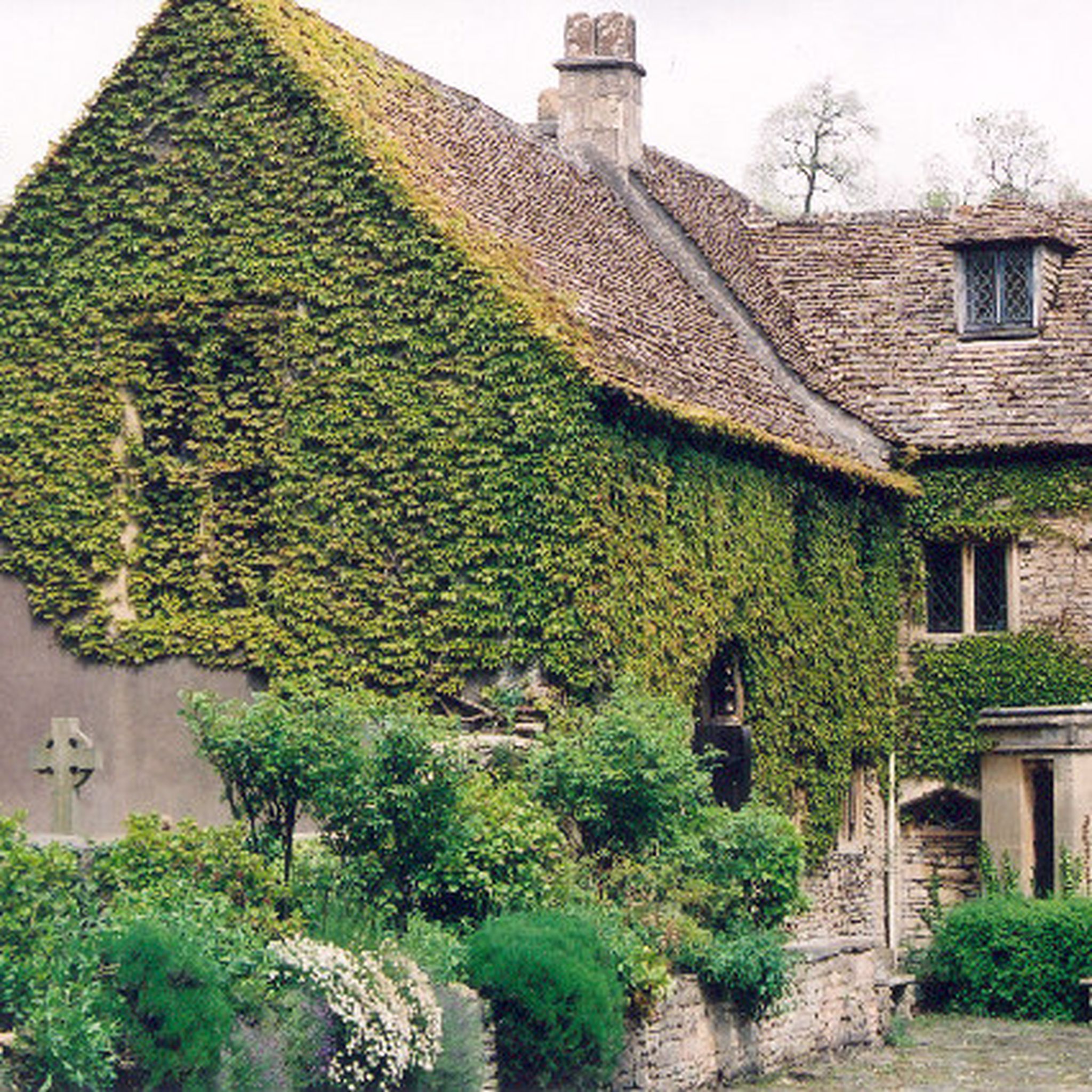
Wapley Bushes Local Nature Reserve is a 11.65-hectare (29-acre) nature reserve located in the English county of South Gloucestershire, between the towns of Yate and Dodington. It is owned by Dodington Parish Council and managed in partnership with Wapley Bushes Conservation Group. The reserve was established in 1992 and has been awarded the Green Flag Award, a prestigious award for well-managed parks and green spaces. Wapley Bushes is a diverse habitat, comprising ancient woodland, flower meadows, grassland, and a seasonal pond. The woodland is home to a variety of trees, including oak, ash, and hazel, as well as a range of wildlife, including deer, foxes, badgers, and birds such as song thrushes, blackbirds, and robins. The meadows are home to a variety of wildflowers, including cowslips, primroses, and bluebells. The grassland is home to a variety of grasses, as well as a range of wildflowers, including butte
0
0


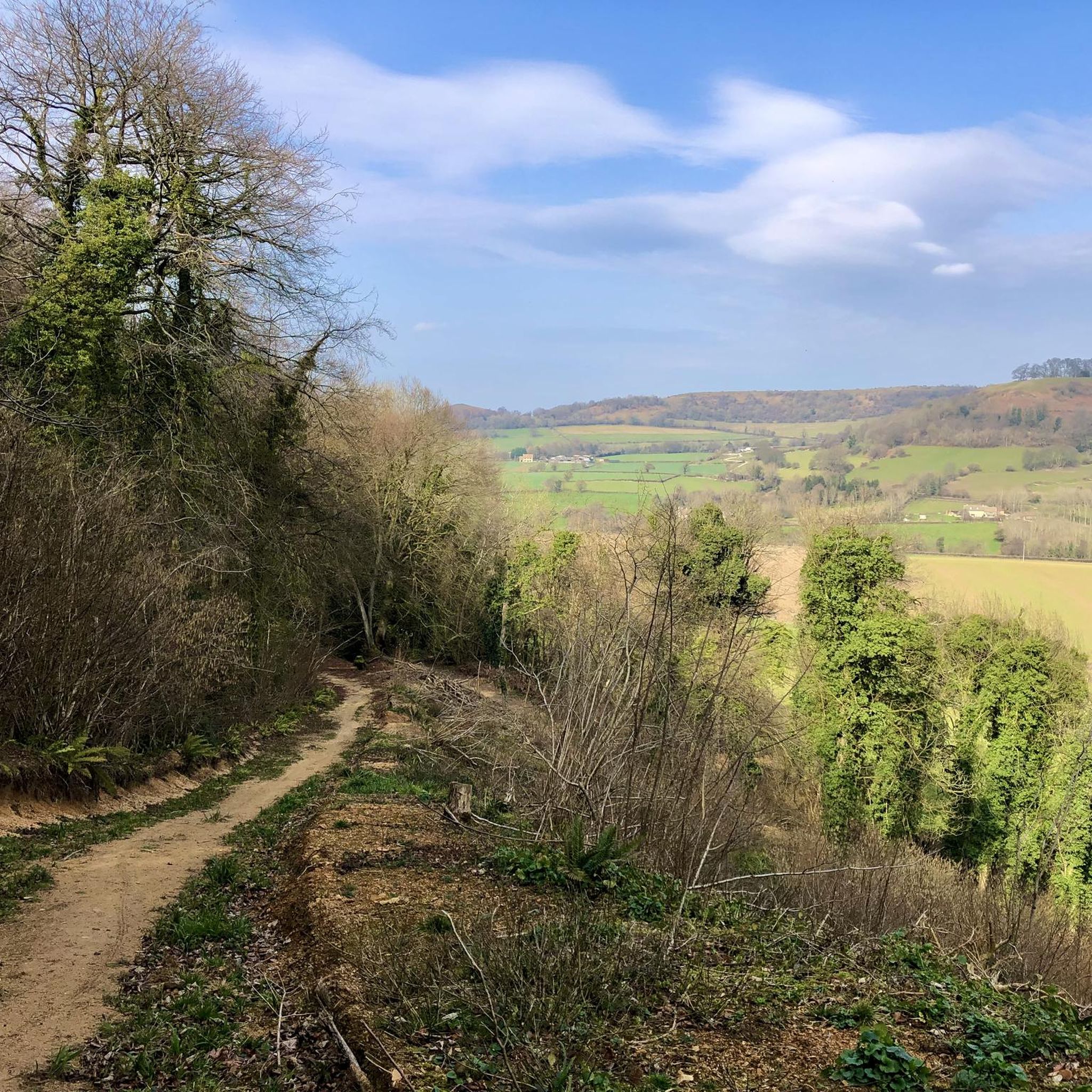
Great views and all bridleway. You can stay at the top or ride a slightly more technical singletrack a level down at the end. You can drop down to lower levels at each corner or complete a lap.
0
0

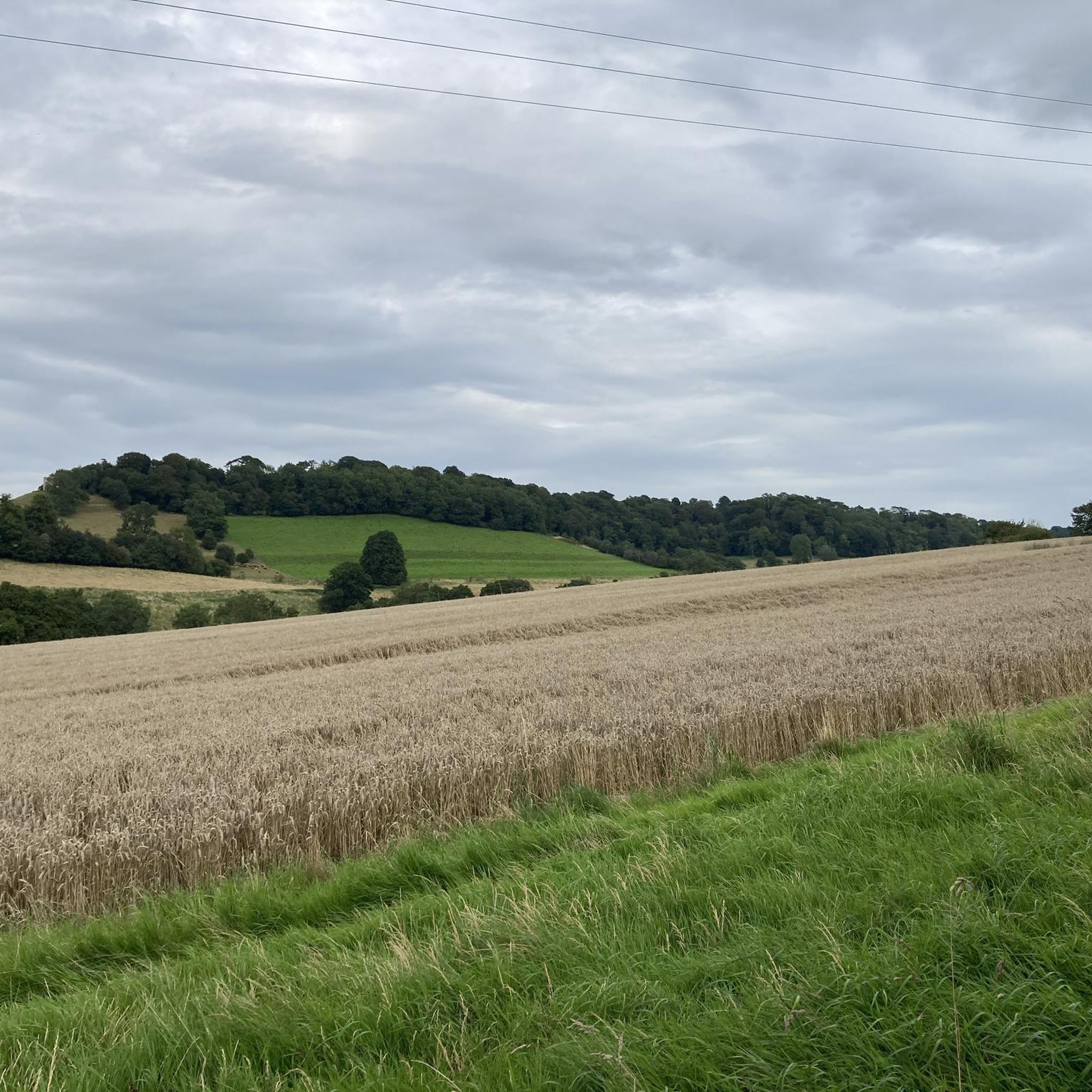
Steepish track up but then grassy slopes and woods. Pandoramic views from the hill even if you don’t go up the tower.
0
0

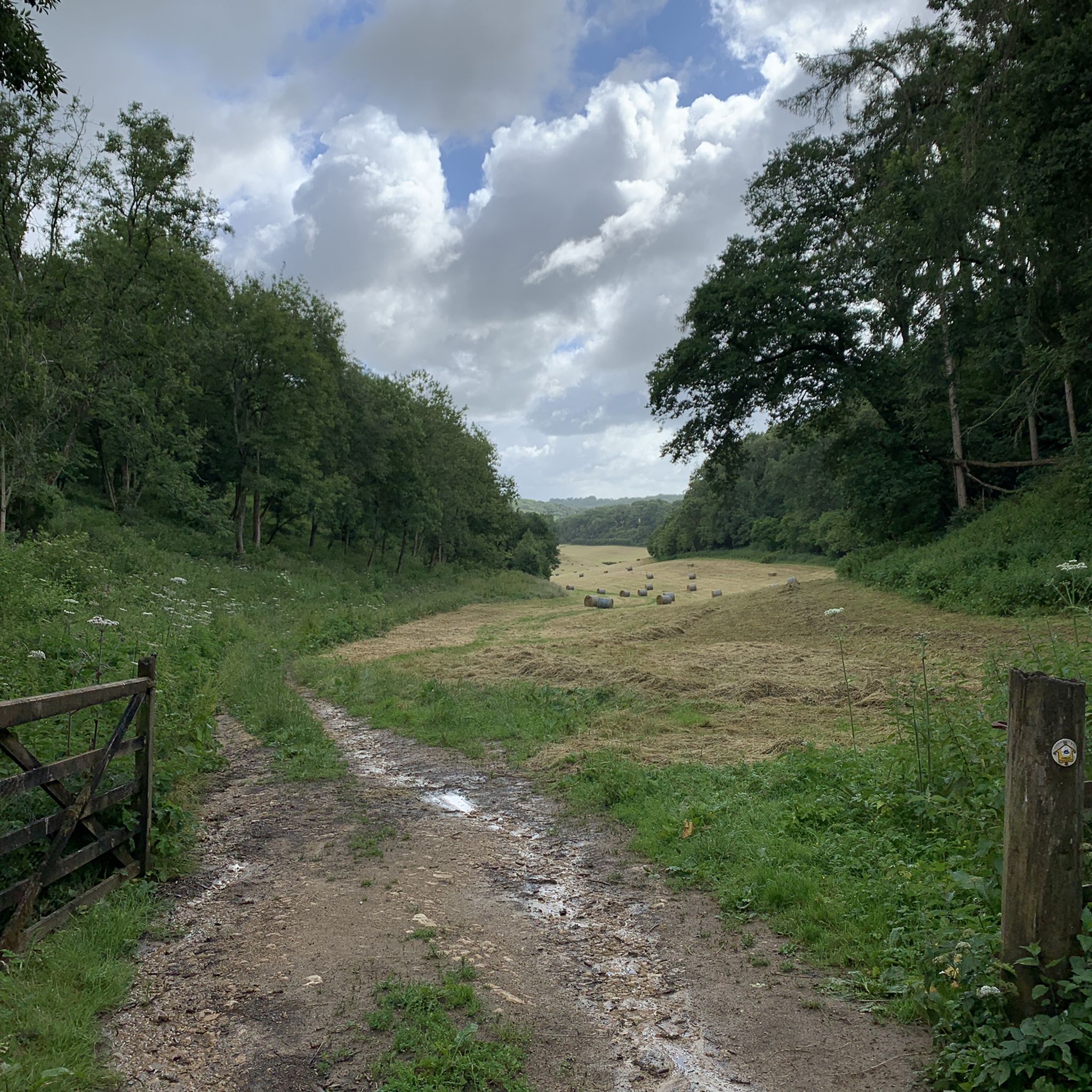
Short but sweet diversion... worth doing if you're not in a rush.
0
0

Steep walk up the hill but well worth the effort for the fabulous views.
0
0

One of the most beautiful views in the Cotswolds with dozens of possible walking and cycling routes.
0
1
Frequently Asked Questions
What are the most notable natural monuments and viewpoints in the Hawkesbury region?
The Hawkesbury region offers a variety of significant natural monuments and viewpoints. You can experience the historical grandeur of Uley Bury Iron Age Hill Fort, which provides incredible views over the Frome Valley, Severn Vale, and the Welsh mountains. Another prominent site is Downham Hill (Smallpox Hill), an outlying hill offering some of the best views in the valley with historical significance. For a unique blend of natural beauty and human endeavor, the William Tyndale Monument stands 34 meters high, providing magnificent panoramic views after a steep climb.
Are there family-friendly natural monuments in Hawkesbury?
Yes, the Hawkesbury region has natural monuments suitable for families. Wapley Bushes Local Nature Reserve is an excellent choice, featuring ancient woodland, flower meadows, grassland, and a seasonal pond, perfect for a short, engaging diversion. The perimeter walk around Uley Bury Iron Age Hill Fort is also considered family-friendly, offering easy walking routes and spectacular views.
What kind of natural features can I expect to see at these monuments?
The natural monuments in Hawkesbury showcase diverse features. You'll find expansive wilderness vistas, prominent sandstone outcrops, and rugged bushland, especially within the region's numerous national parks like Blue Mountains, Wollemi, and Dharug. Lookouts often provide panoramic views over valleys, rivers like the Hawkesbury, and distant mountain ranges. Sites like Wapley Bushes offer ancient woodlands, flower meadows, and diverse wildlife habitats.
What historical or cultural sites are integrated with the natural monuments?
Several natural monuments in Hawkesbury have significant historical and cultural connections. The Uley Bury Iron Age Hill Fort is a remarkably well-preserved Iron Age site with Roman and Saxon historical ties. Downham Hill (Smallpox Hill) holds historical importance as an early isolation hospital, believed to be connected to Edward Jenner's studies. Additionally, the William Tyndale Monument is a man-made structure commemorating the writer William Tyndale, offering historical context alongside its natural views.
What outdoor activities can I do near the natural monuments in Hawkesbury?
The Hawkesbury region is ideal for various outdoor activities. You can enjoy hiking, mountain biking, and general outdoor exploration. For specific hiking routes, check out guides like Easy hikes around Hawkesbury or Hiking around Hawkesbury. If you're into mountain biking, there are dedicated MTB Trails around Hawkesbury. Many national parks in the area, such as Blue Mountains and Wollemi, also offer opportunities for bushwalking, camping, and canoeing.
Are there specific hiking trails near these natural monuments?
Yes, there are numerous hiking trails. For instance, near the Uley Bury Iron Age Hill Fort, there's an easy walking route around its perimeter. The climb to the William Tyndale Monument is a fairly steep hike. For more options, explore the Hiking around Hawkesbury guide, which includes routes like the 'Hawkesbury Upton loop via Somerset Monument'.
What is the best time of year to visit the natural monuments in Hawkesbury?
The Hawkesbury region's natural monuments can be enjoyed year-round, but spring and autumn generally offer the most pleasant weather for outdoor activities. These seasons provide mild temperatures, making hiking and exploring more comfortable. Summer can be hot, while winter can be cooler, especially in higher elevations, but still suitable for visits, particularly for enjoying clear views.
What should I know about parking and public transport for these sites?
Access to many natural monuments in the Hawkesbury region, especially those within national parks, often requires private vehicle access due to their remote nature. Parking is typically available at or near popular lookouts and trailheads. Public transport options to the more secluded natural monuments are limited, so planning your journey by car is often recommended. Always check specific site information for parking availability and any potential fees.
Are there any permits required for visiting national parks in the Hawkesbury area?
Many national parks in New South Wales, including those in the Hawkesbury area like Blue Mountains, Wollemi, and Dharug National Parks, may require park entry fees or permits, especially for vehicle access or camping. It's advisable to check the official NSW National Parks and Wildlife Service website for the most up-to-date information on fees and permits before your visit. For example, you can find details for Hawkesbury Lookout on the NSW National Parks website.
What kind of wildlife can be spotted at the natural monuments?
The diverse ecosystems of the Hawkesbury region's natural monuments support a variety of wildlife. At places like Wapley Bushes Local Nature Reserve, you might encounter deer, foxes, badgers, and various bird species such as song thrushes, blackbirds, and robins. The expansive national parks are home to a wide range of native Australian fauna, including kangaroos, wallabies, and numerous bird species, making them excellent spots for wildlife spotting.
What do visitors enjoy most about the natural monuments in Hawkesbury?
Visitors frequently highlight the magnificent and incredible views offered by the various lookouts and hill forts. The sense of being far removed from city life, the opportunity for sunset photography, and the well-preserved historical aspects are also highly appreciated. Many enjoy the rewarding experience of reaching viewpoints after a hike and the diverse natural habitats found within the national parks.
Are there any challenging hikes or trails around the natural monuments?
While some monuments like the William Tyndale Monument involve a fairly steep hike to reach, the Hawkesbury region also offers more challenging trails, particularly within its vast national parks. For instance, the 'Tresham Bridleway Climb – Tor Hill Descent loop' is a moderate MTB trail, and there are other routes with varying difficulty levels. You can find more challenging options in the Hiking around Hawkesbury and MTB Trails around Hawkesbury guides.
Most popular routes around Hawkesbury
Most popular attractions around Hawkesbury

Get inspired with the komoot mobile app


Explore more
Extend your search for the best caves by checking out these guides of the top ones around Hawkesbury:
