Top 19 Natural Monuments around Drybrook
Best natural monuments around Drybrook are located within the Forest of Dean, a region characterized by ancient woodlands and rolling hills in Gloucestershire, England. The area offers significant natural beauty and geological interest, with its proximity to the River Wye enhancing its appeal. This landscape provides opportunities for exploring diverse natural features and understanding the region's geological past.
Best natural monuments around Drybrook
- The most popular natural monuments is May Hill Summit, a summit that is distinct and visible…
Last updated: June 17, 2026
May Hill Summit
Highlight • Summit
Tip by

King Arthur's Cave
Highlight • Cave
Tip by

Sign up now to discover places like this
Get recommendations on the best single tracks, peaks, & plenty of other exciting outdoor places.
Sign up for free
River Wye
Highlight • Natural Monument
Tip by

Puzzlewood
Highlight (Segment) • Natural Monument
Tip by

View of the Wye Valley from Symonds Yat Rock
Highlight • Viewpoint
Tip by

Sign up for free to discover even more natural monuments around Drybrook.
Sign up for free
Already have an account?
Start today with a free account
Your next adventure awaits.
Login or Signup
Tips from the Community


Symonds Yat is a wonderful place to come, but even better to catch it in the autumn when the trees are in full colour, with the sun on them to make them really shine.
0
0
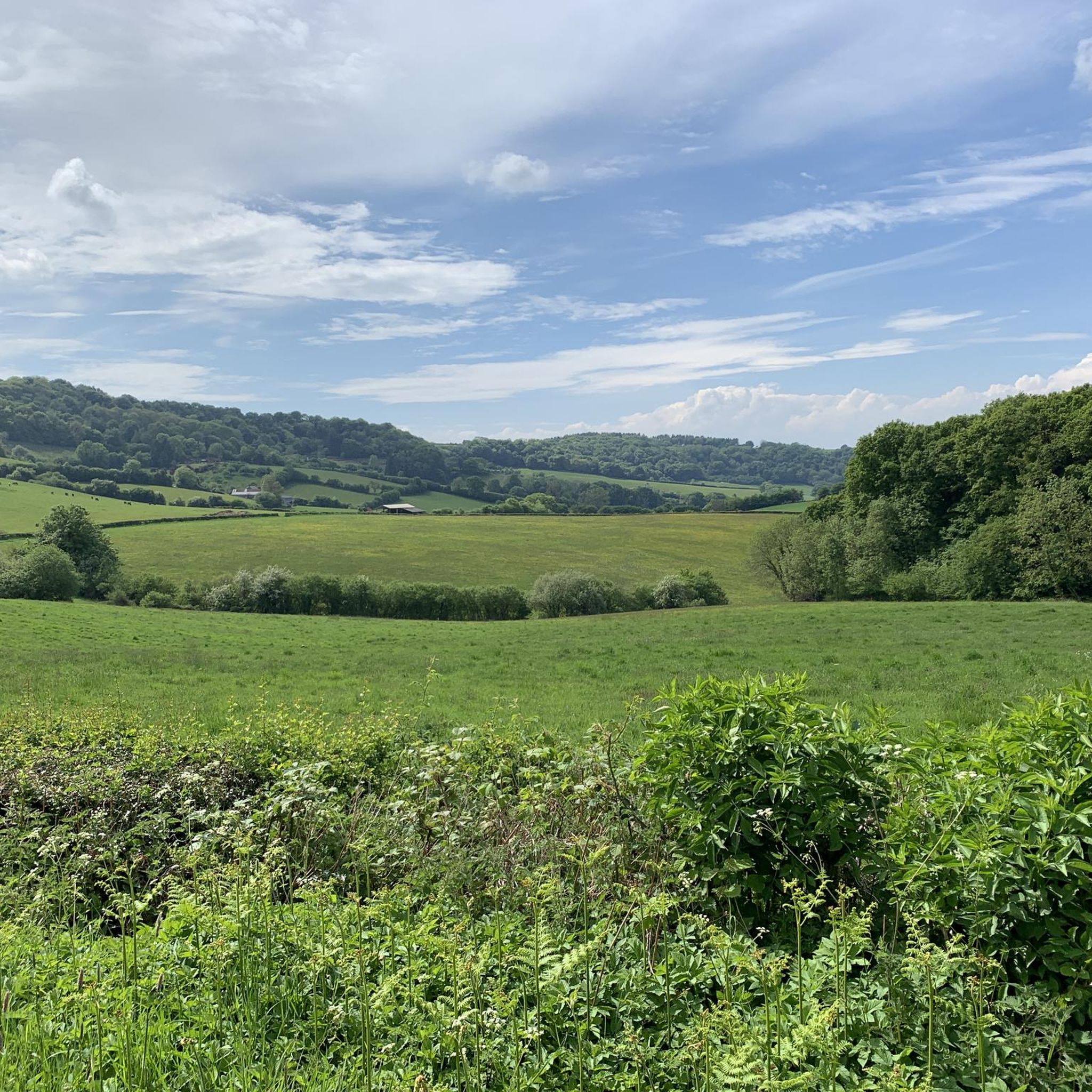
Enjoy the walk up from Clifford Mesne, and then taken in the expansive views. Don't miss the copse at the top, planted to commemorate Queen Victoria's Golden Jubilee.
0
0

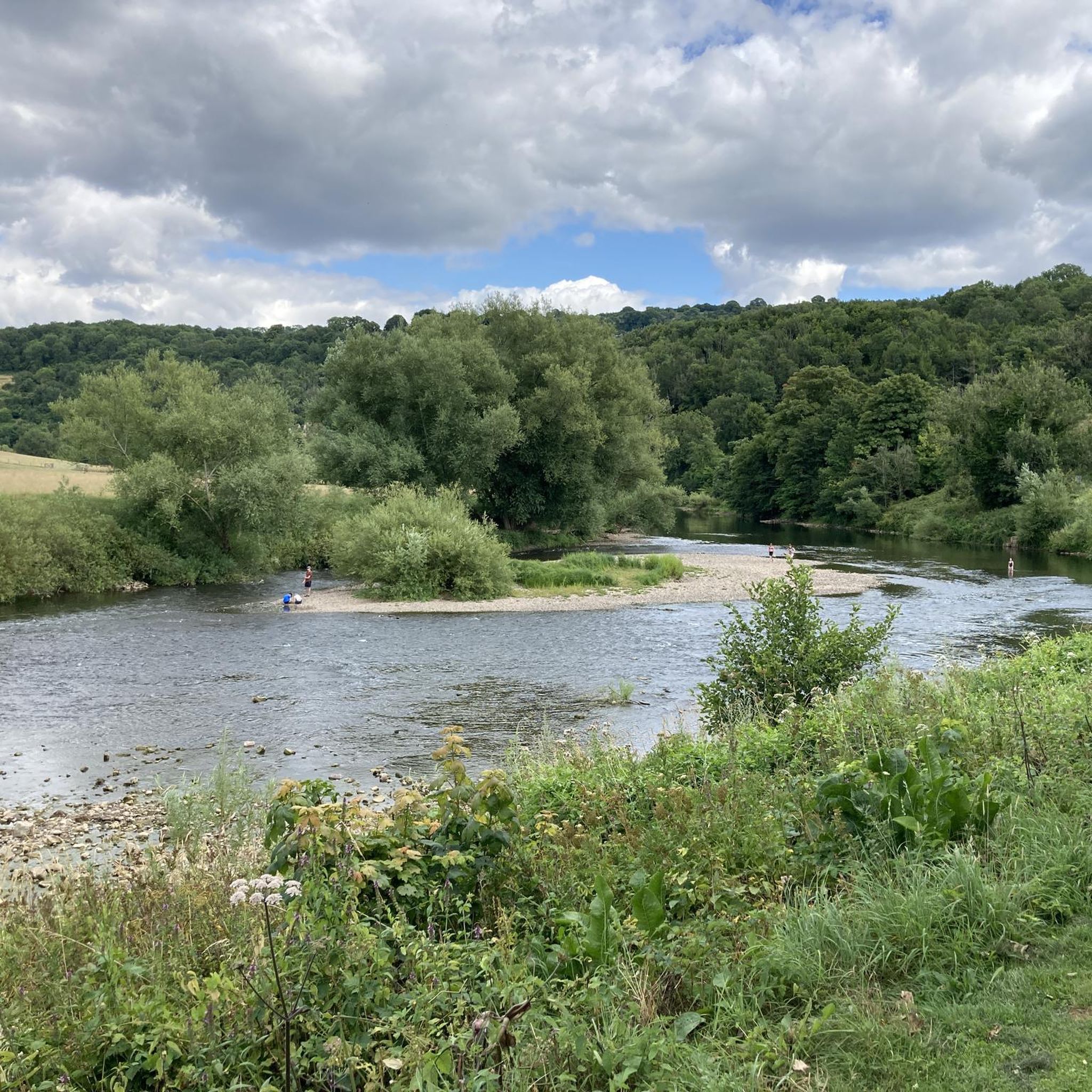
The Wye was voted the nation’s favourite river in 2010. It starts not far from my home town in Brecon in mid-Wales and trundles south for some 150 miles before meeting the Severn. I have forgotten how many times I have cycled it, run it and kayaked it. Simply my favourite place on earth!
0
0

Jump off the bike and head on foot down the footpath east of the road to reach the Symonds Yat Rock. Symonds Yat Rock harbours the remnants of an Iron Age hillfort, erected roughly 2,500 years in the past. Presently, this locale stands as a Scheduled Ancient Monument, where traces of the fortifications endure as a series of embankments and trenches. In more contemporary times, Yat Rock and the Wye Valley have gained renown as the birthplace of British tourism. Beginning in the 18th century, they achieved popularity thanks to the efforts of Reverend William Gilpin, a trailblazer of the 'Picturesque' movement. His literary works left an indelible mark on the appeal of English landscape painting and served as inspiration for Romantic poets. Symonds Yat Rock viewpoint enjoys a well-earned reputation as one of the nation's prime spots for observing peregrine falcons. Yet, with a touch of patience, a multitude of bird species can be sighted here. Goshawks offer close-up viewing, sparrowhawks are frequent denizens nesting among the valley's trees, while soaring buzzards often grace the skies. Spring and autumn migrations frequently draw ospreys to this locale, with tawny owls occasionally spotted. Meanwhile, nearby nesting sites typically host barn owls, ravens, and kestrels.
2
0

Doable on an MTB, but not by me without an electric motor.
0
0

The fourth-longest river in the UK, the Wye stretches 155 miles (250 km) from its source on Plynlimon in the Cambrian mountains to the Severn estuary. For much of its length, the Wye marks the border between England and Wales, with the lower section being designated an AONB. The Wye is important for nature conservation and recreation, but, particularly in recent years, is severely affected by pollution.
0
1
This pretty, wooded area with its network of small caves - the result of former quarrying - is a nature reserve with a rich variety of flora and fauna. Horseshoe bats and rare invertebrates such as the cave spider and hibernating herald moths make their homes within the caves.
0
0
Frequently Asked Questions
What are some popular natural monuments to visit around Drybrook?
Visitors frequently enjoy the panoramic views from May Hill Summit, which is distinct and visible for miles around. Another highly rated spot is View of the Wye Valley from Symonds Yat Rock, known for its stunning vistas and peregrine falcon sightings. For a unique geological and historical experience, King Arthur's Cave offers a glimpse into ancient human occupation.
Are there family-friendly natural monuments in the Drybrook area?
Yes, several natural monuments are suitable for families. Puzzlewood is a particularly enchanting ancient woodland site with strange rock formations, secret caves, and a maze of paths that children often love. The View of the Wye Valley from Symonds Yat Rock also offers easy access to breathtaking views, making it a great family outing.
What kind of geological features can I explore near Drybrook?
The Forest of Dean, surrounding Drybrook, is rich in geological interest. You can explore unique formations like the 'scowles' at Drybrook Quarry, which are natural depressions formed by the erosion of iron-rich limestone. King Arthur's Cave is another excellent example, being a limestone cavern with evidence of ancient human activity. Puzzlewood also features impressive scowles and rock formations.
What outdoor activities can I do near these natural monuments?
The area around Drybrook offers a variety of outdoor activities. You can find numerous hiking trails, ranging from easy to moderate, such as the 'Forest of Dean Family Trail' or routes around St Anthony's Well. For mountain biking enthusiasts, there are dedicated MTB trails like the 'Blue Verderers trail' or the more challenging 'Dragon's Back Trail'. You can explore more options for hiking or MTB trails in the region.
Are there any historical sites among the natural monuments?
Yes, several natural monuments also hold historical significance. King Arthur's Cave is a notable example, where flint tools and woolly mammoth bones have been unearthed, indicating human occupation during the Upper Palaeolithic era. Puzzlewood shows evidence of open-cast iron ore mining dating back to the Roman period, and Symonds Yat Rock harbors remnants of an Iron Age hillfort.
What is the best time of year to visit the natural monuments around Drybrook?
The natural monuments around Drybrook, particularly within the Forest of Dean, are beautiful year-round. Spring brings vibrant new growth and wildflowers, while autumn offers spectacular foliage. Summer is ideal for longer walks and outdoor activities. Even winter can be magical, with crisp air and unique views, though some paths might be muddy. Always check local conditions before your visit.
Are there any easy walks to natural monuments suitable for all abilities?
Yes, there are several easy routes. While specific accessibility details vary, many areas within the Forest of Dean offer relatively flat paths. For instance, the general Forest of Dean landscape provides extensive networks of trails. You can find a selection of easy hikes around Drybrook, such as the 'Hiking loop from Lydbrook' or 'Edgehills loop from Drybrook', which can lead to or pass by natural features.
Can I bring my dog to the natural monuments?
Most natural monuments and trails in the Forest of Dean are dog-friendly, provided dogs are kept under control, especially around wildlife and livestock. It's always best to check specific site regulations, but generally, areas like the extensive woodlands and trails are welcoming to dogs. Please remember to clean up after your pet.
Where can I find tranquil spots for nature observation near Drybrook?
For a peaceful connection with nature and wildlife spotting, Fairplay Pond near Plump Hill is an excellent choice. It's a small lake set within an idyllic forest, perfect for observing local wildlife. Woorgreens Lake and Nature Reserve, part of the broader Forest of Dean, is also noted for its dragonflies and offers serene walks.
What do visitors enjoy most about the natural monuments in this region?
Visitors particularly appreciate the diverse natural beauty, from the far-reaching views at May Hill Summit to the unique geological formations and ancient history of King Arthur's Cave. The extensive network of trails through ancient woodlands, the opportunity for wildlife observation, and the stunning panoramic viewpoints like Symonds Yat Rock are frequently highlighted as top attractions.
Are there any unique natural features beyond the main highlights?
Beyond the well-known highlights, the Forest of Dean itself is a remarkable natural area with over 110 square kilometers of mixed woodland, home to diverse wildlife including fallow deer and wild boar. The Wye Valley National Landscape, bordering the Forest, offers stunning riverside walks and opportunities for activities like canoeing, complementing the natural monuments within Drybrook's immediate vicinity.
Most popular routes around Drybrook
Most popular attractions around Drybrook

Get inspired with the komoot mobile app


Explore more
Extend your search for the best caves by checking out these guides of the top ones around Drybrook:
