Top 14 Natural Monuments around St Keverne
Best natural monuments around St Keverne are situated within the Cornwall Area of Outstanding Natural Beauty, offering a blend of dramatic coastal landscapes and unique geological formations. This region is characterized by its rugged cliffs, secluded coves, and significant natural heritage. Visitors can explore diverse environments, from vast heathlands to the southernmost tip of Britain, showcasing rich biodiversity and geological interest.
Best natural monuments around St Keverne
- The most popular natural monuments is Lizard Point, a viewpoint that marks…
Last updated: July 1, 2026
Lizard Point
Highlight • Viewpoint
Tip by

The Devil's Frying Pan
Highlight • Natural Monument
Tip by
Sign up now to discover places like this
Get recommendations on the best single tracks, peaks, & plenty of other exciting outdoor places.
Sign up for free
Kynance Cove
Highlight • Beach
Translated by Google •
Tip by

The Loe and Loe Bar
Highlight • Lake
Translated by Google •
Tip by
Coverack Harbour
Highlight • Settlement
Tip by
Sign up for free to discover even more natural monuments around St Keverne.
Sign up for free
Already have an account?
Start today with a free account
Your next adventure awaits.
Login or Signup
Popular around St Keverne
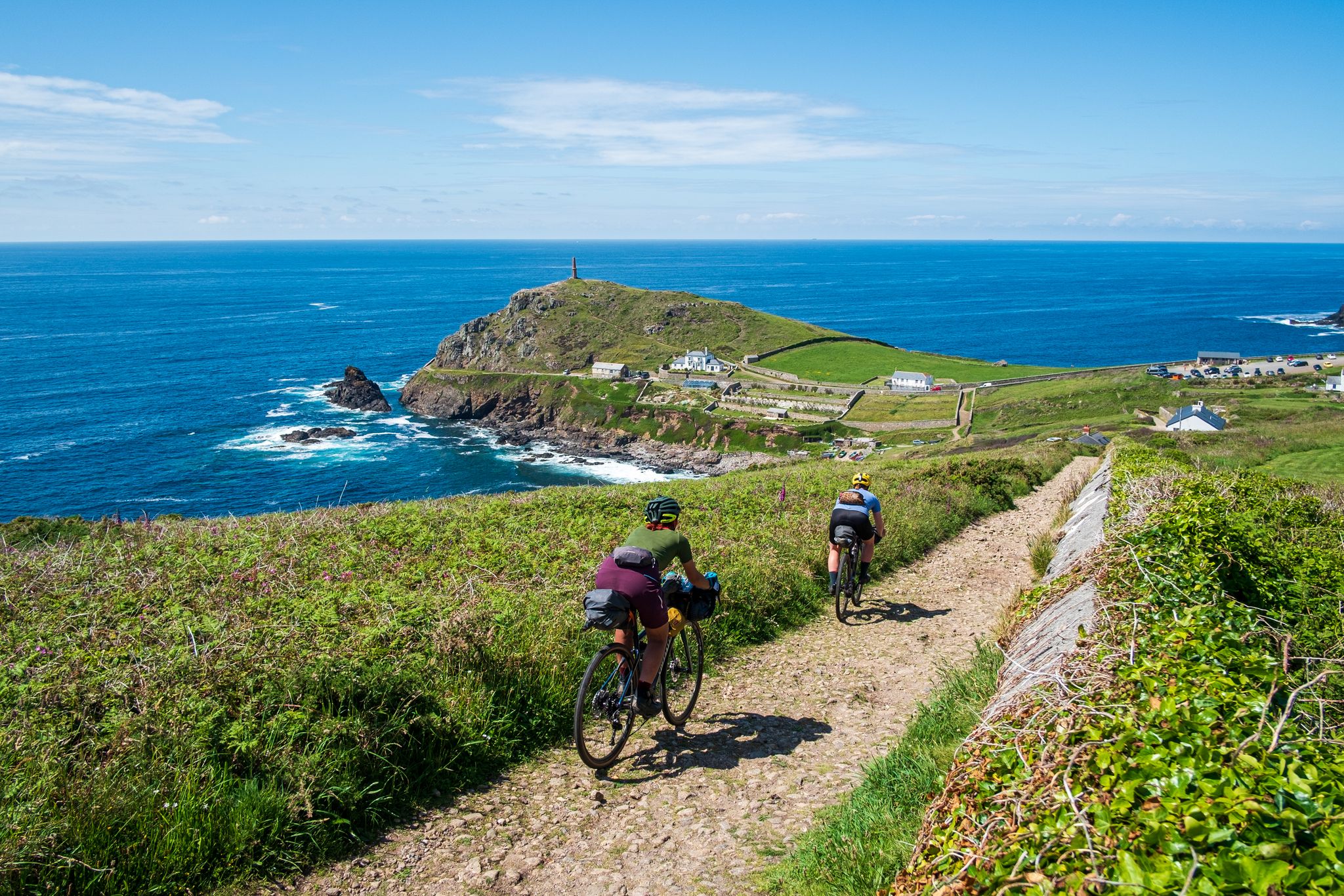
West Kernow Way — Bikepacking the rugged wild west of Cornwall
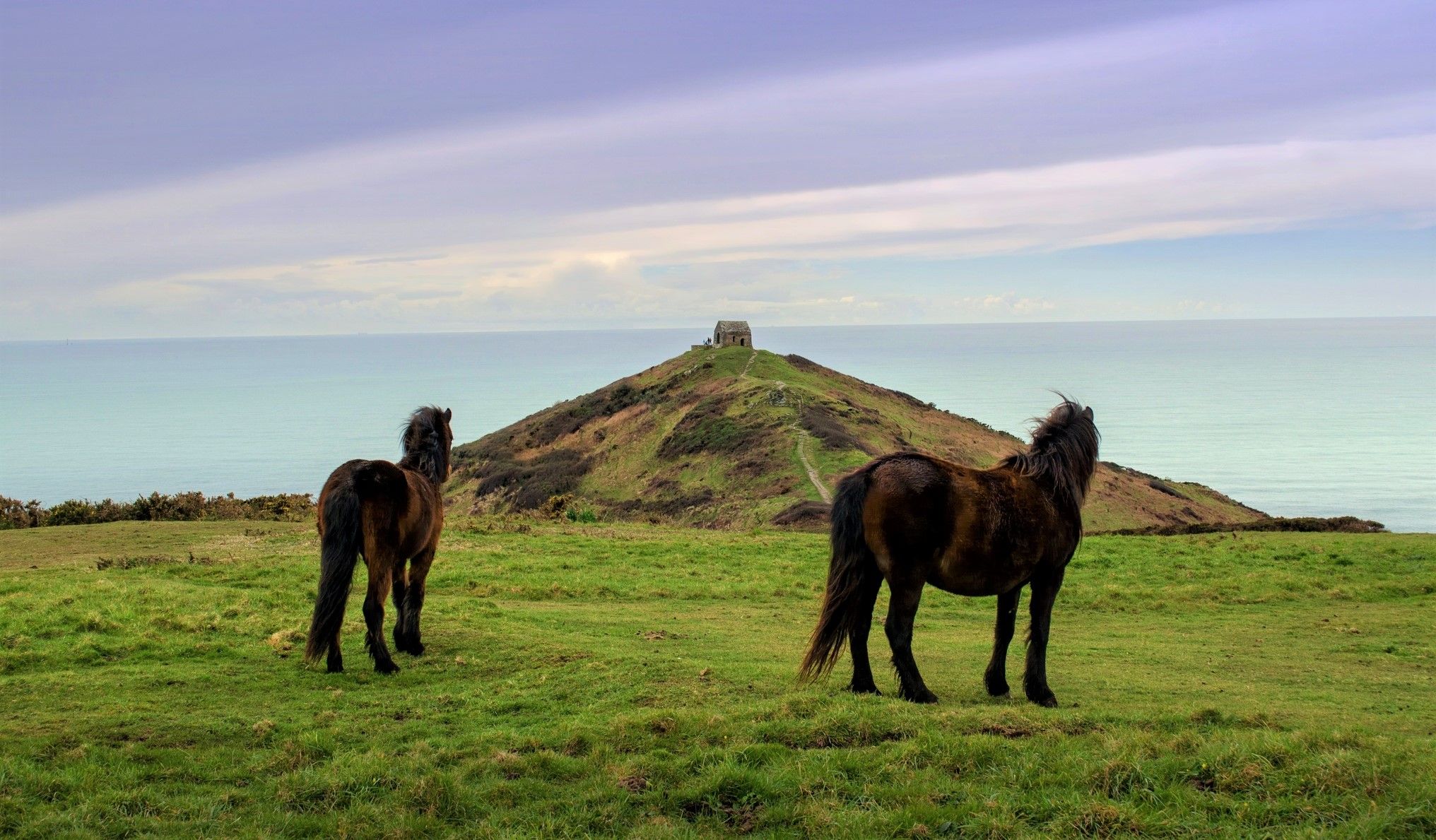
South West Coast Path — Part 3 — Conquer Britain's longest trail
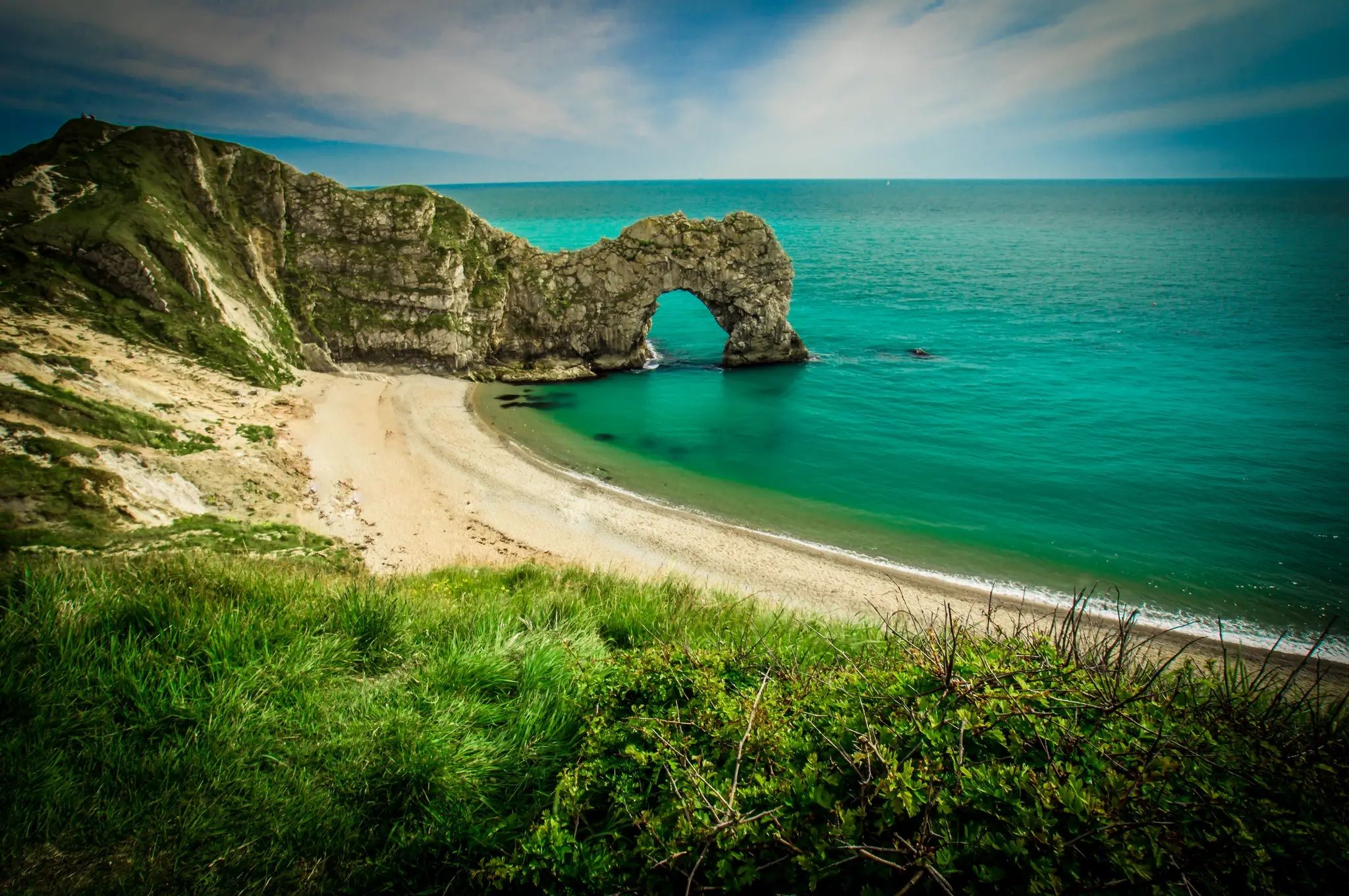
South West Coast Path — Explore Britain's longest trail
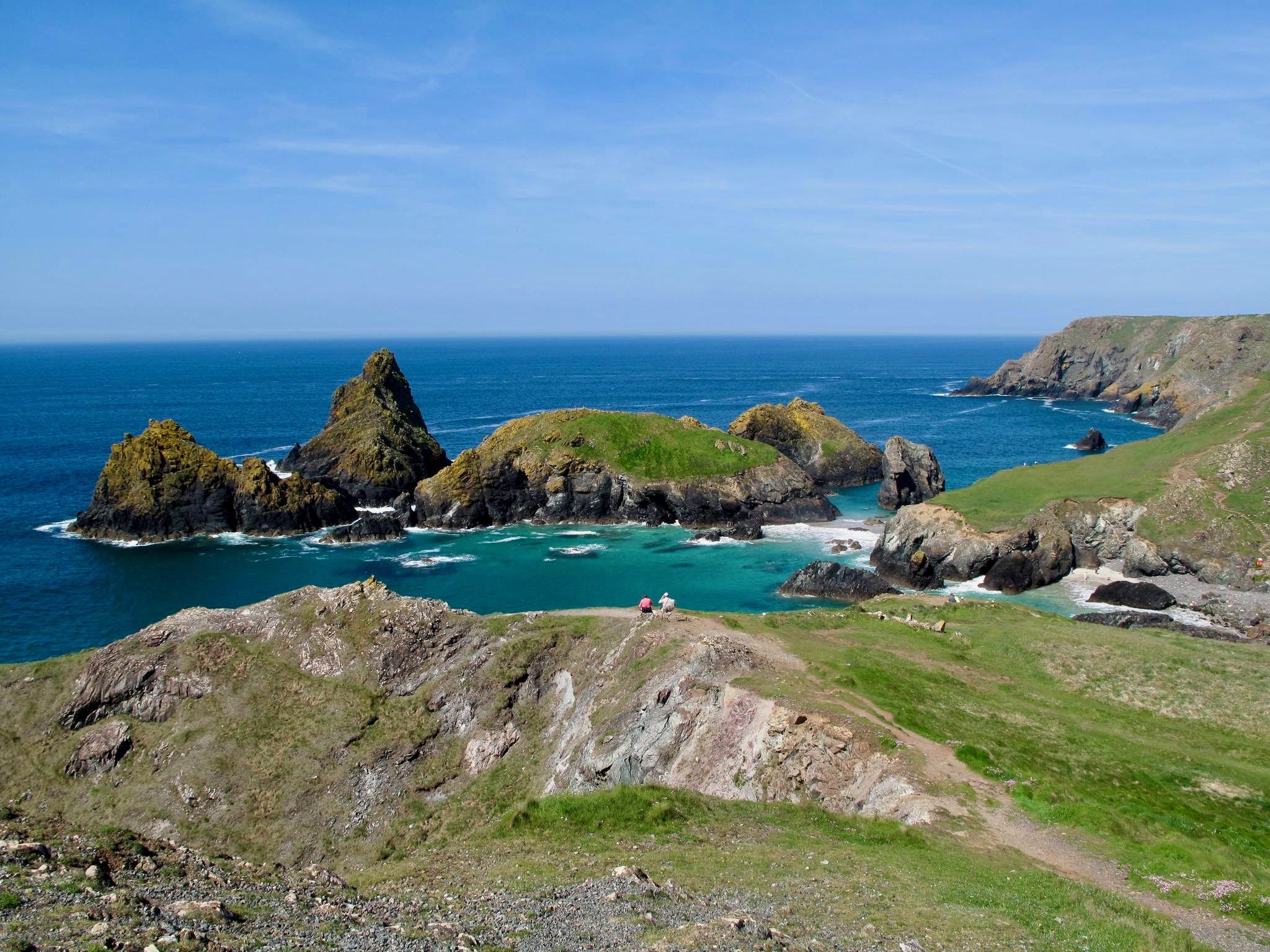
Cornwall's coastline — cliffs, ocean and a charming way of life
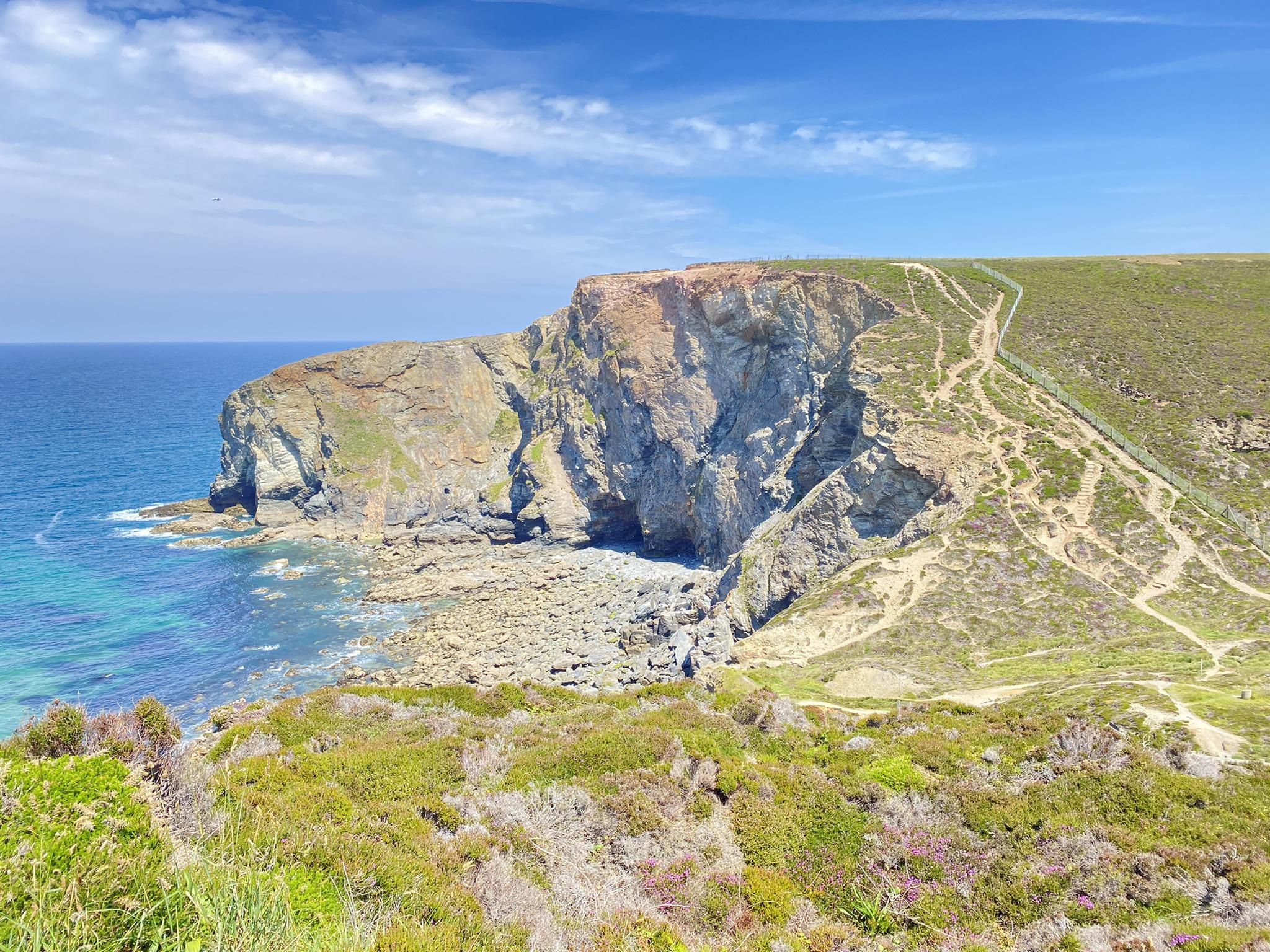
Running Cornwall's wild Atlantic coast - Arc of Attrition by UTMB
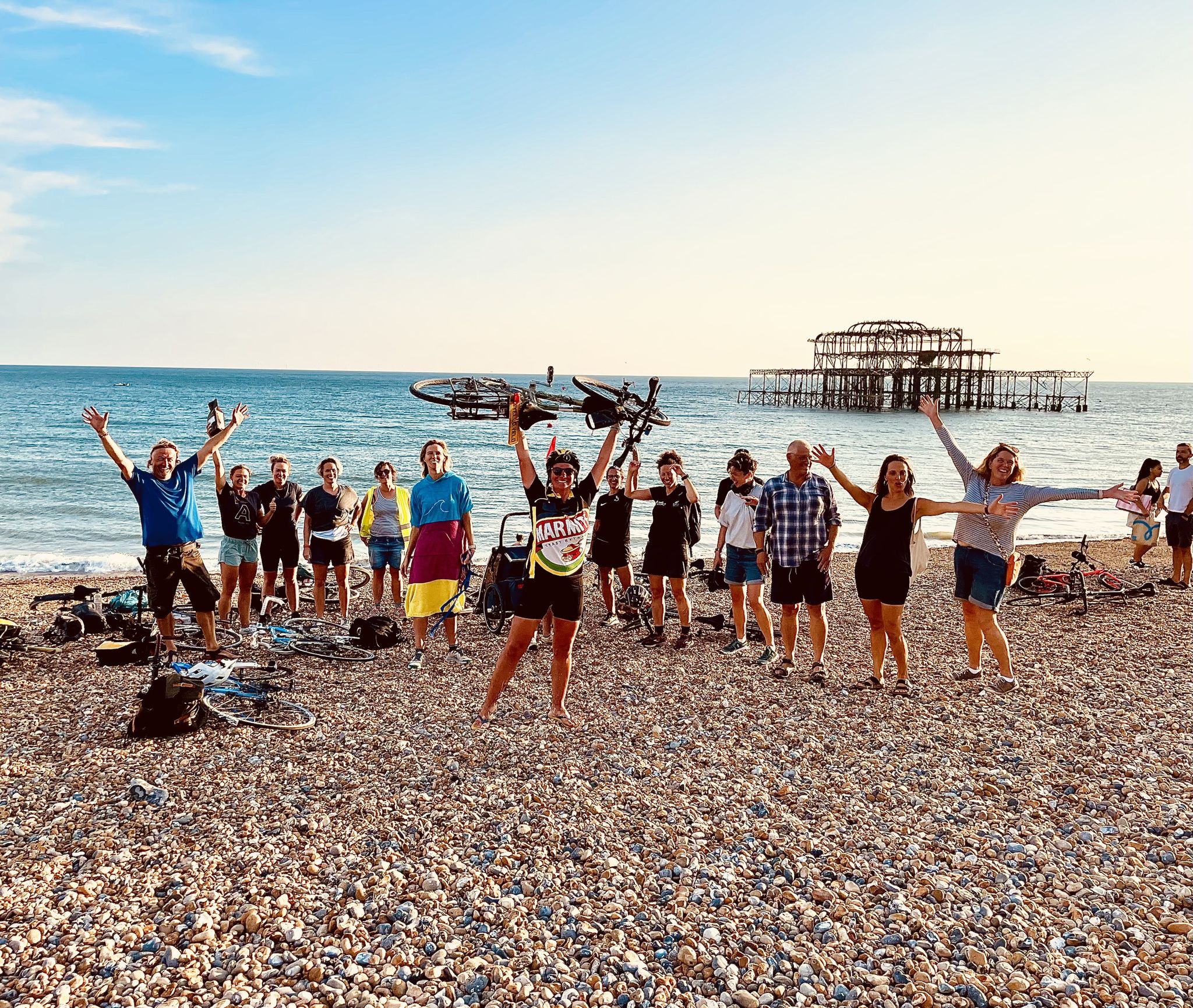
Around the edge in 80 days — cycling the coastline of Britain
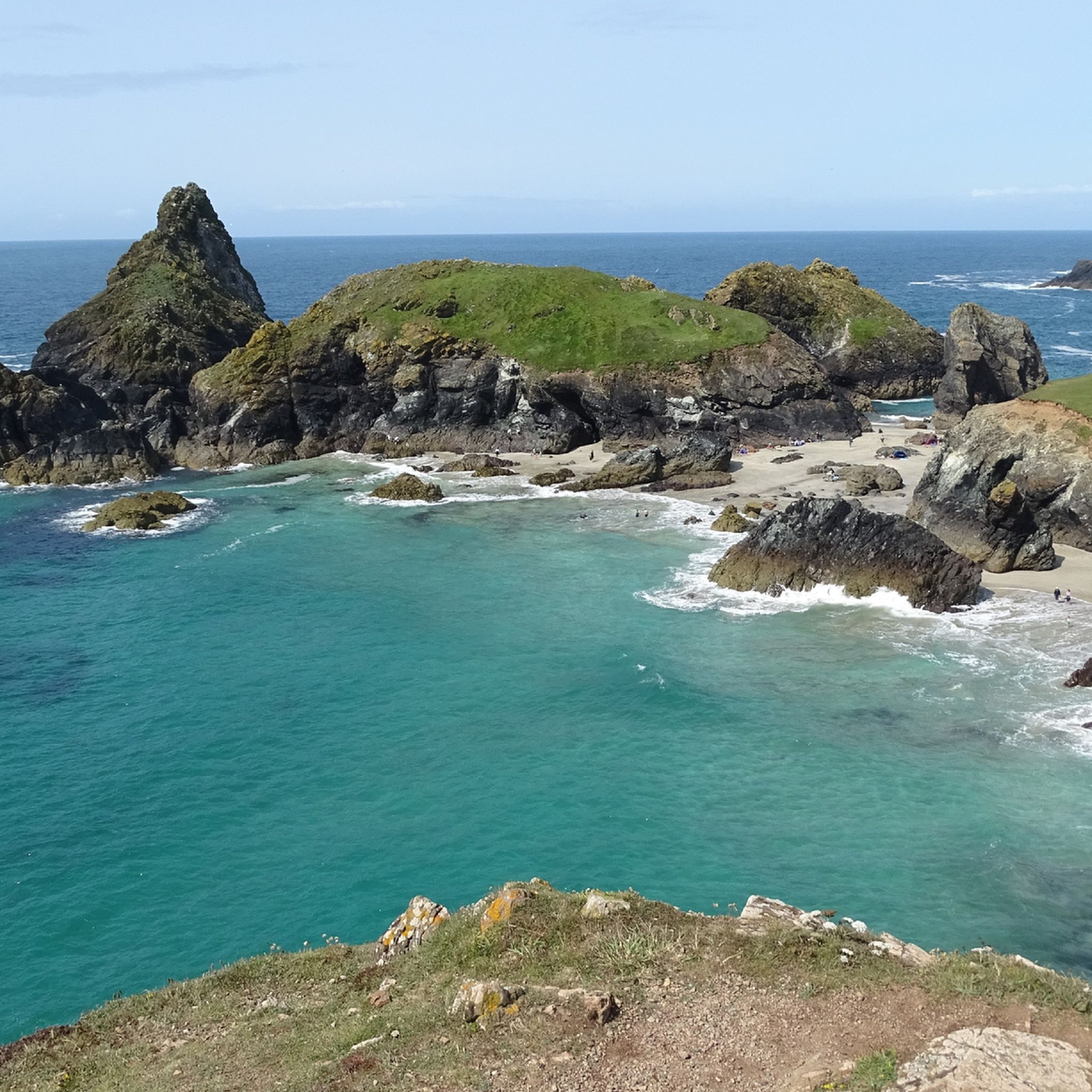
Hiking around St Keverne
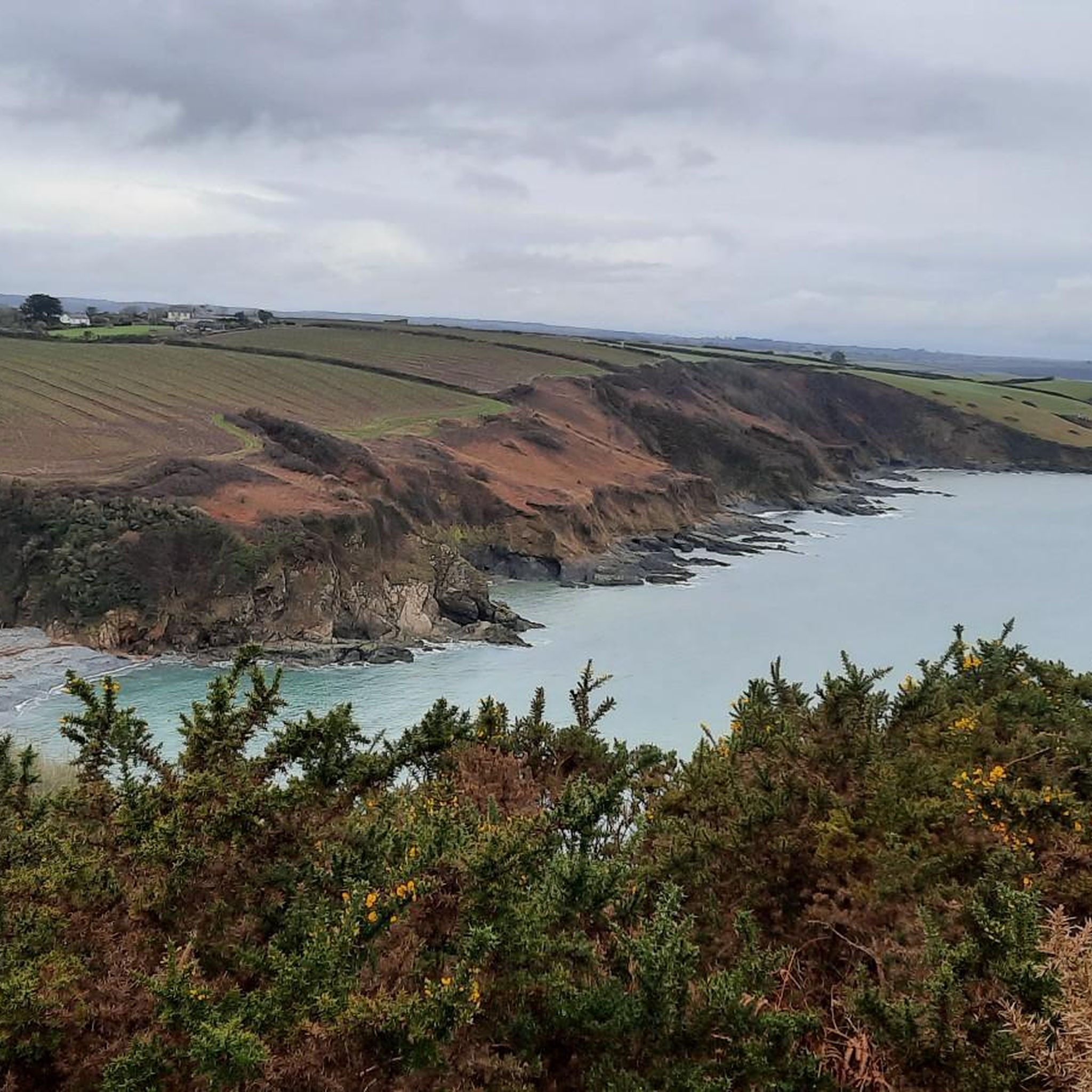
Cycling around St Keverne
Road Cycling Routes around St Keverne
Running Trails around St Keverne
Other adventures around St Keverne


Tips from the Community


Lovely walk, lots of interesting and varied scenery. We did it on a good November day and some short sections inland were very muddy
0
0

We've always done the hike the other way around to experience the highlights of the second part of the cliff hike. The original harbor is used for the village fishermen. A great experience to experience the joy of the fishermen from the fishing.
0
1

absolutely gorgeous bay! One of my favorites in Cornwall. Unfortunately, dogs are not allowed.
1
2

Beautiful, but also very crowded due to the nearby parking lot,
1
1

This is a nice combination. From Loe Baar you have a view of the sea on one side and a view of a freshwater lake on the other. This allows you to walk completely around the lake.
12
0
Loe Bar was originally the mouth of the River Cober which led to a harbor at Helston. However, by the 13th century the bar had cut Helston off from the sea and formed the lake. Loe Bar consists largely of chert deposits, although it is not certain where this comes from as the nearest source is more than 200 kilometers away. There is also a reasonable amount of sand. (Cornwall Beaches)
13
1
The Devil's Frying Pan was formed from the collapsed roof of a sea cave that left behind this fantastic rock arch.
7
0
Frequently Asked Questions
What unique natural features can I explore around St Keverne?
The area around St Keverne, within the Cornwall Area of Outstanding Natural Beauty, offers a diverse range of natural features. You can visit Lizard Point, the southernmost tip of Britain, known for its unique geology and rare flora. Explore The Devil's Frying Pan, a dramatic sea cave collapse forming an impressive arch and deep hole. Additionally, discover The Loe and Loe Bar, Cornwall's largest natural freshwater lake separated from the sea by a shingle bank. Beyond these, the region boasts vast heathlands like Goonhilly Downs and numerous picturesque coastal coves.
What kind of wildlife can I spot near St Keverne's natural monuments?
The natural monuments around St Keverne are rich in wildlife. The cliffs surrounding Lizard Point are particularly rich in diverse flora. Along the South West Coast Path, you might spot seals basking on rocks, and during autumn and winter migrations, there's even a chance to see humpback whales. The Manacles Marine Conservation Zone is a haven for marine life, popular with divers for its rich underwater ecosystem including maerl beds, anemones, sea cucumbers, and sea urchins.
Are there family-friendly natural monuments to visit near St Keverne?
Yes, several natural monuments around St Keverne are suitable for families. Lizard Point offers facilities and is a great spot for nature watching. Kynance Cove is another excellent choice, featuring a beautiful beach, cafe, and toilets, though it can get very busy during peak season. Coastal coves and beaches like Porthoustock and Porthallow also provide accessible points for enjoying the maritime atmosphere.
What outdoor activities are available near the natural monuments around St Keverne?
The area around St Keverne offers a variety of outdoor activities. You can explore numerous hiking trails, including easy options like the 'Seal Bay – Lowland Point loop from Coverack' or the 'Trenoweth Valley Woods – Porthoustock Beach and Quarry loop from St. Keverne'. For more details on hiking routes, visit the Easy hikes around St Keverne guide. Mountain biking and road cycling routes are also available, with options like the 'Penrose Estate – Loe Bar loop' for MTB or the 'Cadgwith Cove & Poldhu Beach loop' for road cycling. Find more cycling routes in the MTB Trails around St Keverne and Road Cycling Routes around St Keverne guides.
What is the best time of year to visit the natural monuments in St Keverne?
The best time to visit the natural monuments around St Keverne largely depends on your interests. Spring (April-May) is ideal for seeing wildflowers, including bluebells, along the South West Coast Path. Summer offers warmer weather for beach activities at places like Kynance Cove. Autumn and winter can be dramatic, offering opportunities to spot migrating humpback whales and experience the rugged beauty of the coastline, though care should be taken in bad weather, especially at sites like The Devil's Frying Pan.
Are there any historical or geological points of interest among the natural monuments?
Absolutely. The region is rich in both history and geology. The Devil's Frying Pan is a geological marvel formed from a collapsed sea cave. The Loe and Loe Bar has a fascinating geological history, being a shingle bank that cut off the River Cober from the sea. Goonhilly Downs, while a natural heathland, also contains over 65 Bronze Age barrows and a standing stone, blending natural beauty with ancient history. The Manacles Reef is notorious for its maritime history, having caused thousands of shipwrecks over centuries.
Can I bring my dog to the natural monuments around St Keverne?
Many areas around St Keverne, especially the South West Coast Path and Goonhilly Downs, are dog-friendly. However, specific restrictions may apply to certain beaches or nature reserves, particularly during peak seasons or for the protection of wildlife. It's always best to check local signage and keep dogs on leads where livestock or sensitive wildlife are present. Always ensure to clean up after your dog.
What are the terrain and difficulty levels for walks around St Keverne's natural monuments?
The terrain around St Keverne varies significantly. The South West Coast Path offers a range of routes, from gentle trails through wildflowers to more challenging climbs up steep headlands. Goonhilly Downs provides extensive walking opportunities across open heathland. Some natural monuments, like The Devil's Frying Pan, might involve uneven ground or cliff-edge paths, requiring caution. Generally, you can find walks suitable for various abilities, from easy strolls to intermediate hikes.
Are there cafes or pubs near the natural monuments for refreshments?
Yes, you'll find options for refreshments near several natural monuments. Lizard Point has cafes and shops. Kynance Cove features the Kynance Cove Café with views over the bay. The fishing village of Coverack Harbour also offers food and drink options. Many coastal villages and towns along the South West Coast Path provide pubs and cafes for visitors.
What makes the coastline around St Keverne particularly special?
The coastline around St Keverne is renowned for its dramatic beauty and geological significance. It forms part of the South West Coast Path, offering breathtaking views across the Atlantic Ocean, rugged cliffs, and secluded coves. The geology is notable, featuring unique rock types such as hornblende, diallage, and gabbro. This diverse landscape supports rare plant species and provides excellent opportunities for wildlife spotting, making it a truly special part of Cornwall.
How long should I plan for visiting the natural monuments?
The time needed to visit natural monuments around St Keverne varies. For specific highlights like Lizard Point or The Devil's Frying Pan, you might spend an hour or two exploring. If you plan to combine visits with walks along the South West Coast Path or explore areas like Goonhilly Downs, you could easily spend half a day or a full day. For example, a cliff walk from Lizard to Kynance Cove and back can take approximately three hours for 6 km.
Is public transport available to reach the natural monuments?
While St Keverne and the surrounding villages have some local bus services, direct public transport to all natural monuments can be limited. Many visitors opt for personal vehicles or combine bus travel with walking. It's advisable to check local bus schedules in advance, especially for more remote locations. Parking is often available near popular sites like Lizard Point and Kynance Cove.
Most popular routes around St Keverne
Most popular attractions around St Keverne

Get inspired with the komoot mobile app


Explore more
Extend your search for the best caves by checking out these guides of the top ones around St Keverne:
