Top 6 Natural Monuments around St. Anthony-In-Meneage
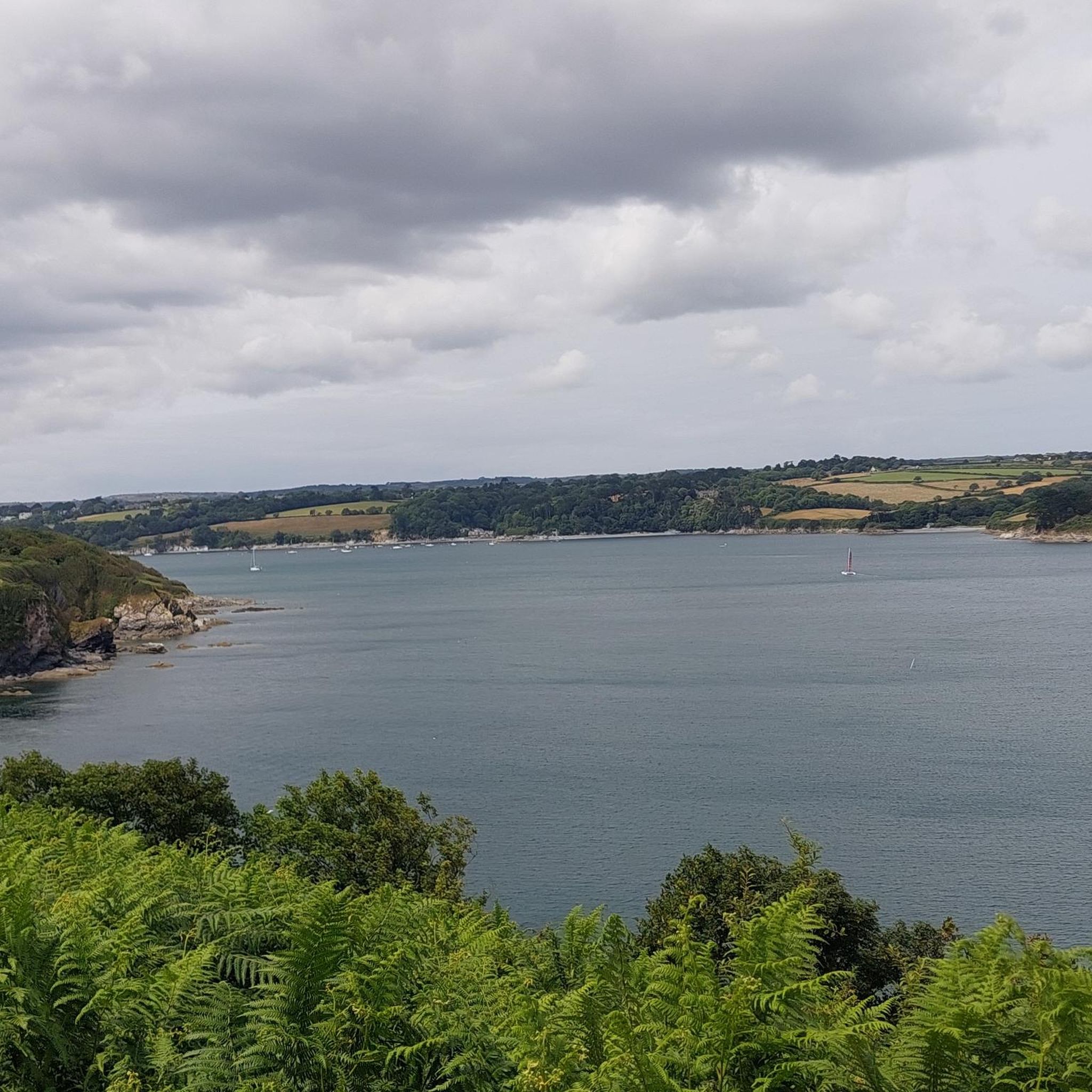
Best natural monuments around St. Anthony-In-Meneage Cornwall are found in a picturesque hamlet situated between the Helford River and Gillan Harbour. This area is characterized by coastal landscapes and tranquil waterways. The region is part of the Cornwall Area of Outstanding Natural Beauty, offering diverse natural features. Visitors can explore tidal creeks, historical promontories, and scenic coastal paths.
Best natural monuments around St. Anthony-In-Meneage
- The most popular natural monument is Coverack Harbour, a settlement that features a traditional fishing…
Last updated: July 1, 2026
Coverack Harbour
Highlight • Settlement
Tip by

Lowland Point
Highlight • Historical Site
Tip by
Sign up now to discover places like this
Get recommendations on the best single tracks, peaks, & plenty of other exciting outdoor places.
Sign up for free
Pendennis Point
Highlight • Castle
The name comes the Cornish Pen (Headland) and Dynas (Castle).
Dolphins and …
Tip by

Trebah Garden
Highlight • Natural
Translated by Google •
Tip by

The Lizard National Nature Reserve
Highlight • Viewpoint
Over 250 species of national …
Tip by
Sign up for free to discover even more natural monuments around St. Anthony-In-Meneage.
Sign up for free
Already have an account?
Start today with a free account
Your next adventure awaits.
Login or Signup
Tips from the Community

Beautiful gardens which extend to a small beach.
0
0

In prehistoric times when the sea was higher, this was a beach. Look north east from here and you can see the manacles, a hidden granite reef which has been the cause of hundreds of shipwrecks.
0
0

The monument includes a complex multi-period archaeological landscape of settlements, field systems and various manufacturing sites, situated on a wide band of sloping coastal cliffs between Lowland Point and Coverack. The archaeological remains survive as extensive standing rectilinear fields and enclosures; stone hut circles and other settlement sites; and their associated buried deposits and features which range in date from the Mesolithic to the early medieval periods. There have been numerous partial excavations, mainly from the first half of the 20th century, which have provided considerable information about the site. Chronologically, the earliest evidence for use of the area is a Mesolithic flint working site on a platform on the southwestern side of Carrick Crane Rocks. Excavated in 1933, it produced around 650 worked flints and some Iron Age pottery. Several chance finds of Neolithic pottery have been made, hinting at the occupation of the area during this period. Several of the hut circles, at least one of which had an annexe, have also been excavated with recorded finds from these including pottery (Bronze Age to Iron Age), stone rubbers and an iron blade. The settlements were associated with an extensive field system of rectilinear fields and enclosures covering over 4 hectares. A Romano-British salt working site of the 2nd century AD was also identified. Here salt was evaporated from sea water in two rectangular, superimposed stone-built ovens housed in an oval building and connected with a field system which extended for over a hectare. Large quantities of pottery were recovered from the salt works and its walls, as excavated, stand up to 1m high. An early medieval settlement of two dwellings with associated irregular enclosures was also excavated and found to contain an assemblage of at least 60 vessels from 500 - 900 AD, the majority of which came from one building identified as the site of a kiln. The various excavators, surveyors and specialists included: OP Serocold, G Maynard, FM Patchett, DPS Peacock, J Manehip White, V Favell, C Thomas, and H Quinnell. Further extensive archaeological remains survive in the vicinity and are not currently included in the scheduling because they have not been formally assessed. Sources: HER:- PastScape Monument No:-426434, 426440, 426449, 426452, 426443 and 426521,
0
0

You will find food and drink in Coverack. it is a pleasant place to relax.
8
0
Coverack is a pleasant fishing village with a fishing harbor and sandy beach. At the moment (2022) the beach is being worked on so that it is only partially accessible.
7
0
This is a very picturesque part of Coverack, pleasant to walk through.
7
0
Pendennis point provides beautiful views of the coast and is only a very short distance from busy Falmouth. The name comes the Cornish Pen (Headland) and Dynas (Castle). Dolphins and Basking Sharks have been spotted here along with more frequent visits from seals. Pendennis Castle began life in the 16th Century as a gun fort and has guarded the entrance to Carrick Roads (Falmouth Estuary) since. It is looked after by English Heritage and open to visitors.
0
0
The Lizard NNR is one of the largest nature reserves in the South West. The reserve itself reaches across to Mullion Cove to near Coverack. Over 250 species of national and international importance are found here such as the dwarf rush and wild asparagus. This area of Heathland boasts a carpet of orchids and violets in the early summer and gorse and heather by late summer.
1
0
Frequently Asked Questions
What are some unique natural monuments to visit around St. Anthony-In-Meneage?
Beyond the well-known spots, consider exploring Lowland Point, which features a complex archaeological landscape with settlements and field systems from various periods, alongside a raised beach from prehistoric times. Another unique spot is Trebah Garden, a sub-tropical paradise leading down to a private beach on the Helford River.
What kind of natural features can I expect to see in the St. Anthony-In-Meneage area?
The region is characterized by stunning coastal landscapes, tranquil waterways, and diverse natural features. You'll find tidal creeks like Gillan Creek, historical promontories such as Dennis Head offering expansive views, and beautiful estuaries along the Helford River. The area is also part of the Cornwall Area of Outstanding Natural Beauty, ensuring a rich variety of flora and fauna.
Are there family-friendly natural monuments around St. Anthony-In-Meneage?
Yes, several natural monuments are suitable for families. Trebah Garden is a great option, offering beautiful gardens that extend to a small beach. Pendennis Point, with its castle and coastal views, is also family-friendly, providing opportunities to spot wildlife like dolphins and seals. The Lizard National Nature Reserve is another excellent choice for families to explore the diverse heathland and coastal scenery.
Where can I go birdwatching near St. Anthony-In-Meneage?
The area offers excellent birdwatching opportunities. Gillan Creek is a secluded spot known for species like Mute Swan, Common Shelduck, Mallard, and Common Scoter. During winter, Dennis Head provides a vantage point to spot diverse birdlife, including Great Northern Diver, Black-throated Diver, and Common Eider. The Lizard National Nature Reserve also hosts a variety of bird species within its extensive heathland.
What historical sites are integrated with the natural monuments in this region?
Many natural sites here have historical significance. Lowland Point features a remarkably complex archaeological landscape with settlements and field systems dating from the Mesolithic to early medieval periods, along with a raised beach. Dennis Head, a prominent headland, is the site of prehistoric earthworks, including an early Celtic fort. Pendennis Point is home to Pendennis Castle, a 16th-century gun fort that has guarded the Falmouth Estuary for centuries.
Are there any good viewpoints to enjoy the coastal scenery?
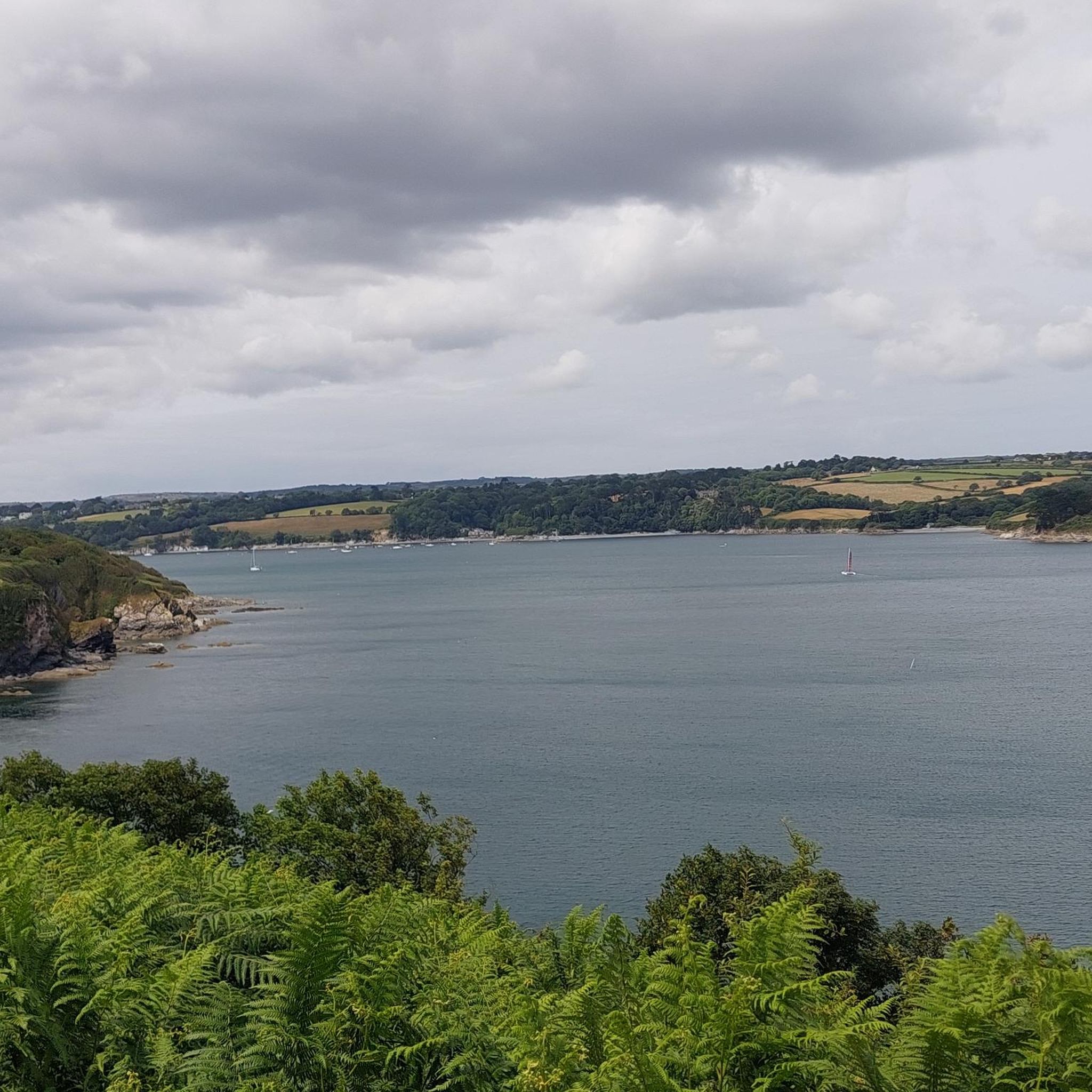
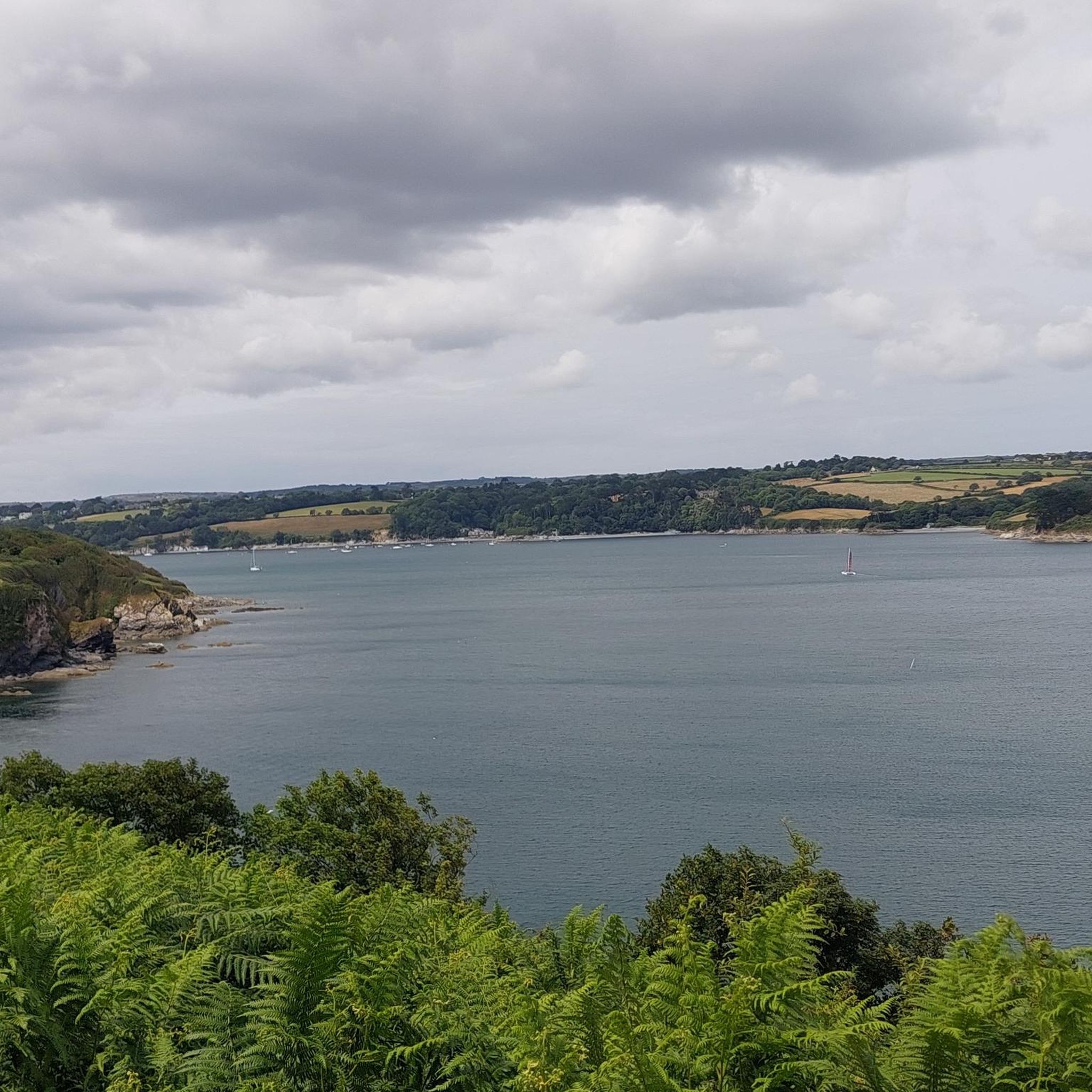
Absolutely. Pendennis Point offers beautiful views of the coast and Falmouth Bay. Dennis Head also provides excellent viewpoints over Falmouth Bay. Additionally, The Lizard National Nature Reserve boasts great views across its expansive natural landscape and coastline.
What outdoor activities can I do near these natural monuments?
The region is ideal for various outdoor activities. You can enjoy hiking and walking along the South West Coast Path, which traverses the coastline. Boating is popular on the Helford River and Gillan Creek. Birdwatching is also a rewarding activity at locations like Gillan Creek and Dennis Head. For more structured routes, explore options for hiking, mountain biking, and road cycling in the surrounding area.
Are there hiking trails near the natural monuments?
Yes, the South West Coast Path offers extensive hiking opportunities, providing access to various natural points of interest, including the shores of Gillan Harbour and Dennis Head. For specific routes, you can find trails like the 'Dennis Head, Gillan Creek & Penarvon Cove loop from Helford' or the 'Frenchman's Creek loop from Helford'. More hiking options are available in the hiking guide for St. Anthony-In-Meneage.
What is the best time to visit the natural monuments around St. Anthony-In-Meneage?
The area is beautiful year-round, but each season offers unique experiences. Early summer is ideal for seeing a carpet of orchids and violets at The Lizard National Nature Reserve, while late summer brings gorse and heather. Winter can be excellent for birdwatching, particularly at Dennis Head, where you might spot various diver species. The South West Coast Path is accessible in most seasons, though coastal paths can be exposed in strong winds.
What do visitors enjoy most about the natural monuments in St. Anthony-In-Meneage?
Visitors appreciate the serene beauty and the opportunities for outdoor activities. Many enjoy the traditional fishing village atmosphere and stunning beach at Coverack Harbour, noting its Cornish history. The beautiful views of the coast from Pendennis Point and the diverse flora at Trebah Garden are also highly praised. The overall appeal lies in the combination of natural landscapes, historical context, and wildlife spotting opportunities.
Are there any hidden natural gems to discover?
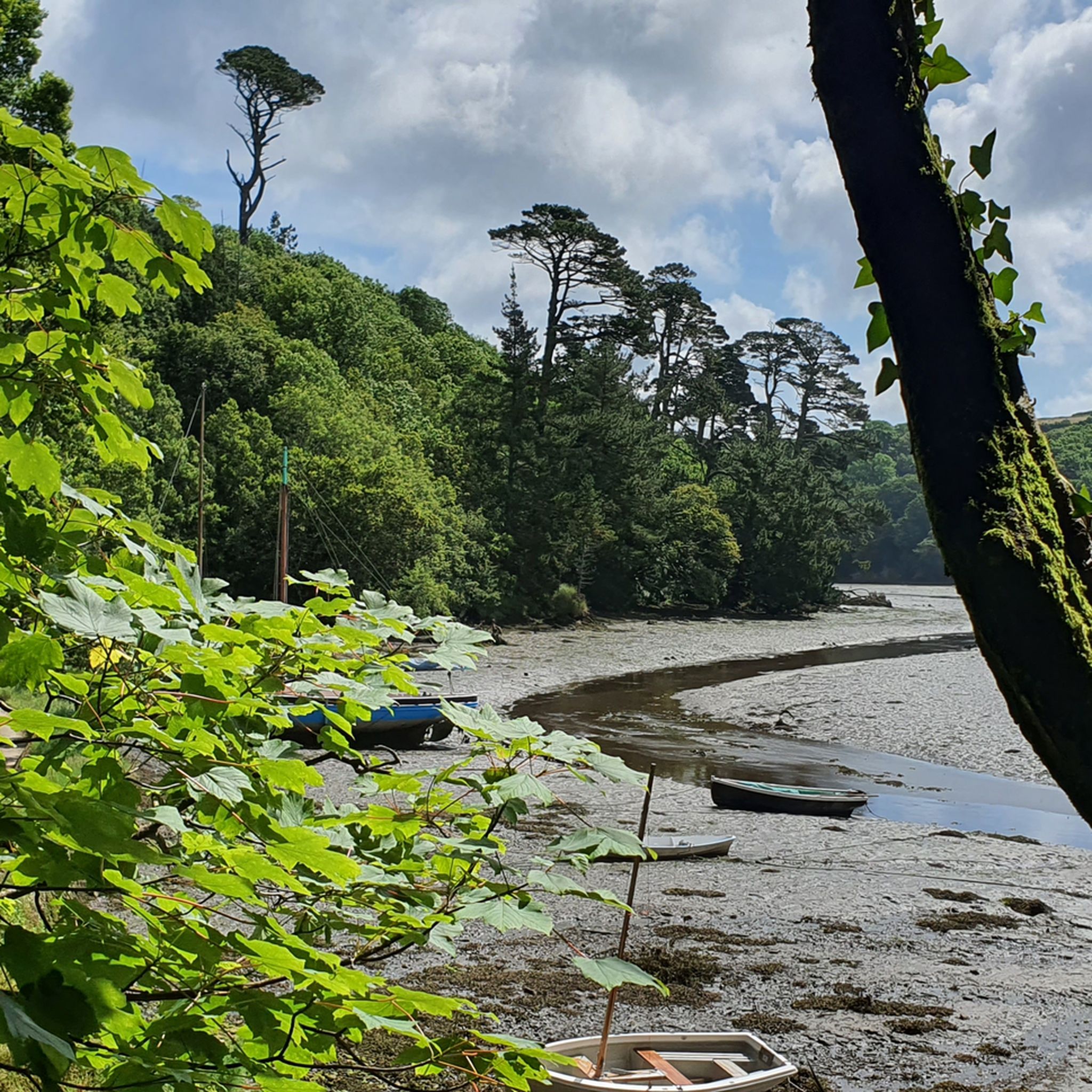
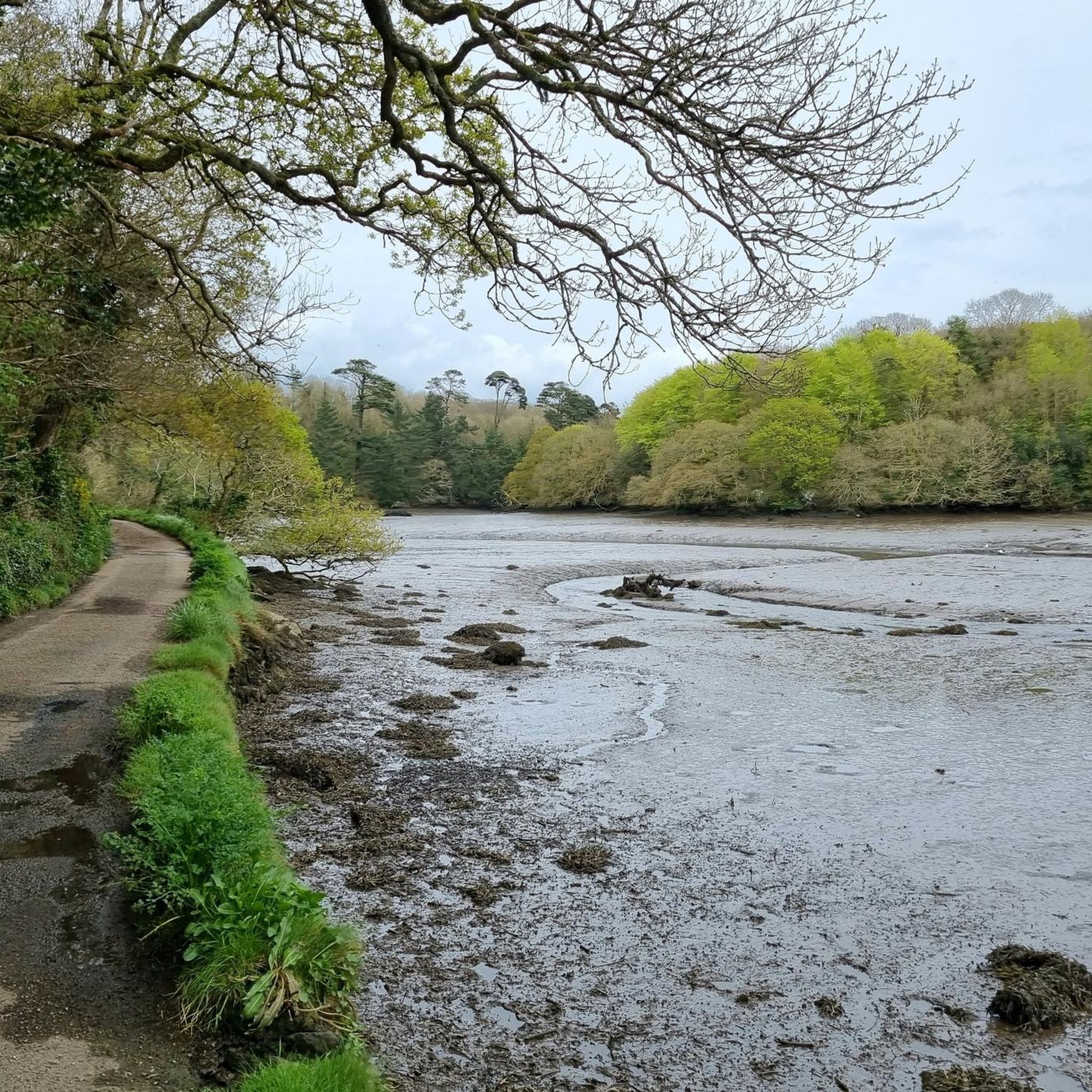
Gillan Creek, while known, is often described as a secluded and peaceful 'gem' for its tranquil environment and birdwatching opportunities, especially with its unique stepping stones at low tide. Exploring the less-trafficked sections of the South West Coast Path around the Helford River and Gillan Harbour can also reveal quiet coves and stunning, unspoiled views away from the main tourist spots.
What kind of wildlife can I expect to see?
The region is rich in wildlife. At Gillan Creek, you can spot various bird species like Mute Swan, Common Shelduck, Mallard, and Common Scoter. From Pendennis Point, dolphins and seals are frequently sighted, and even basking sharks have been known to appear. The Lizard National Nature Reserve is home to over 250 species of national and international importance, including unique flora like dwarf rush and wild asparagus, and a variety of insects and smaller mammals within its heathland.
Most popular routes around St. Anthony-In-Meneage
Most popular attractions around St. Anthony-In-Meneage

Get inspired with the komoot mobile app


Explore more
Extend your search for the best caves by checking out these guides of the top ones around St. Anthony-In-Meneage:
