Top 20 Natural Monuments around Zennor
Best natural monuments around Zennor are found on the rugged Atlantic coast of Cornwall, England, featuring a dramatic and wild landscape. This region is characterized by granite cliffs, ancient megalithic sites, and secluded coves. The area offers diverse geological features and a sense of ancient history, making it a notable destination for exploring natural landmarks.
Best natural monuments around Zennor
- The most popular natural monuments is Cape Cornwall Chimney Monument, a man-made monument located on a distinctive headland. This…
Last updated: August 24, 2026
Cape Cornwall Chimney Monument
Highlight • Monument
Tip by

St Michael's Mount
Highlight • Castle
Tip by

Sign up now to discover places like this
Get recommendations on the best single tracks, peaks, & plenty of other exciting outdoor places.
Sign up for free
Man's Head Rock Formation
Highlight • Natural Monument
Tip by
Men-an-Tol Stone Circle
Highlight • Monument
Translated by Google •
Tip by

Lanyon Quoit
Highlight • Natural Monument
Tip by

Sign up for free to discover even more natural monuments around Zennor.
Sign up for free
Already have an account?
Start today with a free account
Your next adventure awaits.
Login or Signup
Popular around Zennor
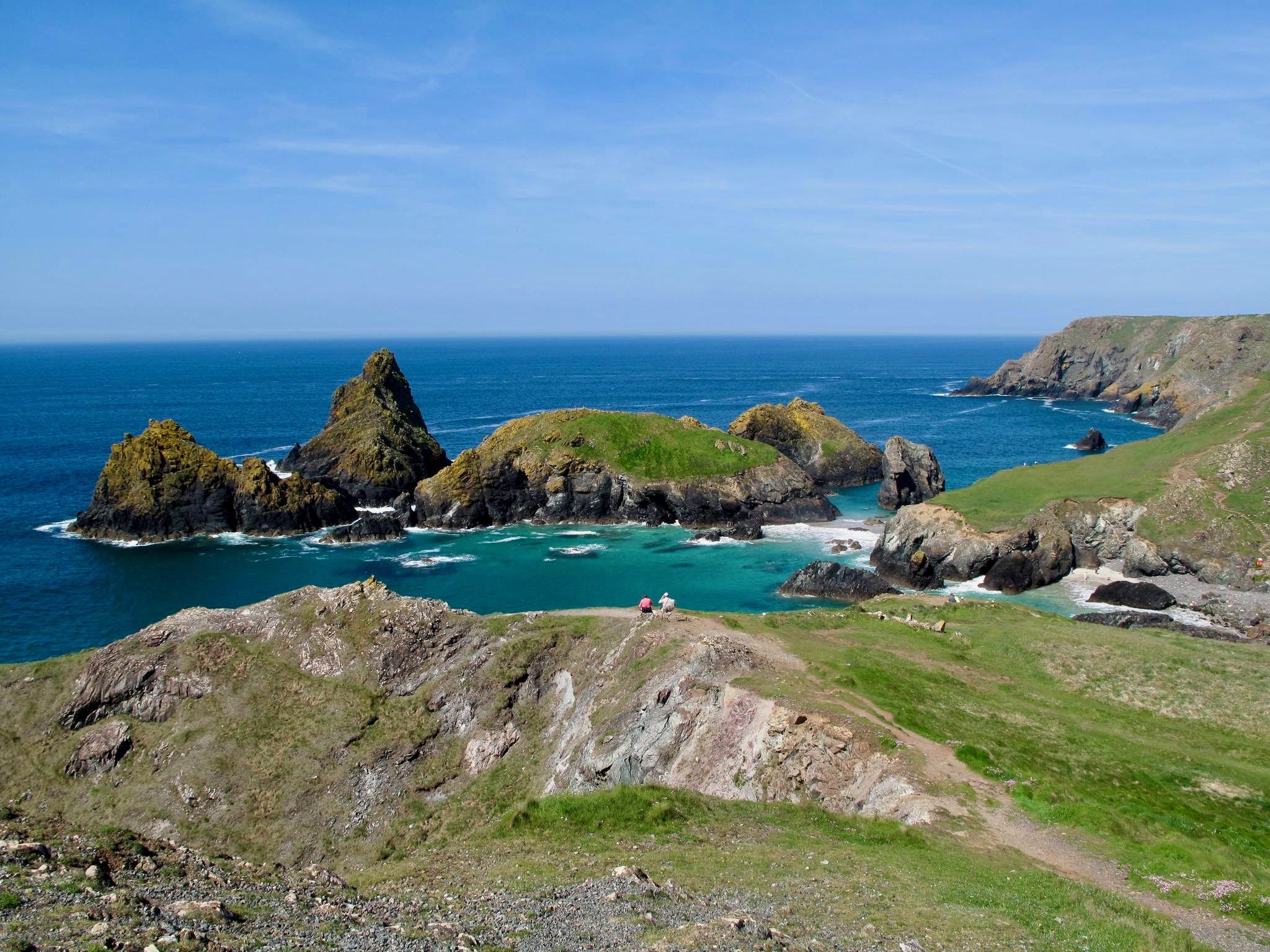
Cornwall's coastline — cliffs, ocean and a charming way of life

Walk Britain – 90 car-free adventures in England, Wales and Scotland
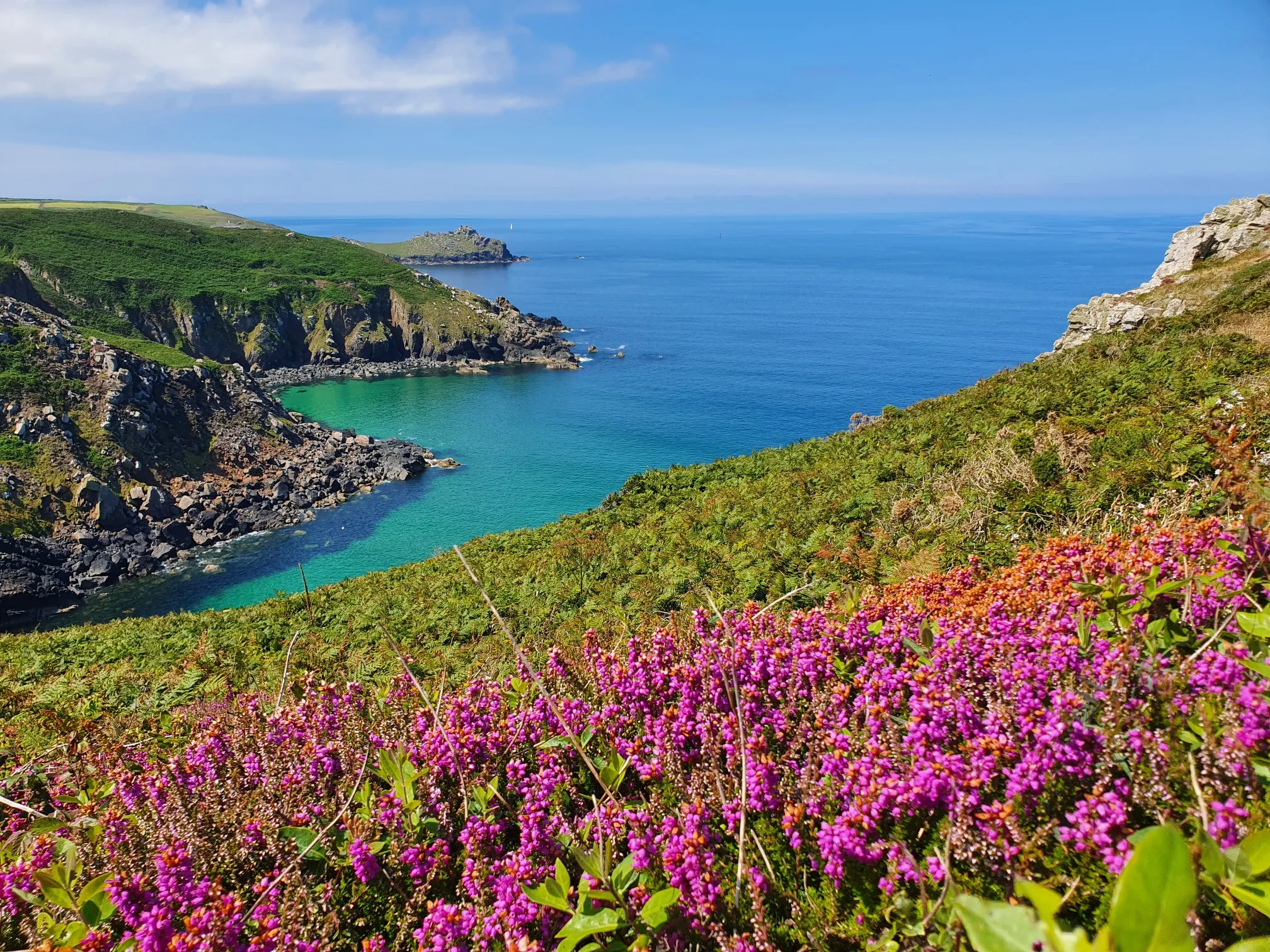
Rugged Cornish coast – beautiful trail runs around Land’s End
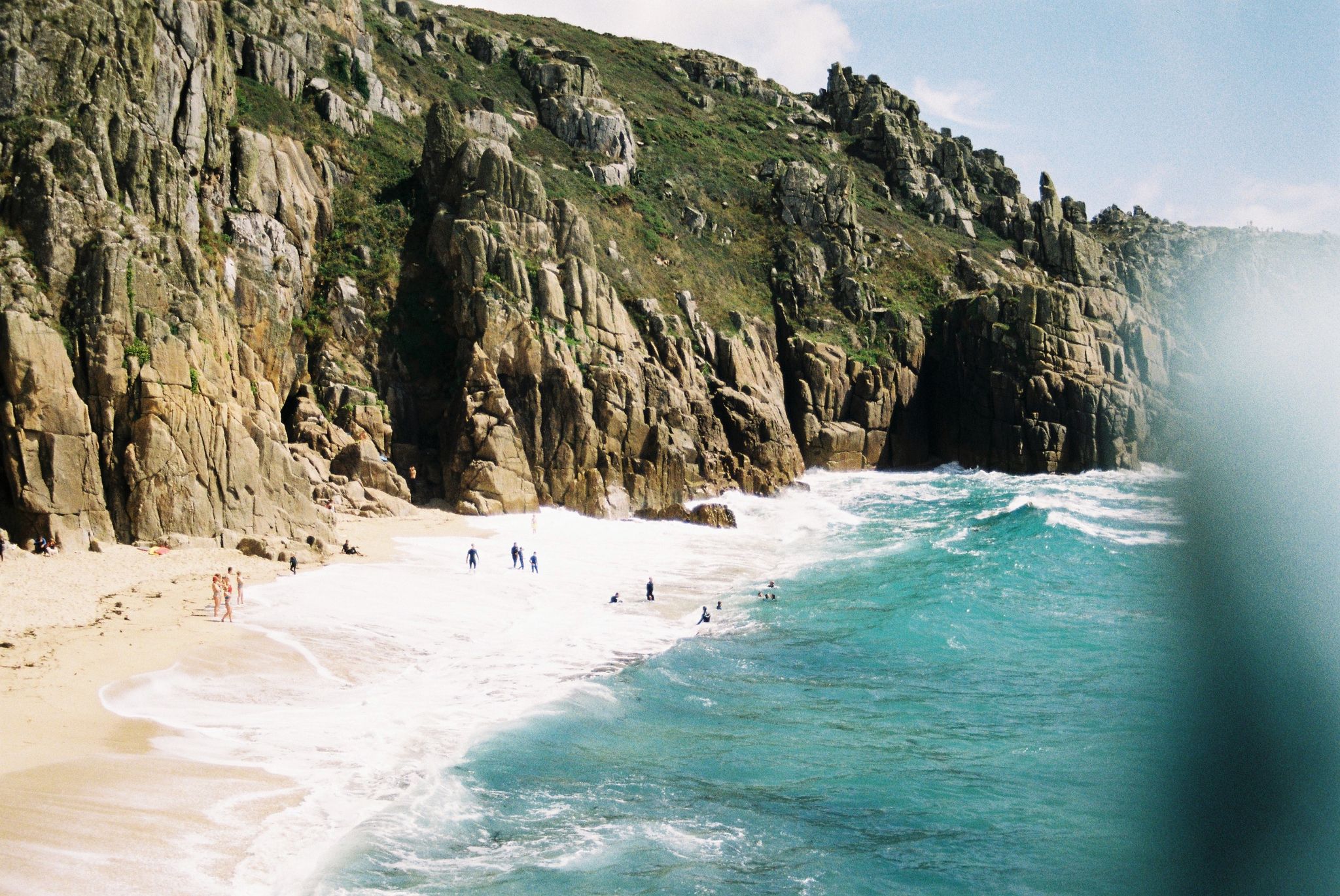
My favourite Cornish hikes and wild swim spots
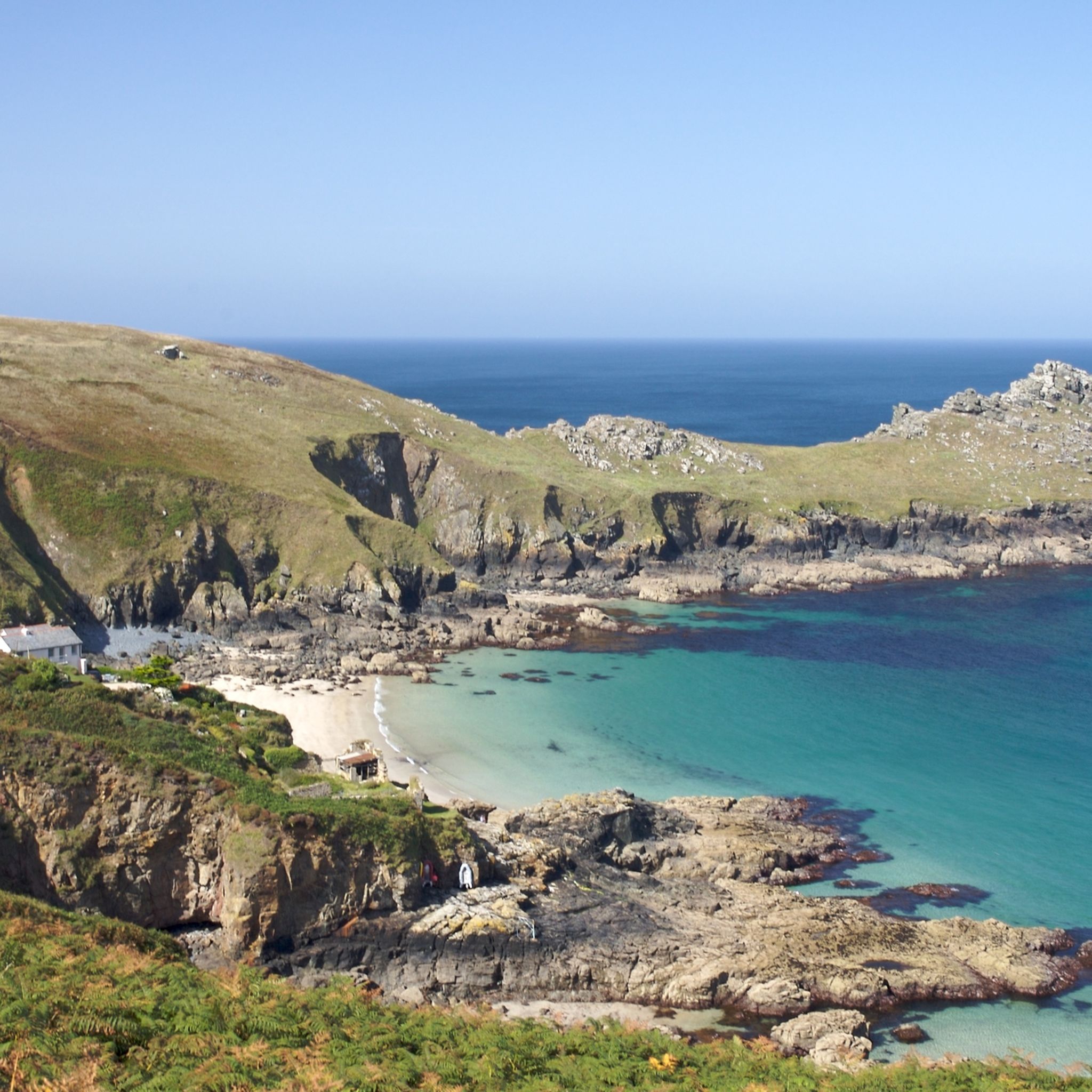
Hiking around Zennor
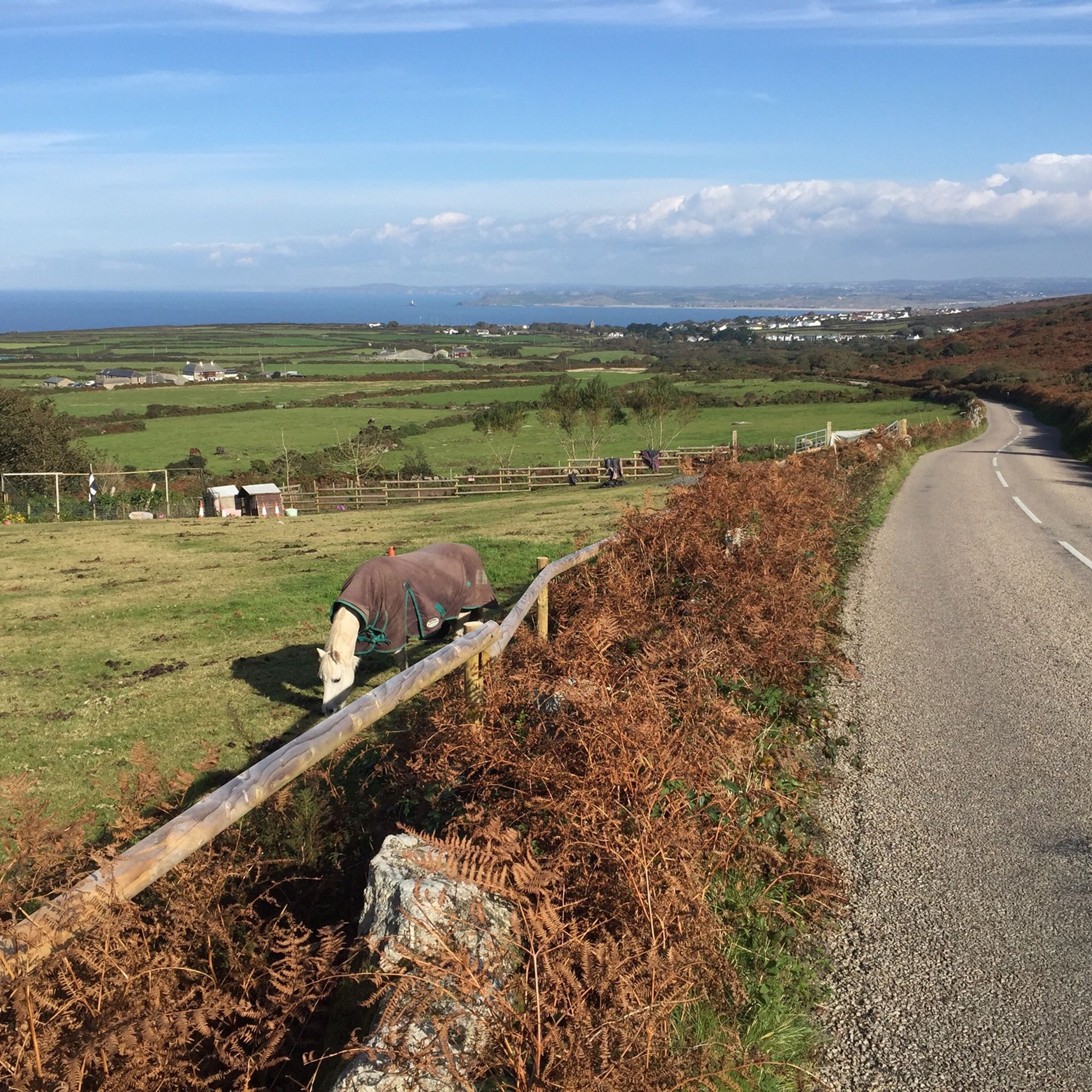
Road Cycling Routes around Zennor
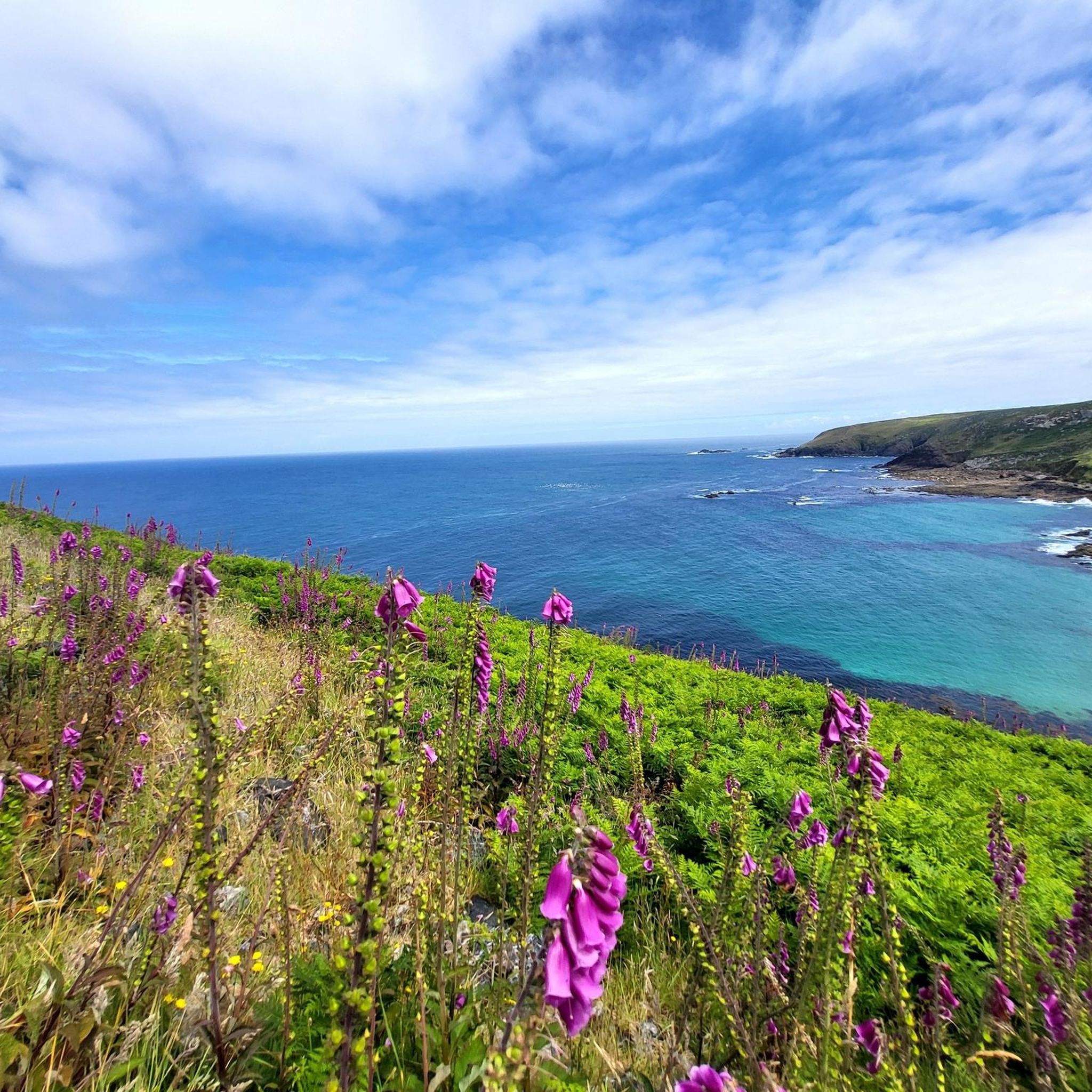
Cycling around Zennor
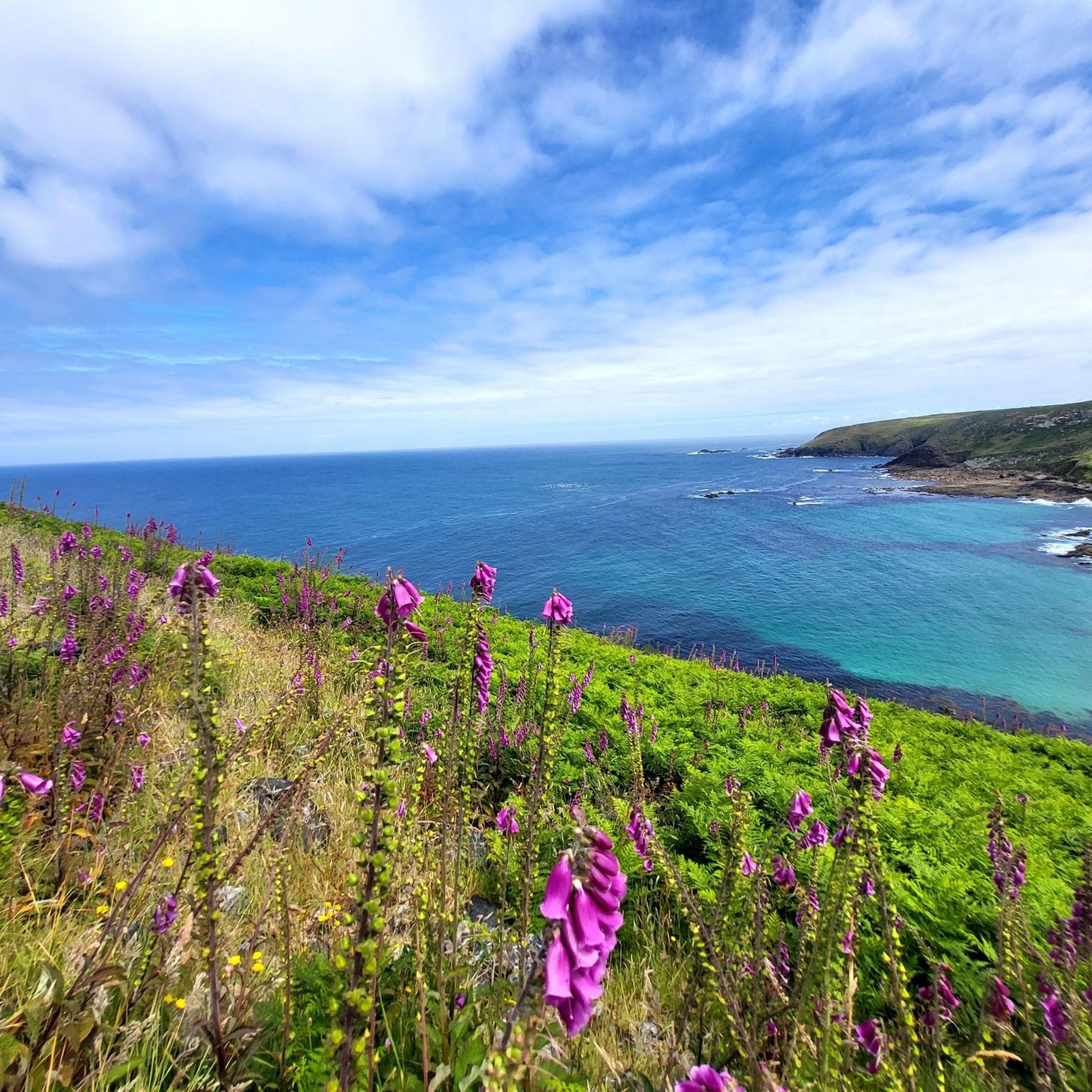
Running Trails around Zennor
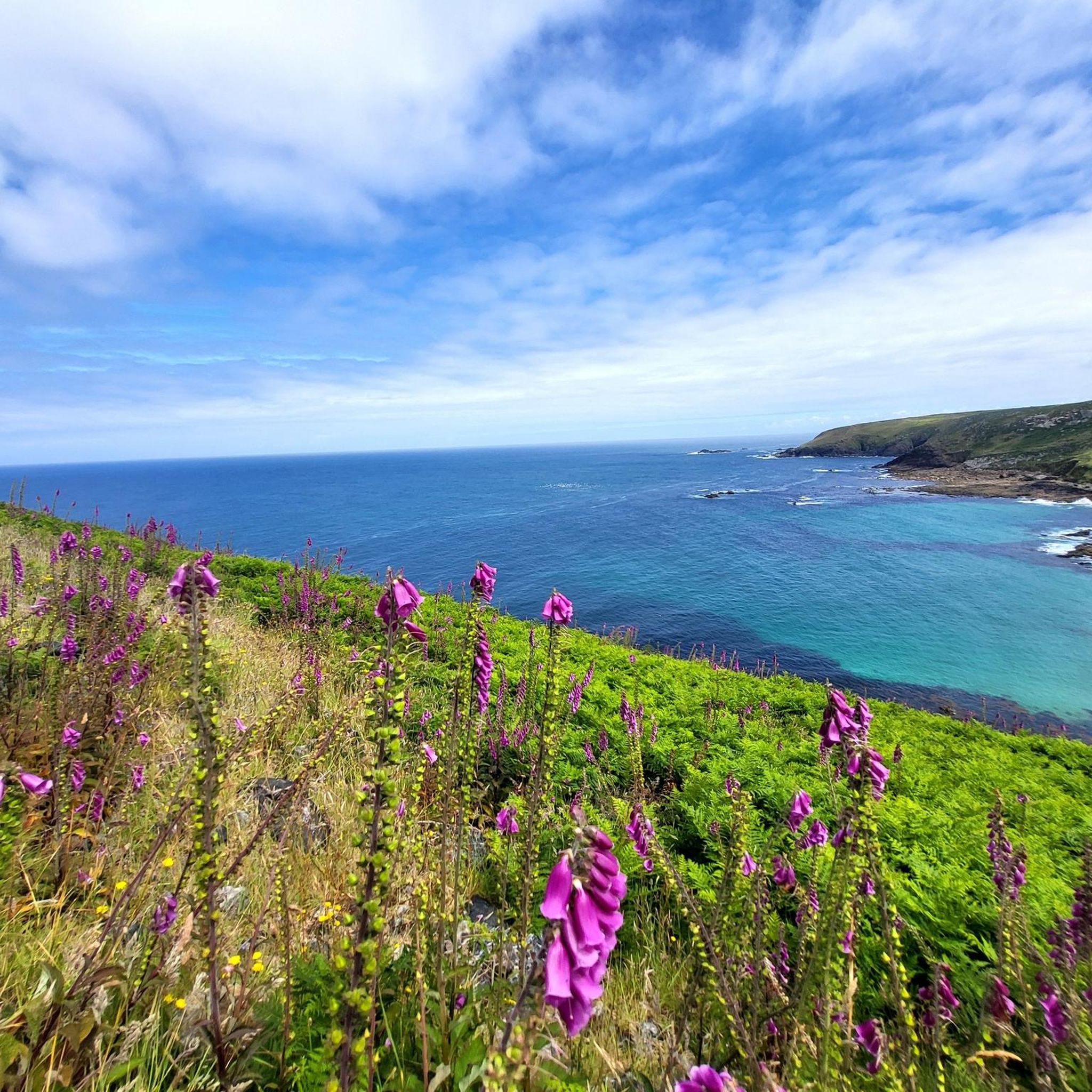
MTB Trails around Zennor
Other adventures around Zennor


Tips from the Community

The "Hole Stone", granite blocks that were erected about 3,000 - 4,000 years ago.
0
0

Lanyon Quoit is a Neolithic dolmen. That said, it collapsed in a storm in 1815 and was re-erected nine years later, it is thought that it is now different from its original appearance. The granite capstone weighs more than 12 tons. The quoit stands at the north end of a long barrow, but the barrow has been damaged and is often overgrown and difficult to see.
0
0

The quoitiest quoit in quiotsville this beautiful quoit sits in a field adjacent to the road with a small stile to access. Great views all around
0
0

Cape Cornwall is a much quieter alternative to Land's End and has the added element of being seeped in Cornish Mining History. The chimney of Cape Cornwall Mine, which operated from 1838 to 1883, is still standing on the small peninsula.
0
0

Lanyon Quoit is one of Cornwall's best known prehistoric monuments and stands just east of the road from Trevowhan to Madron. Originally built in the neolithic period (3500-2500 BCE), the quoit would have been made up of 4 upright stones. Sadly, due to storm damage, it had to be re-erected in the 19th century and now consists of three granite pillars (1.5m in height) which support a large slab capstone.
0
0

Mên-an-Tol is Cornish language and means hole stone. A special megalithic formation about 1 km of hiking trail off the road.
0
0

The age of this megalithic formation is estimated to be between 3,000 and 4,000 years. There are several legends surrounding this cultural site. For one thing, women can become pregnant if they crawl through the "Devil's Eye" - the hole stone - seven times during a full moon. On the other hand, children are protected from illnesses when they are passed through the hole. Well, no matter what faith you follow, the site is a fascinating place. This site can be visited at any time of the day or night - but one should not be disappointed by the "size" of the site. Although the megaliths appear huge in photos, in reality they are only between 1 m and 1.5 m high.
0
0
Frequently Asked Questions
What are some unique natural features to see around Zennor?
Zennor offers a variety of unique natural features. You can explore the dramatic granite cliffs of Zennor Head, which plunge into the sea and offer panoramic coastal views. Another notable feature is the Man's Head Rock Formation, a distinctive rocky outcrop resembling a man's head from the seaward side, providing excellent views over Porthmeor Beach.
What historical natural monuments can I explore in Zennor?
Zennor is rich in historical natural monuments. You can visit Men-an-Tol Stone Circle, an ancient megalithic formation estimated to be 3,000 to 4,000 years old, known for its unique holed stone and local legends. Another significant site is Zennor Quoit, a ruined megalithic burial chamber dating back to 2500–1500 BC, offering a tangible link to ancient civilizations. Additionally, Lanyon Quoit is another well-known prehistoric monument, originally built in the Neolithic period.
What is the best time to visit Zennor for exploring its natural monuments?
The spring and summer months are ideal for visiting Zennor's natural monuments, as the weather is generally milder and the area is vibrant with wildflowers, gorse, and heather. This period also offers better conditions for coastal walks and enjoying the expansive views. However, the dramatic coastal scenery can be appreciated year-round, with winter offering a wilder, more rugged experience.
Are there family-friendly natural monuments around Zennor?
Yes, several natural monuments around Zennor are suitable for families. The Man's Head Rock Formation is considered family-friendly, offering an exciting rock formation and great views. Lanyon Quoit, an ancient monument, is also listed as family-friendly, providing an accessible historical experience in a field adjacent to the road.
What kind of wildlife can I spot along the Zennor coastline?
The Zennor coastline is a haven for wildlife. Along Zennor Head, you might spot hovering kestrels and grey seals in the coves below. During winter, Dartmoor ponies may graze the cliffs, helping to maintain the heathland habitats. The diverse flora and fauna along the coastal path offer opportunities to observe various bird species and marine life.
What outdoor activities can I do near Zennor's natural monuments?
The area around Zennor's natural monuments is excellent for outdoor activities. You can enjoy hiking along the rugged coastal paths, with routes like the Zennor Head loop or the Pendour and Treen Cove loop. There are also options for running, such as the challenging route between Zennor and Saint-Ives, and gravel biking trails like the Tredrea Lane loop from Marazion. For more details, explore the hiking, running, and gravel biking guides for Zennor.
Are there hiking trails that include Zennor's natural monuments?
Yes, many hiking trails in Zennor incorporate its natural monuments. The general coastal path and moorland walks offer diverse flora and fauna, impressive clifftop views, and opportunities to explore ancient sites. For example, you can hike the Zennor Head loop, which offers views of the headland, or explore routes that pass by ancient sites like Zennor Quoit. The Hiking around Zennor guide provides several options, including routes like the Bosrigan Castle and Mên-an-Tol loop.
Where can I find dramatic coastal views around Zennor?
For dramatic coastal views, Zennor Head is an excellent choice, offering impressive panoramic vistas of the coastline towards St Ives and west. Cape Cornwall Chimney Monument also provides a narrow headland viewpoint where the Atlantic currents split. Zennor Hill offers expansive views towards Gurnard's Head, Bosigran, and along the Tin Coast towards Land's End.
Are there any natural monuments with local legends or folklore?
Absolutely. Zennor Quoit is steeped in local legend, with tales of mystical powers associated with its stones. Similarly, Men-an-Tol Stone Circle has several legends, including beliefs about fertility and protection from illness for those who pass through its holed stone. Pendour Cove is famously associated with the local legend of the Mermaid of Zennor.
What are some secluded coves to visit near Zennor?
The Zennor coastline features several secluded coves known for their rugged beauty. Veor Cove is typically very quiet and popular with adventurous swimmers. Pendour Cove is famous for the Mermaid of Zennor legend and offers a private spot, though it disappears at high tide. Porthzennor Cove, located east of Zennor Head, offers fine white sand that can shift with winter storms and is accessed via the coast path.
What do visitors particularly enjoy about the natural monuments in Zennor?
Visitors to Zennor's natural monuments particularly enjoy the sense of wild beauty and tranquility offered by the dramatic landscapes. The geological significance of sites like Zennor Head, the historical depth of ancient sites such as Zennor Quoit and Men-an-Tol, and the unique rock formations like Man's Head are highly appreciated. The opportunity to observe local wildlife and the stunning panoramic views also contribute to a memorable experience.
Can I bring my dog to the natural monuments around Zennor?
Many of the natural monuments and coastal paths around Zennor are dog-friendly, allowing you to explore with your canine companion. However, it's always advisable to keep dogs on a lead, especially near cliff edges, livestock, or in areas with ground-nesting birds. Check specific site regulations before your visit, particularly for enclosed historical sites.
What are the parking options for visiting Zennor's natural monuments?
Parking options vary depending on the specific natural monument. For many coastal walks and headlands, small car parks or roadside parking may be available near trailheads. For sites like St Michael's Mount, dedicated parking is available in Marazion, though it comes with a fee. For more remote sites like Zennor Quoit or Men-an-Tol, you might find small lay-bys or need to walk a short distance from the nearest road.
Most popular attractions around Zennor

Get inspired with the komoot mobile app


Explore more
Extend your search for the best caves by checking out these guides of the top ones around Zennor:
