Top 20 Natural Monuments around St. Ives
Best natural monuments around St. Ives Cornwall offers a diverse landscape of rugged coastlines, ancient woodlands, and serene estuaries. This picturesque region is characterized by its unique geological formations and rich natural beauty. Visitors can explore a variety of natural features, from historic hills to sandy beaches, providing ample opportunities for outdoor exploration. The area is known for its captivating natural monuments and features that draw visitors seeking scenic beauty.
Best natural monuments around St. Ives
- The most popular natural monuments is St Michael's Mount, a castle that is a great place to visit on a trip to Cornwall. This site is a significant historical and natural landmark, offering unique views and experiences.
- Another must-see spot is Godrevy Cove, a man-made monument and natural monument. Visitors can expect one of Cornwall's most beautiful sunsets overlooking Godrevy Island and its lighthouse.
- Visitors also love Man's Head Rock Formation, a natural monument with a striking resemblance to a man’s head. This exciting rock formation offers a great view out to sea and over Porthmeor Beach.
- St. Ives is known for its rugged coastlines, ancient woodlands, and diverse beaches. The region offers a variety of natural monuments to see and explore, including geological formations, estuaries, and historical sites.
- The natural monuments around St. Ives are appreciated by the komoot community, with more than 150 upvotes and over 200 photos shared across 6 highlights.
Last updated: October 17, 2026
St Michael's Mount
Highlight • Castle
Tip by

Godrevy Cove
Highlight • Monument
Translated by Google •
Tip by

Sign up now to discover places like this
Get recommendations on the best single tracks, peaks, & plenty of other exciting outdoor places.
Man's Head Rock Formation
Highlight • Natural Monument
Tip by

Men-an-Tol Stone Circle
Highlight • Monument
Translated by Google •
Tip by

Mên-an-Tol
Highlight • Historical Site
This site can be visited at any time of the day or night - but one should not be disappointed with the "size" of the site. The megaliths look huge in photos, but in reality they are only between 1 m and 1.5 m high.
Translated by Google •
Tip by

Sign up for free to discover even more natural monuments around St. Ives.
Already have an account?
Start today with a free account
Your next adventure awaits.
Popular around St. Ives
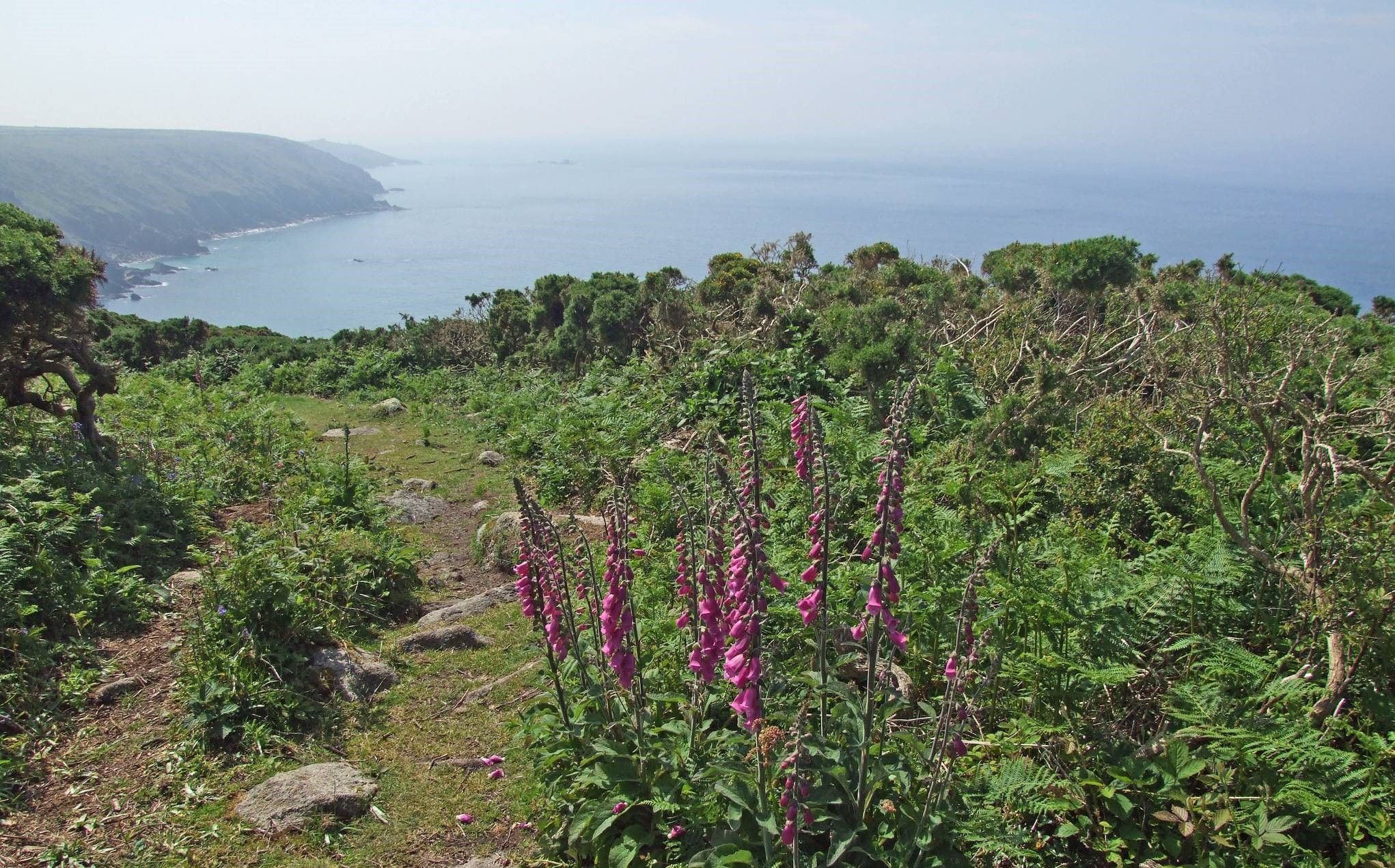
South West Coast Path — Part 2 — Conquer Britain's longest trail
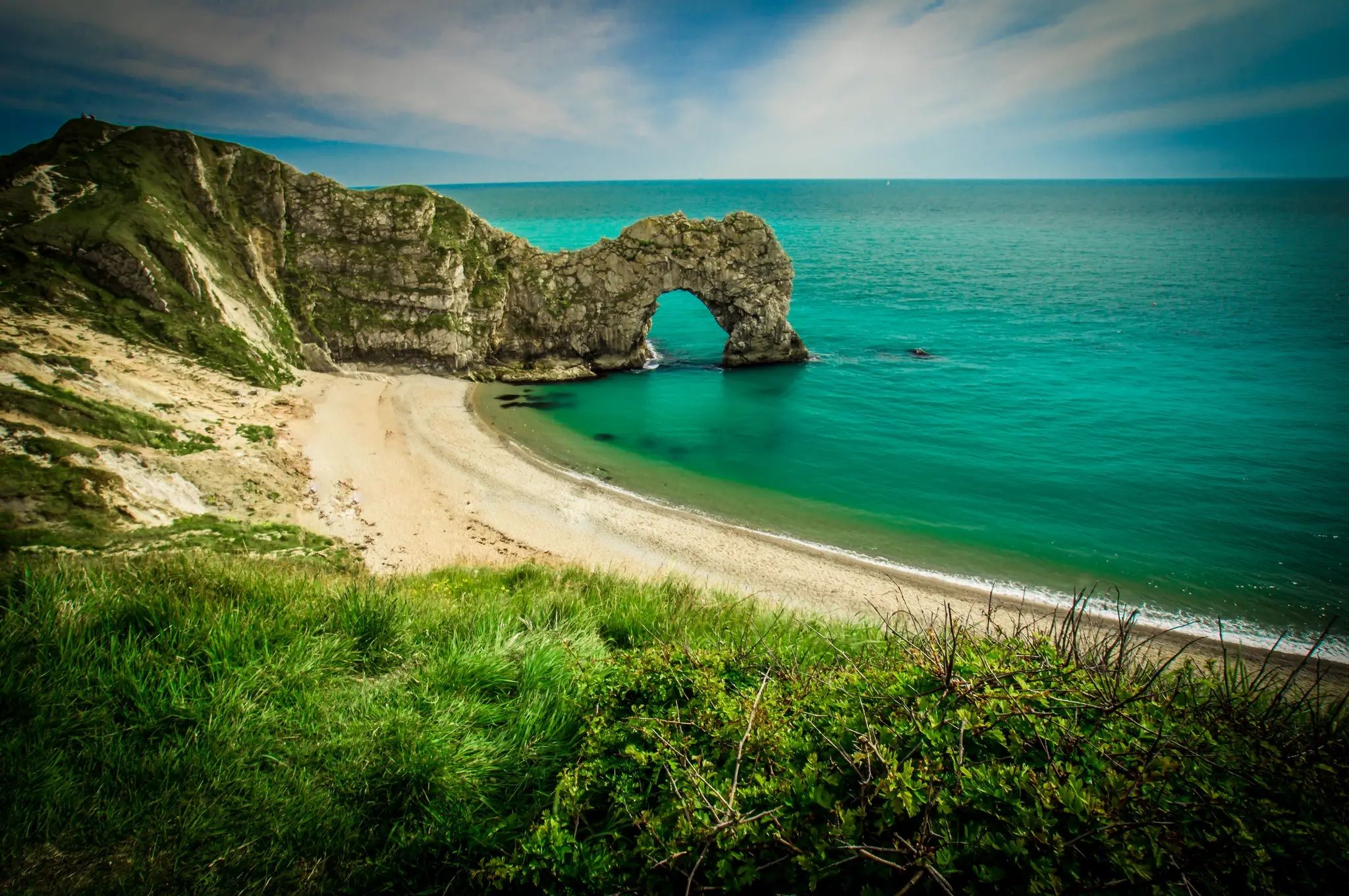
South West Coast Path — Explore Britain's longest trail
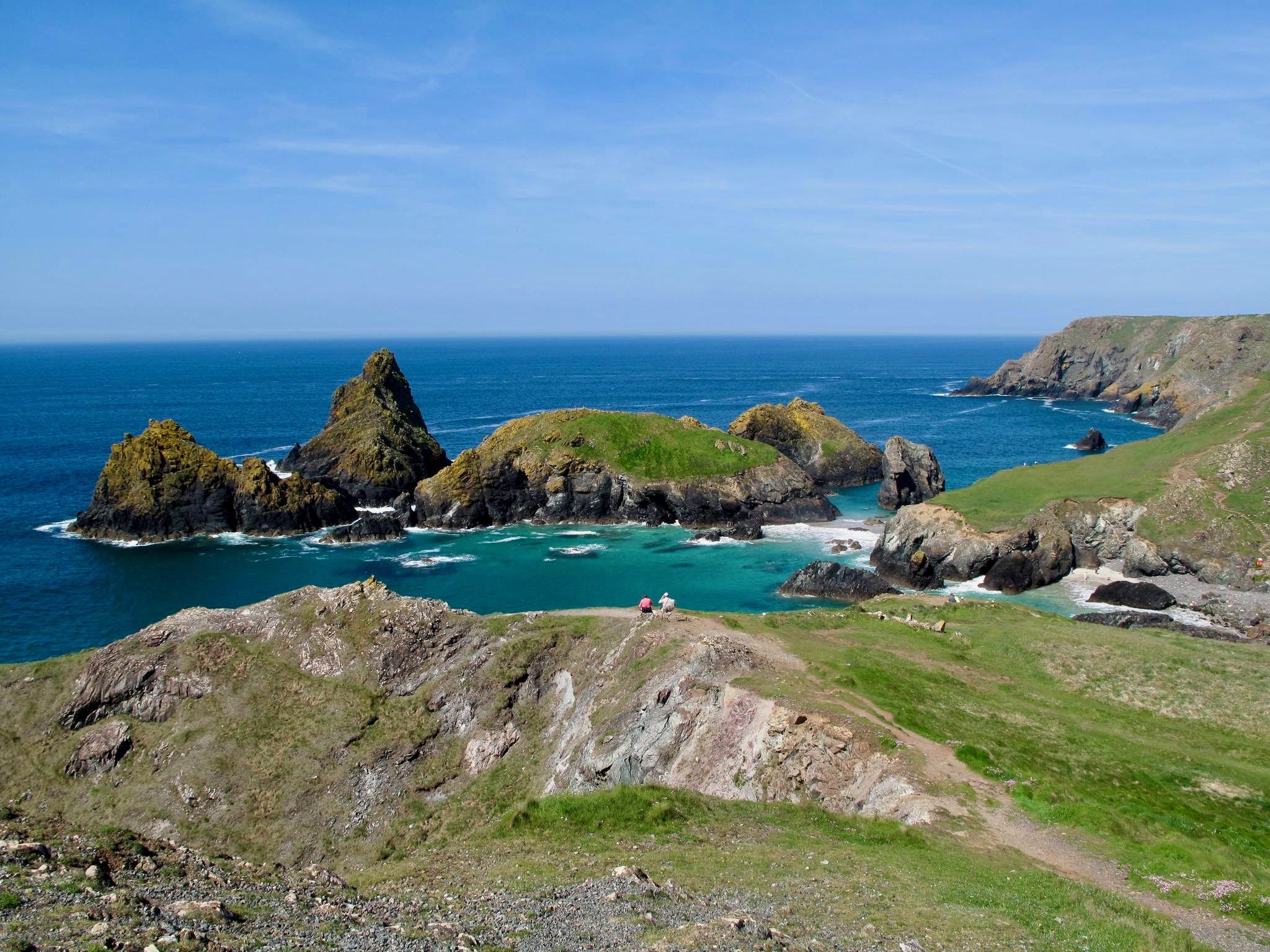
Cornwall's coastline — cliffs, ocean and a charming way of life
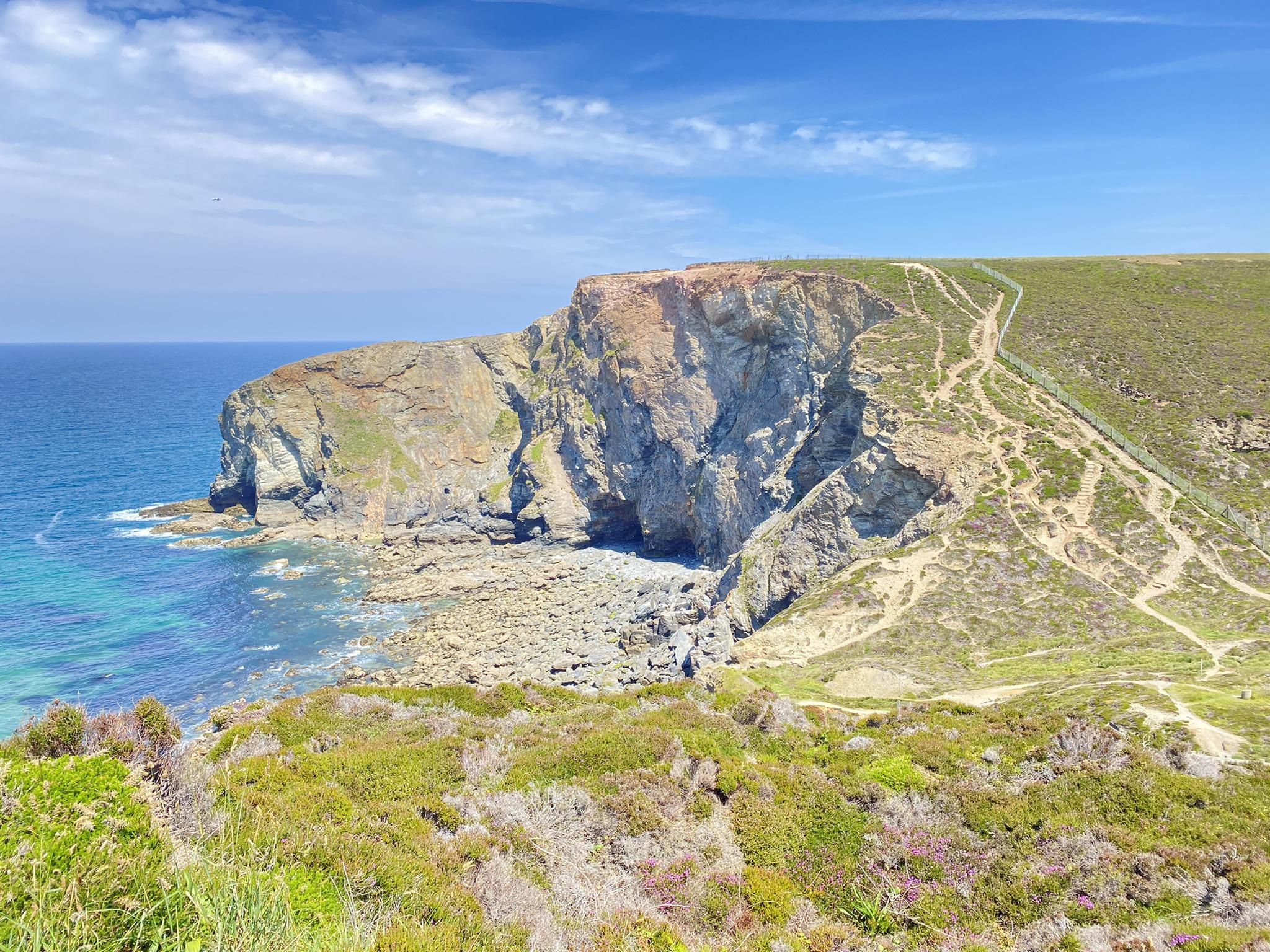
Running Cornwall's wild Atlantic coast - Arc of Attrition by UTMB
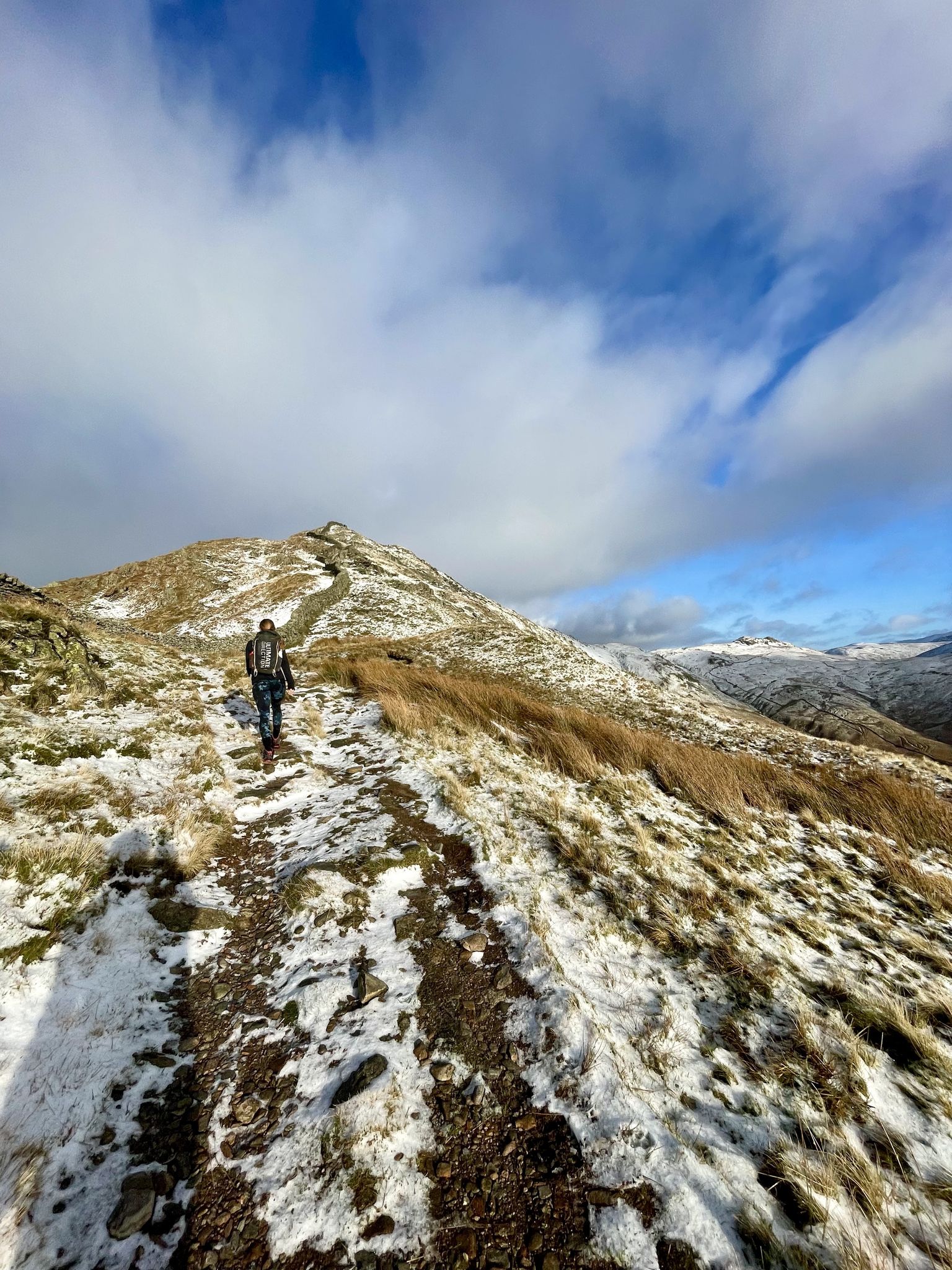
Walk Britain – 90 car-free adventures in England, Wales and Scotland
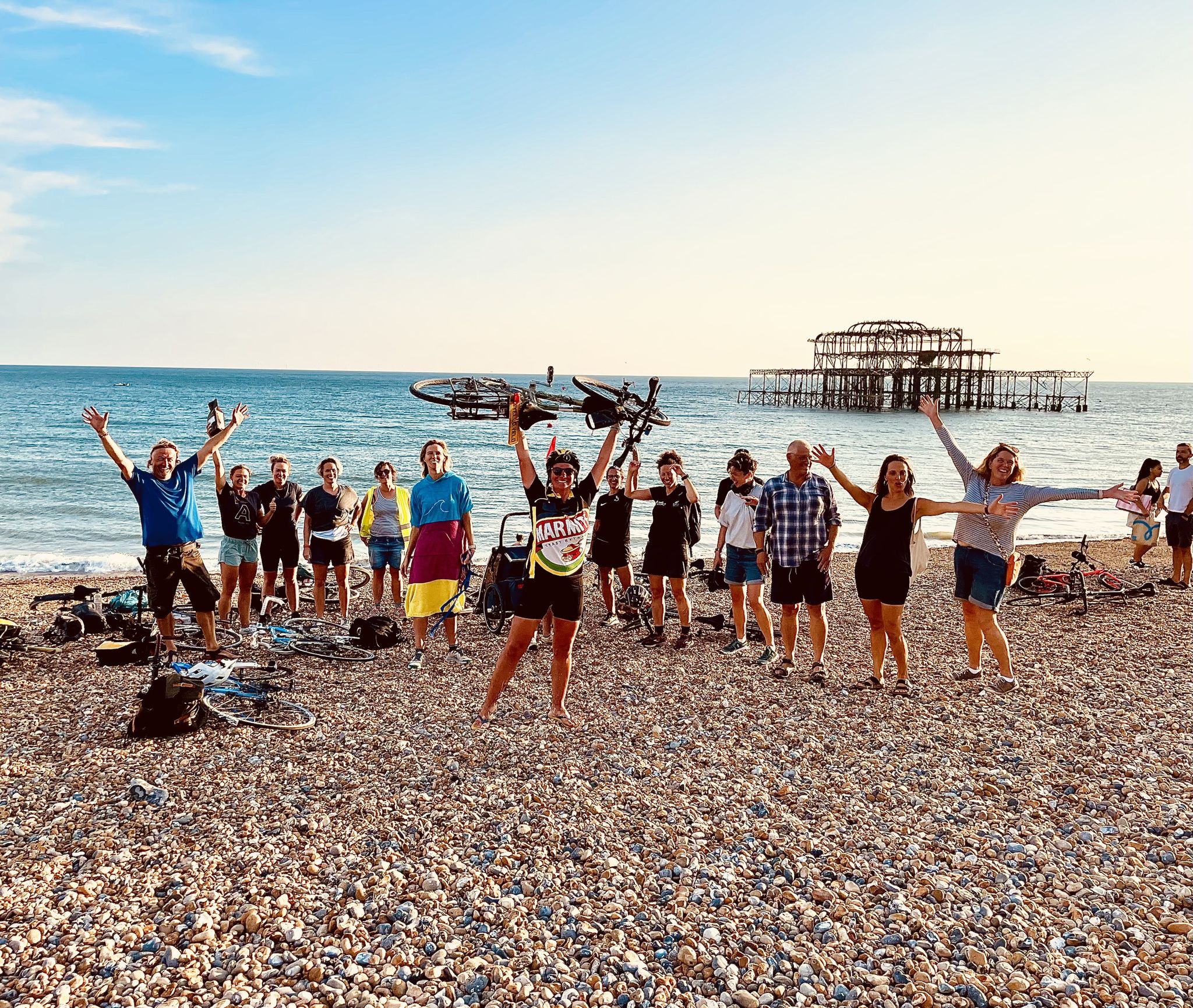
Around the edge in 80 days — cycling the coastline of Britain
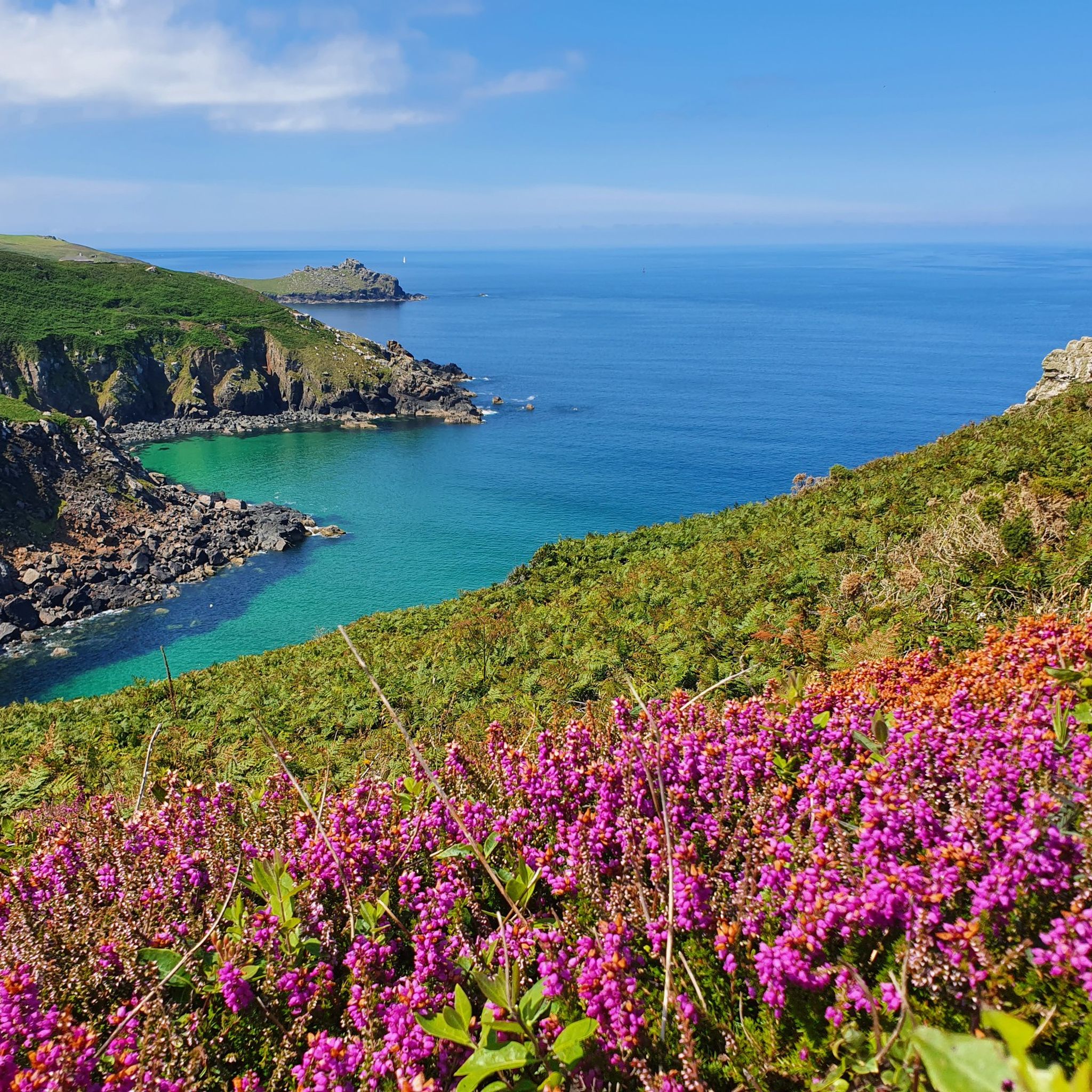
Hiking around St. Ives
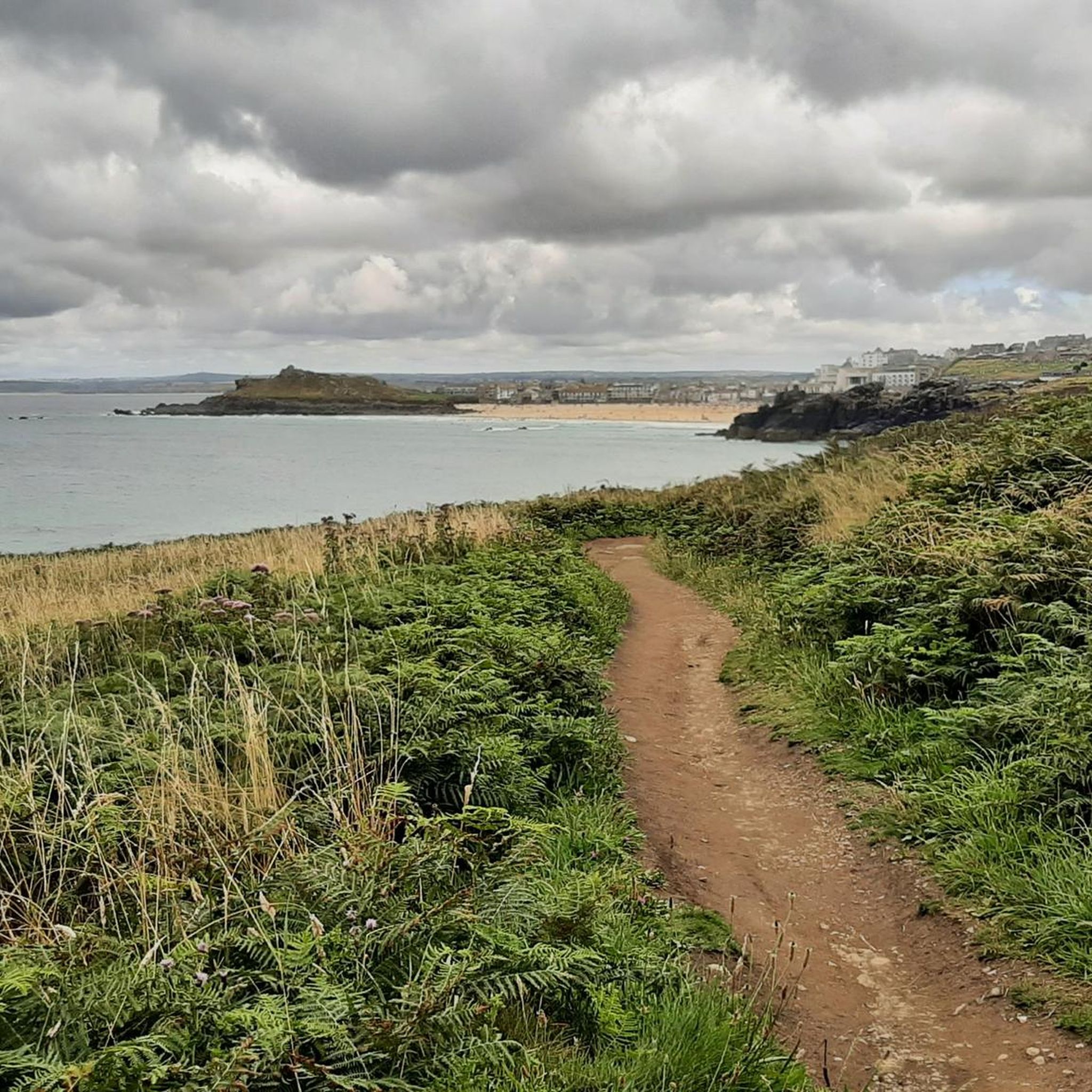
Cycling around St. Ives
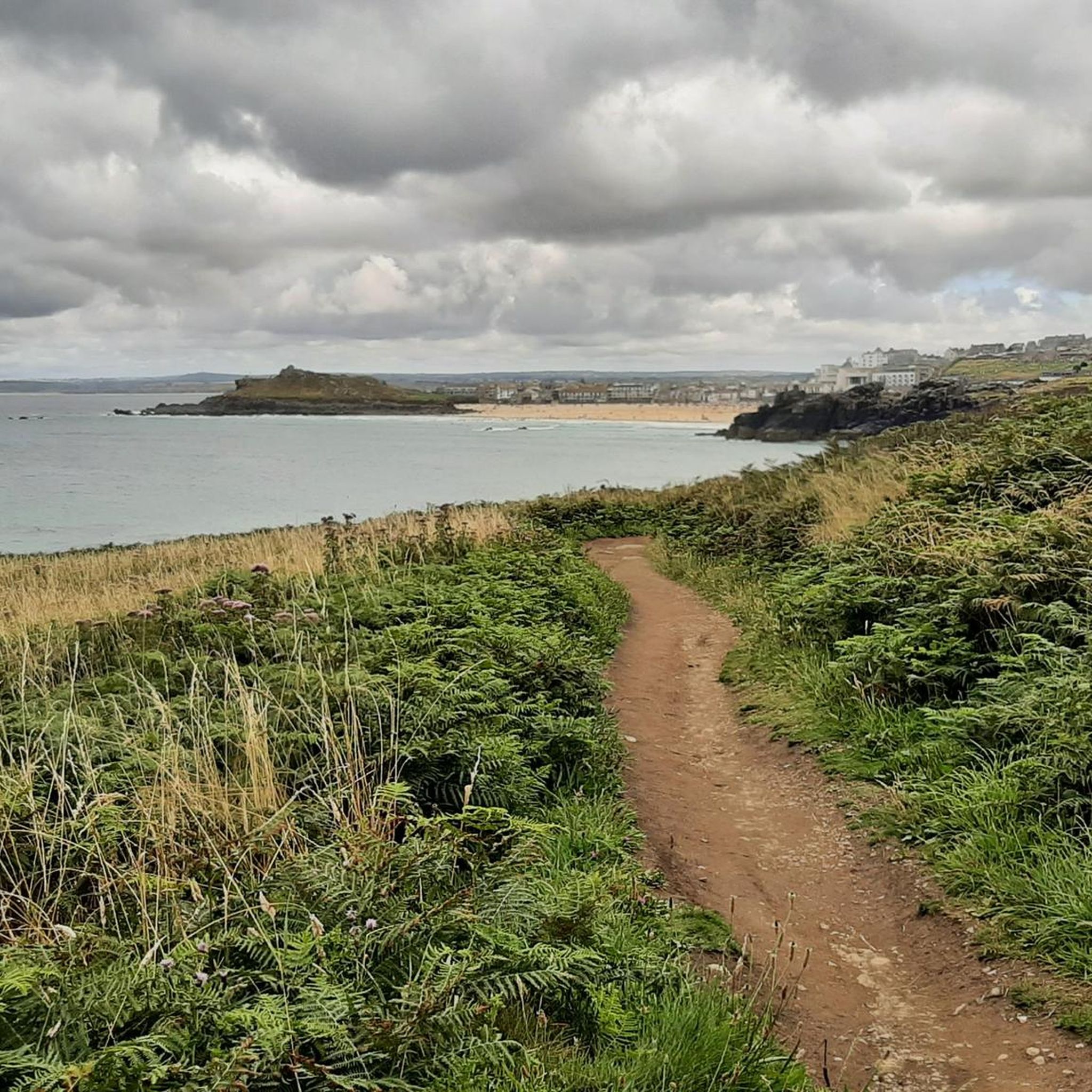
Running Trails around St. Ives
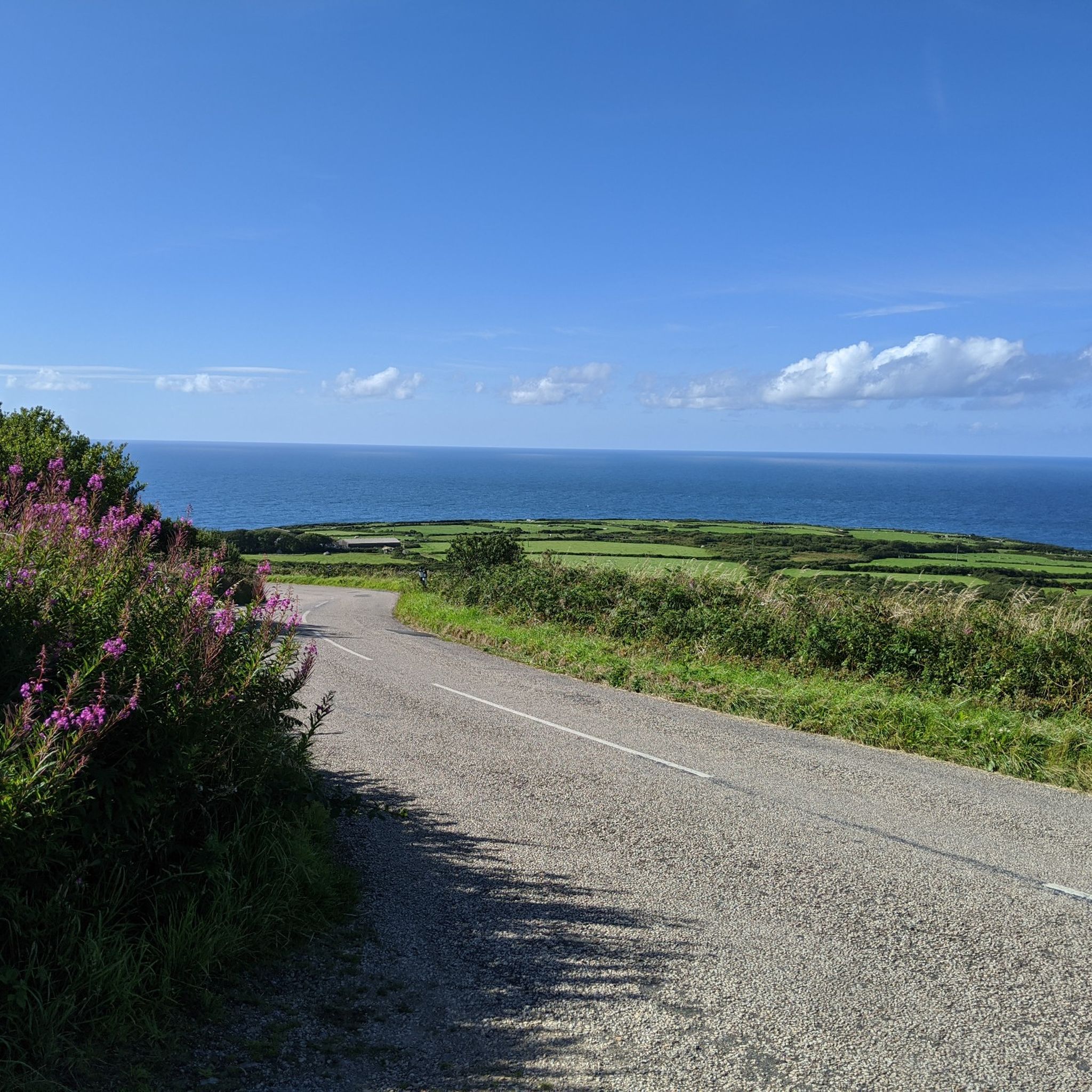
Road Cycling Routes around St. Ives
Other adventures around St. Ives


Tips from the Community


Since the lighthouse is associated with the literary work of Virginia Woolf: Tilman Spengler is the man on German television who brings great authors and their works closer to culturally interested viewers. His series "Classics of World Literature" pays tribute to writers from all eras with a 15-minute episode (in German). One of these writers is Virginia Woolf (1882–1941). The segment can be found in the ARD Mediathek (ARD Media Library) at the following link: https://www.ardmediathek.de/video/klassiker-der-weltliteratur/virginia-woolf/ard-alpha/Y3JpZDovL2JyLmRlL3ZpZGVvLzkxODAyOWQ5LTZjOGUtNDEwYi1iODgyLTUwNzNlNTM3MWJiZA
0
0

The "Hole Stone", granite blocks that were erected about 3,000 - 4,000 years ago.
0
0


Mên-an-Tol is Cornish language and means hole stone. A special megalithic formation about 1 km of hiking trail off the road.
0
0

The age of this megalithic formation is estimated to be between 3,000 and 4,000 years. There are several legends surrounding this cultural site. For one thing, women can become pregnant if they crawl through the "Devil's Eye" - the hole stone - seven times during a full moon. On the other hand, children are protected from illnesses when they are passed through the hole. Well, no matter what faith you follow, the site is a fascinating place. This site can be visited at any time of the day or night - but one should not be disappointed by the "size" of the site. Although the megaliths appear huge in photos, in reality they are only between 1 m and 1.5 m high.
0
0

A visit to St Michael's Mount is well worth it, even if the entrance fee is a hefty £26.00 for the castle and gardens (2023). You have to make the necessary time for it. Avoid the weekends because then it is very busy!
10
1
The harbor at St Michael's Mount can only be used at high tide.
7
0
Frequently Asked Questions
What are some of the most popular natural monuments to visit around St. Ives?
Visitors frequently enjoy St Michael's Mount, a significant historical and natural landmark. Another favorite is Godrevy Cove, known for its beautiful sunsets overlooking Godrevy Island and its lighthouse. The Man's Head Rock Formation also draws attention for its unique shape and views over Porthmeor Beach.
Are there any natural monuments with historical significance in the St. Ives area?
Yes, several natural monuments also hold historical importance. St Michael's Mount is a prominent example, featuring a castle with a rich past. You can also explore ancient sites like Men-an-Tol Stone Circle and Lanyon Quoit, both megalithic formations dating back thousands of years. Trencrom Hill, with its Iron Age hill fort, offers another glimpse into the region's ancient history.
What kind of wildlife can I expect to see at natural monuments near St. Ives?
The St. Ives area is rich in wildlife. At Seal Island (The Carracks), you can observe a thriving colony of grey Atlantic seals, and sometimes even dolphins or porpoises on boat trips. The Hayle Estuary (RSPB Nature Reserve) is a prime birdwatching spot, home to species like guillemots, shags, curlews, and kestrels. Steeple Woodland Nature Reserve also supports local wildlife within its ancient woodlands and heathland.
Are there family-friendly natural monuments or activities in St. Ives?
Absolutely! Many natural monuments are suitable for families. Godrevy Cove is listed as family-friendly, offering beaches and scenic views. The beaches of St. Ives, such as Porthmeor, Porthgwidden, and Porthminster, are excellent for family outings, swimming, and sandcastle building. Steeple Woodland Nature Reserve provides open spaces for walks and exploring ancient woodlands, while Lanyon Quoit is also considered family-friendly for a visit to an ancient monument.
Can I bring my dog to natural monuments or beaches around St. Ives?
Dog-friendly policies vary. Some beaches in St. Ives, like Porthmeor Beach, have seasonal restrictions for dogs. It's always best to check local signage or specific beach rules before visiting. Many natural areas and walking trails, such as those in Steeple Woodland Nature Reserve or along the South West Coast Path, are generally dog-friendly, but always keep dogs on a lead, especially near wildlife or livestock, and clean up after them.
What are some recommended hiking trails that explore St. Ives' natural monuments?
The region offers diverse hiking opportunities. For a challenging coastal experience, consider the St Ives to Zennor Circular Walk. A moderate option is the St Ives coastal loop via Man's Head, which takes you past the distinctive Man's Head Rock Formation. For easier walks, the Knills Monument & Steeple Woods loop from St Ives is a great choice, offering panoramic views from Knill's Monument within the Steeple Woodland Nature Reserve.
Are there any natural monuments offering panoramic views?
Yes, several spots provide stunning panoramic views. Steeple Woodland Nature Reserve, particularly around Knill's Monument, offers spectacular vistas across St. Ives Bay and the surrounding countryside. Trencrom Hill also boasts splendid views over the Hayle Estuary and St Michael's Mount. From Man's Head Rock Formation, you can enjoy a wonderful view out to sea and over Porthmeor Beach.
What are the best beaches in St. Ives, and what activities do they offer?
St. Ives is famous for its beautiful sandy beaches. Porthmeor Beach is popular for surfing and swimming, with facilities like a cafe and surf school. Porthgwidden Beach is a smaller, charming cove. Harbour Beach is located by the working port, and Porthminster Beach offers nearly half a mile of sand, often sheltered and ideal for relaxing. These beaches provide opportunities for various coastal activities and are perfect for enjoying the tidal nature of the area.
Is there a good time of year to visit the natural monuments around St. Ives?
The natural monuments around St. Ives can be enjoyed year-round, but each season offers a different experience. Spring (especially early spring) is beautiful for seeing bluebells at Trencrom Hill. Summer is ideal for beach activities and boat trips to Seal Island. Autumn and winter offer dramatic coastal scenery along the South West Coast Path, though some facilities might have reduced hours. For hiking, late spring and early autumn often provide pleasant weather without the peak summer crowds.
Are there any unique geological formations to see near St. Ives?
Beyond the striking Man's Head Rock Formation, the region is home to other geological wonders. Trencrom Hill features interesting rock formations and standing stones. St Erth Pits is a geologically significant Site of Specific Scientific Interest (SSSI), providing crucial evidence of the climate and geography of West Cornwall dating back two million years to the Pliocene age.
Where can I find ancient woodlands or nature reserves near St. Ives?
The Steeple Woodland Nature Reserve is an excellent choice, encompassing 40 acres of ancient woodlands, heathland, and newly planted trees. It's a fantastic place for walks and nature observation. Trencrom Hill also features Higher Hill wood, which is awash with bluebells in early spring, adding to the natural beauty of the area.
Are there any natural monuments that are easily accessible or suitable for shorter walks?
Yes, several natural monuments are easily accessible. The beaches of St. Ives are right in town and offer easy strolls. The South West Coast Path: St Ives Harbour Loop is an easy, shorter walk. Steeple Woodland Nature Reserve has various paths, some of which are suitable for shorter, less strenuous walks, particularly around Knill's Monument for views without a long hike.
What are the parking options like when visiting natural monuments around St. Ives?
Parking availability varies by location. For popular spots like St Michael's Mount, parking is available in Marazion, though it can be busy. At Godrevy Cove, there's a National Trust car park (free for Touring Pass holders). For other natural monuments and trailheads, parking might be in designated car parks, roadside spots, or village car parks. It's advisable to check specific locations beforehand, especially during peak season.
Most popular routes around St. Ives
Most popular attractions around St. Ives

Get inspired with the komoot mobile app


Explore more
Extend your search for the best caves by checking out these guides of the top ones around St. Ives:
