Top 15 Natural Monuments around St. Austell Bay
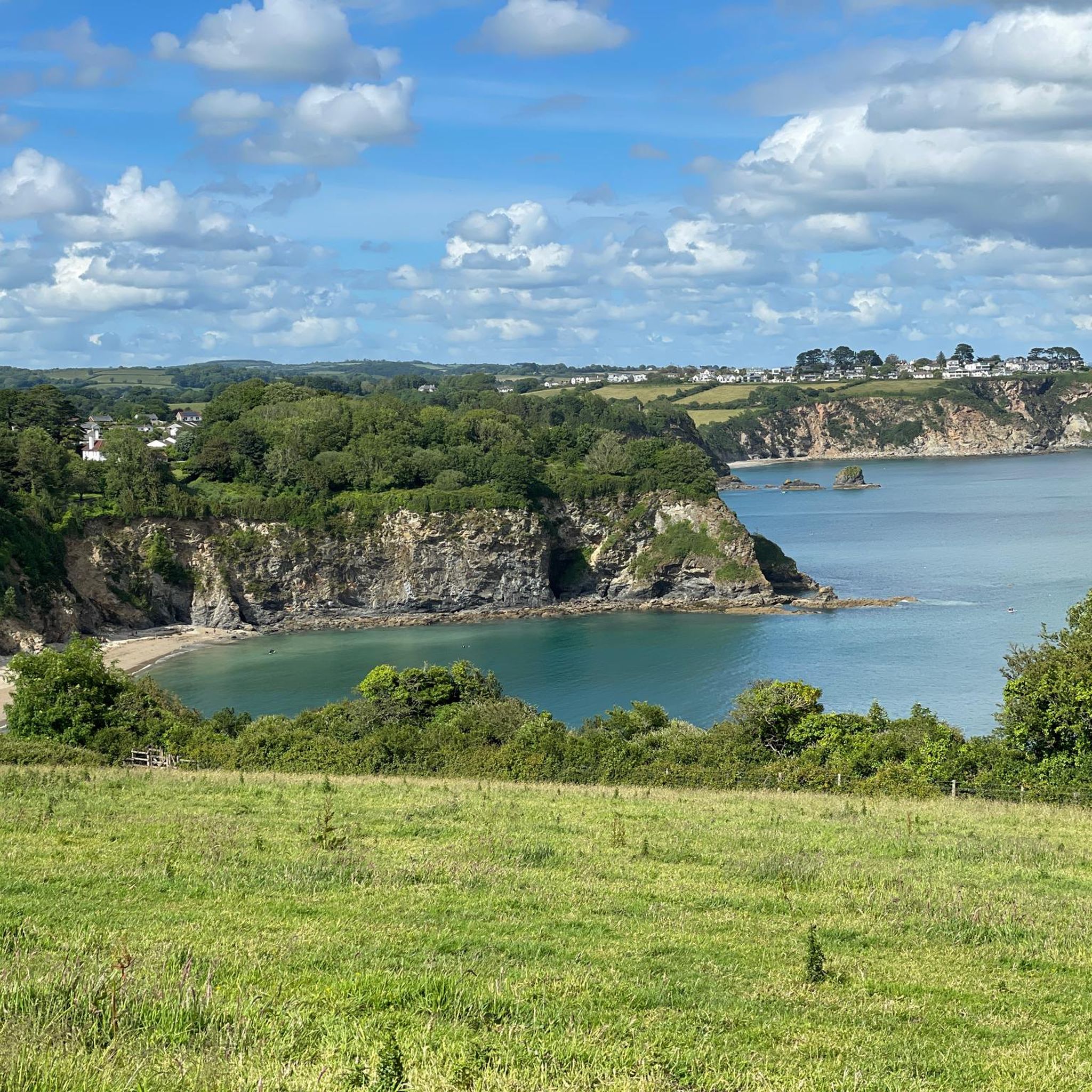
Best natural monuments around St. Austell Bay include diverse landscapes shaped by ancient geological processes and the region's china clay mining heritage. St. Austell Bay, located on Cornwall's south coast, features striking coastal formations, historic harbours, and unique inland landscapes. These sites offer insights into deep time, past environmental changes, and the impact of human industry. The area provides opportunities for outdoor exploration and appreciating varied natural beauty.
Best natural monuments around St. Austell Bay
- The most popular natural monuments…
Last updated: July 1, 2026
Charlestown Harbour
Highlight • Settlement
Tip by

The Lost Gardens of Heligan
Highlight • Natural
The Lost Gardens of Heligan is one of the most famous gardens in England. It is located eight kilometers south of St Austell near Mevagissey in Cornwall. Originally …
Translated by Google •
Tip by

Sign up now to discover places like this
Get recommendations on the best single tracks, peaks, & plenty of other exciting outdoor places.
Sign up for free
Hemmick Beach
Highlight • Beach
Tip by
Roche Rock Chapel Ruins
Highlight • Religious Site
There are plenty of legends surrounding the …
Tip by

Helman Tor
Highlight • Historical Site
Tip by

Sign up for free to discover even more natural monuments around St. Austell Bay.
Sign up for free
Already have an account?
Start today with a free account
Your next adventure awaits.
Login or Signup
Tips from the Community


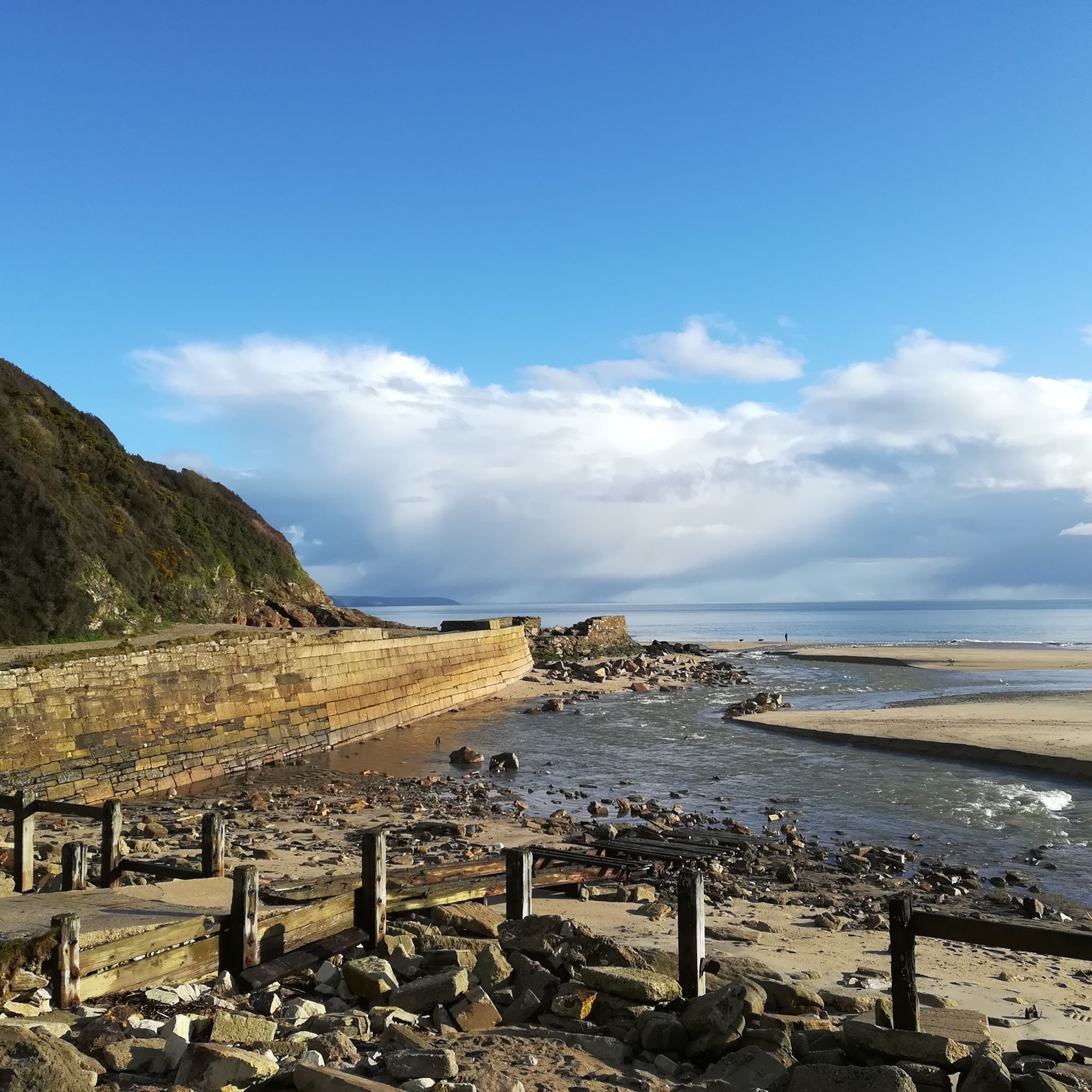
The harbor lock is still under repair. Currently, there are no ships worth seeing in the harbor. Just an old shipwreck. So, nothing really worth seeing.
0
0

Charlestown Harbour is the last open 18th-century Georgian harbour in the UK and is recognized as a UNESCO World Heritage Site. Renowned for its historic tall ships and picturesque setting, the harbour remains a vibrant working port and a popular filming location for TV and film productions such as Poldark and Taboo.
1
0

The Harbour gate failed in a recent storm due in part to a long-term lack of maintenance. As a result, the ships that were in the harbour all have been stranded every time the tide goes out. They have recently put shipping containers filled with aggregate where the gate was to keep water in as a temporary "fix"
0
0

If you would like to find out more about this fantastic garden, you have come to the right place on the following website: https://www.heligan.com/
2
0

When it comes to the beach, you have to pay attention to the tides, which can make it very small.
1
0
Fabulous harbour that often has sailing ships alongside. The harbour is often used as a filming location for films and TV shows.
1
0

nice to see where film recordings were made
0
0
Frequently Asked Questions
What unique geological features can I explore in St. Austell Bay?
St. Austell Bay offers a fascinating geological history. At Spit Point, you can observe ancient rocks of the Meadfoot Group, dating back 400 million years, overlaid with 15,000-20,000-year-old wind-blown loess. Charlestown Beach also features interesting rock formations, particularly on one side of the historic port. Additionally, Duporth Cliffs are adorned with indigenous Cornish plants and shrubs, adding to the natural beauty.
Are there any natural monuments that showcase the region's industrial heritage?
Yes, inland from St. Austell, the landscape is uniquely shaped by 250 years of china clay mining. This has created the 'Cornish Alps,' characterized by steep spoil tips and striking turquoise lakes, whose color comes from mica particles. You can explore this transformed landscape via the Clay Trails, which are excellent for walking, cycling, and horse riding. The Wheal Martyn Museum and Country Park, set within former Victorian clay works, also offers insights into this industrial past.
Which natural monuments offer the best panoramic views of St. Austell Bay?
For spectacular panoramic views, consider visiting Black Head, a prominent headland offering breathtaking vistas across St. Austell Bay. Dodman Point, marking the eastern end of the bay, also provides dramatic coastal scenery. Further east, Gribbin Head Daymark offers expansive views where St. Austell Bay meets the River Fowey estuary.
Are there family-friendly natural monuments around St. Austell Bay?
Absolutely. The Lost Gardens of Heligan is a highly popular botanical garden with diverse areas, including a notable 'jungle' with a rope bridge, making it a fantastic family destination. Charlestown Harbour, a UNESCO World Heritage Site, is also family-friendly, offering historic tall ships and a picturesque setting often used for filming.
What kind of outdoor activities can I do near these natural monuments?
The region offers a variety of outdoor activities. The South West Coast Path winds along the entire St. Austell Bay coastline, connecting many natural monuments and providing excellent opportunities for walking and experiencing varied geology. For cycling, you can explore routes like the 'Cornish Clay Trails loop from St Austell via the Eden Project' or the 'Mevagissey & The Lost Gardens of Heligan loop'. Gravel biking options include the 'Pentewan Railway Trail – Charlestown Harbour loop'. You can find more details on these and other routes in the Hiking around St. Austell Bay, Cycling around St. Austell Bay, and Gravel biking around St. Austell Bay guides.
Are there any natural monuments with historical or cultural significance?
Yes, several sites combine natural beauty with rich history. Charlestown Harbour is a Grade II-listed, 18th-century Georgian harbour and a UNESCO World Heritage Site, renowned for its historic tall ships. The Roche Rock Chapel Ruins, perched atop a 20m granite outcrop, date back to 1409 and are steeped in local legends, including tales of hermits and a leper family.
Can I find quiet, less-visited beaches among the natural monuments?
Yes, if you're looking for a quieter experience, Hemmick Beach is a small, attractive sandy beach located west of Dodman Point. It's relatively little-visited, offering a peaceful setting with fantastic coastline views after a good walk.
What is the best time to visit the natural monuments in St. Austell Bay?
The natural monuments in St. Austell Bay are beautiful year-round. However, for coastal walks and enjoying the beaches, the spring and summer months (April to September) offer the most pleasant weather. During these times, you can fully appreciate the diverse landscapes and engage in outdoor activities comfortably. The unique 'Cornish Alps' landscape is also striking in all seasons.
Are there dog-friendly natural monuments or walks in the area?
Many of the natural areas and coastal paths in St. Austell Bay are dog-friendly. For example, Hemmick Beach is known to be dog-friendly. The South West Coast Path also welcomes dogs, though it's always advisable to keep them on a lead, especially near cliff edges or livestock. Always check local signage for specific restrictions, particularly on beaches during peak season.
What kind of wildlife can I spot around the natural monuments?
The diverse habitats around St. Austell Bay support various wildlife. Along the coast, you might spot seabirds, and if you're lucky, marine life like seals. The Duporth Cliffs are home to indigenous Cornish plants. Inland, the woodlands and unique 'Cornish Alps' landscape provide habitats for different bird species and small mammals. Walking the South West Coast Path or the Clay Trails offers excellent opportunities for wildlife observation.
Are there any easy walking trails to access natural monuments?
Yes, there are several easy walking options. Sections of the South West Coast Path can be enjoyed as leisurely strolls, offering stunning coastal views without extreme difficulty. For example, the 'Black Head loop' is an easy 3.4 km hike. The Clay Trails, which traverse the unique 'Cornish Alps' landscape, also offer relatively easy paths suitable for walking, cycling, and horse riding, allowing you to explore the area's industrial heritage in a relaxed manner. You can find more easy routes in the Hiking around St. Austell Bay guide.
What makes the 'Cornish Alps' a natural monument?
The 'Cornish Alps' are a unique natural monument because they represent a landscape profoundly transformed by human activity that has, over time, developed its own distinct natural beauty. The china clay spoil tips resemble miniature mountains, and the deep, turquoise lakes, formed as a by-product of the clay washing process, create a striking and almost otherworldly environment. This area showcases a fascinating blend of industrial history and evolving natural processes.
Most popular routes around St. Austell Bay
Most popular attractions around St. Austell Bay

Get inspired with the komoot mobile app


Explore more
Extend your search for the best caves by checking out these guides of the top ones around St. Austell Bay:
