Top 3 Natural Monuments around Wayford
Best natural monuments around Wayford are characterized by tranquil rural settings and historical charm. This Wayford location, a village in Somerset, England, offers intimate and pastoral landscapes. The area's natural appeal includes features like Wayford Woods, known for its ornamental lake and serene atmosphere. The region provides a peaceful environment for walks and enjoying nature.
Best natural monuments around Wayford
- The most popular natural monuments is Pilsdon Pen Summit and Trig Point, a natural monument and summit that affords…
Last updated: October 4, 2026
Pilsdon Pen Summit and Trig Point
Highlight • Natural Monument
Tip by

Coney's Castle Hillfort and Bluebell Woods
Highlight • Forest
Tip by

Sign up now to discover places like this
Get recommendations on the best single tracks, peaks, & plenty of other exciting outdoor places.
View of Pilsdon Pen and Lewesdon Hill
Highlight • Viewpoint
Tip by

View of Golden Cap and Thorncombe Beacon
Highlight • Viewpoint
Tip by
View of Pilsdon Pen
Highlight • Viewpoint
Tip by
Sign up for free to discover even more natural monuments around Wayford.
Already have an account?
Start today with a free account
Your next adventure awaits.

Tips from the Community

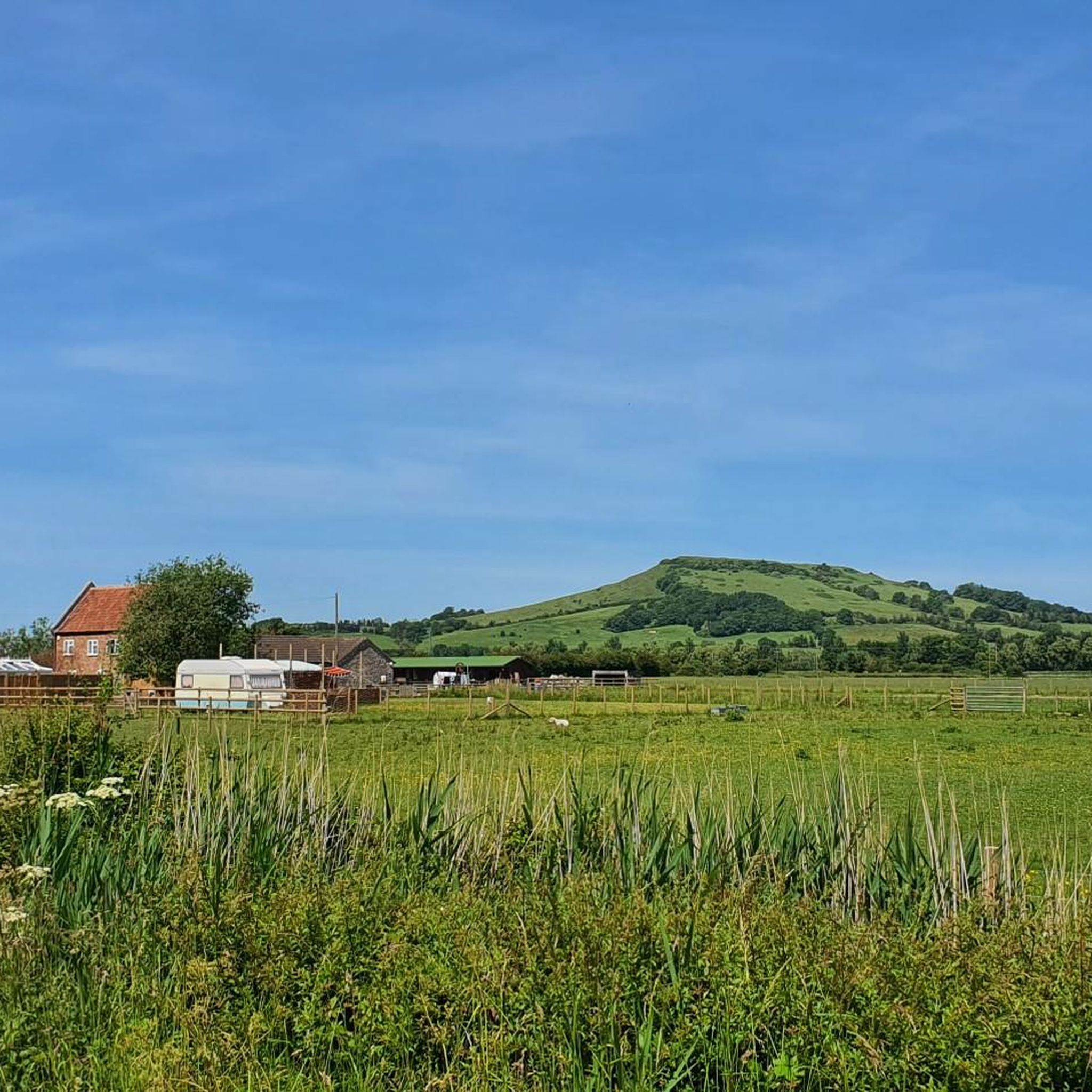
From the Pilsdon Pen car park, you are treated to a stunning, sweeping panorama of West Dorset’s rolling hills. Looking south, the lush Marshwood Vale opens up dramatically, framed by distant coastal ridges near Charmouth. It is an expansive, breathtaking introduction to the landscape before you even begin the hill climb.
0
0
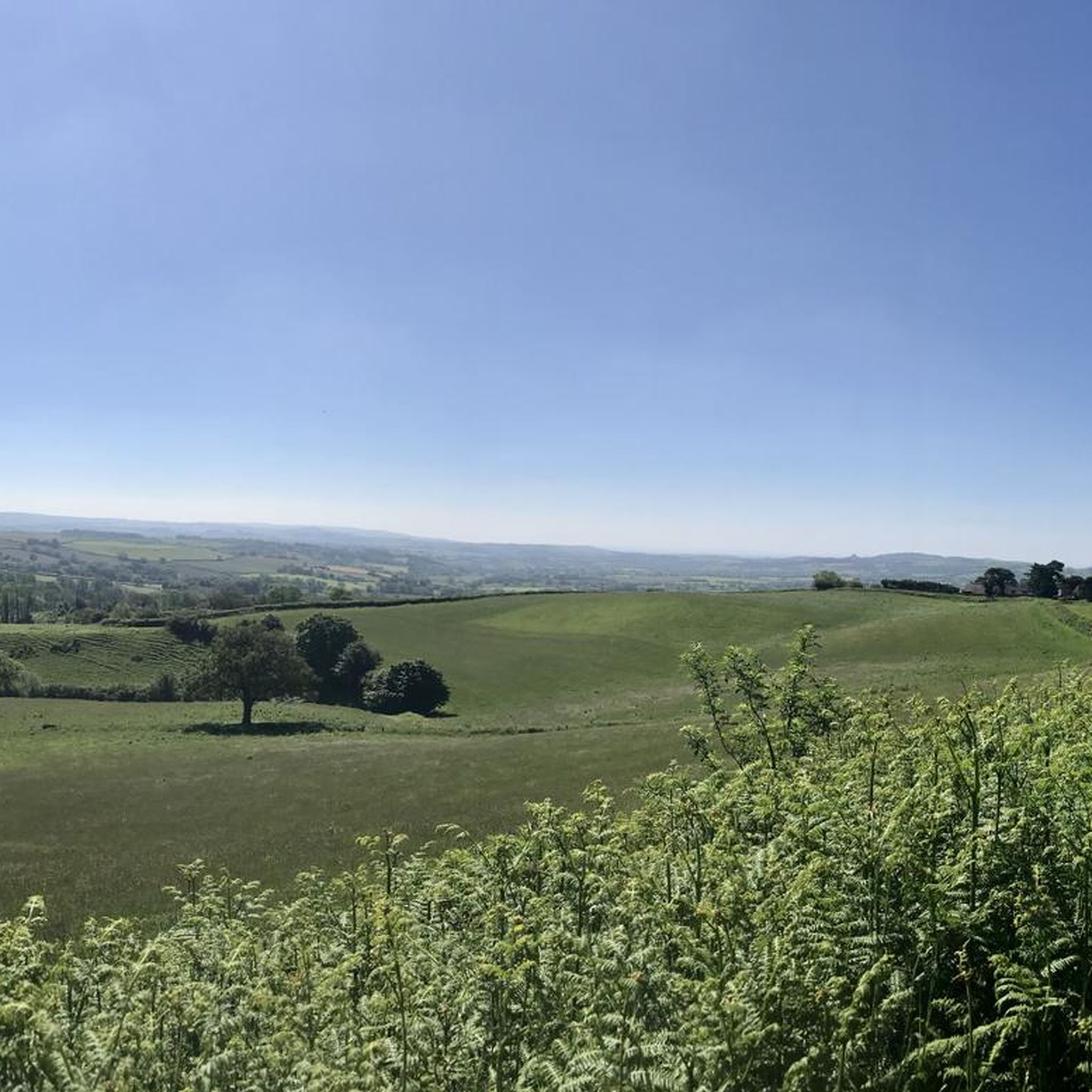
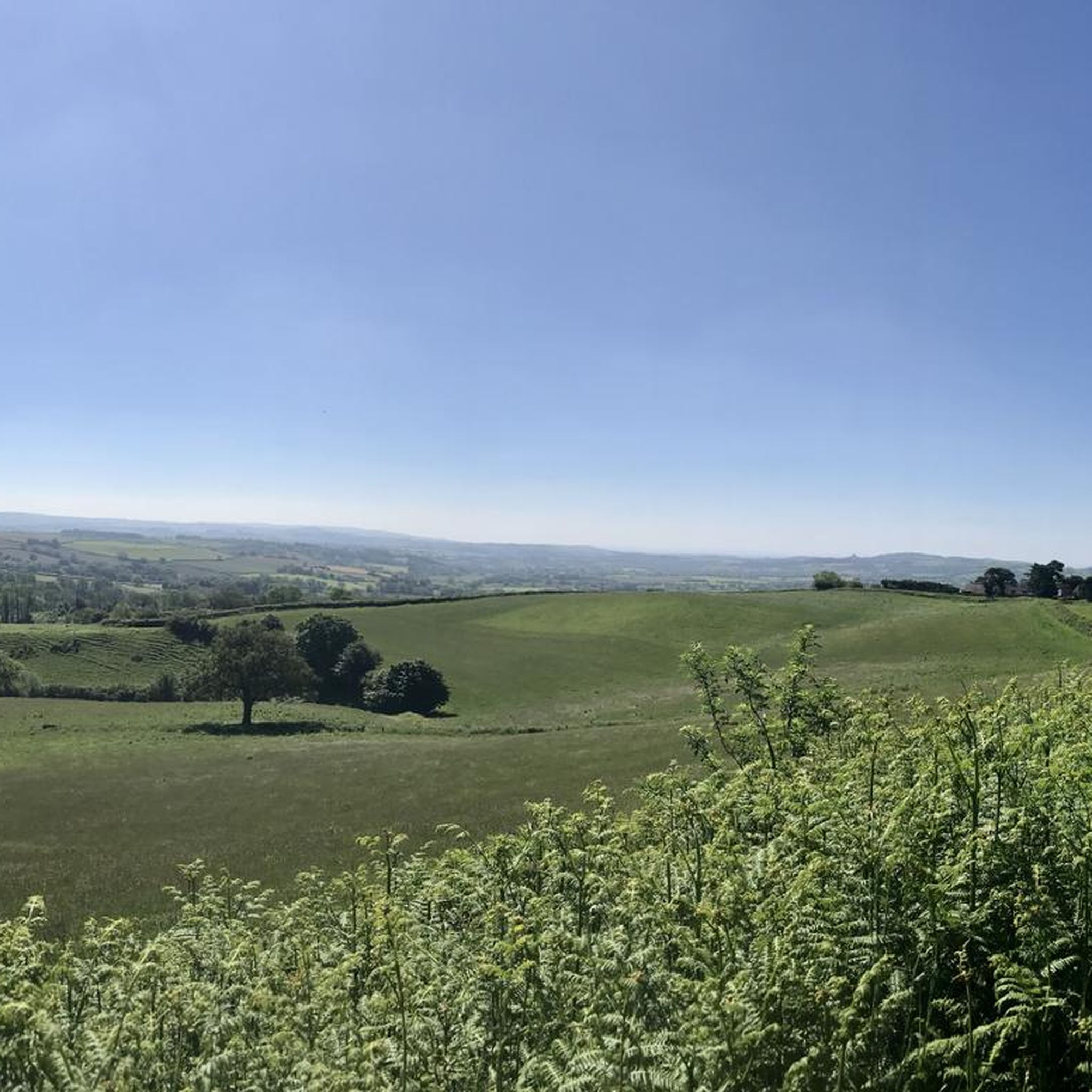
From the trig point at Pilsdon Pen summit, you get spectacular, wide-open views across Dorset. Looking south, the eye sweeps over the lush farmlands and rolling hills of the Marshwood Vale, extending all the way down to Bridport and the dramatic cliffs of the Jurassic Coast.
0
0
If you’ve hauled yourself up to the ramparts of Lambert’s Castle, congratulations! You are currently standing on an Iron Age "penthouse" with a view that makes most postcards look like blurry thumbprints. Looking south toward the coast, the landscape does a dramatic drop-and-roll toward the English Channel. Here is the lowdown on the two big celebrities you’re staring at: 1. Golden Cap: The Gilded Giant Dominating the horizon is Golden Cap, the highest point on the South Coast of England. The Look: It’s basically a massive, flat-topped wedge of rock that looks like nature tried to bake a giant loaf of bread and then gave it a glowing, golden crust. The Vibe: From Lambert’s Castle, you can see exactly why it got its name. When the sun hits that upper layer of Greensand, it glows like a pirate’s treasure chest. Fun Fact: At 191 meters (627 feet), if you were standing on top of it, you’d be higher than any other cliff-dweller in southern England. From up here on the hill, it looks like the ultimate finish line. 2. Thorncombe Beacon: The Dramatic Sidekick Just to the east of Golden Cap sits its slightly shorter, but equally moody sibling, Thorncombe Beacon. The Look: It’s got that classic "dinosaur spine" silhouette. It’s part of the same rollercoaster of cliffs that makes the Jurassic Coast look like it’s trying to jump into the sea. The Vibe: It feels a bit more "wild and windy." Historically, this was part of a chain of fire beacons used to warn everyone that the Spanish Armada was coming to ruin the weekend. The Perspective: From your vantage point, you can see the deep "V" of the Seatown valley tucked between the two peaks, looking like a perfect little green cradle.
0
0
From the summit of Lambert’s Castle Hill (258m), you are treated to one of the most celebrated panoramas in Dorset. Looking eastward across the sprawling Marshwood Vale, Pilsdon Pen and Lewesdon Hill stand out as the two most prominent landmarks on the horizon. The View of Pilsdon Pen Appearance: From Lambert's Castle, Pilsdon Pen (277m) is easily identified by its distinctive "flat-topped" profile. It is an Iron Age hillfort and was long thought to be the highest point in Dorset. Perspective: It sits approximately 4.7km (just under 3 miles) to the east-northeast. Because the Marshwood Vale drops away between the two hills, Pilsdon Pen appears as a massive, brooding green rampart rising sharply from the valley floor. Detail: On a clear day, you can clearly see the triple-dyked earthworks that ring its summit. The View of Lewesdon HillAppearance: Located just slightly south of Pilsdon Pen, Lewesdon Hill (279m) is the true "County Top" (the highest point in Dorset). Unlike the open, grassy summit of Pilsdon, Lewesdon is heavily wooded with ancient oak and beech trees.Perspective: From your vantage point at Lambert's Castle, Lewesdon appears as a dark, rounded, tree-covered dome. It lacks the sharp architectural lines of the hillforts but provides a lush, textured contrast to the surrounding fields.Context: Because it is so close to Pilsdon Pen (separated only by a small saddle), they are often referred to as "twin peaks" of the Marshwood Vale.
0
0

The summit of this hill represents the second highest point in Dorset, and from here, you'll have breathtaking panoramic views. At the top, there was an Iron Age hillfort, which was excavated in the mid-20th century.
0
0

you could do a short walk up onto one of the highest points in Dorset
0
0

The second-highest point in Dorset, Pilsdon Pen has the remains of an Iron Hill hillfort astride it as well as some magnificent views. By bike, you can get fairly close to the top although the actual summit is only accessible on foot via a footpath. Still, from the lane here you can enjoy the beautiful surroundings.
1
0

Lewesdon Hill is the highest point in Dorset
0
0
Frequently Asked Questions
What kind of natural monuments can I expect to find around Wayford?
The natural monuments around Wayford primarily feature historic hillforts with panoramic views and ancient earthworks. You'll discover sites like Pilsdon Pen Summit and Trig Point, an Iron Age fort offering extensive views, and Coney's Castle Hillfort and Bluebell Woods, another Iron Age site with ancient woodland. You can also see unique geological features like the View of Strip Lynchets on Brympton Hill, which are ancient agricultural earthworks.
Are there any natural monuments with significant historical importance near Wayford?
Yes, several natural monuments in the area are rich in history. Pilsdon Pen Summit and Trig Point is home to an Iron Age fort, with archaeological finds dating back 10,000 years. Similarly, Coney's Castle Hillfort and Bluebell Woods is another Iron Age hillfort with visible earthwork ramparts. The View of Strip Lynchets on Brympton Hill showcases ancient field systems, providing a glimpse into historical agricultural practices.
Which natural monuments offer the best panoramic views?
For breathtaking panoramic views, head to Pilsdon Pen Summit and Trig Point, which provides expansive vistas over the Dorset countryside, including the coast and distant hills. From the vantage point of Lambert's Castle, you can also enjoy the View of Pilsdon Pen and Lewesdon Hill, showcasing Dorset's highest points, and the dramatic View of Golden Cap and Thorncombe Beacon, featuring the highest point on the South Coast.
Are there family-friendly natural monuments or activities around Wayford?
Yes, the View of Strip Lynchets on Brympton Hill is noted as family-friendly, offering an interesting historical landscape to explore. Additionally, Wayford Woods, though not a listed highlight, provides a tranquil setting with an ornamental lake, perfect for leisurely family strolls.
What outdoor activities can I do near these natural monuments?
The area around Wayford offers a variety of outdoor activities. You can find numerous routes for cycling, including challenging loops from Crewkerne. For those who prefer walking, there are many easy hikes, such as the Wayford Woods loop or trails around Pilsdon Pen. Running trails are also available, with options ranging from moderate to difficult.
What is the best time of year to visit the natural monuments around Wayford?
Spring is particularly beautiful, especially if you wish to see the bluebells at Coney's Castle Hillfort and Bluebell Woods. The views from the hillforts like Pilsdon Pen are best enjoyed on clear days, which are common during late spring, summer, and early autumn. Winter can offer dramatic, crisp views, but be prepared for potentially muddy conditions on trails.
Are there any natural monuments suitable for beginner walkers or those looking for easy trails?
Many of the natural monuments, particularly the hillforts, involve some uphill walking to reach the summits. However, the general area offers easy hikes that can be tailored for beginners. For instance, the Wayford Woods loop is an easy option for a gentle stroll. Always check the specific route details for difficulty before heading out.
Is parking available at the natural monuments?
Yes, Coney's Castle Hillfort and Bluebell Woods is served by a car park, making it convenient to access. For other locations like Pilsdon Pen, parking is typically available in designated areas nearby or at the base of the hills, often managed by organizations like the National Trust.
What unique geological features can be observed in the Wayford area?
Beyond the dramatic coastal cliffs visible from viewpoints like Golden Cap, the inland area features fascinating ancient earthworks. The View of Strip Lynchets on Brympton Hill provides a clear example of these terraced formations, which are thought to be ancient agricultural fields or a result of repeated ploughing on hillsides.
How long does it typically take to explore these natural monuments?
The time required varies depending on the monument and your activity. Visiting a single hillfort like Pilsdon Pen or Coney's Castle, including a walk to the summit and enjoying the views, can take anywhere from 1 to 3 hours. If you combine multiple viewpoints or embark on longer hiking routes, you could easily spend half a day or more exploring the area.
Are the natural monuments around Wayford dog-friendly?
Many of the natural monuments, particularly the open hillforts and woodlands, are generally dog-friendly. For example, Pilsdon Pen and Coney's Castle Hillfort are managed by the National Trust, which typically welcomes dogs on leads. Always check local signage for specific rules, especially concerning livestock or ground-nesting birds.
Most popular attractions around Wayford

Get inspired with the komoot mobile app


Explore more
Extend your search for the best caves by checking out these guides of the top ones around Wayford:
