Top 4 Natural Monuments around Closworth
Best natural monuments around Closworth are found within the picturesque Somerset countryside, offering diverse landscapes and historical significance. The area is characterized by its undulating agricultural fields and proximity to notable natural attractions. These sites provide opportunities for exploring ancient features and enjoying the rural landscape.
Best natural monuments around Closworth
- The most popular natural monuments is Ham Hill Country Park, a forest that is a geological Site of Special Scientific Interest and a Scheduled Ancient Monument. It features…
Last updated: July 1, 2026
Ham Hill War Memorial and Stone Circle
Highlight • Monument
Second World War (1939-1945), First World War (1914-1918), Northern Ireland Conflict; The Troubles (1969-1998)
Maker
Ham Hill and Doulting Stone Company (Makers)
Mr W. Bussell of Montacute (Designer)
Ceremony …
Tip by

Ham Hill Country Park
Highlight • Forest
Tip by

Sign up now to discover places like this
Get recommendations on the best single tracks, peaks, & plenty of other exciting outdoor places.
Sign up for free
The Hundred Stone
Highlight • Monument
Tip by

View of Strip Lynchets on Brympton Hill
Highlight • Natural Monument
Tip by

View North to Somerset
Highlight • Viewpoint
Tip by

Start today with a free account
Your next adventure awaits.
Login or Signup
Tips from the Community

However, such war memorials, which one encounters so frequently along the way, regardless of nationality, language, or name, are always a testimony – still significant and relevant today – to the horrors of war and tyranny. They therefore all have two essential functions, and this continues anew for each generation: -1- To commemorate and remember the victims -2- To remind people of the need to maintain peace
2
0

Fascinating Ham Hill is well worth a visit, being at once a geological Site of Special Scientific Interest, a Scheduled Ancient Monument, an Iron Age hill fort, a Roman site, a Local Nature Reserve and a country park.
0
0

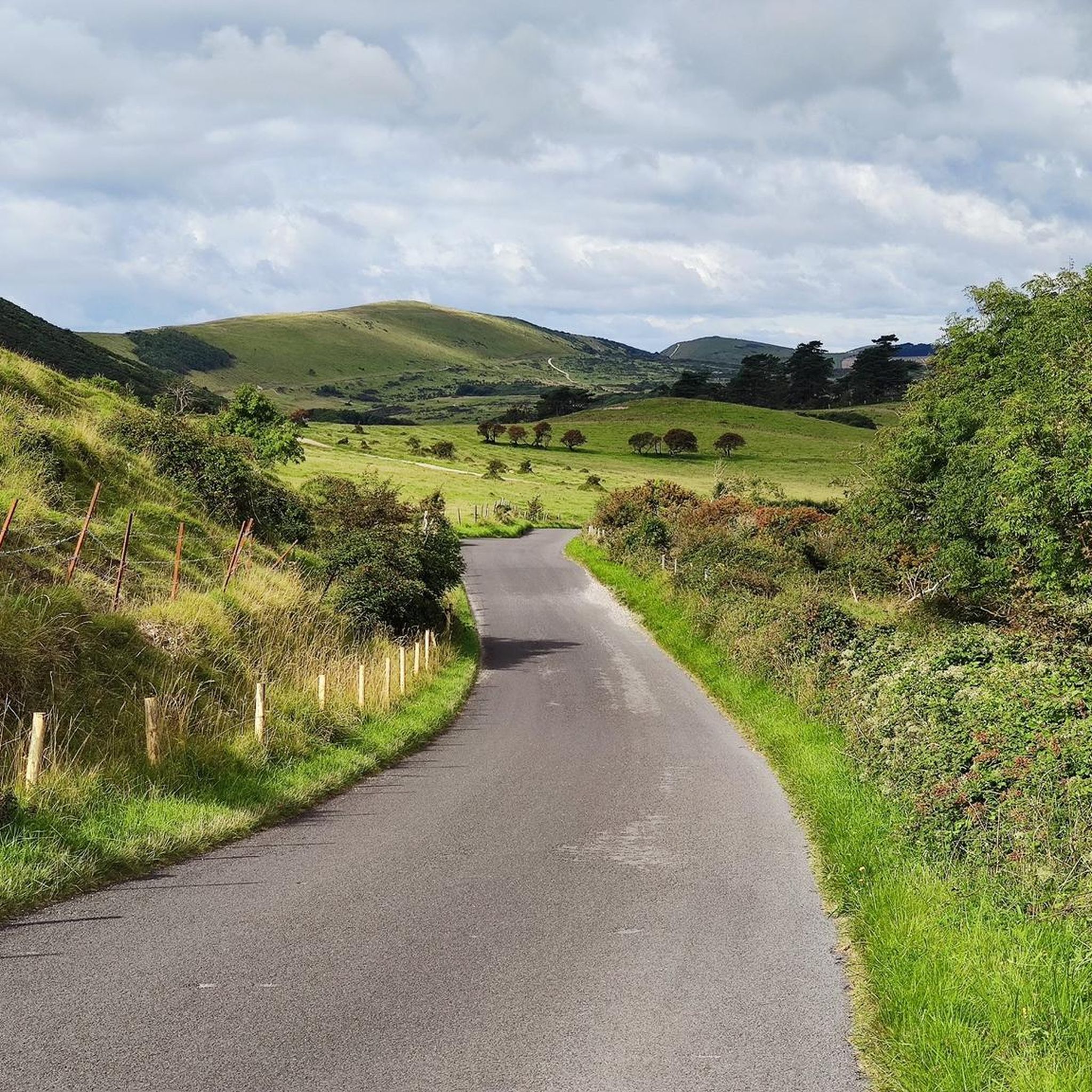
As you pedal around the undulating landscape, the trees and hedges often part to bring you exceptional views. This is one such place, well worth taking the time to pause at to admire the patchwork landscape beyond. And, of course, take a quick photo of your bike in the foreground.
0
0

Commemoration Second World War (1939-1945), First World War (1914-1918), Northern Ireland Conflict; The Troubles (1969-1998) Maker Ham Hill and Doulting Stone Company (Makers) Mr W. Bussell of Montacute (Designer) Ceremony Unknown Date: 19 July 1923 Attended by: HRH Prince of Wales KG laid a bronze laurel wreath at the foot of the memorial (to whose column it was later fixed). Unveiled Date: 26 September 1920 Attended by: Reverend E. Skilton Dedicated Date: 26 September 1920 Attended by: Reverend E. Skilton performed the service. Those present included relatives of the Fallen, and villagers
3
0
There is a single pub called the “The Prince Of Wales” at Hamhill, which sells, ice cream, ales, ciders, and food… With out door seating, overlooking the rolling Slopes.
2
0
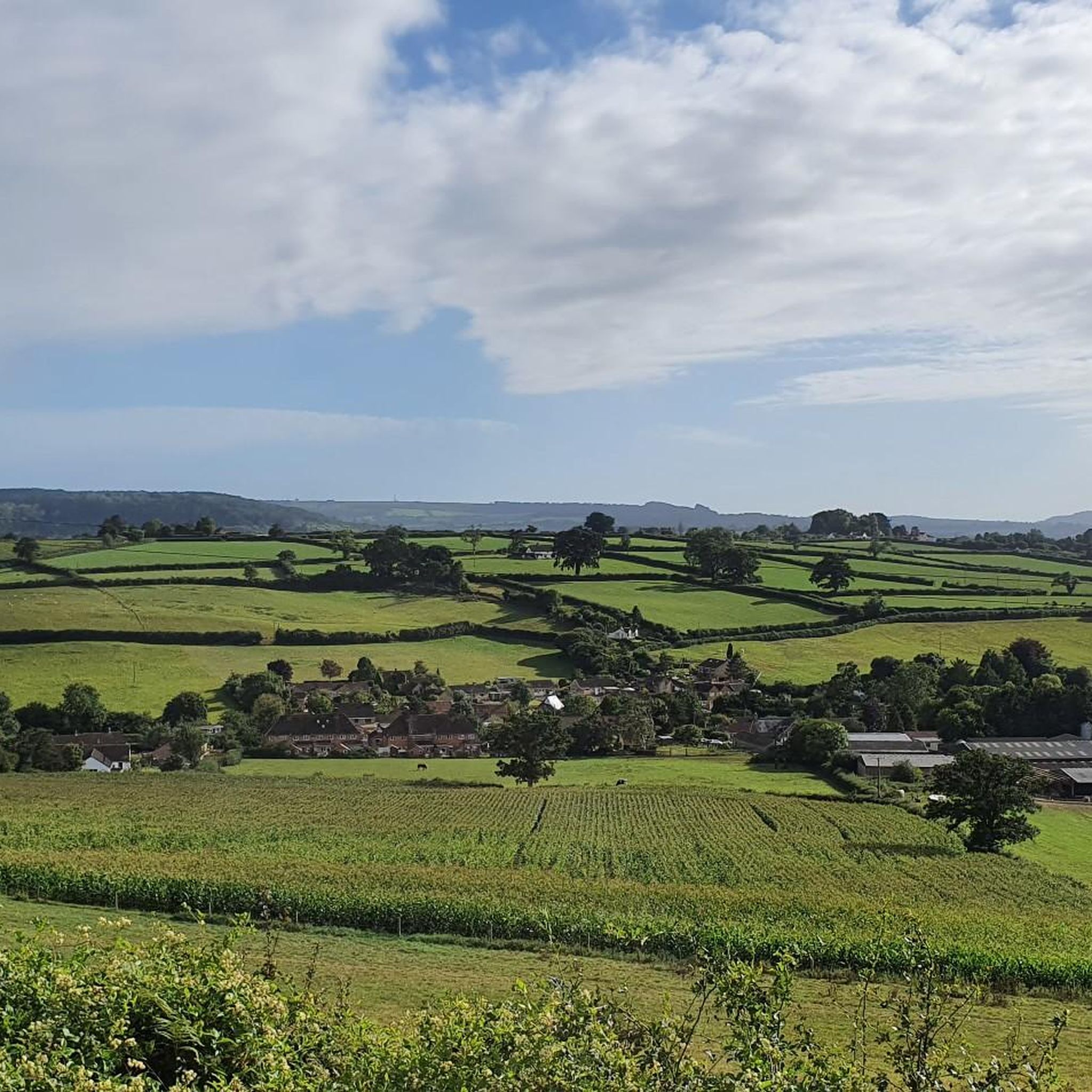
Somerset and Dorset are riddled with strip lynchets and some examples are particularly eye-catching. Best viewed from a distance, strip lynchets were a type of earthwork commonly used in ancient field systems, mainly in southern Britain. Like terraces in other countries, it’s thought that strip lynchets were made to increase the agricultural land available in hilly areas. There’s also a theory that they came about as a result of repeated ploughing. These ones can be seen from the south, on the southern side of Brympton Hill.
1
0


The Hundred Stone’s unassuming appearance belies its historical significance. During Anglo Saxon times, this stone, along with others nearby, marked various ‘hundreds’; local communities with independent courts and law. There is a good chance the stone was erected even before the arrival of the Saxons, though.
3
0
Frequently Asked Questions
What are the most popular natural monuments around Closworth for visitors?
Visitors frequently enjoy exploring Ham Hill Country Park, which is a significant natural and historical site featuring an Iron Age hillfort and panoramic views. Another popular spot is the View of Strip Lynchets on Brympton Hill, showcasing ancient field systems that are best viewed from a distance.
Are there family-friendly natural attractions near Closworth?
Yes, Ham Hill Country Park is considered family-friendly, offering well-maintained walking trails suitable for various abilities. Additionally, Yeovil Country Park, with its Ninesprings area, provides a mix of woodlands, meadows, and water features, making it ideal for family days out and peaceful strolls.
What kind of historical features can I find at these natural monuments?
The region is rich in history. Ham Hill Country Park is centered around one of the largest Iron Age hillforts in the UK, with archaeological evidence dating back to the Bronze Age. You can also see ancient field systems at the View of Strip Lynchets on Brympton Hill, which are earthworks from ancient agricultural practices.
What outdoor activities can I do near the natural monuments around Closworth?
The area offers a variety of outdoor activities. You can find numerous cycling routes, including road cycling and touring bicycle options, with guides like Road Cycling Routes around Closworth and Cycling around Closworth. For mountain biking, explore trails in guides such as MTB Trails around Closworth. Many of these routes pass by or through the natural attractions.
Are there good walking trails near Closworth's natural monuments?
Yes, both Ham Hill Country Park and Yeovil Country Park offer extensive networks of walking trails. Ham Hill has trails catering to various abilities, including an all-ability trail, while Yeovil Country Park's Ninesprings area features footpaths through woodlands and meadows. The River Yeo and Sutton Bingham Reservoir also provide tranquil riverside and lakeside walking routes.
Where can I find panoramic views of the Somerset countryside?
For breathtaking, far-reaching views, head to Ham Hill Country Park. From its elevated position, you can see across the South Somerset Levels to the Mendip Hills and Exmoor. Additionally, Penn Hill, Summerhouse Hill, and Wyndham Hill within Yeovil Country Park offer superb local views over Yeovil and the surrounding countryside.
What unique geological features can be observed in the area?
The most prominent geological feature is the iconic golden limestone known as Hamstone, extensively quarried at Ham Hill Country Park. Remnants of original quarries are still visible, and this stone has been used in many local buildings. The wider rural landscape is also characterized by Cornbrash limestone.
What is the best time of year to visit the natural monuments around Closworth?
The natural monuments are accessible year-round. Spring and summer are ideal for enjoying wildflowers and wildlife, while autumn offers beautiful foliage. Winter can provide a different, often quieter, experience, though some paths might be muddy. Always check local weather conditions before your visit.
Are there dog-friendly trails at the natural monuments?
Yes, many of the natural areas around Closworth are dog-friendly. Ham Hill Country Park is a popular spot for dog walks, offering open spaces and trails. Yeovil Country Park also welcomes dogs, though it's always advisable to keep them on a lead in certain areas to protect wildlife and livestock.
Where can I spot wildlife near Closworth?
The diverse habitats of Ham Hill Country Park, including wildflower meadows and woodlands, are excellent for wildlife watching, such as birds, butterflies, and small mammals. Yeovil Country Park, with its varied landscapes and the River Yeo, supports a wide array of wildlife, including otters, kingfishers, water voles, various bird species, and mammals like foxes and badgers.
What is The Hundred Stone and its significance?
The Hundred Stone is a historically significant landmark. During Anglo-Saxon times, this stone, along with others, marked various 'hundreds' – local communities with independent courts. It's believed the stone might even predate the Saxons, adding to its ancient appeal.
Are there any less crowded natural monuments or tranquil spots?
While Ham Hill and Yeovil Country Park can be popular, the areas around the River Yeo and Sutton Bingham Reservoir offer a more tranquil experience. These locations provide pleasant walking routes through undulating agricultural fields and along the reservoir's edge, often with fewer crowds.
Where can I find information about parking at these natural monuments?
Parking is generally available at the main natural attractions. For instance, Ham Hill Country Park has designated parking areas. Yeovil Country Park also offers various car parks, particularly near its popular Ninesprings section. For detailed information on specific park facilities, you can check the official websites for Ham Hill Country Park and Yeovil Country Park.
Most popular attractions around Closworth

Get inspired with the komoot mobile app


Explore more
Extend your search for the best caves by checking out these guides of the top ones around Closworth:
