Top 20 Natural Monuments around Stanton St. Gabriel
Best natural monuments around Stanton St. Gabriel are concentrated in a civil parish in West Dorset, England, known for its significant geological features and historical sites. The area is part of the UNESCO World Heritage Jurassic Coast, featuring prominent landmarks like Golden Cap. This region offers diverse natural landscapes, including high coastal points, ancient cliffs, and rolling hills. The natural monuments here provide insights into millions of years of geological history and host remnants of early human settlements.
Best natural…
Last updated: October 4, 2026
Golden Cap Summit
Highlight • Summit
Tip by

Pilsdon Pen Summit and Trig Point
Highlight • Natural Monument
Tip by
Sign up now to discover places like this
Get recommendations on the best single tracks, peaks, & plenty of other exciting outdoor places.
Charmouth Beach
Highlight • Historical Site
Tip by
West Bay Cliffs
Highlight • Natural Monument
Tip by

Doghouse Hill
Highlight (Segment) • Summit
Translated by Google •
Tip by

Sign up for free to discover even more natural monuments around Stanton St. Gabriel.
Already have an account?
Start today with a free account
Your next adventure awaits.
Popular around Stanton St. Gabriel
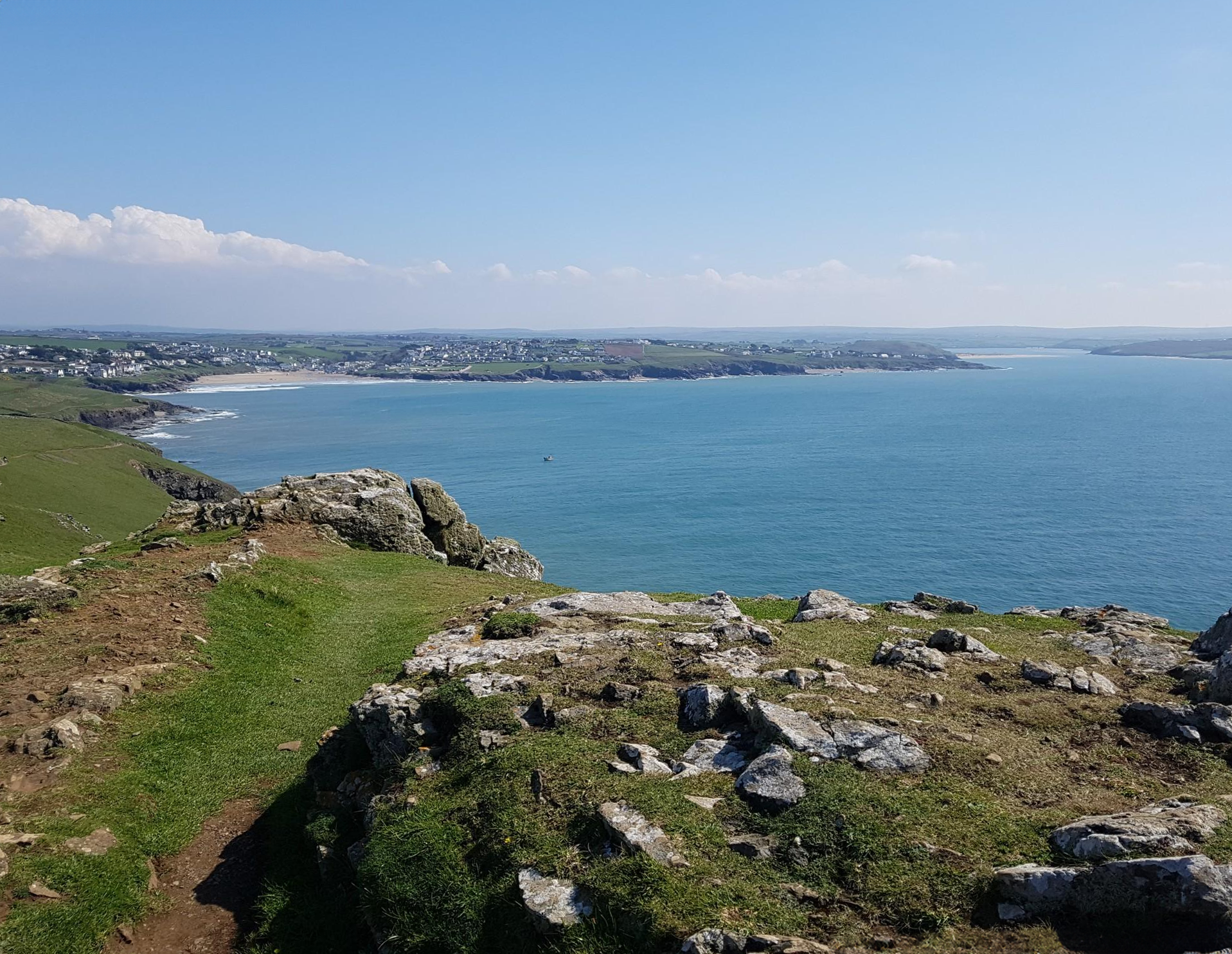
Trust10 – Trail Runs. In nature, for nature.
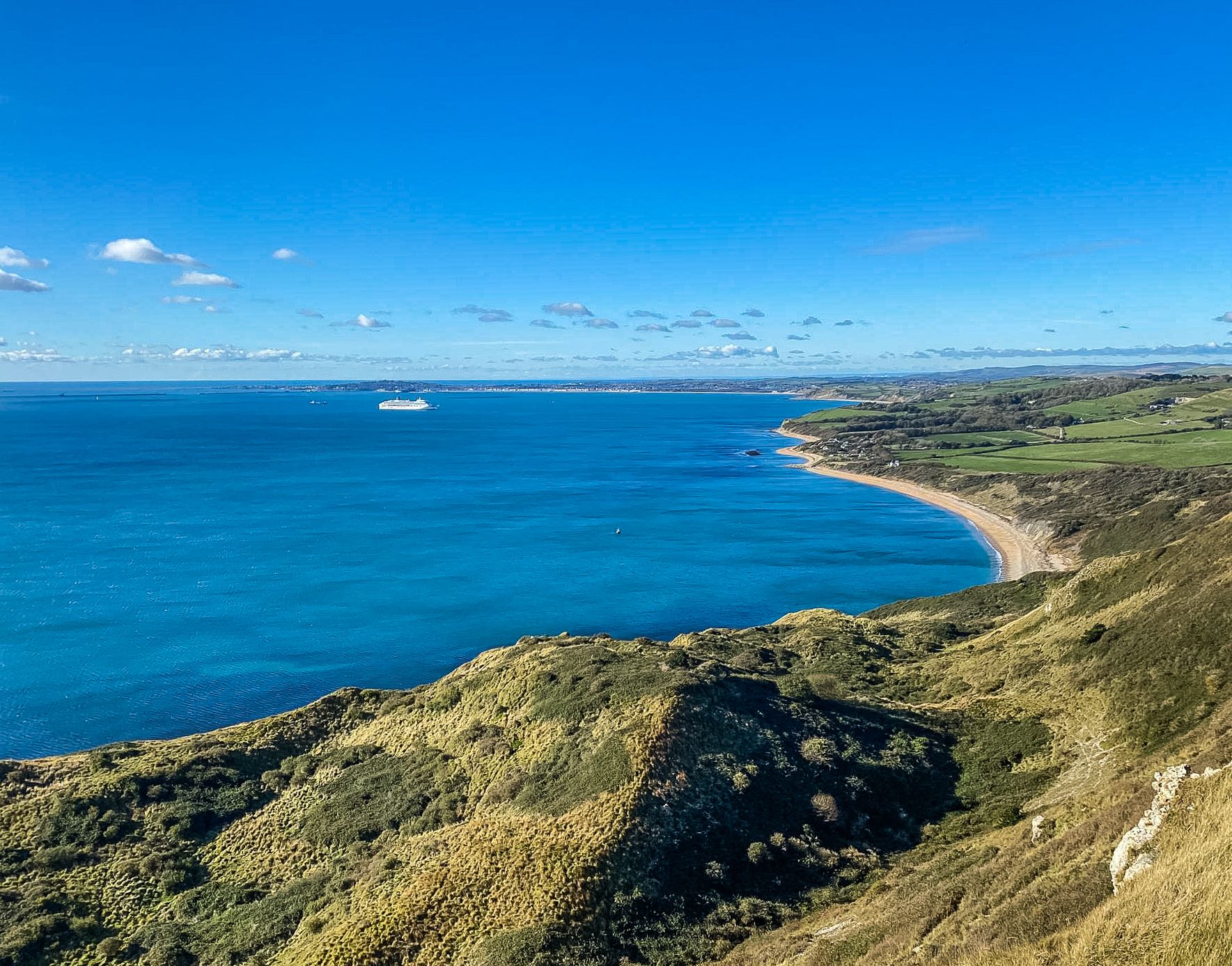
20 fantastic trails in North & West Dorset — National Trust
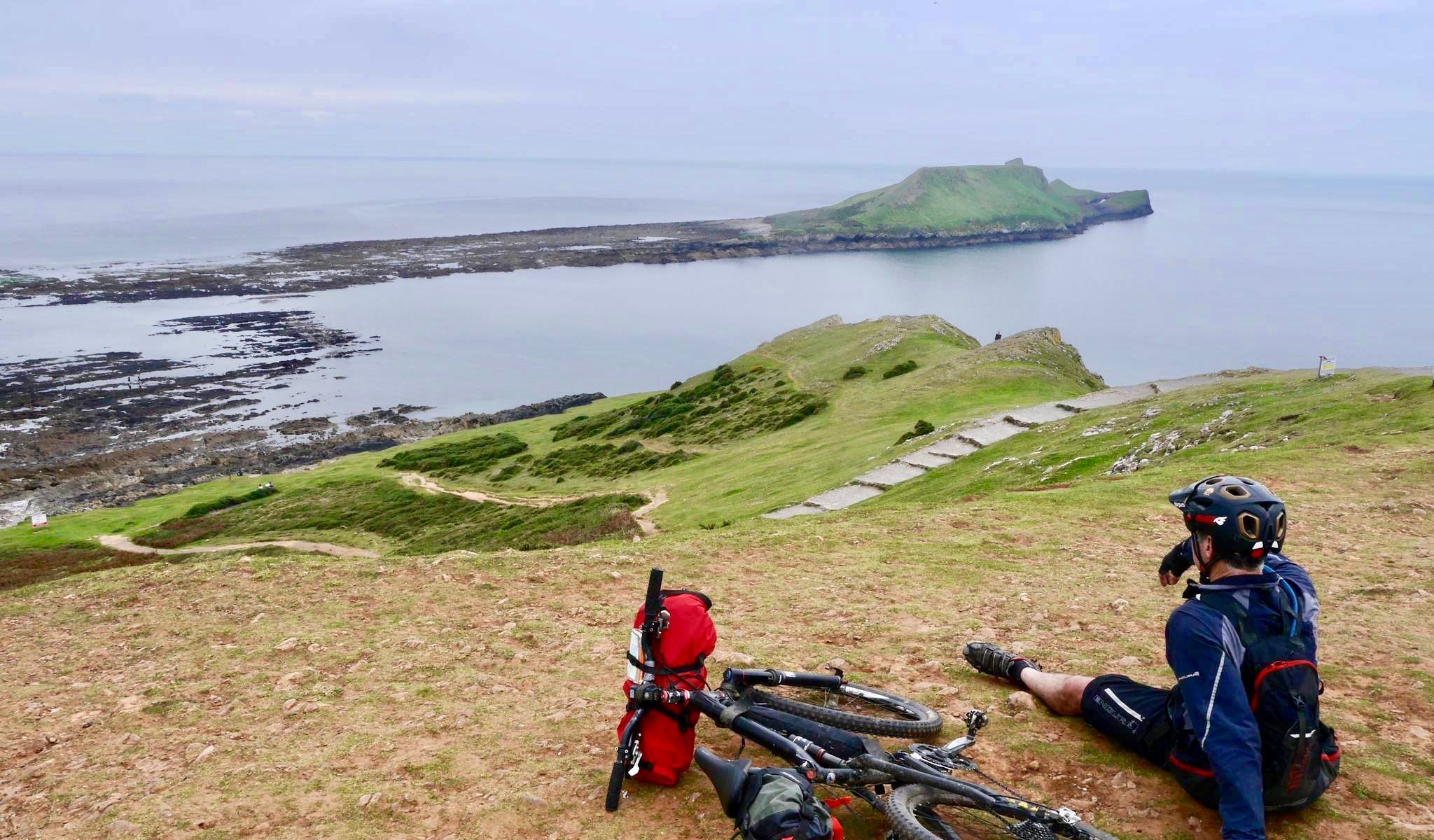
Coastal mountain biking in the South of England and Wales
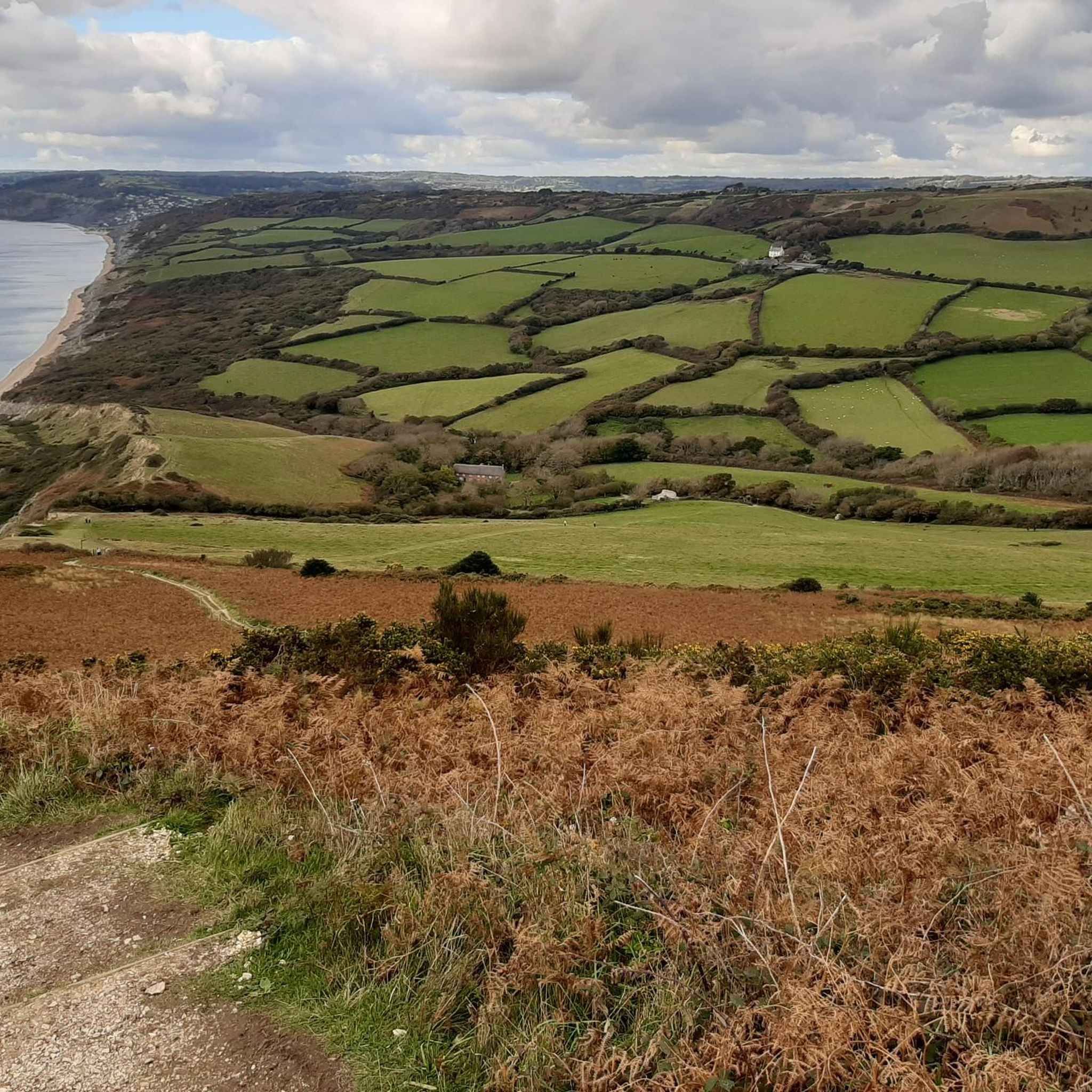
Hiking around Stanton St. Gabriel
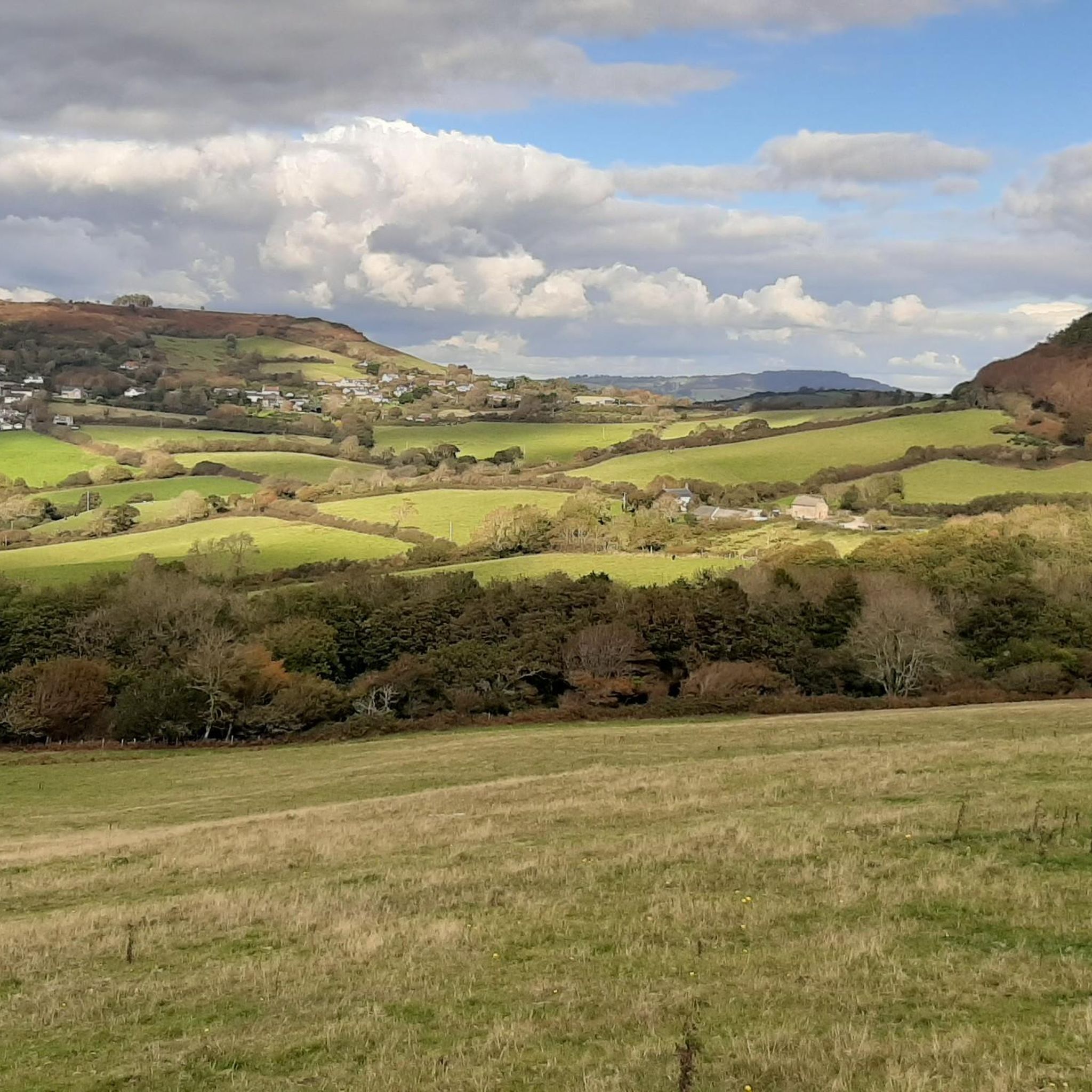
Running Trails around Stanton St. Gabriel
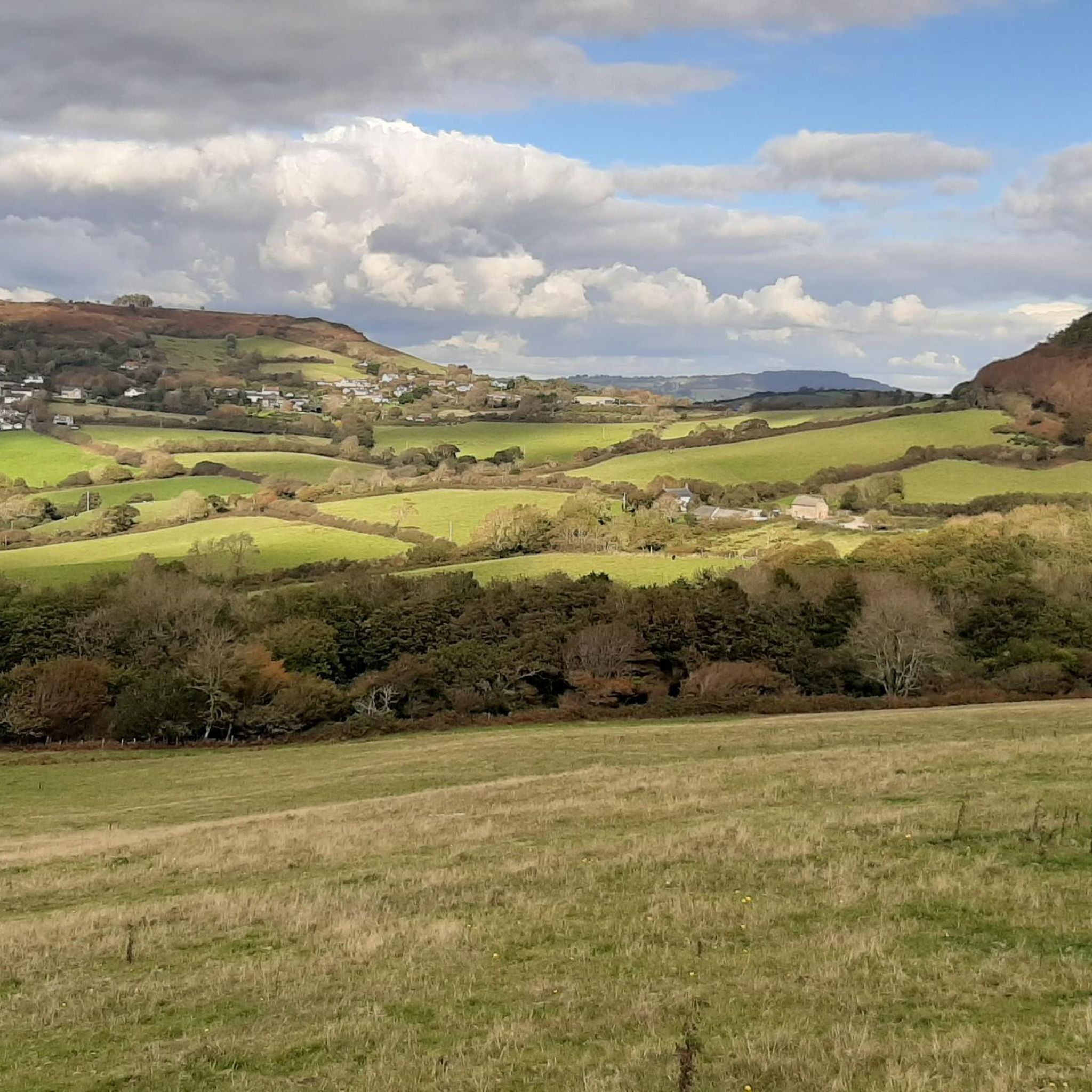
MTB Trails around Stanton St. Gabriel
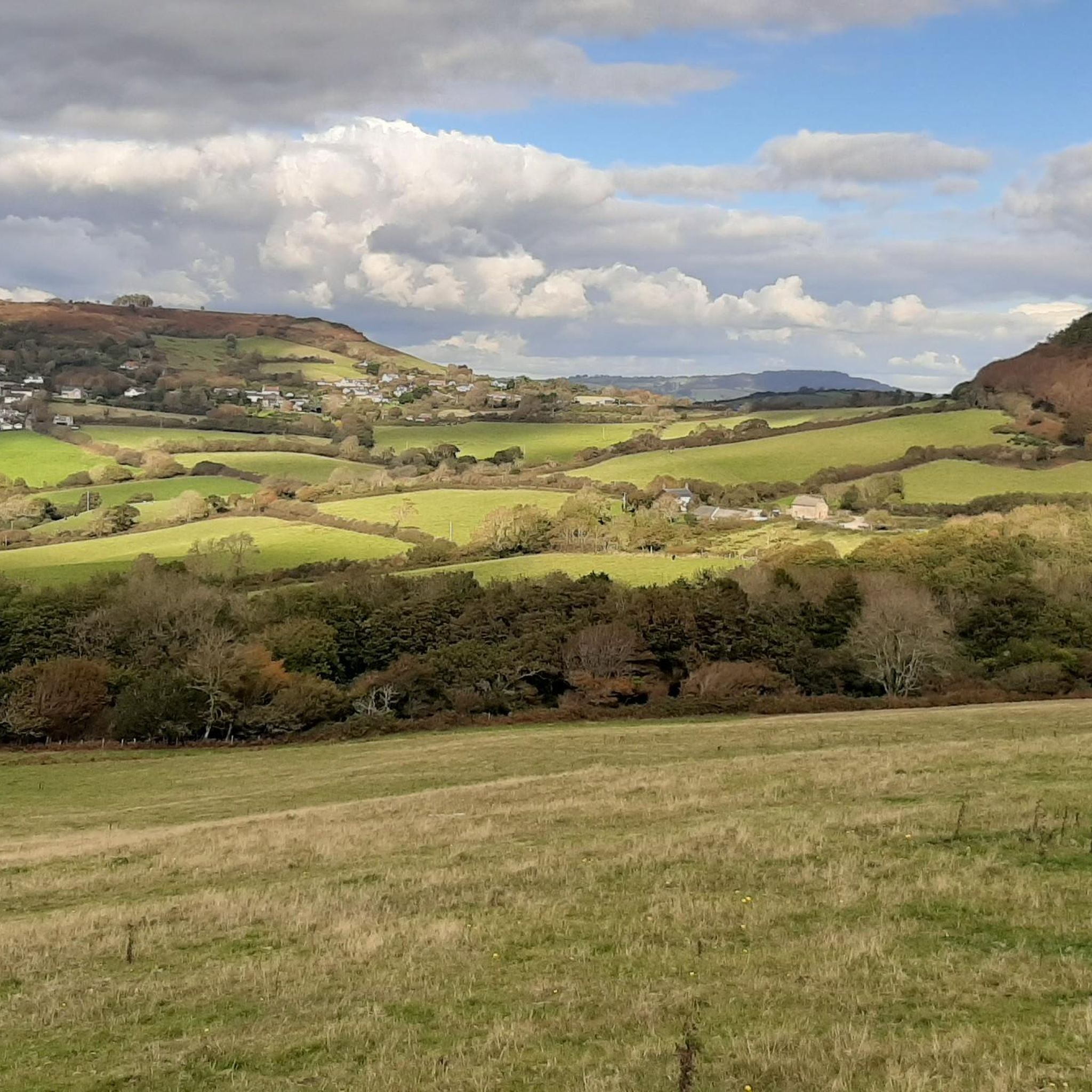
Road Cycling Routes around Stanton St. Gabriel
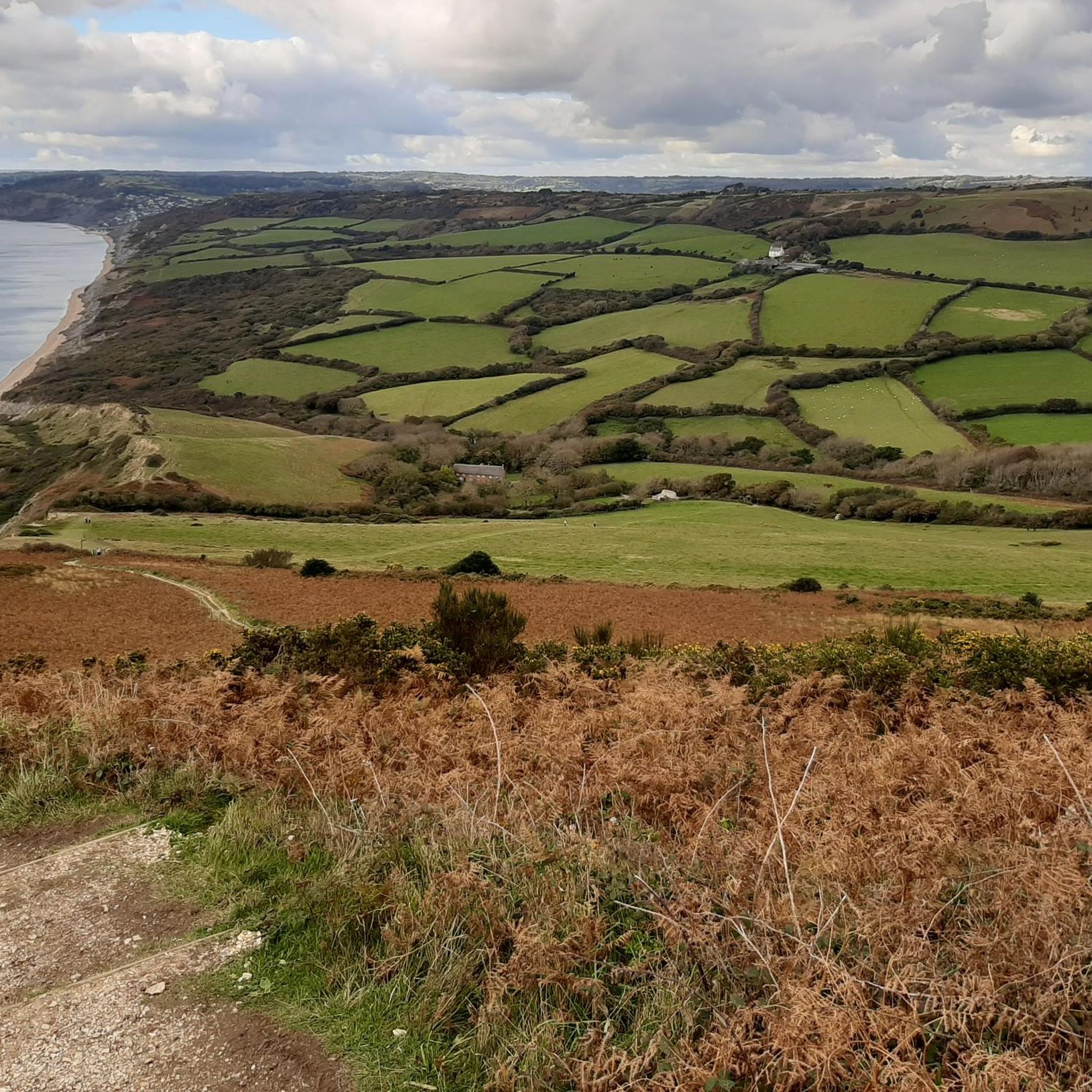
Cycling around Stanton St. Gabriel
Other adventures around Stanton St. Gabriel


Tips from the Community

From the trig point at Pilsdon Pen summit, you get spectacular, wide-open views across Dorset. Looking south, the eye sweeps over the lush farmlands and rolling hills of the Marshwood Vale, extending all the way down to Bridport and the dramatic cliffs of the Jurassic Coast.
0
0

The coast path between West Bay and Burton Bradstock is currently closed due to a landslip. A diversion is in place using the public footpath across Bridport and West Dorset Golf Club. Please see the South West Coast Path website for further info and a map of the diversion.
0
0


As far as I am aware, the West Bay coastal path is closed due to many landslip and the path disappearing into the bay.
0
0

The cliff top is closed due to massive erosion and possible land slips. There is a diversion which leads through the golf course.
0
0
A lot of coastal erosion at this area as of late, and sections of cliffs, above and below are now off limits to members of the public to due safety reasons. West bay and the cliffs are the locations used for the ITV drama Broadchurch. Fascinating looking around the the little fishing village and seeing the locations used in person.
0
0
The highest point on the south coast of England. quite the lung opener and leg burner to reach. well worth it with the views though. Just be careful near the cliff edge. Constantly eroding away.
3
0
Quite the climb up, regardless of which side you choose. Experts now believe people lived on Doghouse Hill on the Golden Cap estate up to 10,000 years ago. Finds included a stone hearth, fire pit and pot shards from Bronze Age periods (2,500 to 1,000BC) and others from the Mesolithic Age (10,000 to 4,000BC) Martin Papworth, from the National Trust, said: "Although it's a stunning coastal site now, 6,000 to 8,000 years ago this area would have been over a mile inland. To find ancient pottery decorated with fingernail impressions and touch them with one's own hand, that's real contact with the past Martin Papworth, National Trust "The Mesolithic people who lived on top of Doghouse hill would have pre-dated farming, so would have been hunter-gatherers using these flints to work hides, cut meat and scrape fat from animal skins. "After millennia of erosion, it's at risk of disappearing into the sea itself."
0
0
Frequently Asked Questions
What are the most notable natural features to explore around Stanton St. Gabriel?
The area is rich in natural features, primarily along the UNESCO World Heritage Jurassic Coast. Key highlights include Golden Cap Summit, the highest point on the South Coast offering extensive views, and the dramatic West Bay Cliffs, known for their 175-million-year-old geology. You can also visit Pilsdon Pen Summit and Trig Point, the second highest point in Dorset, providing panoramic views of the rolling countryside.
Are there historical sites integrated with the natural monuments in this region?
Yes, several natural monuments also boast significant historical elements. Doghouse Hill is believed to have been settled in the Mesolithic period, with finds dating back 10,000 years. The area around Golden Cap also features the ruins of the Chapel of Stanton St Gabriel, an ancient Saxon settlement with a rich history, including legends of its founding and use by smugglers.
What kind of wildlife can I expect to see near the natural monuments?
The Golden Cap estate, which encompasses many natural monuments, is a haven for wildlife. You can spot diverse birds, reptiles, butterflies, and dragonflies. The area is also known for its wildflowers and rare fungi, making it a great spot for nature observation.
What are the best times to visit the natural monuments around Stanton St. Gabriel?
The natural monuments can be enjoyed year-round. Spring and summer offer vibrant wildflowers and warmer weather for coastal walks. Autumn provides beautiful colors and fewer crowds. Winter hikes can be invigorating, but be prepared for potentially challenging weather conditions, especially on exposed coastal paths like those around Golden Cap.
Are there family-friendly options among the natural monuments?
Yes, Charmouth Beach is particularly family-friendly, known as one of the best places in the UK for fossil hunting. Many of the walks around Golden Cap also offer less strenuous circular routes through woodlands, suitable for families.
Can I bring my dog to the natural monuments and on trails?
Many areas around Stanton St. Gabriel, including the National Trust land around Golden Cap, are dog-friendly. However, it's always best to keep dogs on a lead, especially near livestock, cliff edges, and during ground-nesting bird seasons. Always check local signage for specific restrictions.
What are the typical terrain and difficulty levels for trails near these natural monuments?
The terrain varies significantly. Trails to Golden Cap Summit and Doghouse Hill involve challenging climbs with significant elevation gain. Other areas, like some routes through woodlands or along sections of Charmouth Beach, offer easier, more gentle walks. Coastal paths can be uneven and exposed.
What outdoor activities can I do near the natural monuments?
The area is ideal for walking, hiking, and running. You can find a variety of routes, from easy strolls to challenging coastal treks. For specific hiking routes, explore the Hiking around Stanton St. Gabriel guide. For easier options, check out the Easy hikes around Stanton St. Gabriel guide. Running enthusiasts can find trails in the Running Trails around Stanton St. Gabriel guide.
Are there cafes or pubs near the natural monuments for refreshments?
While the natural monuments themselves are often in secluded natural settings, you can find cafes and pubs in nearby villages and towns such as Charmouth or Seatown, which are common starting points or endpoints for walks in the area.
What are the parking options for visiting natural monuments like Golden Cap?
Parking is available at various points around the natural monuments. For Golden Cap, popular car parks include those at Seatown or Stonebarrow Hill, which is managed by the National Trust. These often serve as starting points for walks to the summit and surrounding areas.
What do visitors enjoy most about the natural monuments around Stanton St. Gabriel?
Visitors frequently praise the utterly breathtaking panoramic views from high points like Golden Cap Summit and Pilsdon Pen Summit and Trig Point. The geological significance of the Jurassic Coast, particularly the 175-million-year-old West Bay Cliffs and the fossil-rich Charmouth Beach, is also a major draw. The sense of history and solitude found at sites like the ruined chapel near Golden Cap is also highly valued.
Most popular routes around Stanton St. Gabriel
Most popular attractions around Stanton St. Gabriel

Get inspired with the komoot mobile app


Explore more
Extend your search for the best caves by checking out these guides of the top ones around Stanton St. Gabriel:
