Top 20 Natural Monuments around Wareham St. Martin
Natural monuments around Wareham St. Martin offer access to diverse natural landscapes in Dorset, England. The region is characterized by expansive forests, unique heathlands, and significant river systems. These areas provide varied habitats and are recognized for their ecological importance. Visitors can explore a range of natural features, from ancient rock formations to coastal bays and protected nature reserves.
Best natural monuments around Wareham St. Martin
- The most popular natural monuments is Agglestone Rock, a natural monument that is…
Last updated: May 3, 2026
Kimmeridge Bay and Clavell Tower
Highlight • Viewpoint
Tip by

Agglestone Rock
Highlight • Natural Monument
Tip by

Sign up now to discover places like this
Get recommendations on the best single tracks, peaks, & plenty of other exciting outdoor places.
Sign up for free
Bankes Arms Inn
Highlight • Historical Site
Translated by Google •
Tip by

Worbarrow Bay
Highlight • Viewpoint
Tip by
Ballard Down Obelisk
Highlight • Monument
Tip by

Sign up for free to discover even more natural monuments around Wareham St. Martin.
Sign up for free
Already have an account?
Start today with a free account
Your next adventure awaits.
Login or Signup
Tips from the Community

The "Why" Behind the Hill Burt didn't just put it there because it looked nice. He dedicated it to his uncle and mentor, John Mowlem (another massive figure in Swanage history). But there was a practical side, too: A Landmark: It served as a waypoint for ships navigating the tricky waters around Old Harry Rocks. The View: Burt was obsessed with showing off the beauty of his hometown. By placing it on the ridge, he essentially gave people a reason to climb the hill and look down at the town he was helping to build. The Great Disappearing Act (WWII) If you look closely at the obelisk today, it looks remarkably "clean." That’s because the one you see now is a reconstruction. During World War II, the original stone obelisk was considered a "navigational hazard." The British military was worried that German pilots would use the tall, white stone pillar as a landmark to help them find their bearings for bombing raids on nearby Bournemouth or Poole. So, in 1941, they knocked it down. For decades, it lay in pieces in the grass. It wasn't until 1973 that the Encombe Estate and local residents gathered the resources to rebuild it (using a mix of the original stone and some fresh Purbeck masonry) to celebrate "Plant a Tree in '73"—though ironic, as there isn't a tree in sight on that windy ridge!
0
0
If you’ve been hiking those ridges, that lone stone pillar standing guard over Swanage has likely caught your eye. It’s officially known as the Ballard Down Obelisk (or the Burt Memorial), and the story behind it is a classic tale of Victorian pride, a bit of eccentricity, and some very literal "re-gifting." The "Stolen" Monument The obelisk wasn't originally built for the Purbeck Hills. It actually started its life in London. In the mid-1800s, it served as a monument to a man named James Thompson, standing near the entrance to the Vauxhall Bridge. However, when the bridge was being rebuilt in the late 19th century, the obelisk became an "obstruction" and was destined for the scrap heap. Enter George Burt: The Man Who Moved London Swanage looks the way it does today largely because of George Burt, a local businessman who ran a massive masonry firm in London. He had a habit of taking "architectural leftovers" from London and shipping them back to Swanage as ballast on his empty stone boats. When he saw the obelisk was going to be demolished in 1892, he stepped in. He didn't just save it; he dismantled it, shipped it down the coast, and hauled it all the way to the top of Ballard Down.
0
0

Formerly an "anvil" shape with a flat top, in 1970 it fell on one end and one side, leaving the top at an angle of about 45°.
0
0

There's no better place to wait out a rain shower. A classic pub with a selection of beers and ciders and actually good food.
0
0
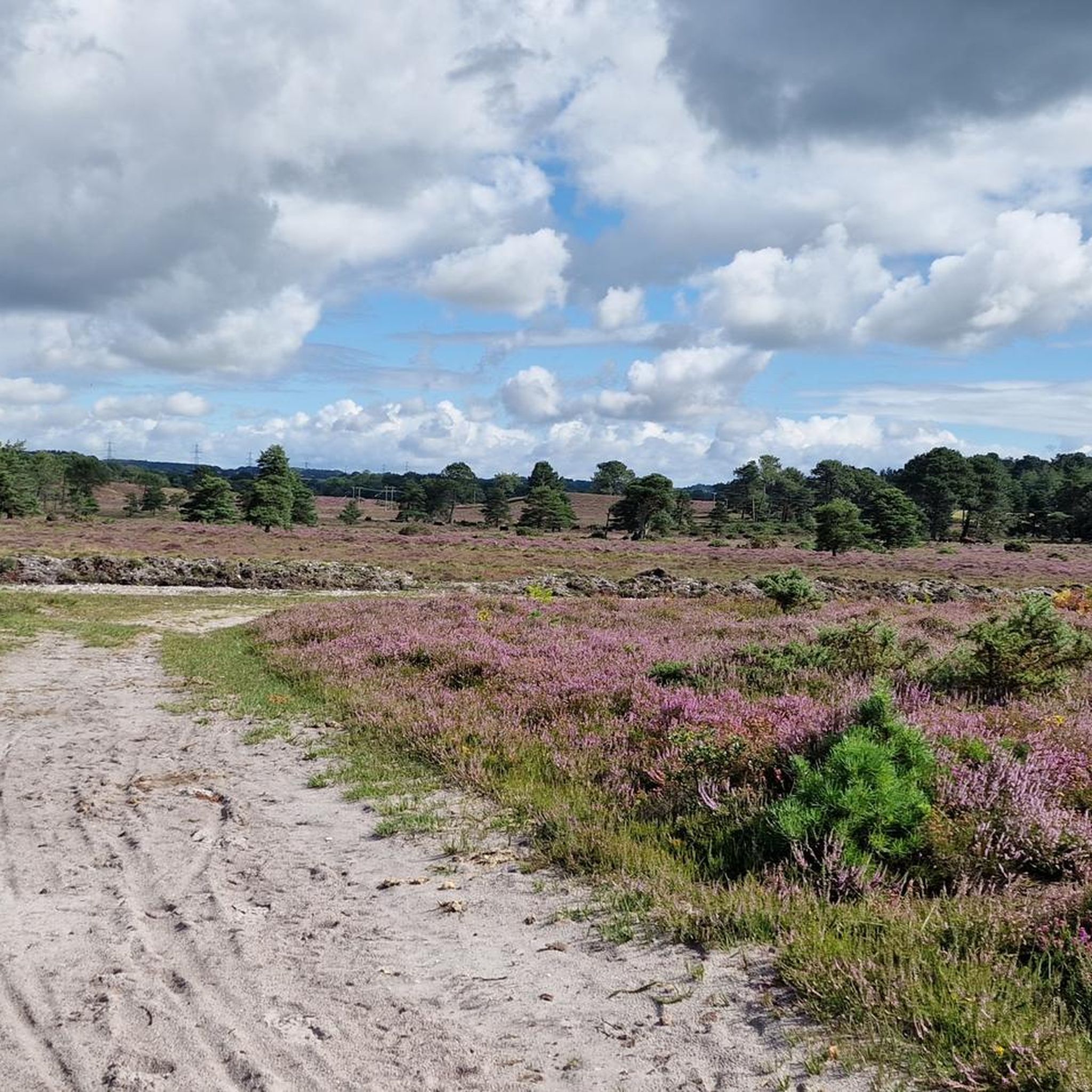
also known as the "Devil's Anvil," is a large, distinctive sandstone block located on a conical hill on Godlingston Heath near the village of Studland in south Dorset, England. This impressive rock, weighing approximately 400 tonnes, is a popular landmark and a local curiosity. Local legends offer a more dramatic explanation for the rock's existence. The most famous myth says the Devil, standing on The Needles on the Isle of Wight, hurled the massive rock with the intention of hitting Corfe Castle, Bindon Abbey, or Salisbury Cathedral. However, his aim was poor, and the rock landed short of its target, where it now sits. Before it toppled over in 1970, the rock had a flat top and an anvil-like shape, which led to its nickname "the Devil's Anvil." Some folklore also suggests that the rock was a holy stone or a Druidical altar.
0
0


A beautiful pub to stop at when you’ve finished the walk. The cider was delicious.
0
0

It's beautiful and cozy here. It's a starting point for many tours.
0
0
Frequently Asked Questions
What types of natural monuments can I explore around Wareham St. Martin?
The area around Wareham St. Martin offers a diverse range of natural monuments. You can find unique geological formations like Agglestone Rock, stunning coastal features such as Kimmeridge Bay and Clavell Tower and Worbarrow Bay, and expansive natural reserves like Wareham Forest and Purbeck Heaths National Nature Reserve, which feature heathlands, woodlands, and river systems.
Are there family-friendly natural monuments or activities in the area?
Yes, several natural monuments are suitable for families. The Sand Dunes at Knoll Beach are particularly family-friendly, offering opportunities to explore rich wildlife and enjoy the beach. Wareham Forest also provides numerous tracks, including the Sika Trail, which is great for cycling and walking with children.
What kind of wildlife can I expect to see at these natural monuments?
The region is incredibly biodiverse. At Purbeck Heaths National Nature Reserve, you might spot all six native reptile species, rare wildflowers, and numerous bird species. Wareham Forest is home to Sika deer, rare Woodlarks, Sand Lizards, and Smooth Snakes. The Sand Dunes at Knoll Beach are known for sand lizards, meadow pipits, and heath tiger beetles. The Rivers Frome and Piddle also support diverse aquatic and riverside wildlife.
When is the best time to visit the natural monuments around Wareham St. Martin?
The natural monuments can be enjoyed year-round, but spring and summer offer the best weather for outdoor activities and wildlife spotting, especially for wildflowers and reptiles. Autumn brings beautiful foliage to the woodlands. Some coastal areas, like Worbarrow Bay, are part of firing ranges, so access is limited to most weekends and public holidays; it's advisable to check firing times before planning your visit.
Can I bring my dog to the natural monuments around Wareham St. Martin?
Many natural areas and trails around Wareham St. Martin are dog-friendly, especially the extensive network of paths in Wareham Forest and across the heathlands. However, it's always best to keep dogs on a lead, especially in nature reserves like Purbeck Heaths, to protect ground-nesting birds and other wildlife, and to follow any specific signage regarding dog access.
What outdoor activities can I do near these natural monuments?
The area is excellent for various outdoor activities. You can enjoy cycling on routes like the Sika Trail in Wareham Forest, with options for easy to difficult rides. There are also numerous running trails, including loops around Wareham St. Martin and Sherford Bridge. For more details on routes, you can explore guides such as Cycling around Wareham St. Martin, MTB Trails around Wareham St. Martin, and Running Trails around Wareham St. Martin.
Are there any historical sites combined with natural beauty?
Yes, Woolsbarrow Hillfort, located within Bloxworth Heath, offers a unique combination of history and nature. This ancient hillfort dates back to the 9th-5th centuries BC and provides interesting views of the undulating heathland from its trig pillar. It's a popular walking area, allowing visitors to appreciate both archaeological heritage and natural surroundings.
Is parking available at the natural monuments?
Parking is generally available at popular access points for many natural monuments, such as Wareham Forest and near Kimmeridge Bay, though there might be a cost. For specific locations, it's advisable to check local information or signage upon arrival.
Are there facilities like cafes or restrooms near the natural monuments?
While some popular spots like Knoll Beach may have facilities, many natural monuments are in more remote areas. It's recommended to plan ahead and bring your own refreshments. There is an excellent cafe (in a trailer) run by a pro bike mechanic at the start of the Sika Trail in Wareham Forest, near Woolsbarrow Hillfort.
What should I wear when visiting the natural monuments in Dorset?
Given the varied terrain, which includes heathlands, woodlands, and coastal paths, it's best to wear sturdy walking shoes or boots. Layered clothing is advisable to adapt to changing weather conditions, and waterproofs are recommended, especially outside of summer. Sun protection is also important for exposed areas.
Are there any lesser-known natural monuments worth discovering?
Beyond the well-known sites, the Rivers Frome and Piddle offer tranquil natural environments for picturesque walks along their banks and water meadows. These areas are rich in wildlife and provide a peaceful escape, forming part of the larger Poole Harbour trail system.
Most popular routes around Wareham St. Martin
Most popular attractions around Wareham St. Martin

Get inspired with the komoot mobile app


Explore more
Extend your search for the best caves by checking out these guides of the top ones around Wareham St. Martin:
