Top 20 Natural Monuments around Wareham Town
Natural monuments around Wareham Town showcase the diverse geological and coastal features of the Dorset region. This area is known for its unique rock formations, dramatic coastlines, and significant conservation sites. Visitors can explore ancient landscapes, sandy beaches, and areas rich in wildlife and historical significance. The natural environment offers a range of outdoor activities.
Best natural monuments around Wareham Town
- The most popular natural monuments is Agglestone Rock, a natural monument that is an iron-rich, 400-tonne sandstone rock…
Last updated: August 10, 2026
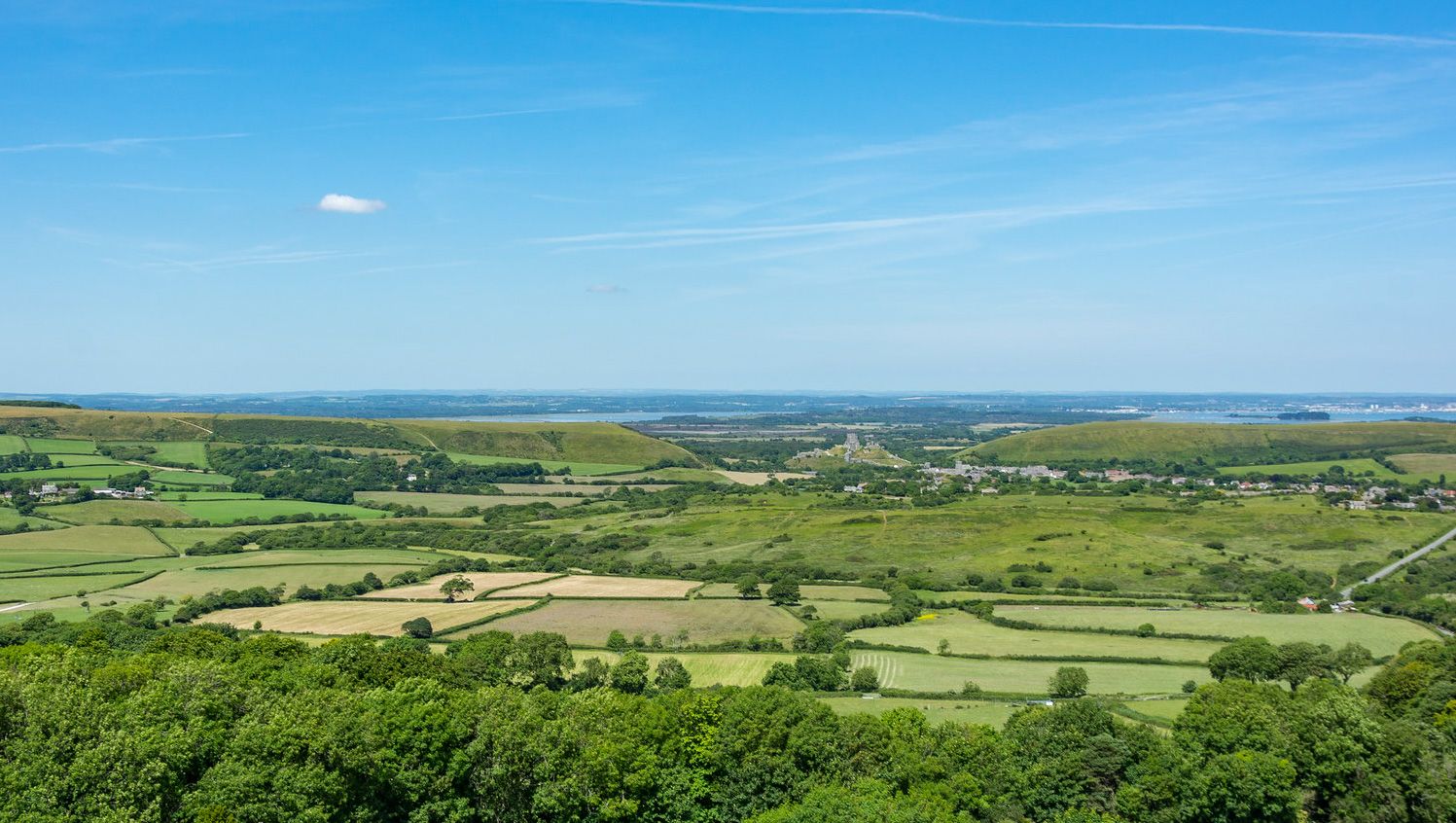
Kimmeridge Bay and Clavell Tower
Highlight • Viewpoint
Tip by

Agglestone Rock
Highlight • Natural Monument
Tip by

Sign up now to discover places like this
Get recommendations on the best single tracks, peaks, & plenty of other exciting outdoor places.
Sign up for free
Worbarrow Bay
Highlight • Viewpoint
Tip by
Woolsbarrow Hillfort
Highlight • Historical Site
Tip by

Sand Dunes at Knoll Beach
Highlight • Beach
Tip by
Sign up for free to discover even more natural monuments around Wareham Town.
Sign up for free
Already have an account?
Start today with a free account
Your next adventure awaits.
Login or Signup
Other adventures around Wareham Town

Tips from the Community


Formerly an "anvil" shape with a flat top, in 1970 it fell on one end and one side, leaving the top at an angle of about 45°.
0
0

also known as the "Devil's Anvil," is a large, distinctive sandstone block located on a conical hill on Godlingston Heath near the village of Studland in south Dorset, England. This impressive rock, weighing approximately 400 tonnes, is a popular landmark and a local curiosity. Local legends offer a more dramatic explanation for the rock's existence. The most famous myth says the Devil, standing on The Needles on the Isle of Wight, hurled the massive rock with the intention of hitting Corfe Castle, Bindon Abbey, or Salisbury Cathedral. However, his aim was poor, and the rock landed short of its target, where it now sits. Before it toppled over in 1970, the rock had a flat top and an anvil-like shape, which led to its nickname "the Devil's Anvil." Some folklore also suggests that the rock was a holy stone or a Druidical altar.
0
0


The dunes in the Studland system have been built up by wind-blown sand over the past 400-500 years and at the northern end of the peninsula, dunes are still growing at a rate of around 1m per year. There are four clear dune ridges here and they make this a great site to see how dunes progress over time, a process known as succession: furthest from the beach, the older mature dunes are covered in gorse and birch scrub, heather has flourished creating a beautiful region of dune heather, and younger embryo dunes by the sea at Shell Bay still have bare, shifting sand. A section furthest away from swanage is reserved as a naturist dune area. signage is in place.
0
0
A gorgoues unspoilt beach with golden sand, dunes and views out over the English Channel. Knoll Beach sits between Shell Bay and Middle Beach and is probably the best known of the Studland Beaches. It's also the longest with a stretch of 4 miles of beach along the coastline. Public Toilets, cafe, large car park and a beach hut library.
0
0
Worbarrow Bay is a large broad and shallow bay just to the east of Lulworth Cove. The residents of Worbarrow were required to leave their homes in 1943, including the Miller family who had lived at Worbarrow for many generations. Little evidence now remains of the eight cottages and coastguard station (disbanded in 1910) that once stood close to the bay. The area is only accessible when the ranges are closed.
0
0
Frequently Asked Questions
What unique geological formations can I explore around Wareham Town?
Wareham Town is home to several distinctive geological features. You can visit Agglestone Rock, an iron-rich, 400-tonne sandstone formation shrouded in local myths. Another notable site is Worbarrow Bay, part of the Jurassic Coast UNESCO World Heritage Site, known for its stunning chalk cliffs.
Are there any natural monuments suitable for families with children?
Yes, Sand Dunes at Knoll Beach is a family-friendly natural monument. It offers opportunities to explore rich wildlife, including sand lizards, and is part of a significant restoration project for these habitats. The beach setting also provides a great environment for children.
Where can I find scenic viewpoints among the natural monuments?
For breathtaking views, head to Kimmeridge Bay and Clavell Tower, where you can hike up to the folly for sweeping scenes across the bay. Agglestone Rock also offers great views from its location on Godlingston Heath. Additionally, Woolsbarrow Hillfort provides incredible views from its summit.
What kind of outdoor activities can I do near Wareham Town's natural monuments?
The area around Wareham Town offers diverse outdoor activities. You can enjoy hiking on trails like 'Poole Harbour Trails 4' or 'Wareham Forest loop from Sandford'. For cycling enthusiasts, there are gravel biking routes such as 'Wareham Quay – Sika Trail loop' and mountain biking trails like 'View of the Heathland – Sika Trail loop'. You can find more details on these activities in the hiking guide, gravel biking guide, and MTB trails guide for Wareham Town.
Are there any historical sites among the natural monuments?
Yes, Woolsbarrow Hillfort is a historical site located on a gravel knoll within Wareham Forest. It is the smallest hillfort in south-east Dorset and offers a glimpse into ancient landscapes alongside its natural beauty.
What are the best natural monuments for walking or hiking?
Many natural monuments in Wareham Town are excellent for walking. The area around Agglestone Rock offers great views and is part of Godlingston Heath. Worbarrow Bay is ideal for a stroll along its semi-circular beach. For a more varied walk, explore the trails around Woolsbarrow Hillfort, which is easily accessed by gravel fire roads along the Sika Trail.
Can I visit natural monuments that are part of a conservation effort?
Absolutely. The Sand Dunes at Knoll Beach are a key site for conservation, with the National Trust actively working to restore these habitats for rare wildlife. Kimmeridge Bay is also a designated site of conservation, particularly for its marine environment and rock pools.
What should I know about accessing Worbarrow Bay?
Worbarrow Bay is an exceptionally pretty bay, but it falls within the Lulworth Firing Ranges. Access is therefore limited to most weekends and public holidays. It's important to check firing times before planning your visit to ensure access.
Are there opportunities for birdwatching or wildlife spotting?
Yes, the natural monuments provide excellent opportunities for wildlife observation. The Sand Dunes at Knoll Beach are rich in wildlife, including sand lizards, meadow pipits, and heath tiger beetles. The diverse habitats around the natural monuments support various species, making them great spots for birdwatching and nature photography.
What makes Kimmeridge Bay a unique natural monument?
Kimmeridge Bay is unique for its exceptional rock pools, making it a prime spot for investigating marine life and snorkeling. It also offers clear views of Clavell Tower, a folly perched on the headland, adding a historical architectural element to the natural coastal beauty.
What is the best time of year to visit the natural monuments around Wareham Town?
The natural monuments around Wareham Town can be enjoyed year-round, but each season offers a different experience. Spring and summer are ideal for coastal walks, swimming, and wildlife spotting, especially at Knoll Beach and Kimmeridge Bay. Autumn brings beautiful colors to the heathlands around Agglestone Rock and Woolsbarrow Hillfort, while winter offers crisp, quiet walks with dramatic coastal views.
Are there any natural monuments where I can find fossils?
Yes, Kimmeridge Bay is a famous place where people search for fossils on the beach. Its location on the Jurassic Coast makes it a rich area for paleontological discoveries, particularly in the rock pools and along the shore.
Most popular routes around Wareham Town
Most popular attractions around Wareham Town

Get inspired with the komoot mobile app


Explore more
Extend your search for the best caves by checking out these guides of the top ones around Wareham Town:
