Top 9 Natural Monuments around Cranborne
Best natural monuments around Cranborne are found within the Cranborne Chase National Landscape, an area characterized by diverse ecosystems including chalk grasslands and ancient woodlands. This region offers a variety of natural features, from panoramic viewpoints to historical earthworks. Visitors can explore significant natural and historical sites that showcase the area's rich geology and past. The landscape provides opportunities for outdoor exploration and appreciating natural beauty.
Best natural monuments around Cranborne
- The most popular natural monuments is Ibsley Common Triangulation Point, a viewpoint that offers far-reaching views of the surrounding moorland. It is situated at 77m and is easy to spot from a distance.
- Another must-see spot is Bokerley Dyke, a trail and historical site. This substantial linear earthwork, approximately 5.75 kilometers long, has a multi-period history and forms part of the border between Dorset and Hampshire.
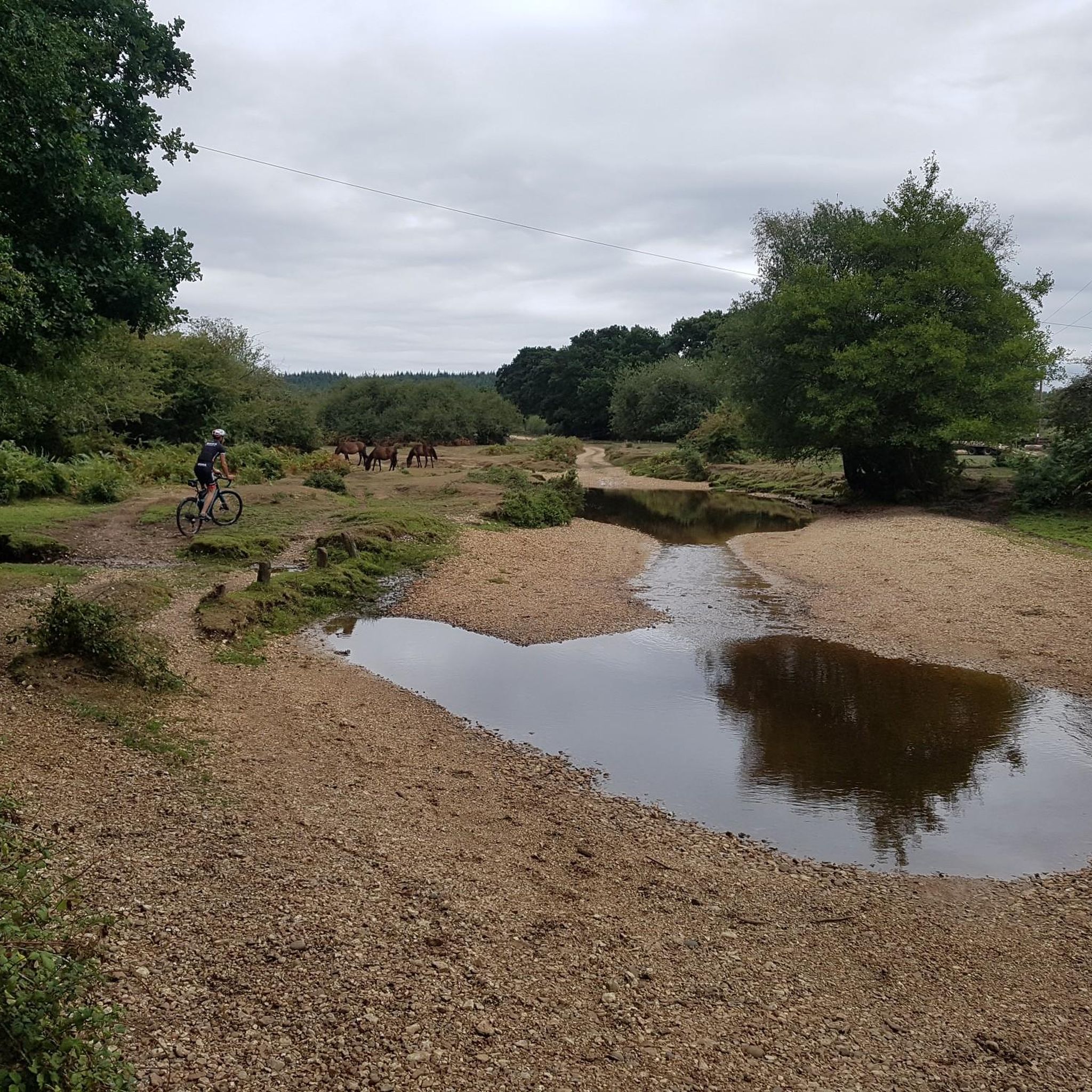
- Visitors also love White Deer in New Forest National Park, a natural monument within a forest. This area is known for its wild deer, including sightings of white deer.
- Cranborne is known for its historical sites, viewpoints, and forests. The area offers a variety of natural monuments to see and explore, from ancient earthworks to expansive natural landscapes.
- The natural monuments around Cranborne are appreciated by the komoot community. These highlights have received 20 upvotes and feature 14 photos from visitors.
Last updated: October 17, 2026
Bokerley Dyke
Highlight • Trail
Tip by

Abbots Well
Highlight • Historical Site
Tip by
Sign up now to discover places like this
Get recommendations on the best single tracks, peaks, & plenty of other exciting outdoor places.
Bokerley Ditch
Highlight • Historical Site
Tip by

Ibsley Common Triangulation Point
Highlight • Viewpoint
Tip by

The Miz Maze
Highlight • Structure
Tip by

Sign up for free to discover even more natural monuments around Cranborne.
Already have an account?
Start today with a free account
Your next adventure awaits.

Other adventures around Cranborne

Tips from the Community

Bokerley Dyke is a substantial linear earthwork, approximately 5.75 kilometers (3.6 miles) long, located on Cranborne Chase. It runs along part of the border between Dorset and Hampshire, specifically between Woodyates and Martin. It is part of a larger Scheduled Monument that also includes Grim's Ditch and other earthworks. The dyke has a multi-period history. It is believed to have originated in the Bronze Age or Early Iron Age as an important political and cultural boundary. In the 1st century, it was cut through by a Roman road, Ackling Dyke, which ran between Old Sarum and Badbury Rings. In the 4th century, the dyke was remodeled and brought back into use. During this period, the Roman road was blocked. A coin of Valens found during excavations dates this activity to shortly after 364 AD, with some sources suggesting it was built between 367-368 AD. This remodeling may have been a defensive measure against attacks on Britain by Picts, Scots, and Saxons. The Roman road was eventually reopened, but the dyke may have continued to be used as a boundary after the Roman administration ended. Today, it still forms part of the border between the counties of Dorset and Hampshire.
0
0

The white-coated Ibsley Common triangulation point is easy to see from a distance, sitting right next to the Whitefield Plantation. It's at 77m, surrounded by beautiful moorland and offering gorgeous far-reaching views of the area.
0
0

Abbots Well was formerly known as Alleynewell within the ancient boundaries of the New Forest when defined during the reign of King Edward I (1272-1307). This perpetual spring was, for centuries, the main watering place for travellers on the old road to Southampton. Theoretically the chamber on the left is for forest fauna and under the wooden flap on the right water intended for human consumption. I’m not sure I’d drink from it though - make your own mind up!!!
2
0

The Miz Maze is a unique and fascinating attraction located in the heart of the English countryside. The maze invites visitors of all ages to have fun and explore the intricate network of hedges and try to find their way out.
1
0

Bokerley Dyke may have originated in the Bronze Age or Early Iron Age and formed a political and cultural boundary. It was cut through by a Roman Road (Ackling Dyke running between Old Sarum and Badbury Rings) in the 1st century.
0
0

This ancient earthwork lies on the Hampshire/Dorset Border, on the western edge of Martin Down. Estimates put the ditch's creation in the Bronze or Early Iron Age after which it was cut by the Romans to create one of their typically straight roads. Today, the ditch still forms part of the county border and offers plenty of wonderful hiking trails with vibrant wildlife.
2
0
Frequently Asked Questions
What natural monuments offer the best panoramic views around Cranborne?
For breathtaking panoramic views, consider visiting Ibsley Common Triangulation Point, which sits at 77m and provides far-reaching vistas of the surrounding moorland. Additionally, Win Green Summit, the highest point in Cranborne Chase, offers expansive views across Blackmore Vale and Salisbury Plain, and even to the Isle of Wight on clear days.
Are there any historical natural monuments to explore near Cranborne?
Yes, the area is rich in historical natural monuments. You can explore Bokerley Dyke, a substantial linear earthwork with a multi-period history, forming part of the border between Dorset and Hampshire. Another ancient site is Abbots Well, a perpetual spring first recorded in 1215. Win Green Summit also features a Bronze Age bowl barrow at its peak, adding a layer of historical interest to its natural beauty.
What natural monuments are suitable for families with children?
Several natural monuments are family-friendly. Abbots Well is an ancient well that can be an interesting stop. Ibsley Common Triangulation Point offers easy access and great views for all ages. For wildlife spotting, White Deer in New Forest National Park is a highlight where you might spot wild deer. RSPB Garston Woods also provides well-marked trails perfect for family walks and experiencing woodland scenery.
What kind of wildlife can I expect to see at the natural monuments around Cranborne?
The Cranborne Chase National Landscape is known for its diverse ecosystems. At Martin Down Nature Reserve, you can find rare wildflowers, orchids, bees, and butterflies in its chalk grasslands. RSPB Garston Woods is a haven for diverse wildlife, including various bird species. The New Forest National Park, where you might spot White Deer, is also home to other wild deer.
Are there opportunities for stargazing near Cranborne's natural monuments?
Yes, Cranborne Chase National Landscape is designated an International Dark Sky Reserve, making it an exceptional destination for stargazing. The clear air and open downland provide pristine night skies, offering stunning views of stars and celestial events.
What outdoor activities can I do near these natural monuments?
The area around Cranborne offers a wide range of outdoor activities. You can find numerous hiking trails, including easy, moderate, and difficult options, such as the 'Gussage Hill and Pentridge Hill loop'. For running enthusiasts, there are trails like the 'View from Pentridge Hill – Bokerley Dyke loop'. Mountain biking is also popular, with routes like the 'Sixpenny Handley & Pentridge Hill loop'. You can explore more options for hiking, running, and MTB around Cranborne.
Where can I find extensive walking routes with scenic views?
White Sheet Downs offers numerous walking routes with spectacular views and majestic hills, perfect for those seeking a more vigorous walk with rewarding tranquility. Martin Down Nature Reserve also provides fantastic walking trails through its biodiverse chalk grasslands.
What is the best time of year to visit the natural monuments around Cranborne?
The Cranborne Chase National Landscape is beautiful year-round. Spring and summer are ideal for enjoying wildflowers and wildlife, especially at Martin Down Nature Reserve. Autumn brings vibrant colours to the ancient woodlands like RSPB Garston Woods. For stargazing, clear nights in any season are excellent, but autumn and winter often offer the darkest skies.
Can I find ancient woodlands to explore near Cranborne?
Yes, RSPB Garston Woods are ancient woodlands that provide a magical setting for walks and wildlife observation. The Cranborne Chase National Landscape itself is characterized by diverse landscapes, including significant ancient woodlands.
What makes the Cranborne Chase National Landscape a significant natural monument?
The Cranborne Chase National Landscape is a natural monument in its entirety, recognized for its diverse ecosystems including rare chalk grasslands, ancient woodlands, and majestic downs. It's also one of only 21 International Dark Sky Reserves globally, celebrated for its pristine night skies. The area is rich in flora and fauna, including rare orchids, butterflies, and various songbirds, making it a significant natural heritage site.
Is there a picturesque river walk in Cranborne?
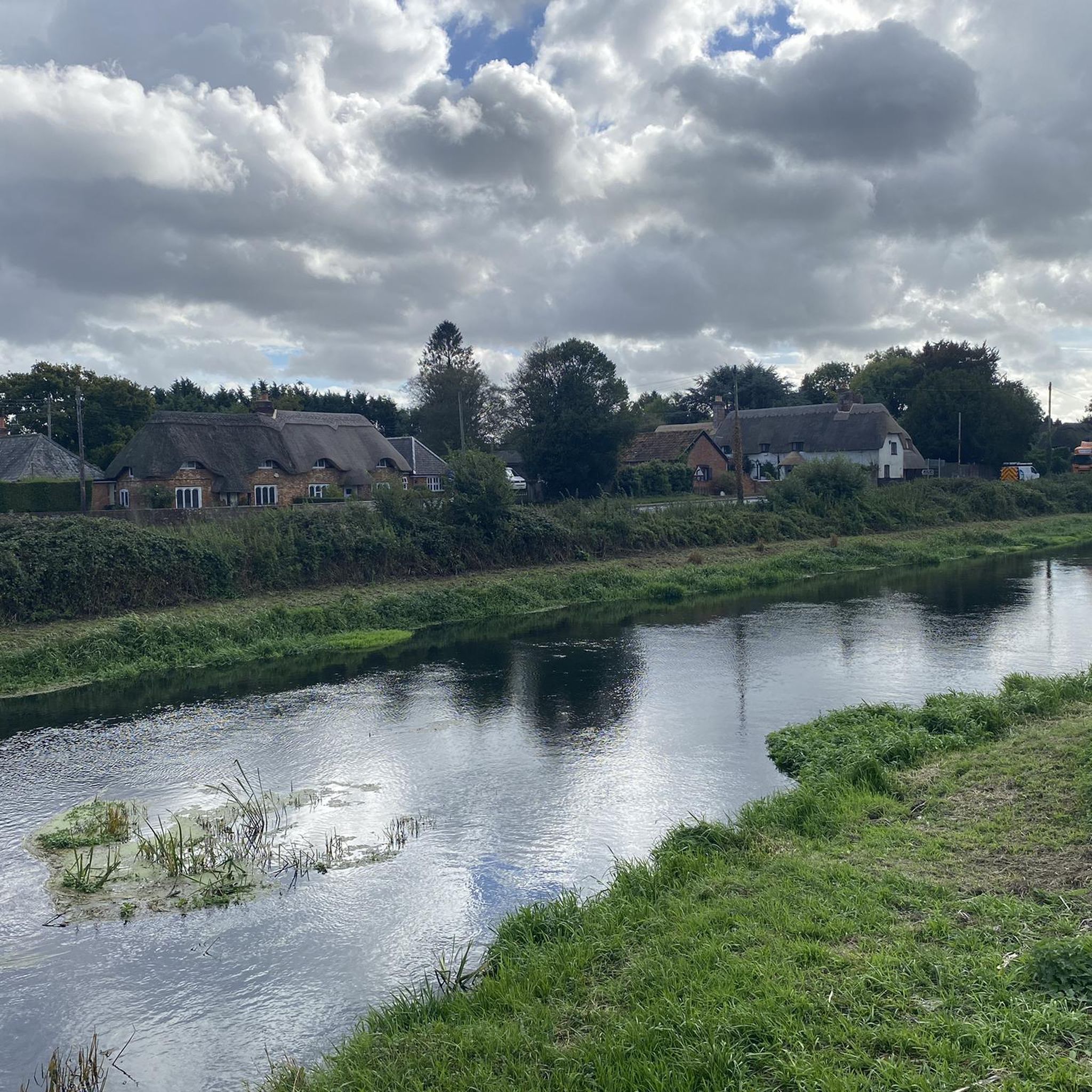
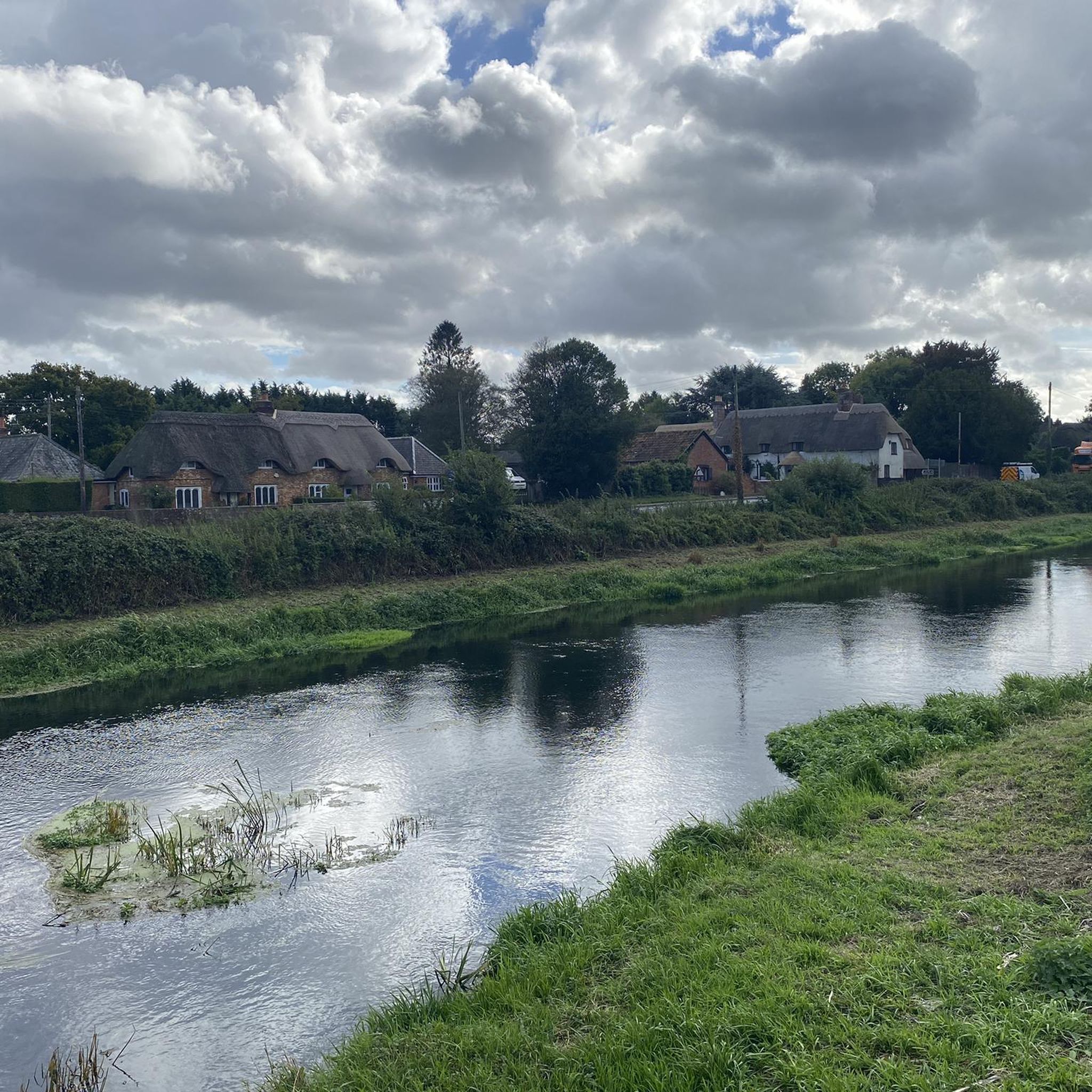
Yes, the River Crane flows through the heart of Cranborne village. A leisurely stroll along its banks offers a tranquil experience, allowing you to admire the charming village architecture, including the historic Manor House, alongside the natural beauty of the river.
Most popular routes around Cranborne
Most popular attractions around Cranborne

Get inspired with the komoot mobile app


Explore more
Extend your search for the best caves by checking out these guides of the top ones around Cranborne:
