St. Leonards And St. Ives
St. Leonards And St. Ives
Top 16 Natural Monuments around St. Leonards And St. Ives
Best natural monuments around St. Leonards And St. Ives offer diverse natural landscapes, from coastal cliffs to ancient woodlands. The region features significant geological formations, including soft rock cliffs with fossil deposits and expansive sandy beaches. Visitors can explore a variety of natural features, providing opportunities for easy walking trails and wildlife spotting. This area is characterized by its blend of dramatic coastlines and tranquil green spaces.
Best natural monuments around St. Leonards And St. Ives
- The most popular natural…
Last updated: July 1, 2026
Hengistbury Head Visitor Centre
Highlight • Natural Monument
Tip by

Mudeford Sandbank
Highlight • Natural
Tip by

Sign up now to discover places like this
Get recommendations on the best single tracks, peaks, & plenty of other exciting outdoor places.
Sign up for free
Jon Egging Memorial
Highlight • Natural Monument
Translated by Google •
Tip by

The Site of 'The Naked Man'
Highlight • Historical Site
Tip by

Abbots Well
Highlight • Historical Site
Tip by

Sign up for free to discover even more natural monuments around St. Leonards And St. Ives.
Sign up for free
Already have an account?
Start today with a free account
Your next adventure awaits.
Login or Signup
Popular around St. Leonards And St. Ives
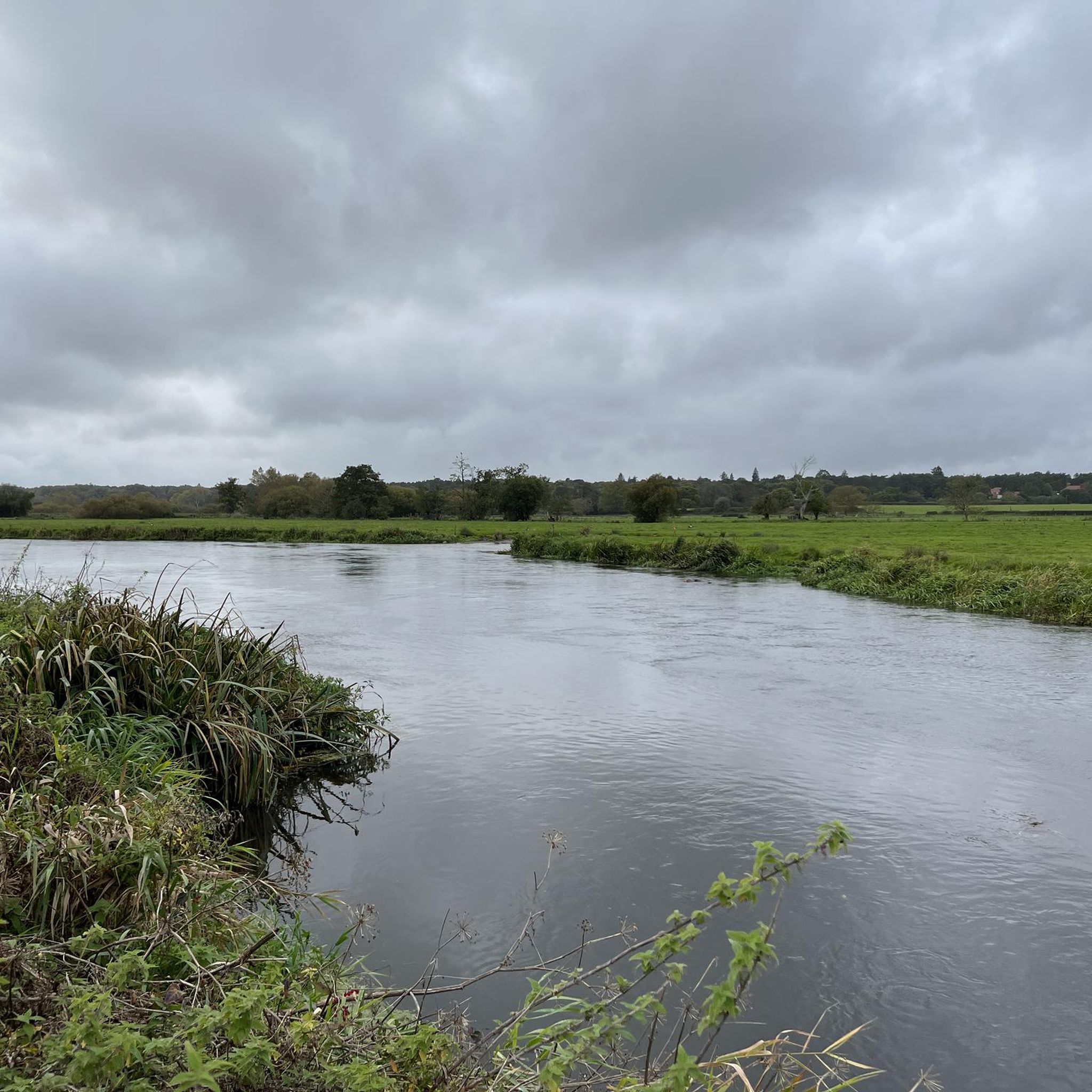
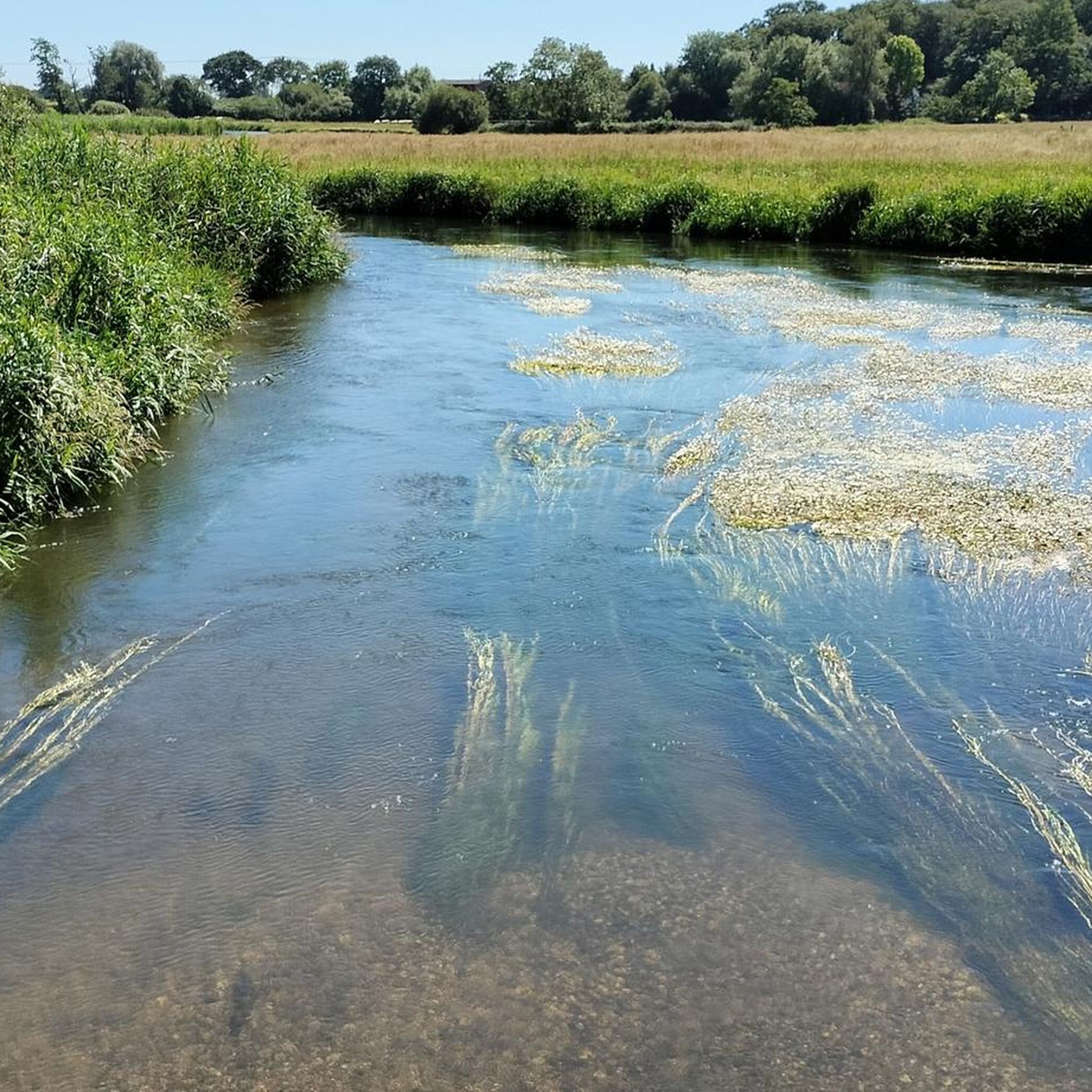
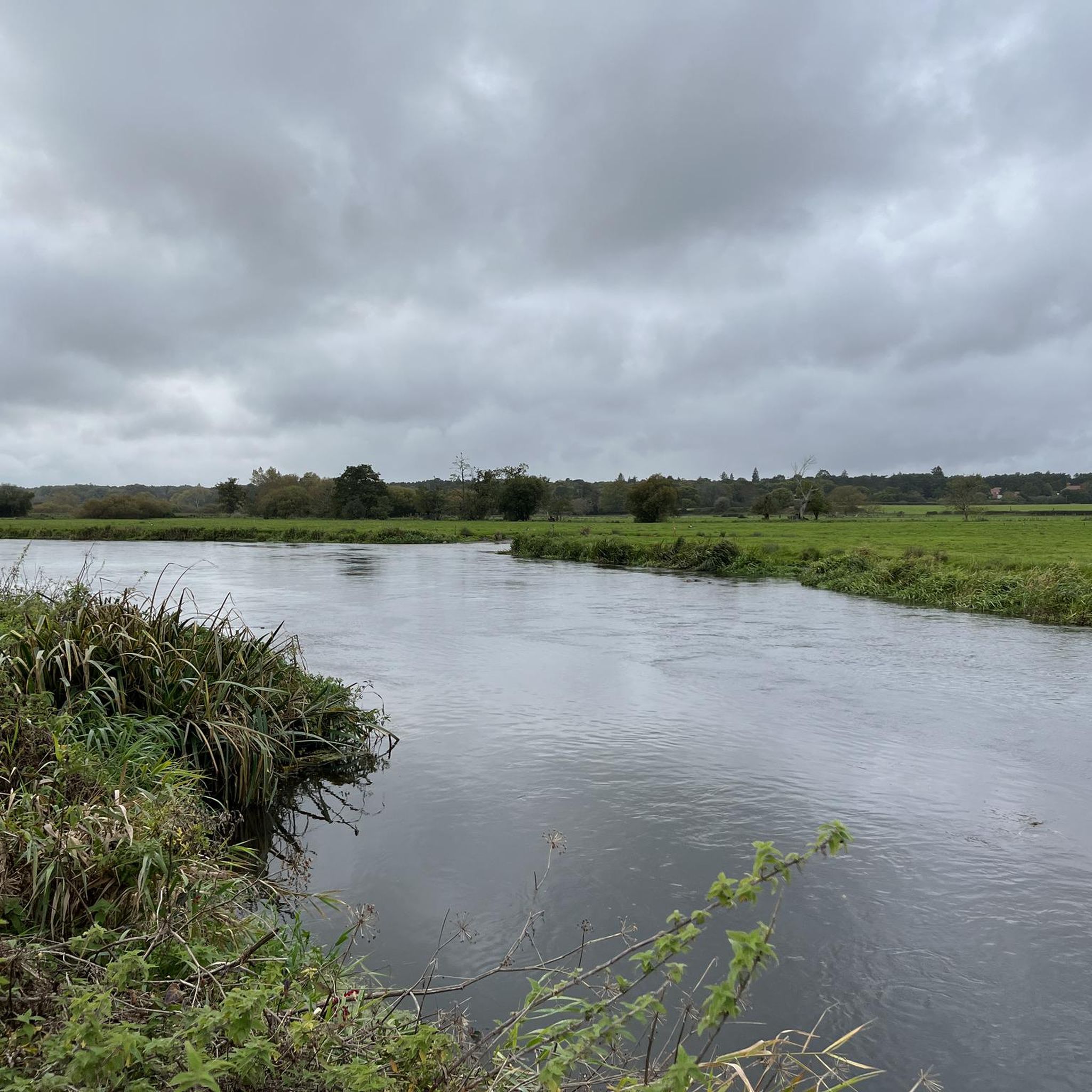
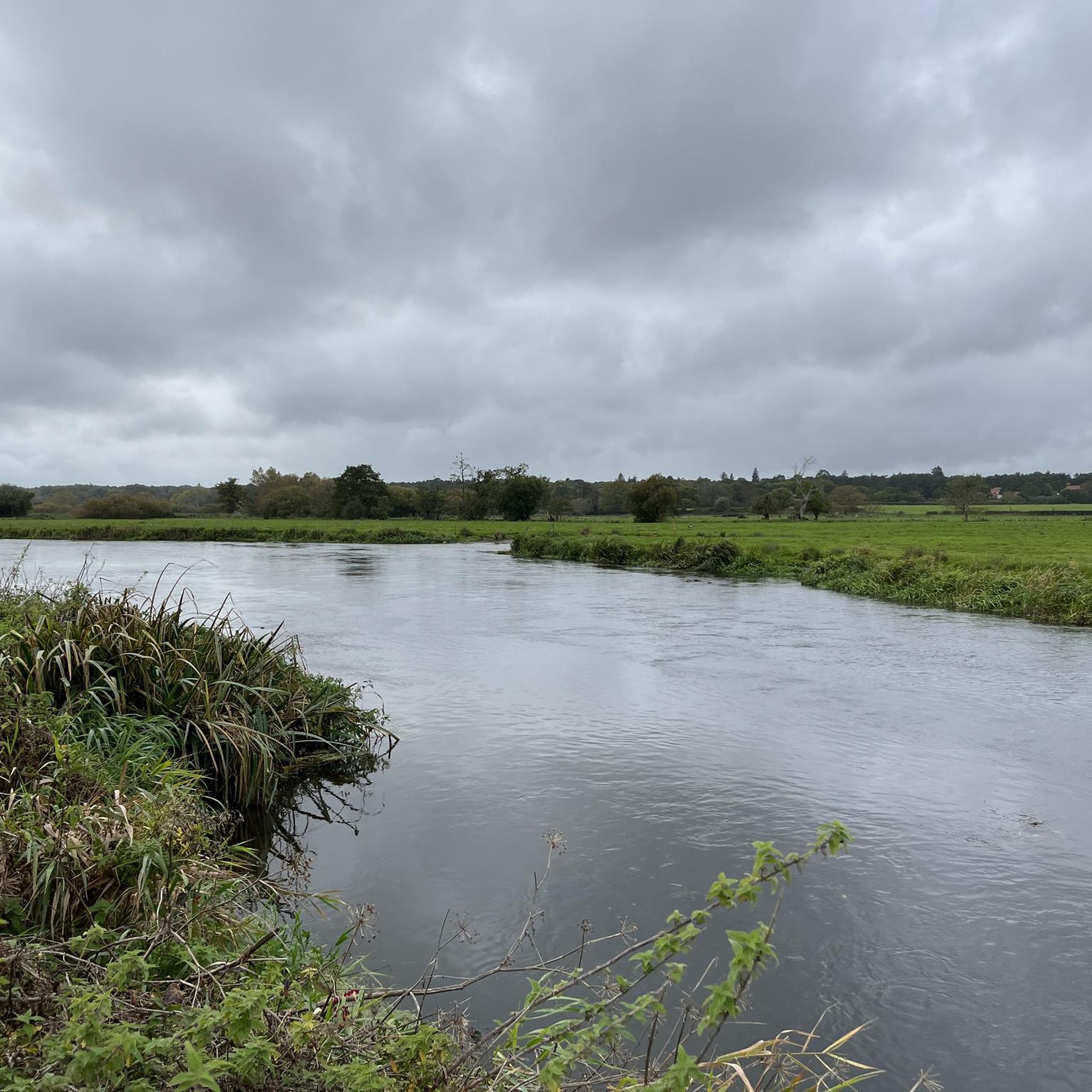

Tips from the Community

Hengistbury Head is a dramatic headland located in Dorset, England, jutting into the English Channel between Bournemouth and Mudeford. It's a place of international importance due to its rich archaeology, diverse wildlife, and unique geology. Declared a Local Nature Reserve in 1990, it forms part of the Christchurch Harbour Site of Special Scientific Interest (SSSI). It also holds various other designations like Special Area of Conservation and Special Protection Area, highlighting its importance for wildlife.
0
0
A memorial to a Red Arrows pilot who died following a display at the Bournemouth Air Festival. The 33-year-old pilot died when his Hawk T1 jet crashed after completing a display at the annual festival in 2011.
1
0
A unique and beautiful sand spit which adjoins the ancient headland of Hengistbury Head and forms a natural barrier between Christchurch Harbour and the open sea. The area is designated a Site of Nature Conservation Interest (SNCI). Access by foot, bike or land train from Hengistbury Head car park. Access by passenger ferry from Mudeford Quay and Christchurch Quay. There are 5 public toilet blocks, one with hot showers. Outside cold showers are also provided. Horses are not permitted on the seashore between the Saturday preceding Easter Monday and the 30th September (both dates inclusive) in any year between 10am and 9pm. Due to being so close to Hengistbury Head Nature Reserve, BBQs are not allowed at Mudeford Sandbank Beach. Open fires, fire pits and fire bowls are not permitted at any time on the beach, promenade, cliffs, cliff tops or woodland areas. The beach is surrounded by unique cliff habitats which are Sites of Special Scientific Interest and provide a home to many of the UK’s rare species of reptiles, birds and insects. Their dry nature means they are vulnerable and sparks from open fires can cause huge damage.
0
0
Wildlife expert, conservationist and television presenter Chris Packham officially opened the centre in April 2014. It was created to help explain the area, its history, wildlife, archaeology and geology to visitors. Packed full of interactive displays, with lots of friendly, knowledgeable volunteers on hand, it’s a wonderful way to step back in time and see how our ancestors lived. Gift shop selling food and drink, Jewellery, toys and games, accessories and home ware. Various exhibitions throughout the year, Events and gardens on show.
1
0

Abbots Well was formerly known as Alleynewell within the ancient boundaries of the New Forest when defined during the reign of King Edward I (1272-1307). This perpetual spring was, for centuries, the main watering place for travellers on the old road to Southampton. Theoretically the chamber on the left is for forest fauna and under the wooden flap on the right water intended for human consumption. I’m not sure I’d drink from it though - make your own mind up!!!
2
0

In fact, much quieter and nicer than the beach café by the car park which is only 200m away and can get very busy! There are exhibitions and information
2
0


The original tree is no longer there so look out for a fence around a more recently planted oak tree - we missed it at first!
4
0
Frequently Asked Questions
What are some popular natural monuments to visit in the St. Leonards And St. Ives region?
Visitors frequently enjoy the serene Upper Gardens, Bournemouth, known for its diverse tree species from around the world. Another significant site is the Old Oak Tree in New Forest National Park, a remarkable 500-year-old English oak. For those interested in history, The Site of 'The Naked Man' offers a unique historical context within the picturesque New Forest.
Are there family-friendly natural monuments in St. Leonards And St. Ives?
Yes, several natural monuments are suitable for families. The Upper Gardens, Bournemouth, with its varied plant life and open spaces, is a great option. The Old Oak Tree in New Forest National Park provides an interesting natural landmark for children to explore. Additionally, Abbots Well is a historical site that can be enjoyed by all ages.
What kind of natural features can I expect to see in St. Leonards And St. Ives?
The region offers a diverse range of natural features. In St. Leonards-on-Sea, you'll find significant soft rock cliffs with geological importance, abundant in dinosaur fossils and footprints visible at low tide. St. Ives, Cornwall, boasts stunning coastlines, golden sandy beaches like Porthmeor and Porthminster, and dramatic headlands such as The Island. Ancient woodlands and unique tree species, like those in the Upper Gardens, Bournemouth and the Old Oak Tree in New Forest National Park, are also prominent.
Can I find historical natural monuments in the area?
Absolutely. The region is rich in historical natural sites. The Site of 'The Naked Man' in the New Forest marks a spot with a macabre history, while Abbots Well is an ancient watering place first recorded in 1215. In St. Ives, The Island headland features St. Nicholas Chapel and has played a historical role as a defensive point. Trencrom Hill also hosts an Iron Age hill fort.
What outdoor activities are available near these natural monuments?
The area provides various outdoor activities. You can enjoy road cycling on routes like the 'Great Bridge, Fordingbridge – The Alice Lisle loop' or 'Wimborne Minster – Furzehill Lane loop'. For runners, trails such as the 'Moors Valley Railway – Superworm Trail loop' or 'Ferndown Forest loop' are popular. Hikers can explore easy routes like the 'Treetop Walkway loop' or 'Superworm Trail loop' near Moors Valley Country Park. Find more details on these activities in our guides for Road Cycling Routes, Running Trails, and Easy Hikes around St. Leonards And St. Ives.
When is the best time of year to visit the natural monuments?
The best time to visit depends on your interests. Spring and summer offer pleasant weather for exploring beaches, coastal paths, and gardens like the Upper Gardens, Bournemouth. Autumn provides beautiful foliage, especially around ancient trees like the Old Oak Tree in New Forest National Park. For fossil hunting on the St. Leonards-on-Sea cliffs, low tide is essential, and post-storm periods can reveal more finds.
Where can I spot wildlife around St. Leonards And St. Ives?
The coastal cliffs of St. Leonards-on-Sea are home to specialized cliff-breeding birds like the black redstart, fulmar, and peregrine. In St. Ives, you can take boat trips to Seal Island (The Carracks) to observe a colony of grey Atlantic seals, and often spot dolphins and porpoises in the surrounding waters. The High Weald's cross-section also supports various insects and spiders.
Are there any natural monuments suitable for easy walks?
Yes, many natural monuments offer easy walking opportunities. St. Leonards Gardens provides a tranquil retreat for leisurely strolls. In St. Ives, the beaches like Porthminster and Porthgwidden are ideal for relaxed walks, and the path to The Island offers a short, scenic walk with panoramic views. The Upper Gardens, Bournemouth also features accessible paths for easy exploration.
What are the unique natural features of St. Leonards-on-Sea?
St. Leonards-on-Sea is characterized by its geologically significant soft rock cliffs, which are part of the High Weald. These cliffs are a rich source of dinosaur fossils and ancient animal and plant remains. Dinosaur footprints can also be seen at low tide, especially after storms. The coastline features shingle beaches with sand flats exposed at low tide, providing a dynamic natural environment.
What are the unique natural features of St. Ives, Cornwall?
St. Ives is renowned for its stunning coastline, golden beaches such as Porthmeor, Porthminster, and Porthgwidden, and dramatic headlands like The Island, offering panoramic views. The area is part of an Area of Outstanding Natural Beauty (AONB) and features Sites of Special Scientific Interest (SSSI). Further afield, you can find Seal Island with its grey Atlantic seal colony, and Trencrom Hill with its interesting rock formations and Iron Age history.
Are there dog-friendly natural monuments in the region?
Many outdoor natural spaces in the region are dog-friendly, particularly walking trails and open areas in the New Forest, where you'll find monuments like the Old Oak Tree and The Site of 'The Naked Man'. However, it's always advisable to check specific regulations for beaches and nature reserves, as some may have seasonal restrictions or require dogs to be on a lead.
What do visitors enjoy most about the natural monuments here?
Visitors particularly appreciate the blend of natural beauty and historical significance. The opportunity to search for dinosaur footprints on the St. Leonards-on-Sea cliffs is a fascinating activity. Many enjoy the tranquil escape offered by places like St Leonards Gardens and the diverse plant life in the Upper Gardens, Bournemouth. The picturesque walking opportunities in the New Forest, often leading to historical markers like The Site of 'The Naked Man', are also highly valued.
Is parking available at these natural monuments?
Parking is generally available at or near many natural monuments, especially at larger sites or those with visitor facilities. For instance, the Upper Gardens, Bournemouth, is noted to have parking. For more remote locations, such as those within the New Forest, designated car parks or roadside parking may be available. It's recommended to check local signage upon arrival.
Most popular routes around St. Leonards And St. Ives
Most popular attractions around St. Leonards And St. Ives

Get inspired with the komoot mobile app


Explore more
Extend your search for the best caves by checking out these guides of the top ones around St. Leonards And St. Ives:
