Top 12 Natural Monuments around West Lavington
Best natural monuments around West Lavington are situated on the northern edge of Salisbury Plain, an area characterized by chalk uplands. This region features significant historical landmarks and unique landscapes. The chalk grassland habitats support diverse wildlife, including rare butterflies and moths. Visitors can explore ancient sites and enjoy panoramic views across the Wiltshire landscape.
Best natural monuments around West Lavington
- The most popular natural monuments is Bratton Camp and Long Barrow, a viewpoint and historical site that offers…
Last updated: July 1, 2026
Westbury White Horse
Highlight • Natural Monument
Today the hill's most defining feature is the striking …
Tip by

Devizes White Horse
Highlight • Monument
Tip by

Sign up now to discover places like this
Get recommendations on the best single tracks, peaks, & plenty of other exciting outdoor places.
Sign up for free
Bratton Camp and Long Barrow
Highlight • Viewpoint
Tip by
Middle Hill
Highlight • Historical Site
Tip by

Birdhenge
Highlight • Natural Monument
Tip by

Sign up for free to discover even more natural monuments around West Lavington.
Sign up for free
Already have an account?
Start today with a free account
Your next adventure awaits.
Login or Signup
Popular around West Lavington
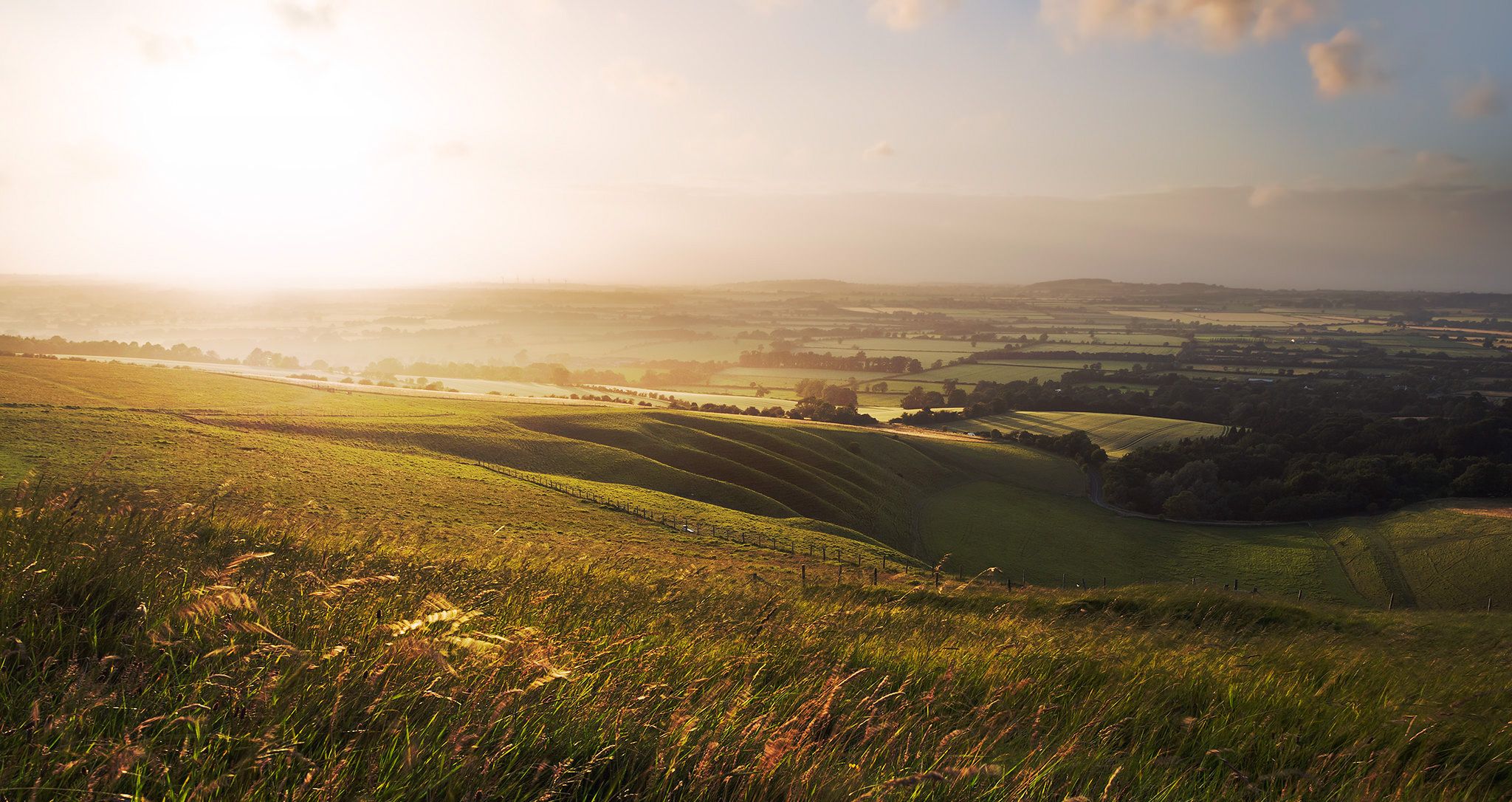
Hiking the Greater Ridgeway — Following Roman roads across England
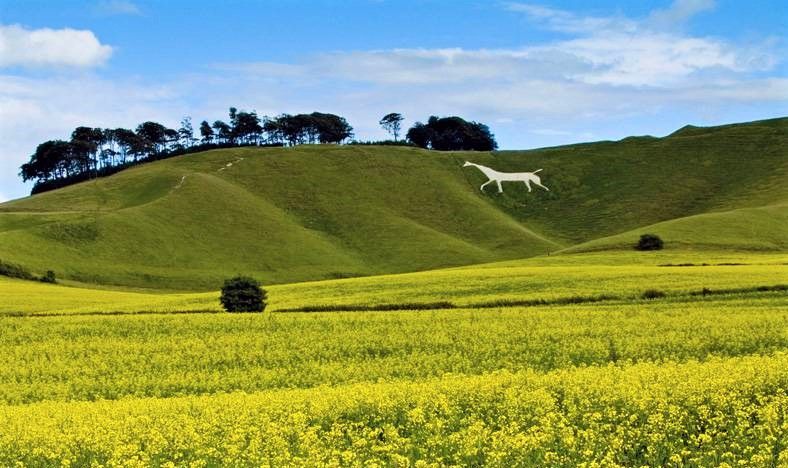
Wessex Ridgeway — An ancient and beautiful ridge hike

Gravel biking around West Lavington
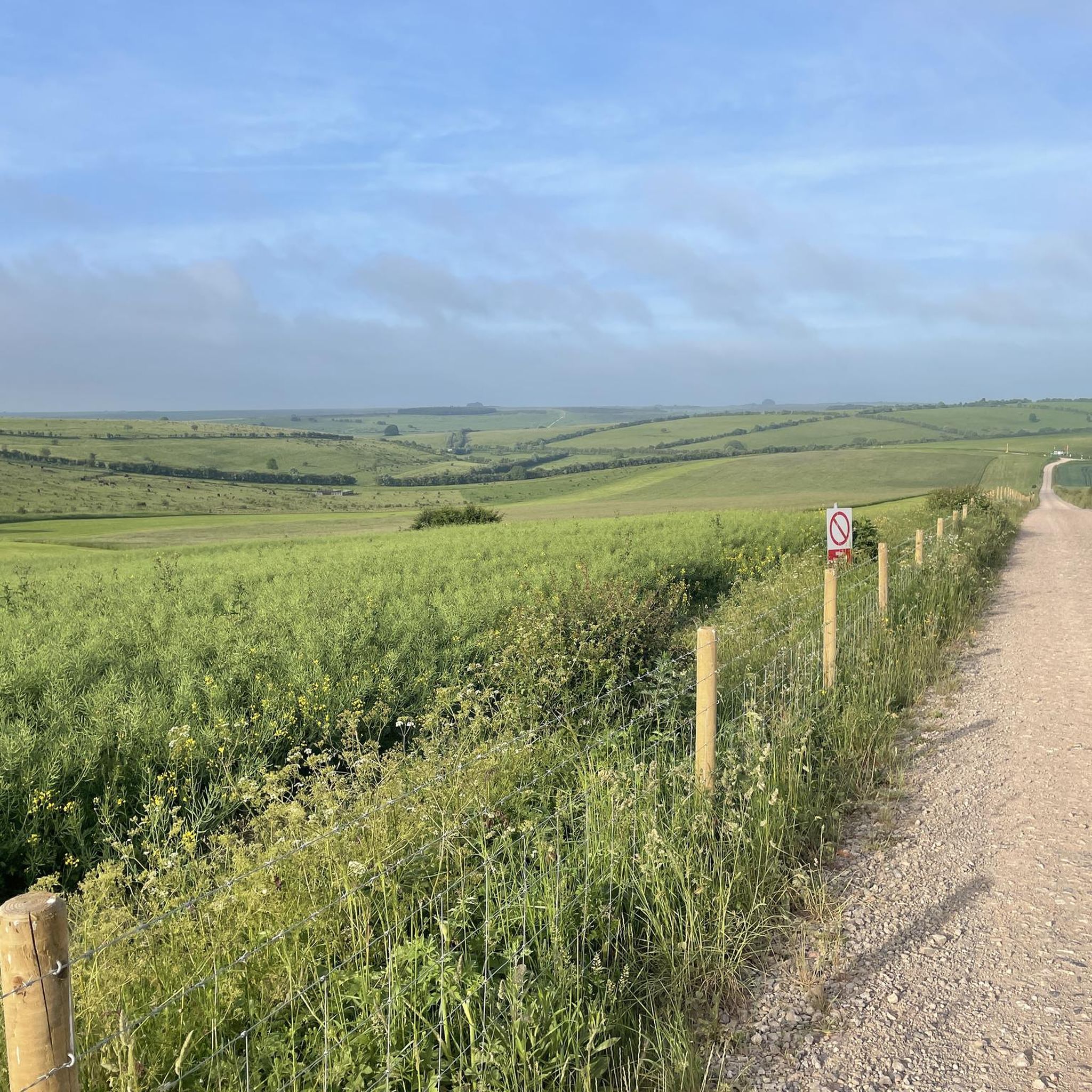
Hiking around West Lavington
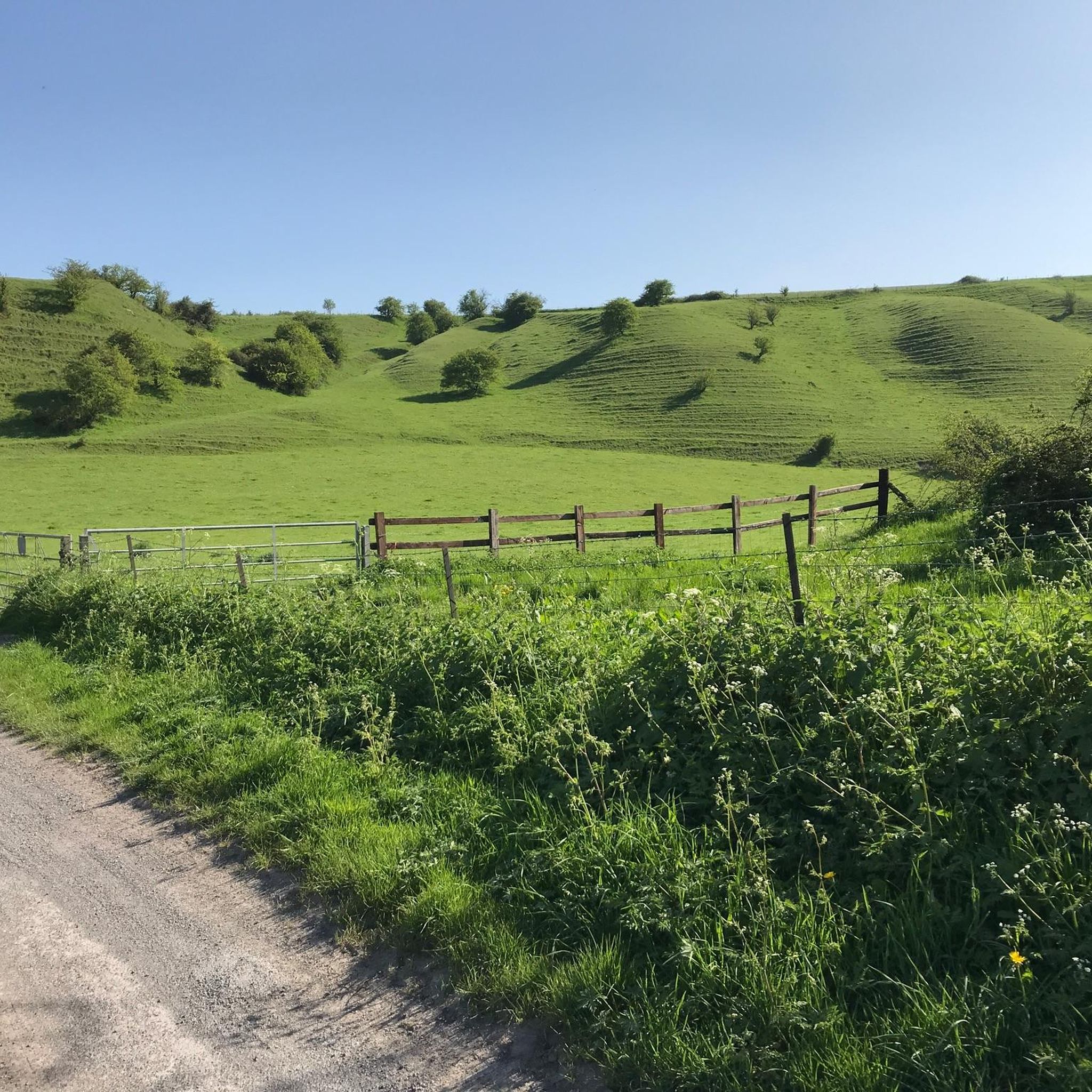
MTB Trails around West Lavington
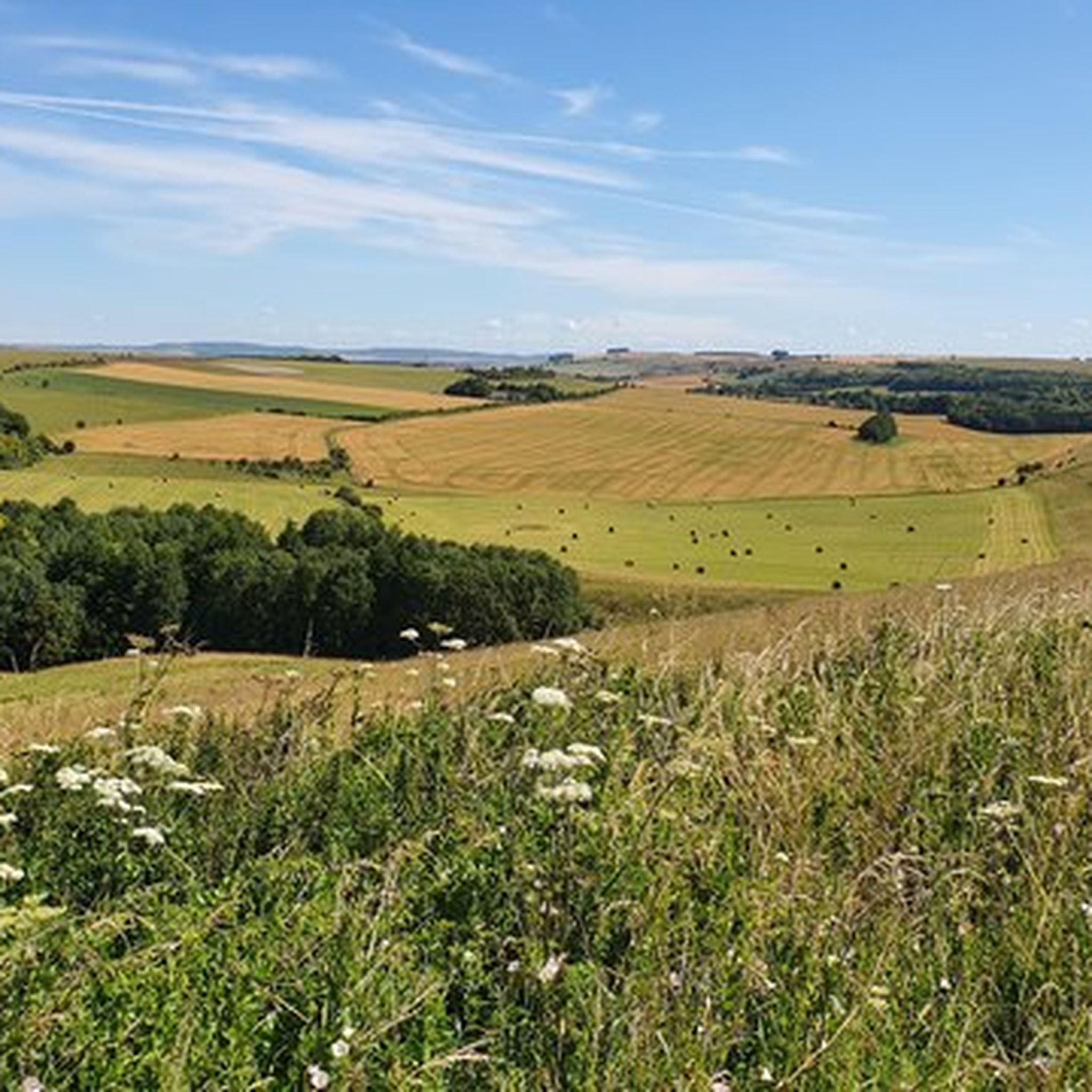
Road Cycling Routes around West Lavington
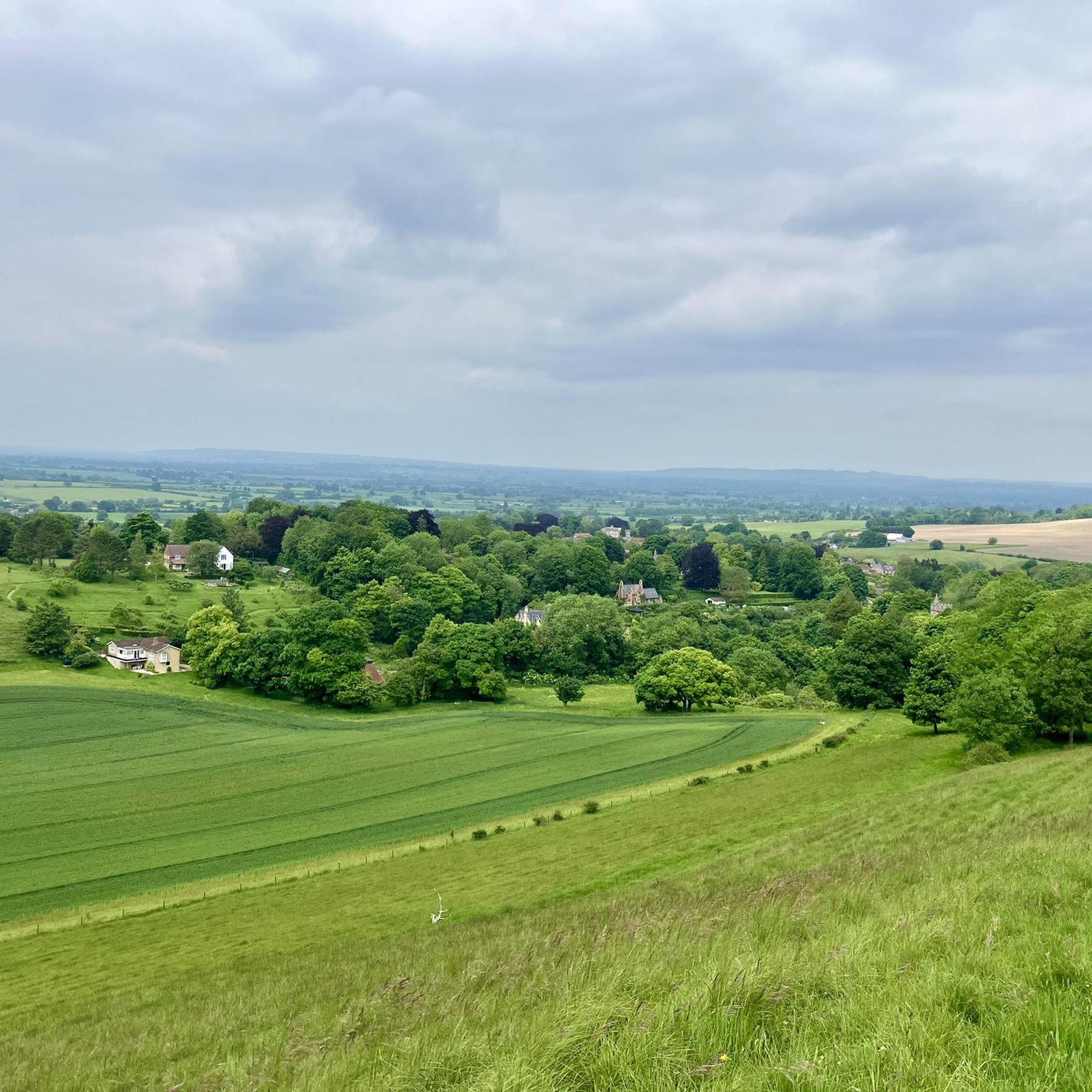
Running Trails around West Lavington
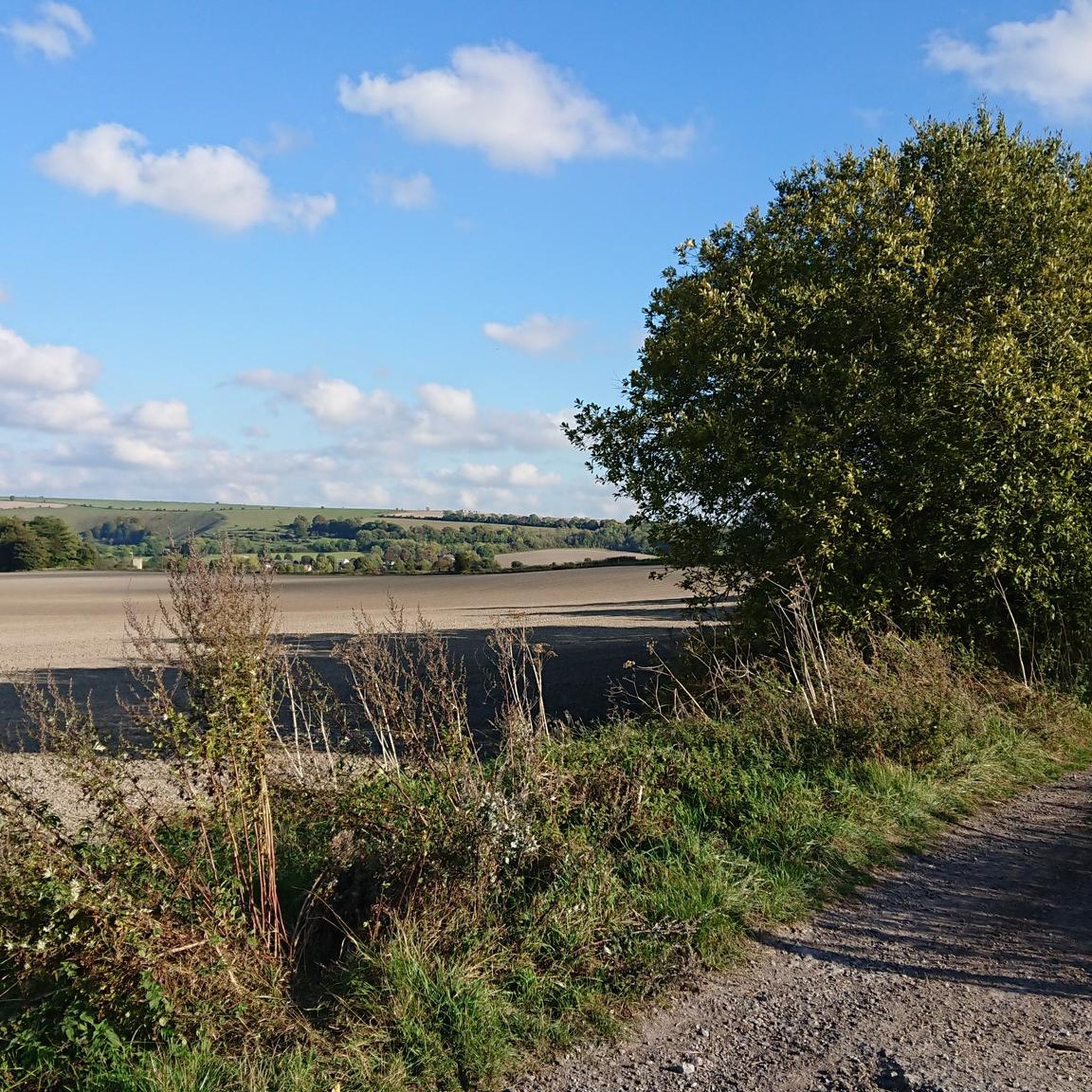
Cycling around West Lavington


Tips from the Community

Birdhenge was made in 2014 with the aid of a grant from the Cranborne Chase and West Wiltshire Downs Area of Outstanding Beauty. It is visible from a public path between Heytesbury and Knook in the Wylye Valley.
3
0

The oldest of the Wiltshire white horses this was originally cut in 1772 and restored in 1778. There was evidence of an older horse here facing the other way, but no strong evidence suggests how old that was. In 1872/1873 the horse was considered to be losing its shape, it was re cut and edging stones added. In 1957 the horse was concreted to preserve it. For the runner the trails around the top of the horse are great fun and the 33-mile Imber trail also passes here. There are nice loops from the car park above the horse or from nearby Westbury.
1
0

There are over 1,200 hillforts in England, most of which occupy fantastic viewpoints and Bratton Camp hillfort is no different. In fact, it has a truly extraordinary vistas from its earthen ramparts. The camp sits just on the ridge between Westbury and Bratton, and immediately above the Westbury White Horse. There's a long barrow within the castle's fortifications estimated to be around 5,000 years old.
0
0
The Devizes Millennium White Horse is one of the most recent chalk figures cut in the UK, created in 1999. It sits up on an escarpment on Roundway Hill just north of Devizes and it's easily accessible by multiple footpaths and bridleways. You can view the horse from the south as well as from neighbouring Milk Hill. It's one of many past and present chalk horses on Wiltshire's hills.
0
0

The newest of Wiltshire's White Horses, Devizes was cut in 1999 to mark the Millennium. It's located on Roundway Hill to the north of Devizes. https://www.visitwiltshire.co.uk/things-to-do/devizes-white-horse-p1692753
0
0

Westbury White Horse was originally cut in the late 1600s and is the oldest white horse in Wiltshire. From this spot, you are afforded lovely views.
1
0
Middle Hill, nicknamed locally as ‘piggy in the middle’, is a conical chalk hill that stands between Battlesbury Hill to the northwest and Scratchbury to the southeast. This row of hills is on the southwestern edge of Salisbury Plain overlooks the Wylye valley. Atop the hill you find an ancient and sizable bowl barrow.
1
0

Bratton Camp was originally an Iron Age hill fort built over 2,000 years ago to defend the settlement from its enemies. Today the hill's most defining feature is the striking white horse cut into its slopes. Records suggest that the horse was made at the end of the 17th century to commemorate the Battle of Ethandun. Despite its turbulent past, Bratton Camp is now a relaxing place to take a stroll. The chalk grassland is teeming with wildlife and insects. Look out for the rare Adonis Blue butterfly which can be found here. You can visit any time during daylight hours. Entrance is free.
1
0
Frequently Asked Questions
What are some of the most notable natural monuments to visit near West Lavington?
Among the most notable natural monuments are Westbury White Horse and Bratton Camp, which combine a chalk-cut hill figure with an Iron Age hillfort. Another significant site is Bratton Camp and Long Barrow, offering extraordinary vistas and a 5,000-year-old long barrow. Visitors also appreciate Middle Hill, a conical chalk hill with an ancient bowl barrow overlooking the Wylye valley.
What makes the natural monuments around West Lavington unique?
The natural monuments in this area are unique due to their combination of historical significance and natural beauty. Many feature ancient chalk-cut figures and Iron Age hillforts set within scenic chalk uplands. The surrounding chalk grasslands are vital habitats, supporting diverse wildlife, including rare butterflies and moths.
What kind of wildlife can I expect to see in the natural monument areas?
The chalk grasslands around West Lavington's natural monuments are rich in wildlife. You might spot important plants that provide habitats for various insects, such as the rare Adonis Blue butterfly and the scarce forester moth. The vast open spaces of Salisbury Plain also offer opportunities for observing diverse flora and fauna.
Do these natural monuments have historical significance?
Yes, many of the natural monuments around West Lavington are deeply rooted in history. For example, the Westbury White Horse is believed to have been cut in the late 1600s, possibly commemorating the Battle of Ethandun in AD 878. Adjacent to it, Bratton Camp is an Iron Age hillfort, and Bratton Camp and Long Barrow includes a Neolithic long barrow estimated to be around 5,000 years old.
Are there family-friendly natural monuments around West Lavington?
Yes, several natural monuments are suitable for families. For instance, the Devizes White Horse is considered family-friendly and easily accessible by multiple footpaths. The View of Westbury White Horse from Lower Westbury Road also offers an easy and enjoyable experience for families.
Can I bring my dog to the natural monuments near West Lavington?
Many of the natural monument areas, particularly the open chalk grasslands and trails, are dog-friendly. It's generally recommended to keep dogs on a lead, especially in areas with livestock or sensitive wildlife habitats, to ensure the safety and enjoyment of all visitors and local fauna.
What outdoor activities can I do near the natural monuments around West Lavington?
The area offers extensive opportunities for outdoor activities, primarily walking and hiking. You can explore ancient hillforts, enjoy panoramic views, and experience unspoiled natural beauty. For more specific routes, you can find options for hiking around West Lavington, including easy to moderate trails.
Are there hiking trails suitable for beginners near West Lavington's natural monuments?
Yes, there are several easy hiking trails available. For example, the 'Worton loop from Worton' (5.8 km) and the 'Strawberry Hill – Sandy Track loop from West Lavington' (6.5 km) are both rated as easy. You can find more options for hiking around West Lavington that cater to various skill levels.
What is the best time of year to visit the natural monuments around West Lavington?
The chalk grasslands and monuments are beautiful year-round. Spring and summer offer vibrant flora and the best chances to spot rare butterflies like the Adonis Blue. Autumn provides stunning views with changing foliage, while winter walks can be tranquil, offering clear, far-reaching vistas across the Wiltshire landscape.
What are the typical terrain and difficulty levels for exploring these natural monuments?
The terrain primarily consists of chalk uplands and grasslands, which can be uneven. Many sites, like Westbury White Horse and Bratton Camp or Middle Hill, involve moderate ascents to reach viewpoints or summits. While some trails are easy, others are rated intermediate, offering a good mix for different fitness levels.
Are there cycling routes available near the natural monuments?
Yes, the area around West Lavington offers various cycling opportunities. You can find routes for general cycling and road cycling. Options range from moderate to difficult, such as the 'Redhorn Hill Byway – Salisbury Plain Perimeter Path loop' for touring bicycles or the 'Grafton Down Ridgeway Road – Westbury White Horse loop' for road cycling.
What do visitors enjoy most about the natural monuments near West Lavington?
Visitors frequently highlight the outstanding views and the sense of history. The panoramic vistas from sites like Bratton Camp hillfort are particularly appreciated. Many also enjoy the opportunity for peaceful walks and the chance to observe unique chalk grassland flora and fauna.
Most popular routes around West Lavington
Most popular attractions around West Lavington

Get inspired with the komoot mobile app


Explore more
Extend your search for the best caves by checking out these guides of the top ones around West Lavington:
