Top 7 Natural Monuments around Wilton
Best natural monuments around Wilton encompass a landscape rich in ancient history and diverse natural features. The area is characterized by rolling chalk downlands, offering panoramic views and archaeological significance. Visitors can explore sites dating back to the Neolithic and Bronze Ages, alongside natural elevations providing scenic vistas. This region combines historical monuments with natural beauty, making it a notable destination for outdoor exploration.
Best natural monuments around Wilton
- The most popular natural monuments is Stonehenge, a historical site…
Last updated: July 1, 2026
Stonehenge
Highlight • Historical Site
Tip by

Sarsen Stone at Stonehenge Visitor Centre
Highlight • Monument
Translated by Google •
Tip by

Sign up now to discover places like this
Get recommendations on the best single tracks, peaks, & plenty of other exciting outdoor places.
Sign up for free
Knowle Hill
Highlight (Segment) • Natural Monument
Tip by

Normanton Down Barrows
Highlight • Viewpoint
Tip by

Figsbury Ring
Highlight • Viewpoint
Tip by

Sign up for free to discover even more natural monuments around Wilton.
Sign up for free
Already have an account?
Start today with a free account
Your next adventure awaits.
Login or Signup

Tips from the Community

It's unbelievable what people have achieved and built in the past (without any technology) - it's simply impressive and breathtaking
2
0

On the crest of this downland ridge is a Neolithic long barrow and around 40 Bronze Age round barrows, ancient burial grounds dating back to between 2600 and 1600 BC. Visible from Stonehenge around half a mile (0.6 km) to the north, Normanton Down Barrows have long been the subject of archaeological digs. Today they're a scheduled monument and part of the Avebury and Stonehenge World Heritage Site, so digs are strictly controlled.
1
0

Sarsen stones are blocks of sandstone found in large numbers in England, it is a contraction of Saracen stone, where “Saracenic” is equivalent to “pagan”. In this respect, sarsen means something like “heathen stone”, “stone of the heathen”. The most famous sarsen stones can be found here in Stonehenge.
6
0

Here you can measure your strengths
4
0

We first considered whether we should save the entrance fee and use the outer path. However, we were not so sure about the parking situation from the northern entrance, which is why we decided to pay the entrance fee and took the bus from the visitor center to the bus stop right in front of the stones. We were a lot closer to it, especially on the south and west side, than the path of the non-payers, which leads past the stones at a greater distance. Since we will probably not have this chance again to look at the stones up close, we have not regretted the entry. By the way, cheaper with National Trust!
10
0

There are various, partly complementary, partly contradictory hypotheses about the reason and ultimate purpose of this highly complex system. These range from a self-portrait of a prehistoric alliance between two formerly hostile tribal organizations to a burial site, an astronomical observatory including a calendar for the sowing and harvesting times and a religious place of worship.
3
0

Figsbury Ring is an Iron Age hill fort that affords fine views over Salisbury Plain, Old Sarum, and Salisbury Cathedral. The fort is unusual as it contains another smaller enclosure, which is possibly Neolithic. The site is managed by the National Trust and is free to enter.
2
0

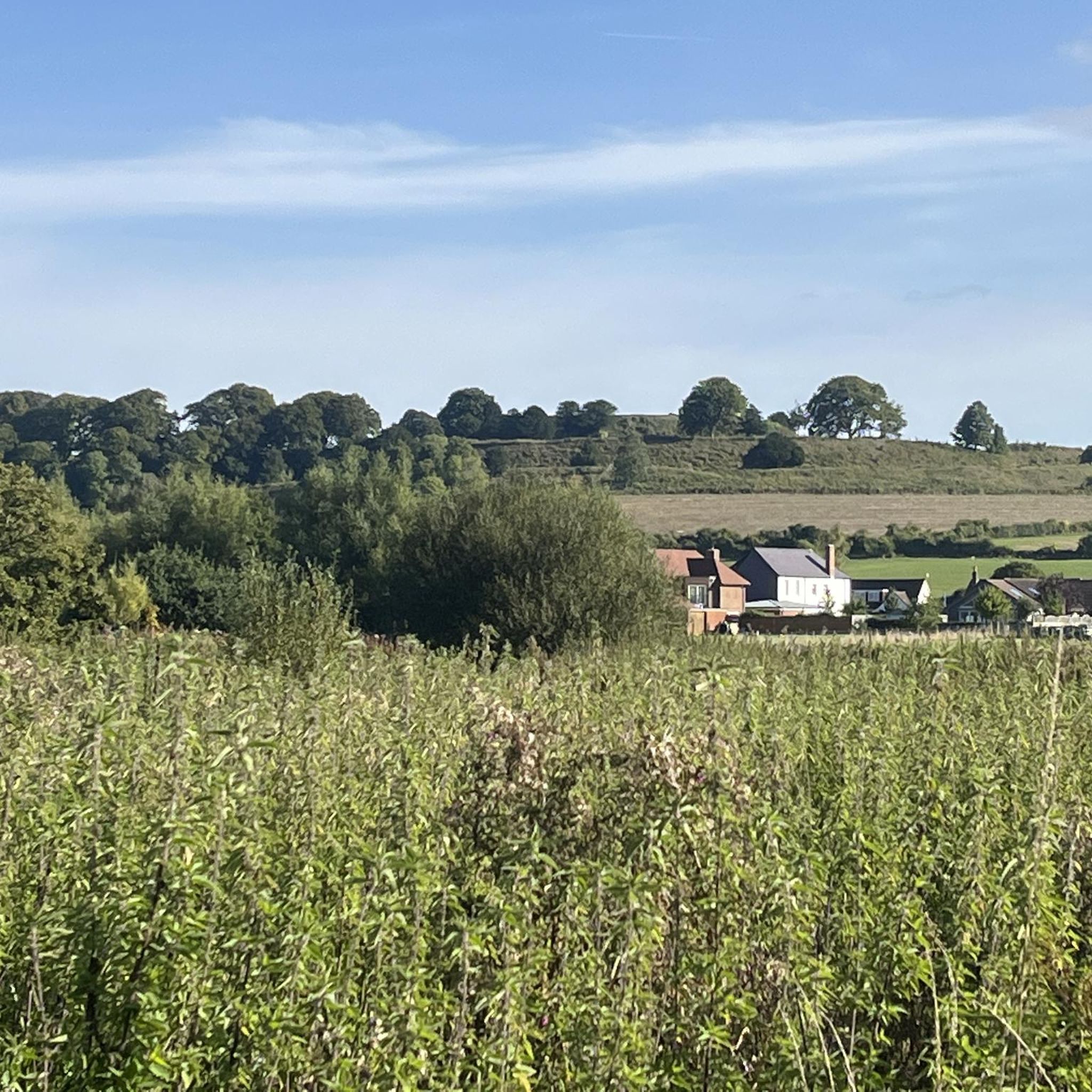
Nice hill climb with views across Cranborne Chase. Decent is a great fun as long as there’s no crosswinds!
4
0
Frequently Asked Questions
What are the most family-friendly natural monuments to visit around Wilton?
For families, Stonehenge is an excellent choice, offering a visitor center with exhibitions and Neolithic houses. The Sarsen Stone at Stonehenge Visitor Centre is also family-friendly and wheelchair accessible, allowing interaction with a large sandstone block. Additionally, Figsbury Ring, an Iron Age hill fort, is suitable for families and offers fine views.
Are there any accessible natural monuments near Wilton?
Yes, the Sarsen Stone at Stonehenge Visitor Centre is noted as wheelchair accessible, providing an opportunity for visitors to experience a piece of the Stonehenge materials up close.
What kind of historical significance do the natural monuments around Wilton hold?
The region is rich in ancient history. Stonehenge itself dates back to the Neolithic Age and was used into the Bronze Age. The Normanton Down Barrows are ancient burial grounds from between 2600 and 1600 BC. Figsbury Ring is an Iron Age hill fort, possibly containing an even older Neolithic enclosure.
What outdoor activities can I do near these natural monuments?
The area around Wilton offers various outdoor activities. You can find routes for gravel biking, easy hikes, and road cycling. For example, explore routes like 'Old Sarum Ruins – Stonehenge loop from Salisbury' for gravel biking, or 'The Punchbowl loop from Hare Warren' for easy hiking. You can find more details on these activities in the Gravel biking around Wilton, Easy hikes around Wilton, and Road Cycling Routes around Wilton guides.
Are there good viewpoints among the natural monuments?
Yes, several natural monuments offer excellent views. Stonehenge provides panoramic views of the surrounding landscape. Knowle Hill offers views across Cranborne Chase. Additionally, Figsbury Ring affords fine views over Salisbury Plain, Old Sarum, and Salisbury Cathedral.
What should I know about visiting Stonehenge?
Stonehenge is a world-renowned site with a visitor center, exhibitions, and Neolithic houses. It is highly recommended to book tickets and your visit day in advance online through English Heritage to save time and potentially parking fees. You can take a shuttle bus from the visitor center to the stone circle. Check opening hours and fees on the official English Heritage website: english-heritage.org.uk.
What is the best time of year to visit the natural monuments around Wilton?
The natural monuments around Wilton, characterized by rolling chalk downlands, can be enjoyed year-round. Spring and summer offer pleasant weather for exploring and clearer views. Autumn provides beautiful scenery with changing foliage, while winter can offer a stark, dramatic landscape, especially at sites like Stonehenge. Always check local weather forecasts before your visit.
What do visitors enjoy most about the natural monuments around Wilton?
Visitors particularly appreciate the unique blend of historical significance and natural beauty. The awe-inspiring scale of Stonehenge, the challenging climb and rewarding views from Knowle Hill, and the ancient atmosphere of sites like Normanton Down Barrows are frequently highlighted. The opportunity to connect with ancient history amidst scenic landscapes is a major draw.
Are there any natural monuments suitable for a challenging hike or climb?
Yes, Knowle Hill is known for its climb, offering a rewarding experience for those seeking a more strenuous activity. It provides excellent views across Cranborne Chase, making the effort worthwhile.
Can I bring my dog to the natural monuments around Wilton?
Many outdoor natural monuments and trails in the region, such as Knowle Hill, Normanton Down Barrows, and Figsbury Ring, are generally dog-friendly, especially on trails. However, it's always best to keep dogs on a leash, particularly in areas with livestock or protected wildlife, and to check specific site regulations before visiting. For Stonehenge, dogs are typically allowed in the outdoor areas but not inside the visitor centre or on the shuttle bus, with assistance dogs being an exception.
How long does it typically take to explore the main natural monuments?
The time needed varies by site. For Stonehenge, including the visitor center and the stone circle, you should allocate at least 2-3 hours. Smaller sites like Knowle Hill or Figsbury Ring can be explored in 1-2 hours, depending on how much walking you do. If you plan to visit multiple sites, consider dedicating a full day or more.
Are there any lesser-known natural monuments worth visiting near Wilton?
While Stonehenge is world-famous, sites like Normanton Down Barrows offer a quieter, yet equally historically significant experience. These Bronze Age burial mounds provide a tangible connection to ancient civilizations and are part of the Avebury and Stonehenge World Heritage Site, visible from Stonehenge itself.
Most popular routes around Wilton
Most popular attractions around Wilton

Get inspired with the komoot mobile app


Explore more
Extend your search for the best caves by checking out these guides of the top ones around Wilton:
