Top 8 Natural Monuments around Seend
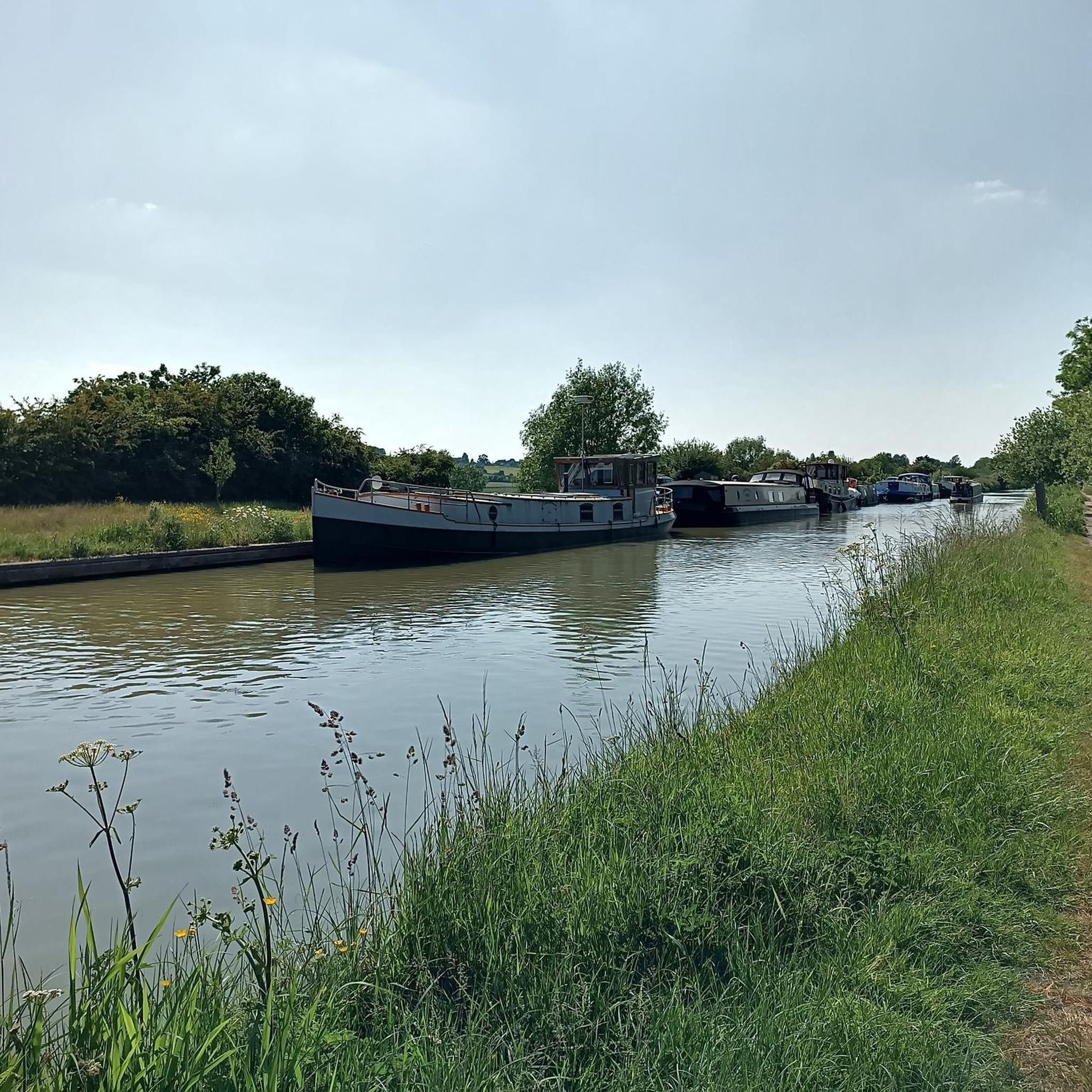
Best natural monuments around Seend are characterized by the village's hilltop setting, offering views across the surrounding landscape. The area features waterways like the Semington Brook and Summerham Brook, and is bordered by the historic Kennet and Avon Canal. While Seend itself does not have officially designated natural monuments, the wider region of Wiltshire is known for its chalk figures, ancient hillforts, and expansive natural areas like Salisbury Plain. These sites blend natural beauty with historical significance, providing diverse outdoor…
Last updated: July 1, 2026
Westbury White Horse
Highlight • Natural Monument
Today the hill's most defining feature is the striking …
Tip by

Devizes White Horse
Highlight • Monument
Tip by

Sign up now to discover places like this
Get recommendations on the best single tracks, peaks, & plenty of other exciting outdoor places.
Sign up for free
Bratton Camp and Long Barrow
Highlight • Viewpoint
Tip by
Morgan's Hill
Highlight • Natural Monument
Tip by

View from Roundway Down
Highlight • Viewpoint
Tip by

Sign up for free to discover even more natural monuments around Seend.
Sign up for free
Already have an account?
Start today with a free account
Your next adventure awaits.
Login or Signup
Tips from the Community

A stunning area to explore. Chalk tracks aplenty. Watch out for cyclists, especially if you have a dog, the bikers can be speedy.
0
0

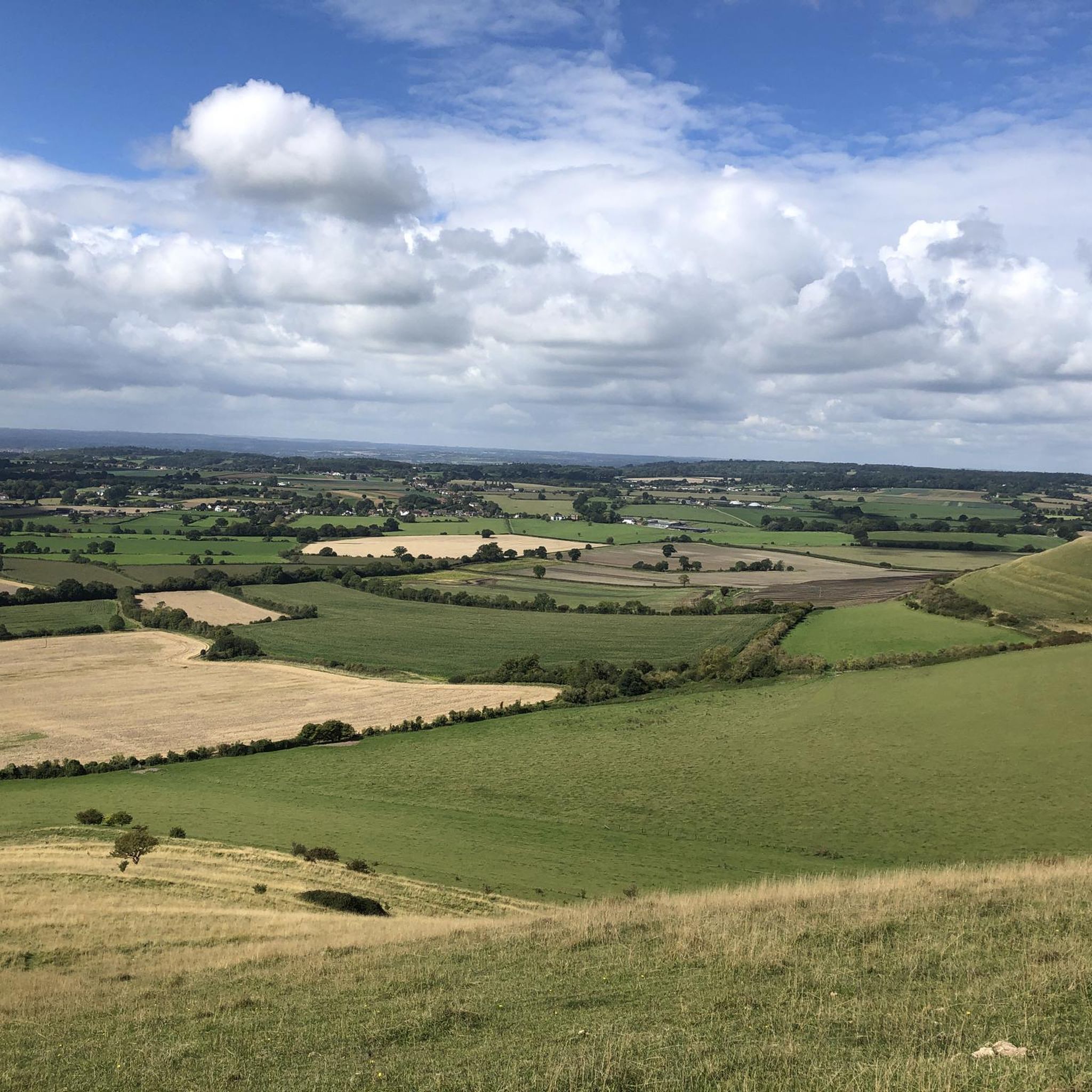
Morgan's Hill is a Site of Special Scientific Interest and hilltop vantage point where you can enjoy commanding views over Cherhill Down and the plains of north Wiltshire.
0
0

The oldest of the Wiltshire white horses this was originally cut in 1772 and restored in 1778. There was evidence of an older horse here facing the other way, but no strong evidence suggests how old that was. In 1872/1873 the horse was considered to be losing its shape, it was re cut and edging stones added. In 1957 the horse was concreted to preserve it. For the runner the trails around the top of the horse are great fun and the 33-mile Imber trail also passes here. There are nice loops from the car park above the horse or from nearby Westbury.
1
0

Roundway Down is an Iron Age hill fort that can be seen for many miles around. This steep-sided, wildlife-rich chalk grassland down has fantastic views from the top. It's also a great place to spot wildflowers and butterflies in summer.
0
0

There are over 1,200 hillforts in England, most of which occupy fantastic viewpoints and Bratton Camp hillfort is no different. In fact, it has a truly extraordinary vistas from its earthen ramparts. The camp sits just on the ridge between Westbury and Bratton, and immediately above the Westbury White Horse. There's a long barrow within the castle's fortifications estimated to be around 5,000 years old.
0
0
The Devizes Millennium White Horse is one of the most recent chalk figures cut in the UK, created in 1999. It sits up on an escarpment on Roundway Hill just north of Devizes and it's easily accessible by multiple footpaths and bridleways. You can view the horse from the south as well as from neighbouring Milk Hill. It's one of many past and present chalk horses on Wiltshire's hills.
0
0

Watch out for dogs walkers in this popular spot. There are many trails and dogs and walkers can come from any direction. Also look out as you head from the open areas into the thick trees at dusk as you may suddenly find you can see the cross cross Or roots under your wheels.
0
0

The newest of Wiltshire's White Horses, Devizes was cut in 1999 to mark the Millennium. It's located on Roundway Hill to the north of Devizes. https://www.visitwiltshire.co.uk/things-to-do/devizes-white-horse-p1692753
0
0
Frequently Asked Questions
What types of natural monuments can I explore around Seend?
The area around Seend is known for its unique blend of natural beauty and historical significance. You'll find impressive chalk figures carved into hillsides, ancient Iron Age hillforts offering panoramic views, and expansive natural areas like Salisbury Plain. The village itself is situated on a hilltop, with waterways like the Semington Brook and the historic Kennet and Avon Canal nearby, contributing to the scenic landscape.
Which are the most popular natural monuments near Seend?
Among the most popular natural monuments are Bratton Camp and Long Barrow, an Iron Age hillfort with extraordinary vistas and a 5,000-year-old Neolithic long barrow. Another favorite is Westbury White Horse and Bratton Camp, famous for the iconic chalk figure and rich wildlife. Visitors also enjoy the Devizes White Horse, a more recent chalk figure easily accessible by footpaths.
Are there family-friendly natural monuments or activities around Seend?
Yes, several natural monuments are suitable for families. The Devizes White Horse is easily accessible via multiple footpaths and bridleways, making it a good option for a family outing. Additionally, the wider area offers places like Drews Pond Wood Local Nature Reserve in Devizes, which is ideal for experiencing local flora and fauna with children.
What outdoor activities can I do near these natural monuments?
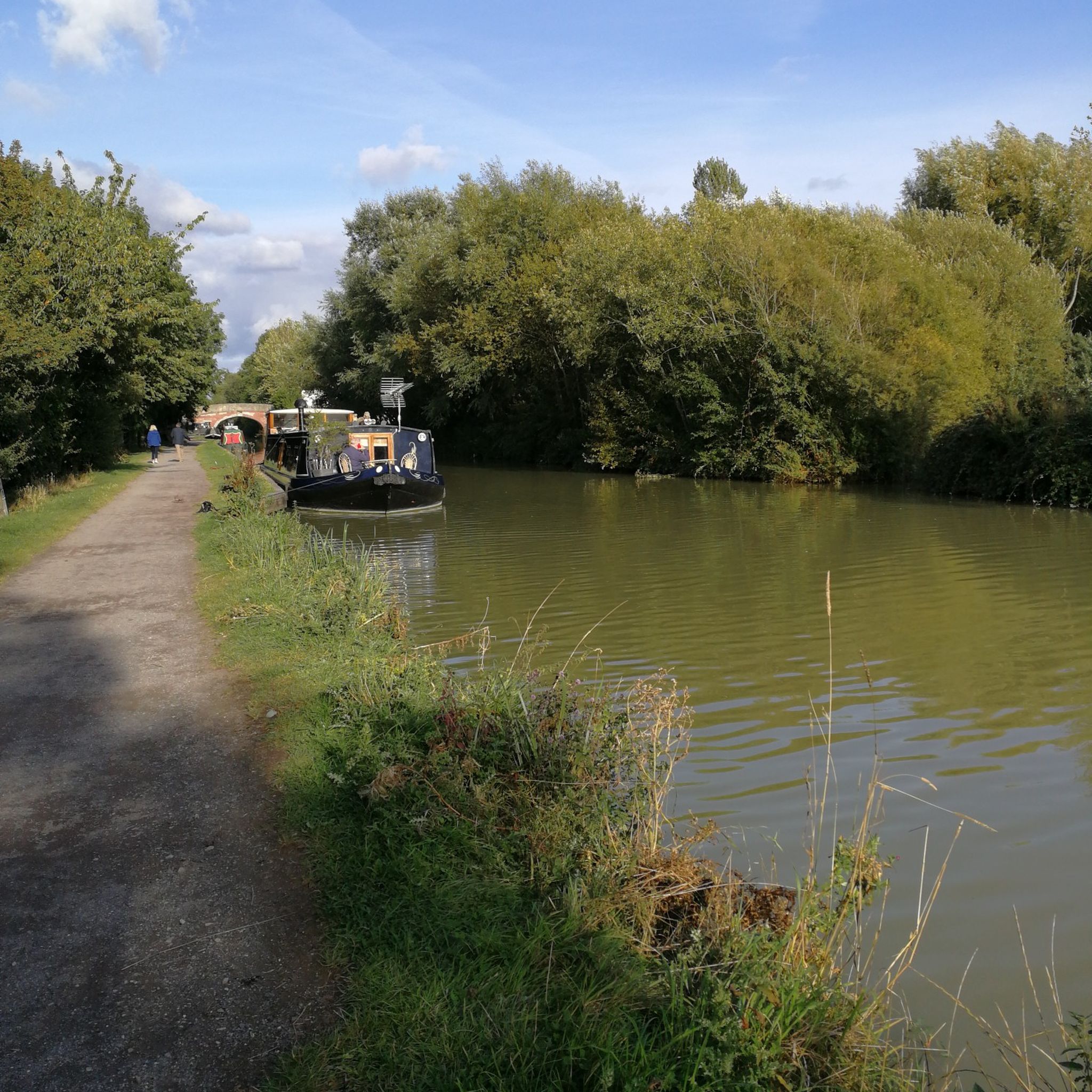
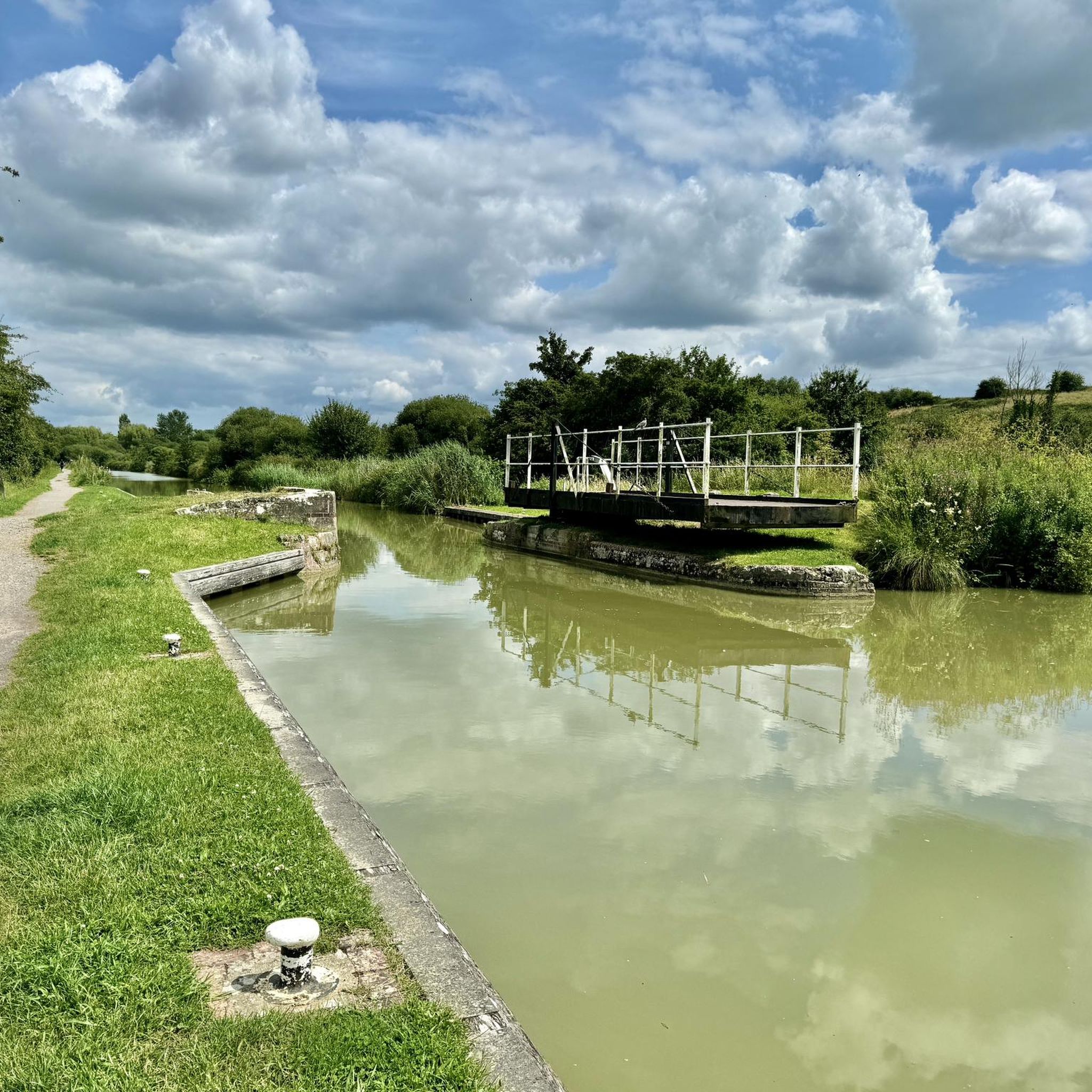
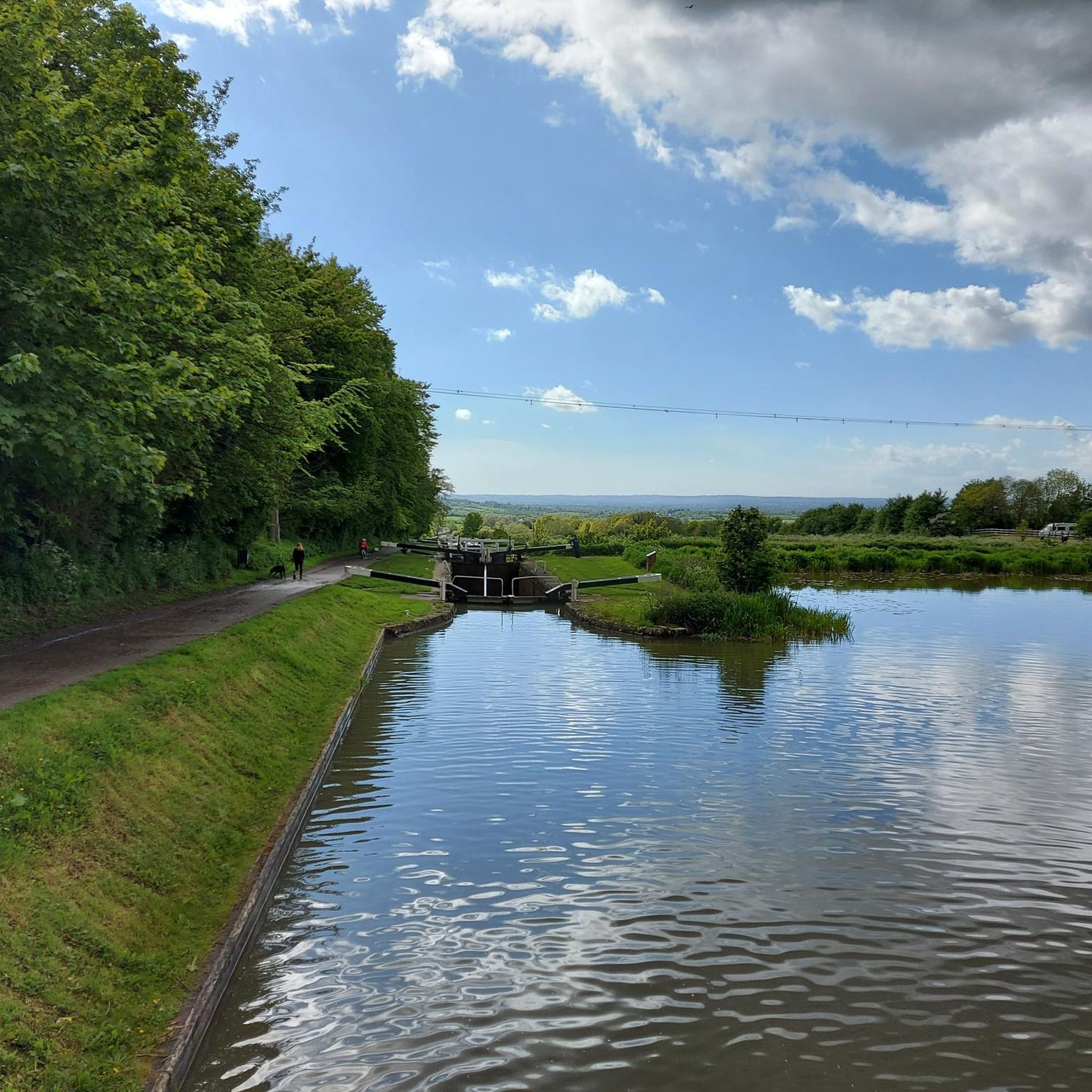
The area around Seend offers various outdoor activities. You can enjoy hiking along the Kennet and Avon Canal, which passes close to Seend, or explore the many trails around the chalk figures and hillforts. There are also cycling routes available. For more detailed route information, you can check out the easy hikes around Seend, road cycling routes, and general cycling guides for the region.
Are there any natural monuments with historical significance?
Absolutely. Many natural monuments in the Seend area are deeply intertwined with history. Bratton Camp and Long Barrow is an Iron Age hillfort with a Neolithic long barrow dating back 5,000 years. The Westbury White Horse is believed to have been cut in the late 1600s to commemorate the Battle of Ethandun. These sites offer a unique combination of natural landscapes and ancient human history.
Where can I find the best viewpoints near Seend?
For outstanding views, head to Bratton Camp and Long Barrow, which provides extraordinary vistas from its earthen ramparts. Westbury White Horse and Bratton Camp also offers outstanding views over the surrounding countryside. Another excellent spot is Morgan's Hill, a hilltop vantage point with commanding views over Cherhill Down and the plains of north Wiltshire.
What is the best time of year to visit the natural monuments around Seend?
The natural monuments around Seend can be enjoyed year-round. Spring and summer offer lush green landscapes, ideal for walking and wildlife spotting, with warmer weather. Autumn brings beautiful colors to the countryside. Even in winter, clear days can provide crisp views, though some paths might be muddy. Always check local weather conditions before your visit.
Can I spot wildlife at these natural monuments?
Yes, wildlife spotting is a rewarding activity. The chalk grassland areas, such as those around Westbury White Horse and Bratton Camp, are rich in wildlife, including important plants that provide habitats for insects like the rare Adonis Blue butterfly and the scarce forester moth. The waterways like Semington Brook and the Kennet and Avon Canal also support diverse aquatic and bird life.
Are there dog-friendly trails near the natural monuments?
Many of the trails and open spaces around Seend's natural monuments are dog-friendly, making them great for walks with your canine companion. For example, the area around Morgan's Hill features 'chalk tracks aplenty' suitable for exploring with dogs. Always ensure dogs are kept under control, especially near livestock or sensitive wildlife areas.
What are the unique natural features within Seend village itself?
While Seend doesn't have officially designated 'natural monuments' within its immediate boundaries, the village itself boasts interesting natural features. It sits on a hilltop, offering views across the landscape. It's bordered by the Semington Brook and Summerham Brook, and the historic Kennet and Avon Canal passes nearby. Historically, Seend was also known for its chalybeate and saline springs, highlighting its unique geological characteristics.
What do visitors enjoy most about the natural monuments in this region?
Visitors frequently praise the extraordinary vistas from sites like Bratton Camp and Long Barrow, calling them 'outstanding views' and 'perfect places for a mid-ride picnic or chill.' The combination of impressive natural landscapes with deep historical significance, such as the Iron Age hillforts and ancient long barrows, is also a major draw. The accessibility of many sites via footpaths and bridleways is also highly appreciated.
Most popular attractions around Seend

Get inspired with the komoot mobile app


Explore more
Extend your search for the best caves by checking out these guides of the top ones around Seend:
