Top 4 Natural Monuments around Great Hinton
Best natural monuments around Great Hinton feature a rural landscape characterized by Corallian limestone outcrops and areas of Oxford clay. The region includes historical landscape elements such as an ancient holloway and medieval earthworks, providing insights into past human activity and land use. These features offer a blend of natural and historical interest, showcasing the geological processes that shaped the land.
Best natural monuments around Great Hinton
- The most popular natural monuments is Westbury White Horse and Bratton Camp,…
Last updated: July 1, 2026
Westbury White Horse
Highlight • Natural Monument
Today the hill's most defining feature is the striking …
Tip by

Bratton Camp and Long Barrow
Highlight • Viewpoint
Tip by

Sign up now to discover places like this
Get recommendations on the best single tracks, peaks, & plenty of other exciting outdoor places.
Sign up for free
View of Westbury White Horse
Highlight • Climb
From Bratton it's steady until the final kick, from …
Tip by

Tellisford Weir on the River Frome
Highlight (Segment) • River
Tip by

Start today with a free account
Your next adventure awaits.
Login or Signup
Tips from the Community

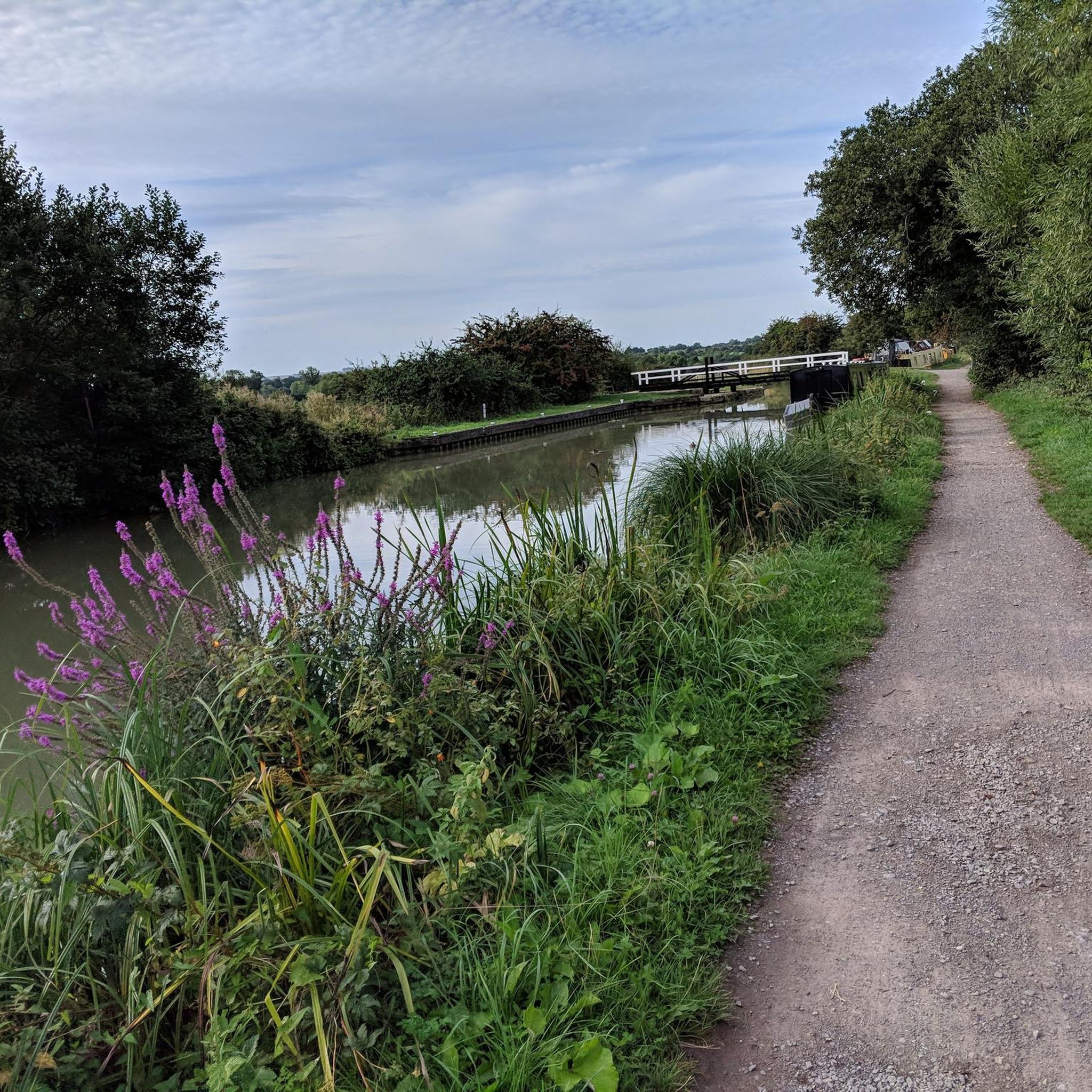
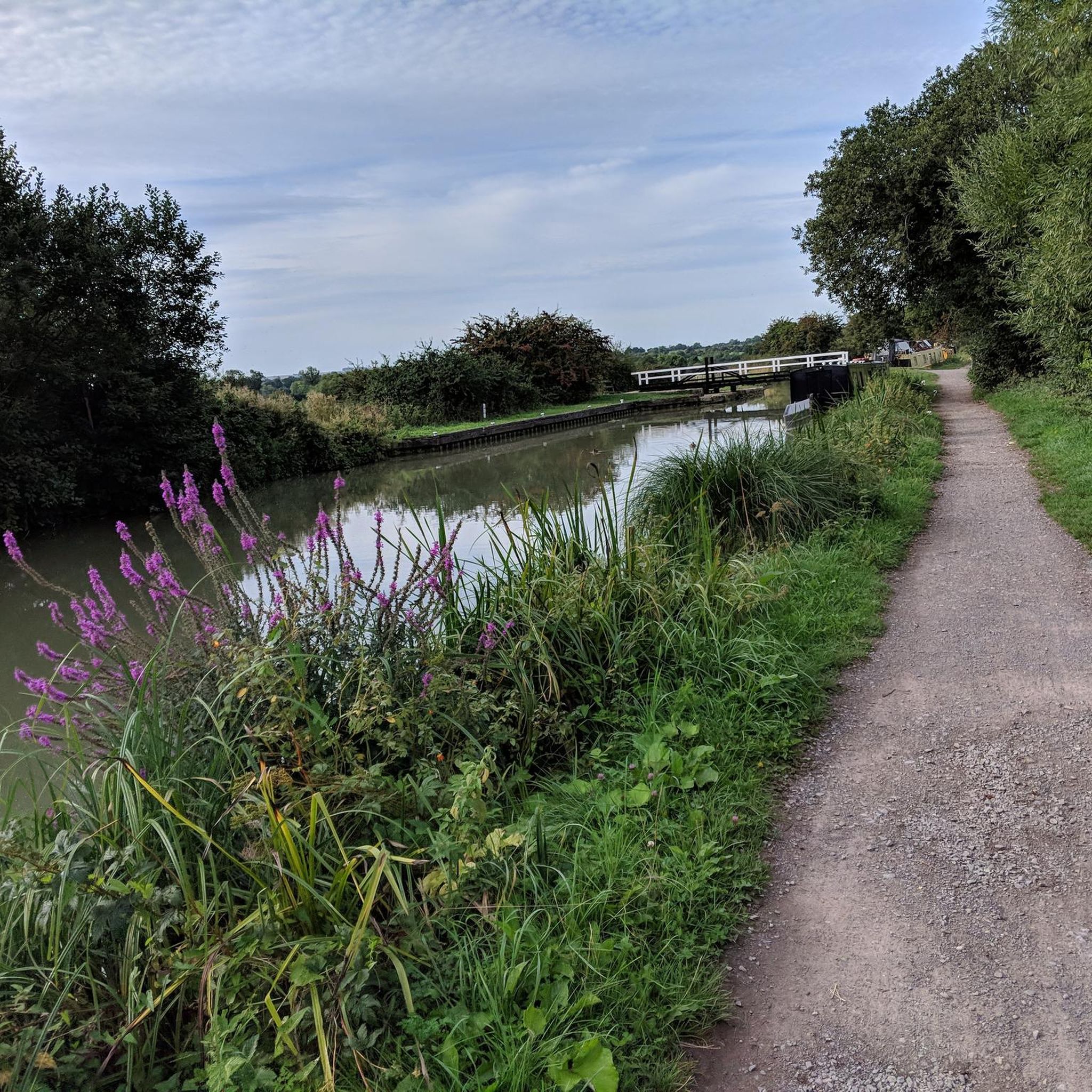
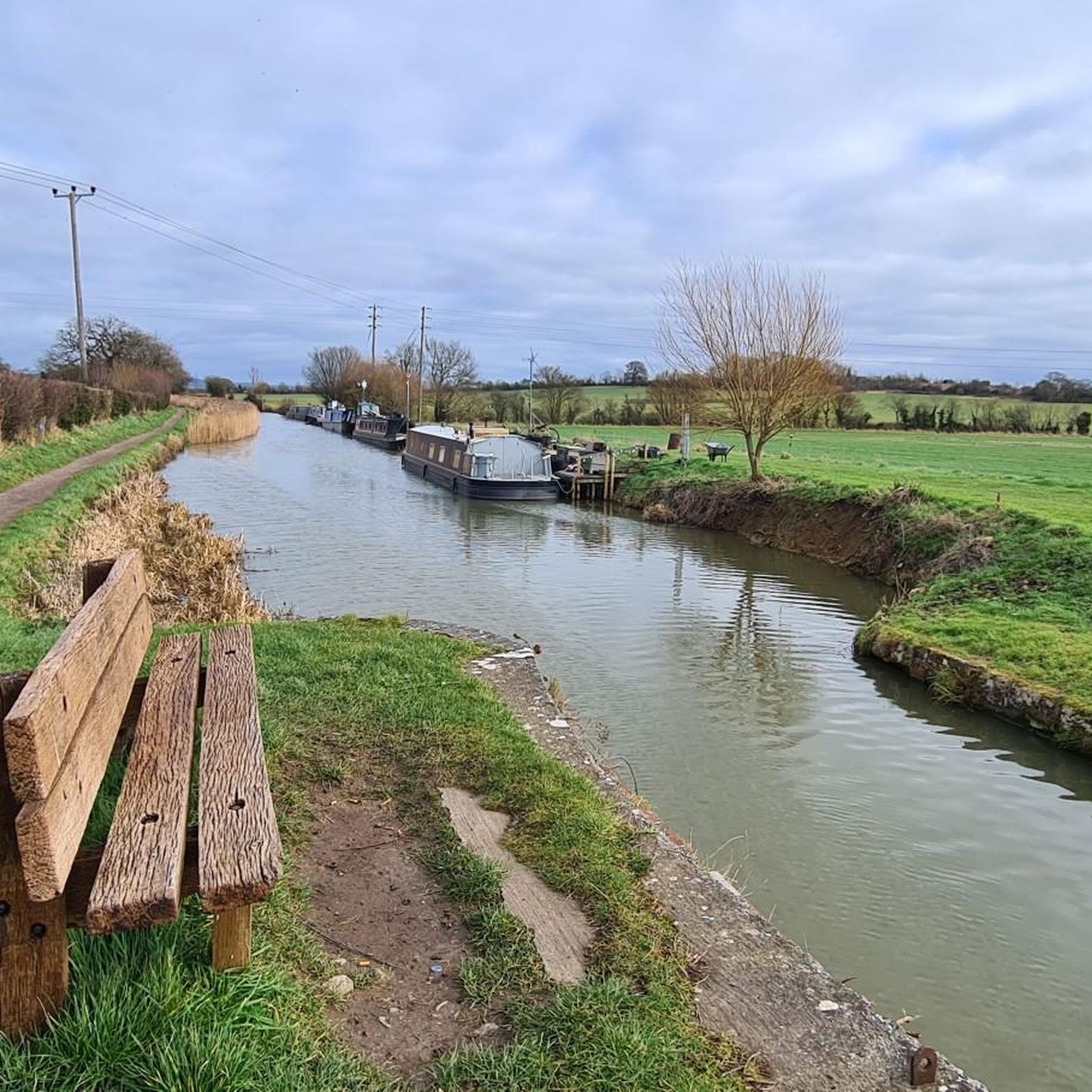
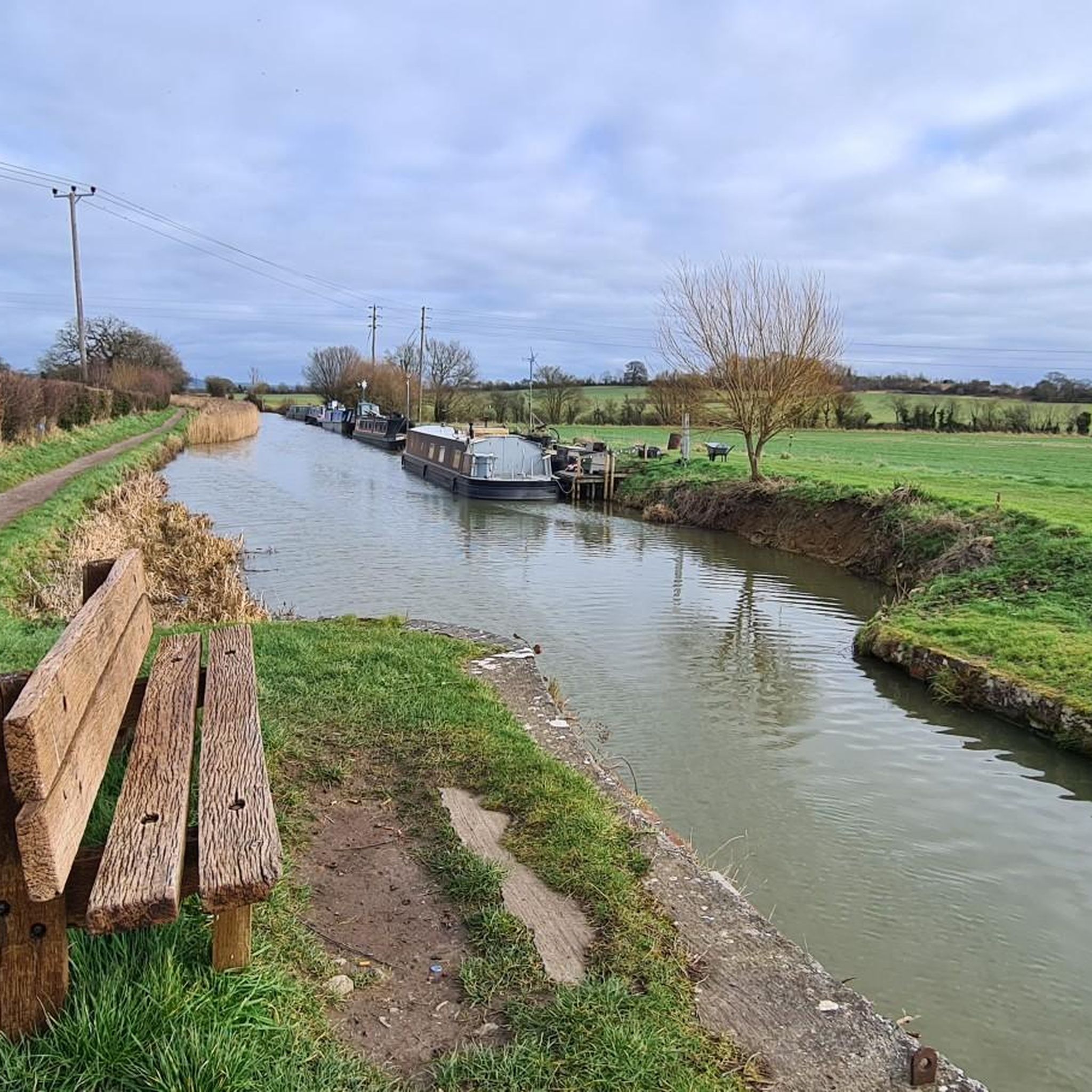
The path along this section of the river Frome between Tellisford Mill and Langham Farm where you join a track to Rode is a lovely run. The grassy field is a nice surface, but it does get a bit wet in the winter. The weir is a popular swimming spot but gets very busy in the summer and you aren't allowed to swim here as the weir gets damaged and affects the working of the mill.
1
0
The oldest of the Wiltshire white horses this was originally cut in 1772 and restored in 1778. There was evidence of an older horse here facing the other way, but no strong evidence suggests how old that was. In 1872/1873 the horse was considered to be losing its shape, it was re cut and edging stones added. In 1957 the horse was concreted to preserve it. For the runner the trails around the top of the horse are great fun and the 33-mile Imber trail also passes here. There are nice loops from the car park above the horse or from nearby Westbury.
1
0

There are over 1,200 hillforts in England, most of which occupy fantastic viewpoints and Bratton Camp hillfort is no different. In fact, it has a truly extraordinary vistas from its earthen ramparts. The camp sits just on the ridge between Westbury and Bratton, and immediately above the Westbury White Horse. There's a long barrow within the castle's fortifications estimated to be around 5,000 years old.
0
0

Westbury White Horse was originally cut in the late 1600s and is the oldest white horse in Wiltshire. From this spot, you are afforded lovely views.
1
0

Bratton Camp was originally an Iron Age hill fort built over 2,000 years ago to defend the settlement from its enemies. Today the hill's most defining feature is the striking white horse cut into its slopes. Records suggest that the horse was made at the end of the 17th century to commemorate the Battle of Ethandun. Despite its turbulent past, Bratton Camp is now a relaxing place to take a stroll. The chalk grassland is teeming with wildlife and insects. Look out for the rare Adonis Blue butterfly which can be found here. You can visit any time during daylight hours. Entrance is free.
1
0

Don’t forget to look around you. If you’re legs are up for it you can even ride up!
0
0

2 options to climb up here, both are challenging climbs but the reward is a great view over Trowbridge and Westbury. From Bratton it's steady until the final kick, from Westbury it's just hard all the way up with 3 kicks on the way there - brutal. Once at the top there are light gravel ride options flanking the firing range.
0
0
Frequently Asked Questions
What are some of the most notable natural monuments to visit around Great Hinton?
The area around Great Hinton features several significant natural monuments. You can explore Bratton Camp and Long Barrow, an ancient hillfort offering extraordinary vistas and housing a 5,000-year-old long barrow. Another prominent site is Westbury White Horse and Bratton Camp, an Iron Age hillfort situated above the iconic chalk figure. For a scenic riverside experience, visit Tellisford Weir on the River Frome.
What kind of landscapes can I expect to see at the natural monuments near Great Hinton?
The natural monuments around Great Hinton offer a diverse landscape. You'll find ancient earthworks and hillforts with expansive views across the countryside, such as those at Bratton Camp. There are also iconic chalk figures carved into hillsides, like the Westbury White Horse, and picturesque river paths along the River Frome.
Are there any historical natural monuments in the Great Hinton area?
Yes, the region is rich in historical natural monuments. Bratton Camp and Long Barrow is an Iron Age hillfort with a Neolithic long barrow dating back approximately 5,000 years. The nearby Westbury White Horse, a chalk figure, is also a historical landmark, believed to have been carved in the late 1600s.
Are the natural monuments around Great Hinton suitable for families?
Many natural monuments in the area are suitable for families. For example, the View of Westbury White Horse from Lower Westbury Road is considered family-friendly, offering a pleasant gravel lane for viewing the chalk figure. Exploring the hillforts can also be an engaging activity for older children interested in history and outdoor exploration.
When is the best time of year to visit the natural monuments around Great Hinton?
The best time to visit depends on your preferred activity. Spring and summer offer pleasant weather for walking and enjoying the views, with the added bonus of potential wildlife sightings. However, paths along the River Frome, such as near Tellisford Weir, can become wet during winter, so drier months are generally recommended for comfortable exploration.
Are there any specific wildlife viewing opportunities at these natural monuments?
Yes, the chalk grassland areas around sites like Westbury White Horse and Bratton Camp are rich in wildlife. You might spot important plants that provide habitats for insects, including the rare Adonis Blue butterfly and the scarce forester moth. The riverside paths also offer opportunities to observe local flora and fauna.
What outdoor activities can I do near these natural monuments?
The area around Great Hinton offers various outdoor activities. You can find numerous road cycling routes, with options like the 'Trowbridge Castle – Gonjo Café loop' or 'Caen Hill Locks loop'. There are also general cycling routes, such as the 'Avoncliff Aqueduct – Hilperton Marsh Bridge loop'. For hikers, easy trails like the 'St Mary's Church – Steeple Ashton Village loop' are available. You can find more details on these activities in the Road Cycling Routes around Great Hinton, Cycling around Great Hinton, and Easy hikes around Great Hinton guides.
Are there hiking trails near the natural monuments around Great Hinton?
Yes, there are several hiking trails, particularly easy ones, near the natural monuments. For instance, you can explore routes like the 'St Mary's Church – Steeple Ashton Village loop' or the 'Hilperton Marsh Bridge – Whaddon Bridge loop'. These trails allow you to experience the local landscape and access some of the natural monuments. More hiking options can be found in the Easy hikes around Great Hinton guide.
What do visitors enjoy most about the natural monuments around Great Hinton?
Visitors particularly enjoy the extraordinary vistas from the earthen ramparts of Bratton Camp and Long Barrow. The scenic detours and excellent views of the Westbury White Horse from locations like Lower Westbury Road are also highly appreciated. The combination of historical significance and natural beauty, along with opportunities for peaceful walks, makes these sites very popular.
Can I bring my dog to the natural monuments in Great Hinton?
While specific dog-friendly policies for each site are not detailed, many natural outdoor spaces in the UK, including hillforts and riverside paths, are generally accessible to dogs, often requiring them to be kept on a lead to protect wildlife and livestock. It's always advisable to check local signage upon arrival for any specific restrictions at individual natural monuments.
What is the significance of the Westbury White Horse?
The Westbury White Horse is a prominent chalk figure carved into the hillside, likely in the late 1600s. It is believed to commemorate the Battle of Ethandun, which is thought to have taken place at Bratton Camp in AD 878. It serves as an iconic landmark and a symbol of the region's rich history and landscape.
Is swimming allowed at Tellisford Weir on the River Frome?
While Tellisford Weir on the River Frome is a popular spot, swimming is discouraged. This is due to the potential for damage to the weir itself, which can affect the operation of the nearby mill. The area is best enjoyed for its scenic paths and riverside views.
Most popular attractions around Great Hinton

Get inspired with the komoot mobile app


Explore more
Extend your search for the best caves by checking out these guides of the top ones around Great Hinton:
