Top 16 Natural Monuments around Salisbury
Best natural monuments around Salisbury offer diverse natural landscapes and historical significance. The region features picturesque water meadows, tranquil gardens, and expansive views over river valleys. Visitors can explore chalk downlands, nature reserves, and areas known for their biodiversity and wildlife. This area provides opportunities for walks and observing local flora and fauna.
Best natural monuments around Salisbury
- The most popular natural monuments is Stonehenge, a historical site that is one of the most famous sites in the world.…
Last updated: August 10, 2026
Stonehenge
Highlight • Historical Site
Tip by

Sarsen Stone at Stonehenge Visitor Centre
Highlight • Monument
Translated by Google •
Tip by

Sign up now to discover places like this
Get recommendations on the best single tracks, peaks, & plenty of other exciting outdoor places.
Sign up for free
Woodhenge
Highlight • Monument
Tip by

Cursus Barrows
Highlight • Natural Monument
Translated by Google •
Tip by
View of Stonehenge from the public footpath
Highlight • Viewpoint
Tip by

Sign up for free to discover even more natural monuments around Salisbury.
Sign up for free
Already have an account?
Start today with a free account
Your next adventure awaits.
Login or Signup
Popular around Salisbury
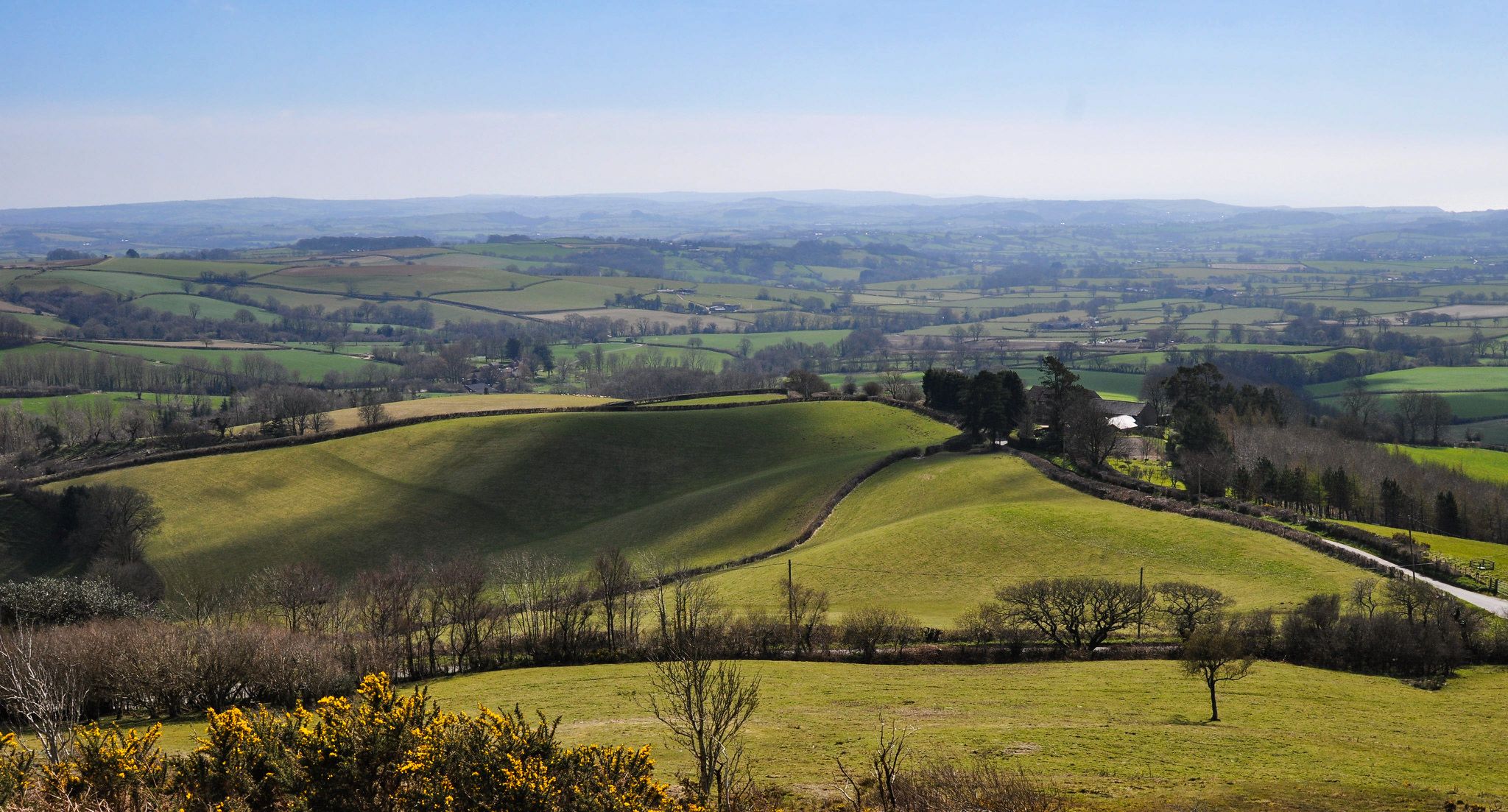
Hiking the Orange Way — Southern England in the footsteps of a king
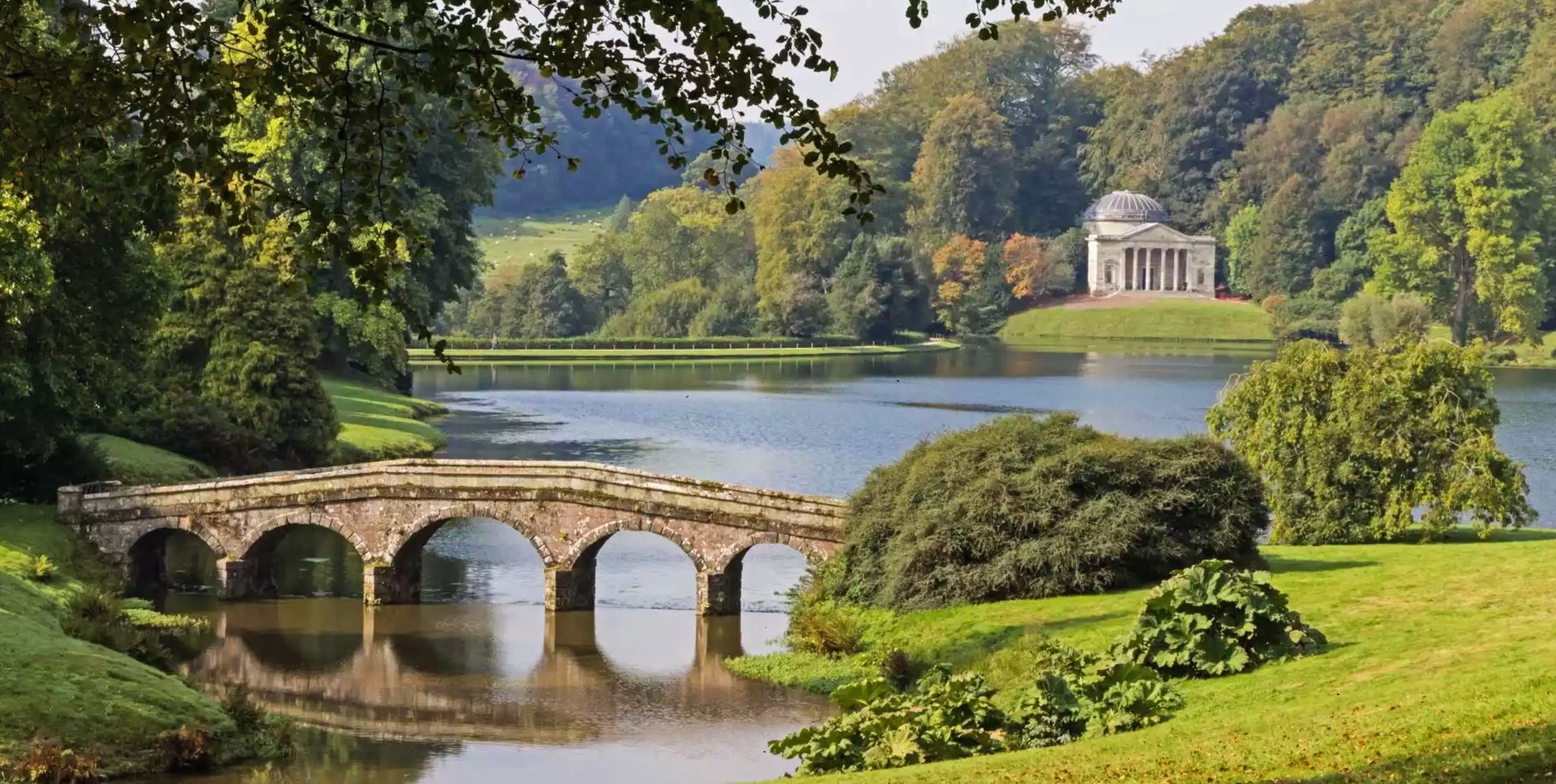
Wiltshire Cycleway – Cycle through 5,000 years of history
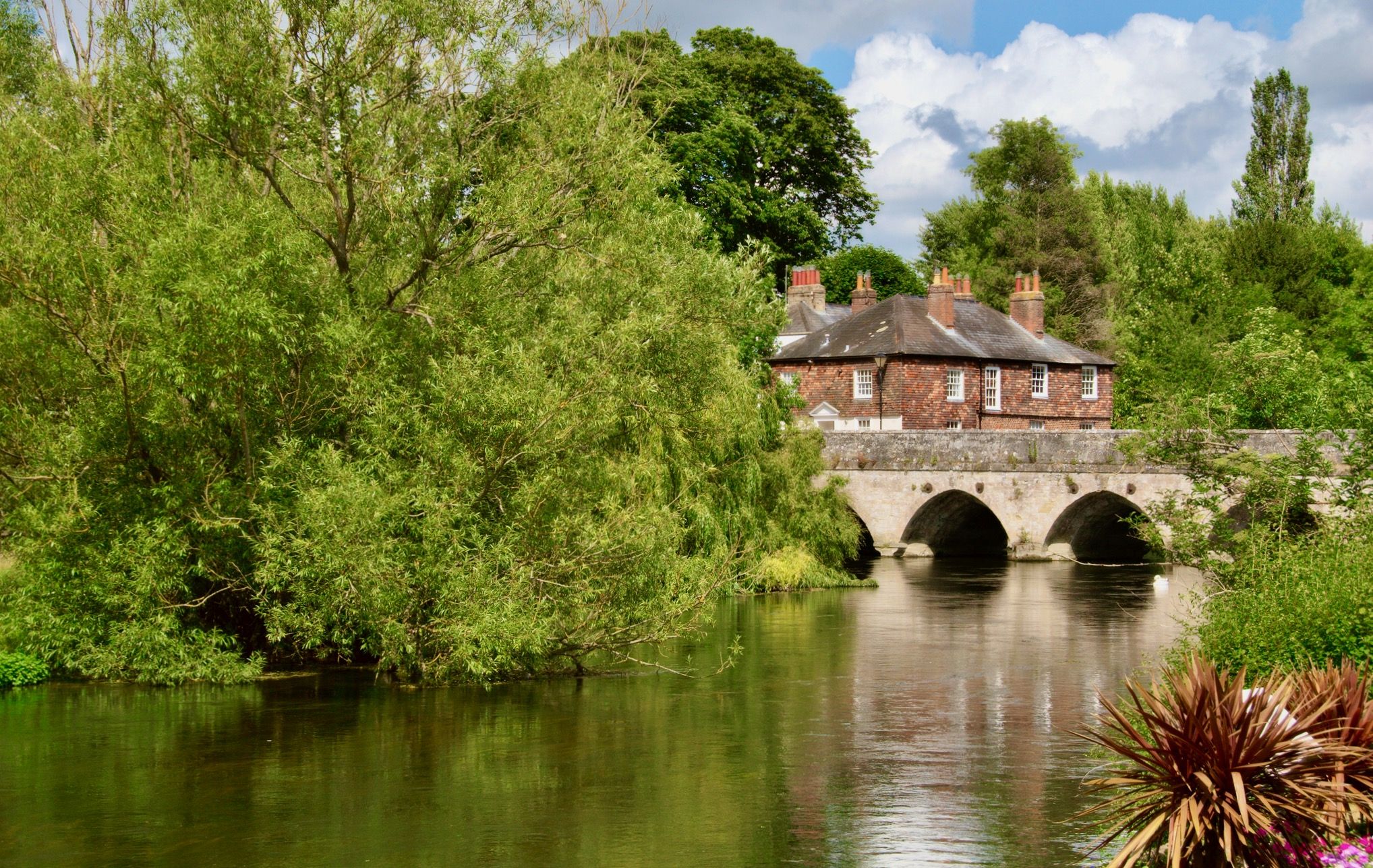
Walking through water meadows — the Avon Valley Path

My pier-to-pier & bridge-to-bridge mini-adventure by bike
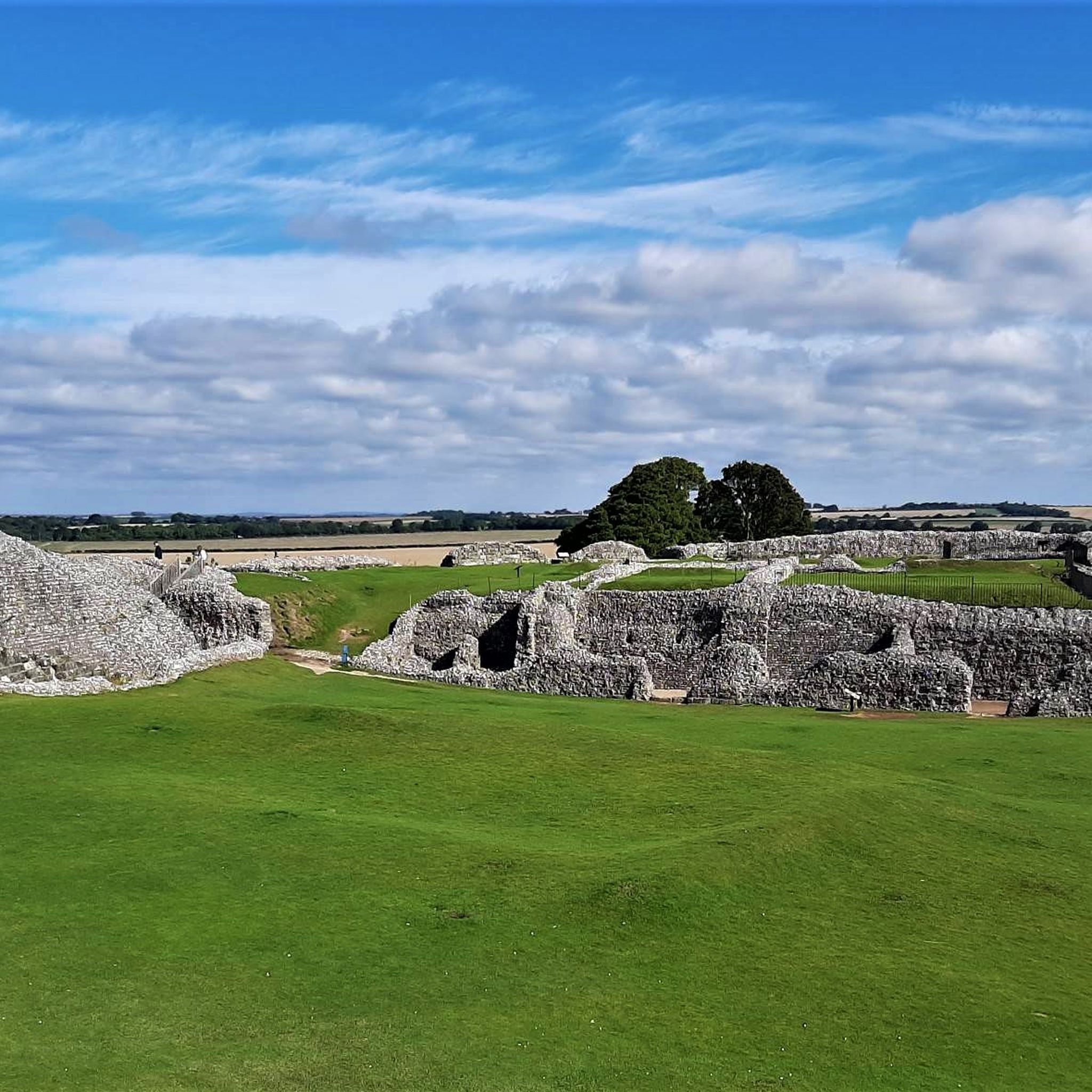
Hiking around Salisbury
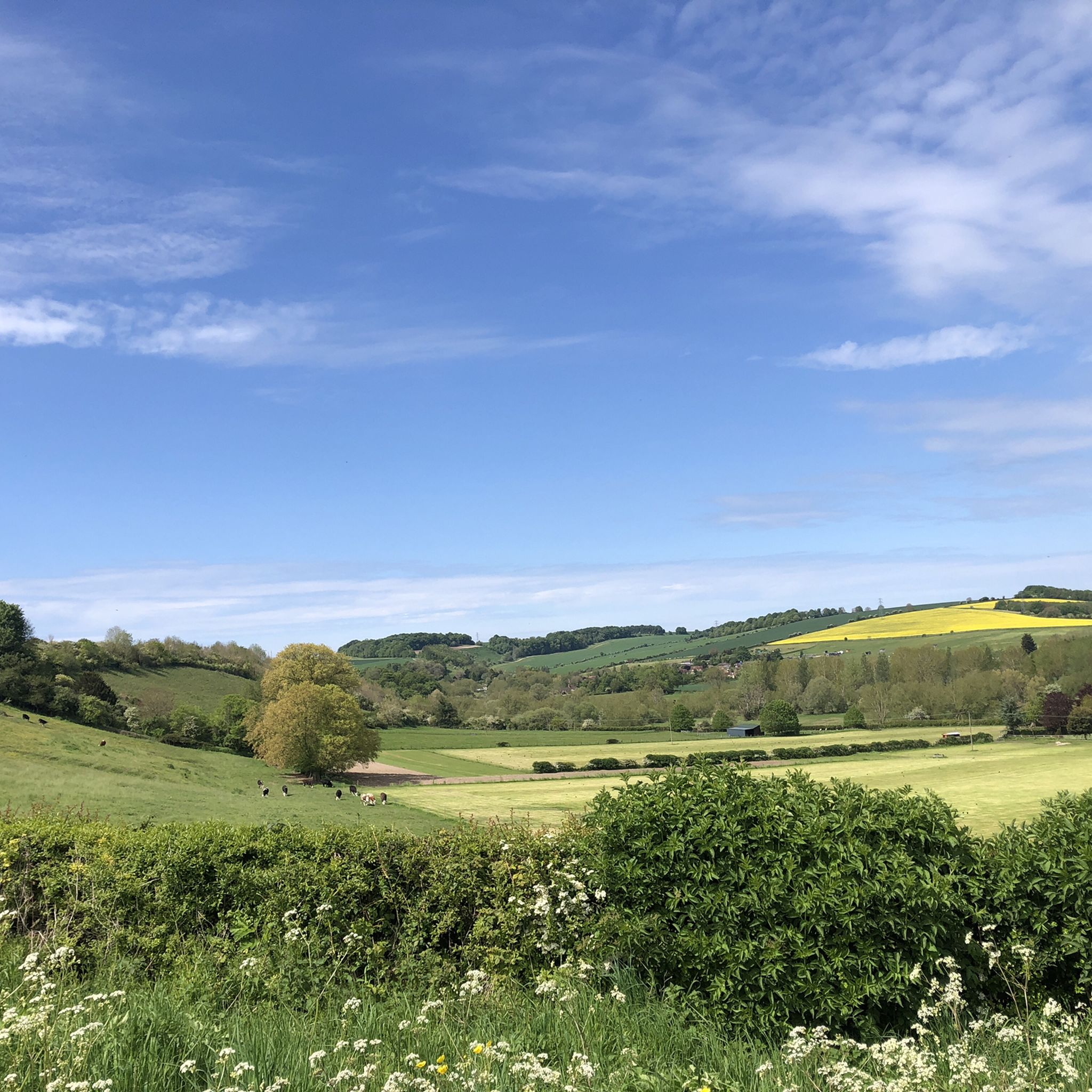
Road Cycling Routes around Salisbury
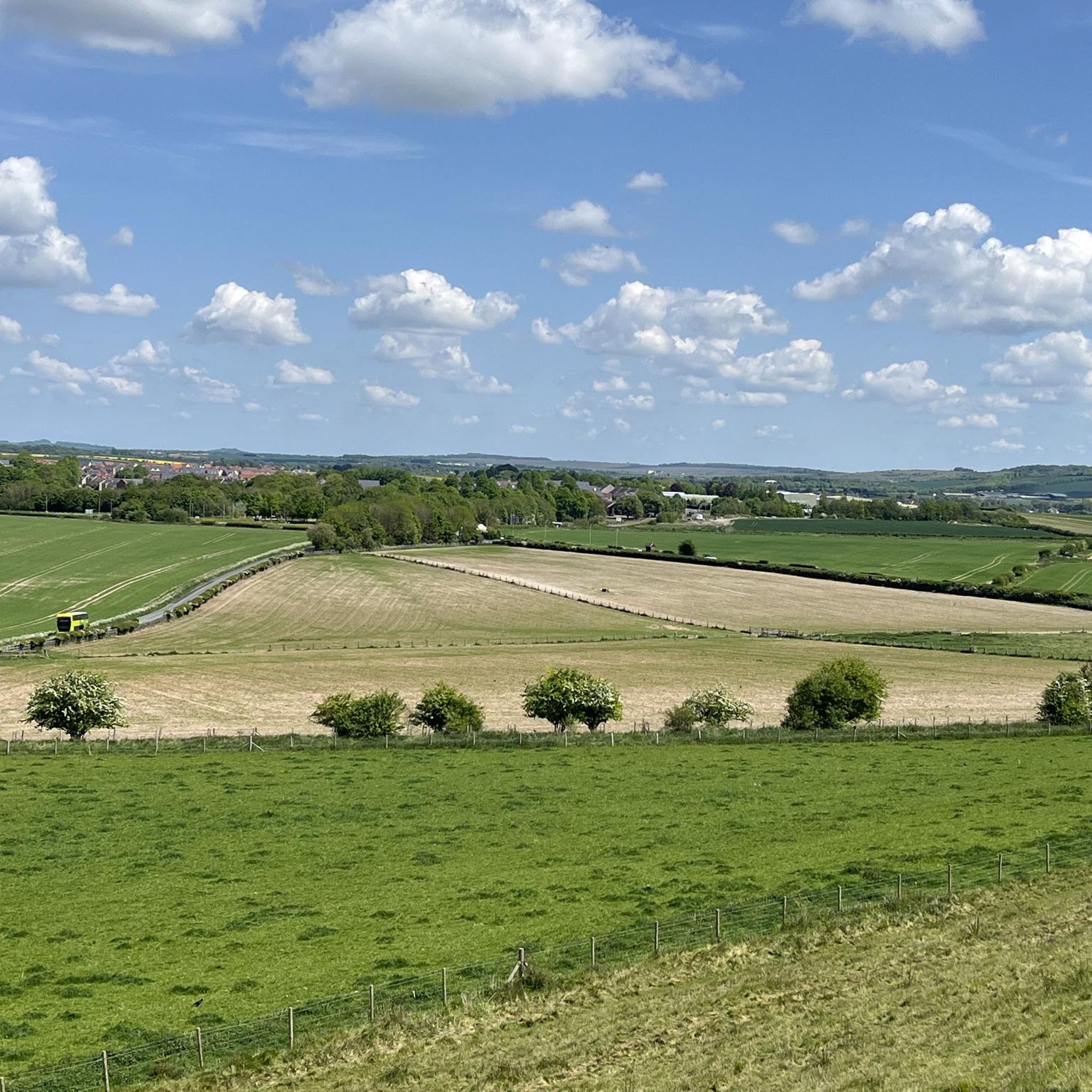
Cycling around Salisbury

Running Trails around Salisbury
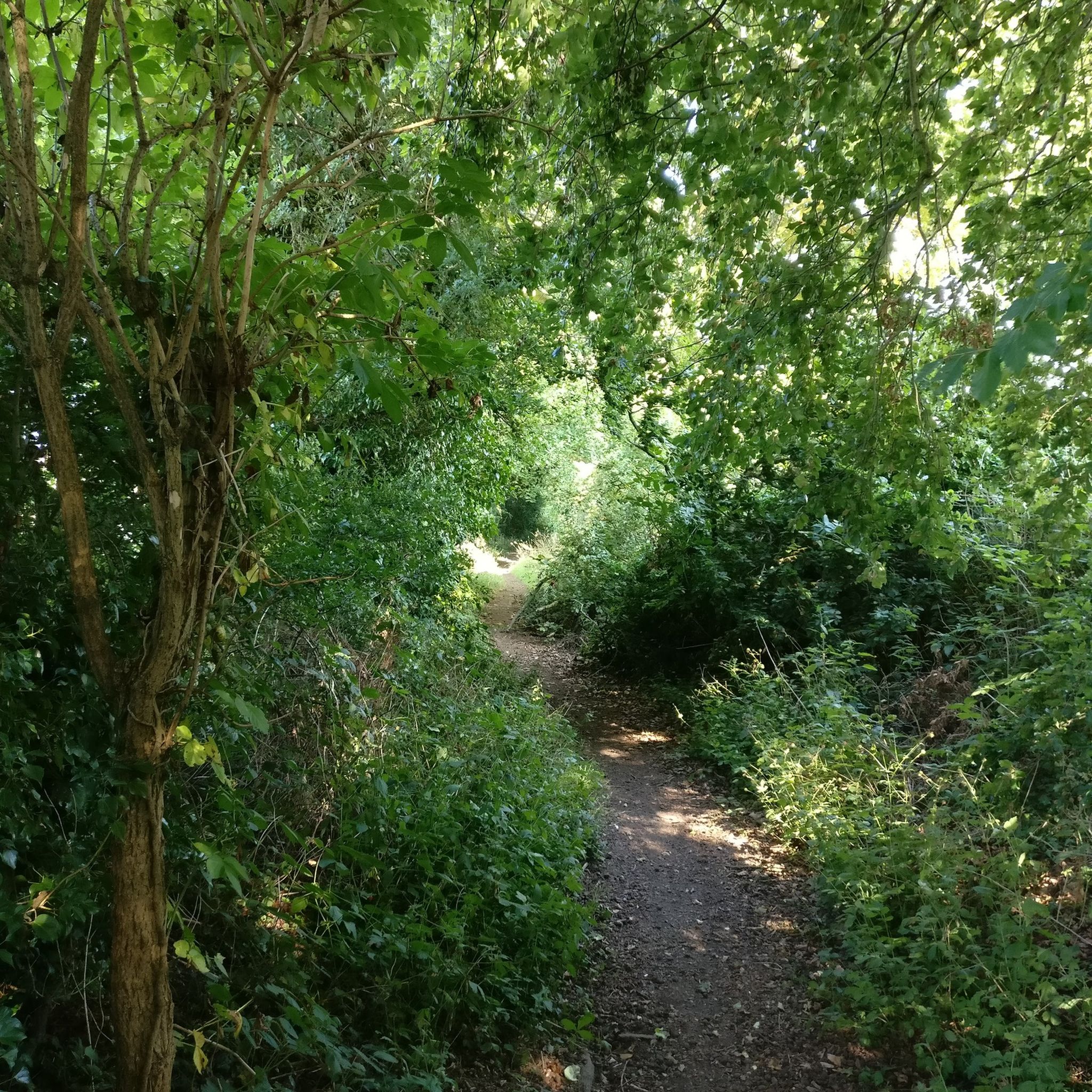
MTB Trails around Salisbury

Gravel biking around Salisbury
Other adventures around Salisbury


Tips from the Community


Why exactly there? Archaeologists suspect several reasons: Line of sight From the mounds, there is a direct view of Stonehenge. Sacred landscape The entire plain was a ritual area with paths, graves, and ceremonial sites. Status symbol Important people were buried near the famous sanctuary. Interesting fact There are over 300 burial mounds in the vicinity of Stonehenge – one of the largest prehistoric burial landscapes in Europe.
0
0
Here is a simple overview map explaining the landscape south of Stonehenge and why the burial mounds are located there. Landscape south of Stonehenge The most important range of mounds is called Normanton Down Barrows. It lies about 1 km south of Stonehenge. There are over 40 burial mounds there, dating from 2600–1600 BC. The mounds are situated on a long ridge that faces directly towards Stonehenge. Simplified diagram of the location North ↑ Stonehenge ○ | | approx. 1 km | ───────────────── Hill ridge with many burial mounds (Normanton Down) ○ ○ ○ ○ ○ ○ ○ ○ ○ ○ ↓ South Important hills there One particularly famous burial mound is Bush Barrow A richly furnished grave of a Bronze Age prince, containing gold objects and weapons, was found there.
0
0

It's unbelievable what people have achieved and built in the past (without any technology) - it's simply impressive and breathtaking
2
0

Can someone please be happy/laughing with me that Google Translate turns Amy's "henge and timber monument" into "Denkmal für Hühner 🐔" in German? - Great 😂😂😂
0
0


The building dates back to the Neolithic period.
5
0

Very mystical place, if you are there, definitely worth a visit.
1
0
Frequently Asked Questions
What kind of natural features can I expect to see around Salisbury?
The Salisbury area offers a diverse range of natural features. You can explore picturesque water meadows like Stonehenge, tranquil riverside gardens such as Queen Elizabeth Gardens, and expansive views over river valleys in places like The Woodford Valley. The region is also rich in chalk downlands, including Lime Kiln Down and Coombe Bissett Down Nature Reserve, known for wildflowers and diverse insect life. Nature reserves like Avon Valley Nature Reserve and Langford Lakes Nature Reserve provide opportunities to observe wetland species and birds.
Are there family-friendly natural monuments to visit near Salisbury?
Yes, several natural monuments around Salisbury are suitable for families. Stonehenge offers a visitor centre with exhibitions and Neolithic houses, making it an engaging experience for all ages. Woodhenge and the Cuckoo Stone are also family-friendly sites where children can explore ancient history in an open setting. Additionally, the Harnham Water Meadows and Queen Elizabeth Gardens provide pleasant, easy walks for families.
What are some good places for walking or hiking near Salisbury's natural monuments?
You'll find numerous walking opportunities. The Town Path through Harnham Water Meadows offers tranquil strolls with views of Salisbury Cathedral. For more extensive walks, The Woodford Valley provides scenic country paths. Pepperbox Hill is popular for dog walkers and offers breathtaking vistas. You can also explore footpaths along the River Avon at Avon Valley Nature Reserve. For detailed routes, consider exploring guides like Hiking around Salisbury or Easy hikes around Salisbury.
Can I visit natural monuments near Salisbury using public transport?
Many natural monuments around Salisbury are accessible by public transport, though some may require a combination of bus and walking. For example, Stonehenge is well-served by shuttle buses from the visitor centre. For other sites like Harnham Water Meadows, they are often within walking distance or a short bus ride from Salisbury city centre. It's advisable to check local bus schedules for specific destinations.
What is the best time of year to visit the natural monuments around Salisbury?
The best time to visit largely depends on your interests. Spring and summer (April to September) are ideal for enjoying wildflowers on the chalk downlands like Lime Kiln Down and Coombe Bissett Down Nature Reserve, and for birdwatching at reserves such as Langford Lakes. The warmer months are also perfect for leisurely walks through the Harnham Water Meadows. Autumn offers beautiful foliage, while winter can provide crisp, quiet walks, though some paths might be muddy.
Are there any natural monuments near Salisbury that are good for birdwatching?
Yes, the Salisbury area is excellent for birdwatching. The Avon Valley Nature Reserve provides footpaths and boardwalks along the River Avon, where you might spot kingfishers and other wetland species. Langford Lakes Nature Reserve, with its three large lakes and bird hides, is a prime location for observing a variety of wetland birds, including the possibility of seeing ospreys.
Where can I find historical natural monuments in the area?
The region is rich in historical natural monuments. Beyond the iconic Stonehenge, you can visit Woodhenge, a Neolithic timber circle monument. The Cursus Barrows, a group of ancient burial mounds, also offer a glimpse into the area's prehistoric past. The Cuckoo Stone, a fallen sarsen stone, is another significant landmark within the wider Stonehenge Landscape.
Are there any natural monuments near Salisbury that are wheelchair accessible?
While many natural areas involve uneven terrain, the visitor centre at Stonehenge and its immediate surroundings are designed to be wheelchair accessible, including the Sarsen Stone at Stonehenge Visitor Centre. For other natural sites, accessibility can vary, often involving paths that may not be fully paved. It's recommended to check specific site details before visiting.
What cycling routes are available near Salisbury's natural monuments?
The Salisbury area offers various cycling routes that can take you through scenic natural landscapes. You can find options ranging from moderate to difficult, such as the 'Salisbury and New Forest Loop' or the 'Vale of Wardour loop from Salisbury'. For more detailed information and route planning, refer to the Road Cycling Routes around Salisbury guide.
Are dogs allowed at the natural monuments around Salisbury?
Many natural areas around Salisbury are dog-friendly, especially those with public footpaths and open spaces. For instance, Pepperbox Hill is a popular spot for dog walkers. However, specific rules may apply at nature reserves or managed sites, particularly regarding keeping dogs on leads to protect wildlife or livestock. Always check local signage or official websites for the most current regulations.
Where can I find panoramic views of the Salisbury landscape?
For expansive views, consider visiting Pepperbox Hill, a National Trust property that offers extensive vistas across the landscape. The Woodford Valley also provides panoramic views, particularly from the Devenish nature reserve. Additionally, the Cursus Barrows area near Stonehenge offers elevated perspectives of the surrounding ancient landscape.
What are some lesser-known natural spots or 'hidden gems' near Salisbury?
Beyond the well-known sites, you can discover several charming natural spots. Middle Street Meadow offers a convenient urban nature escape with biodiversity, a pond, and paths through long grass. Lime Kiln Down and Coombe Bissett Down Nature Reserve are excellent for experiencing chalk downland flora and fauna away from larger crowds. Langford Lakes Nature Reserve, a transformed gravel quarry, is another peaceful spot for nature lovers.
Most popular routes around Salisbury
Most popular attractions around Salisbury

Get inspired with the komoot mobile app


Explore more
Extend your search for the best caves by checking out these guides of the top ones around Salisbury:
