Top 5 Natural Monuments around Leigh
Best natural monuments around Leigh include a variety of historical and natural features. The area encompasses ancient earthworks, significant river sources, and unique botanical landmarks. These sites offer insights into both natural processes and historical human interaction with the landscape. Visitors can explore diverse environments, from archaeological remains to cultivated natural wonders.
Best natural monuments around Leigh
- The most popular natural monuments is Cirencester Amphitheatre, a historical site that represents one of the largest Roman amphitheatres in Britain. This…
Last updated: July 1, 2026
Cirencester Amphitheatre
Highlight • Historical Site
Tip by

Source of the River Thames
Highlight • River
Tip by

Sign up now to discover places like this
Get recommendations on the best single tracks, peaks, & plenty of other exciting outdoor places.
Sign up for free
The Tallest Yew Hedge in the World
Highlight • Natural Monument
Tip by

Coronation Tree Carving, Cirencester Park
Highlight • Monument
Professional tree carver Andy O'Neill, of Bristol-based Wild Wood Carving, began work on the cedar in August and used a range of chainsaws to sculpt intricate designs into the tree.
Tip by
Start today with a free account
Your next adventure awaits.
Login or Signup

Tips from the Community

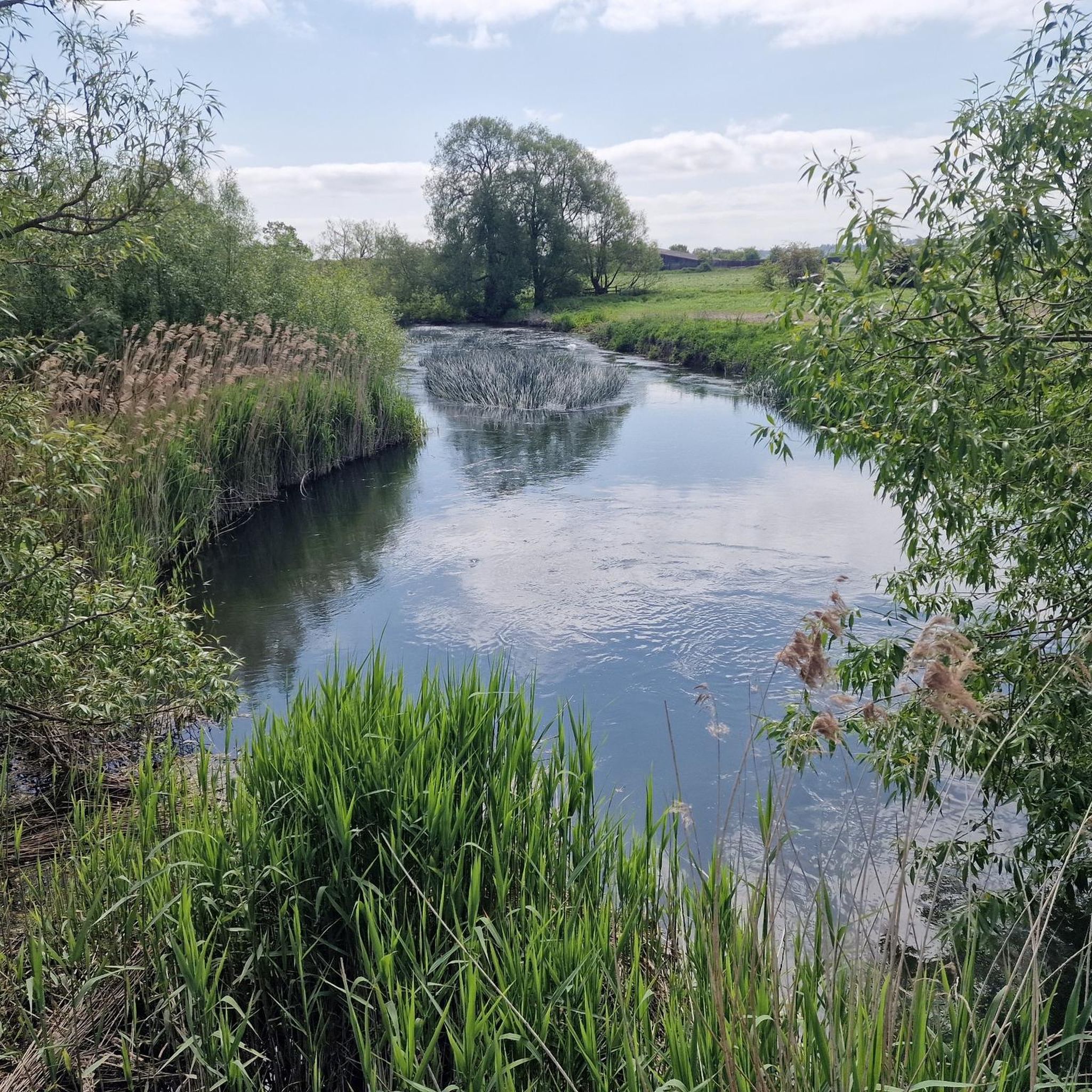
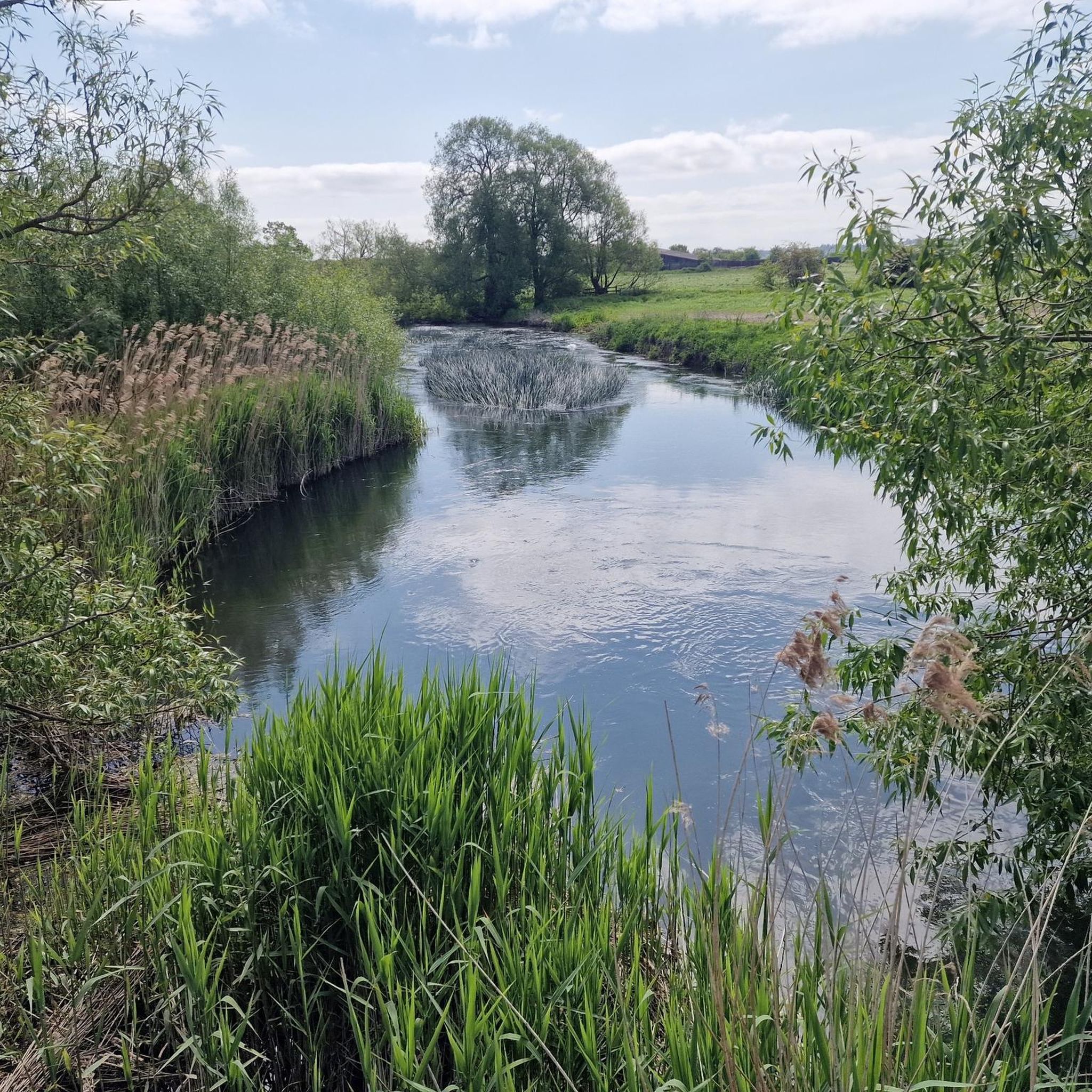
If You Have Never Seen the Source of River Thames, Probably worth a look.
0
0

A commemorative carving to celebrate King Charles III's coronation. Professional tree carver Andy O'Neill, of Bristol-based Wild Wood Carving, began work on the cedar in August and used a range of chainsaws to sculpt intricate designs into the tree. The wildlife-themed totem encompasses a variety of animals including butterflies, bees, owls, dormice, lady birds, a Roman snail and a Goshawk. On top is a bucks head to represent the park’s history.
0
0
This yew hedge planted in 1720 is 13.1m (43ft) high and surrounds the house belonging to Earl Bathurst.
1
0

park at the end of the hike. start of hike missed but is easy to find from top of railway road. We came back via road as access that isn't recorded has a very high turnstile and so not as accessible as the rest of the walk
2
1

well worth a visit , you really feel the atmosphere!
1
0

This huge earthwork is all that remains of one of the largest Roman amphitheatres in Britain. Built in the early 2nd century, the amphitheatre — which measures roughly 150 feet (46 m) by 135 feet (41 m) — would have held around 8,000 spectators. At the time the amphitheatre was built, Cirencester (known then as Corinium) was the second largest city in England, second only to London, with a population of more than 10,000. The monument, which is managed by English Heritage, is free to enter during reasonable daylight hours. For more information, visit: https://www.english-heritage.org.uk/visit/places/cirencester-amphitheatre.
1
0
Frequently Asked Questions
What are the most popular natural monuments around Leigh?
Visitors frequently enjoy the historical significance of Cirencester Amphitheatre, one of Britain's largest Roman amphitheatres. Another popular spot is The Tallest Yew Hedge in the World, a unique botanical feature. Many are also drawn to the Source of the River Thames, marking the beginning of England's longest river.
Are there family-friendly natural monuments in the Leigh area?
Yes, several natural monuments are suitable for families. Cirencester Amphitheatre offers an engaging historical experience for all ages. The Tallest Yew Hedge in the World is a fascinating botanical sight that children often find impressive. Additionally, the Coronation Tree Carving in Cirencester Park features intricate wildlife designs that can spark children's interest.
What kind of historical features can I explore among the natural monuments?
The primary historical feature is the Cirencester Amphitheatre. This massive earthwork, built in the early 2nd century, was once one of the largest Roman amphitheatres in Britain, capable of holding around 8,000 spectators. It offers a tangible connection to the Roman past of the region.
What unique botanical features can be found?
A standout botanical feature is The Tallest Yew Hedge in the World. Planted in 1720, this impressive hedge stands at 13.1 meters (43 feet) high and surrounds the house belonging to Earl Bathurst, making it a remarkable example of horticultural artistry.
Where can I find the source of the River Thames?
The Source of the River Thames is located near Leigh. It marks the very beginning of England's longest river and is a notable natural feature for those interested in the origins of significant waterways.
Are there walking trails near these natural monuments?
Yes, the area around Leigh offers various walking opportunities. For easy hikes, you can explore routes like the 'Hiking loop from Ashton Keynes' or 'Lake 6 loop from Elmlea Meadows'. You can find more details and routes on the Easy hikes around Leigh guide.
What outdoor activities can I do near the natural monuments around Leigh?
Beyond exploring the monuments themselves, you can enjoy various outdoor activities. There are numerous cycling routes, such as the 'Cotswold Water Park loop' or 'The Gilbertine Kitchen – St Michael's Church, Winson loop'. Mountain biking enthusiasts can find trails like 'Carle's – Lakeside Singletrack loop'. For more options, check out the MTB Trails around Leigh and Cycling around Leigh guides.
What do visitors say about the Cirencester Amphitheatre?
Visitors highly recommend the Cirencester Amphitheatre, noting that it's 'well worth a visit' and that 'you really feel the atmosphere!' It's appreciated for its historical depth and the sense of connection to the past it provides.
Is there an admission fee for Cirencester Amphitheatre?
No, the Cirencester Amphitheatre, managed by English Heritage, is free to enter during reasonable daylight hours.
What is the Coronation Tree Carving in Cirencester Park?
The Coronation Tree Carving is a commemorative artwork in Cirencester Park, celebrating King Charles III's coronation. Professional tree carver Andy O'Neill sculpted intricate wildlife designs into a cedar tree, featuring animals like butterflies, bees, owls, and a bucks head representing the park’s history.
Are there any specific tips for visiting the Source of the River Thames?
While the start of the hike might be missed, it's generally easy to find from the top of railway road. Be aware that some access points, not recorded on maps, might have very high turnstiles, which could make them less accessible than other parts of the walk.
Can I find information about other nature reserves in the broader Leigh area?
Yes, depending on which 'Leigh' you are referring to, there are several notable nature reserves. For instance, in Leigh-on-Sea, Essex, you can find the Two Tree Island Nature Reserve, known for birdwatching and walking trails, and Belfairs Woods & Nature Reserve, an ancient woodland. In Greater Manchester, Pennington Flash Nature Reserve offers a large lake and birdwatching opportunities.
Most popular attractions around Leigh

Get inspired with the komoot mobile app


Explore more
Extend your search for the best caves by checking out these guides of the top ones around Leigh:
