Top 5 Natural Monuments around West Tytherley
Natural monuments around West Tytherley are situated within a rural landscape featuring extensive woodlands and ancient trees. The area's geology supports diverse habitats, including historic forests and nature reserves. These natural features contribute to the region's ecological value and offer opportunities for outdoor exploration. The surrounding countryside provides a setting for various natural landmarks and viewpoints.
Best natural monuments around West Tytherley
- The most popular natural monument is The New Forest, a natural monument known for its ancient and…
Last updated: July 1, 2026
The New Forest
Highlight • Historical Site
Tip by

Langley Nature Reserve
Highlight • Natural Monument
The …
Tip by

Sign up now to discover places like this
Get recommendations on the best single tracks, peaks, & plenty of other exciting outdoor places.
Sign up for free
Danebury Iron Age hill fort
Highlight • Historical Site
Tip by

Figsbury Ring
Highlight • Viewpoint
Tip by

White Hill, Pitton
Highlight (Segment) • Climb
Tip by

Sign up for free to discover even more natural monuments around West Tytherley.
Sign up for free
Already have an account?
Start today with a free account
Your next adventure awaits.
Login or Signup


Tips from the Community

Steep part ends just after the national speed limit signs, still very good road surface.
0
0

Strangely stumbled across this place as was driving to another location. So glad I turned off road and followed the sign to it.
0
0

Sorry I really don't like the Rodger Penny Way, as a local I try not to ride it anymore.. I'd go through Woodgreen, Lover, Passed Hampworth Golf Course, No Mans Land... much quieter roads... On the way back most of my routes go into Ringwood... and through the forest from there (I live near Lyndhurst)
0
0

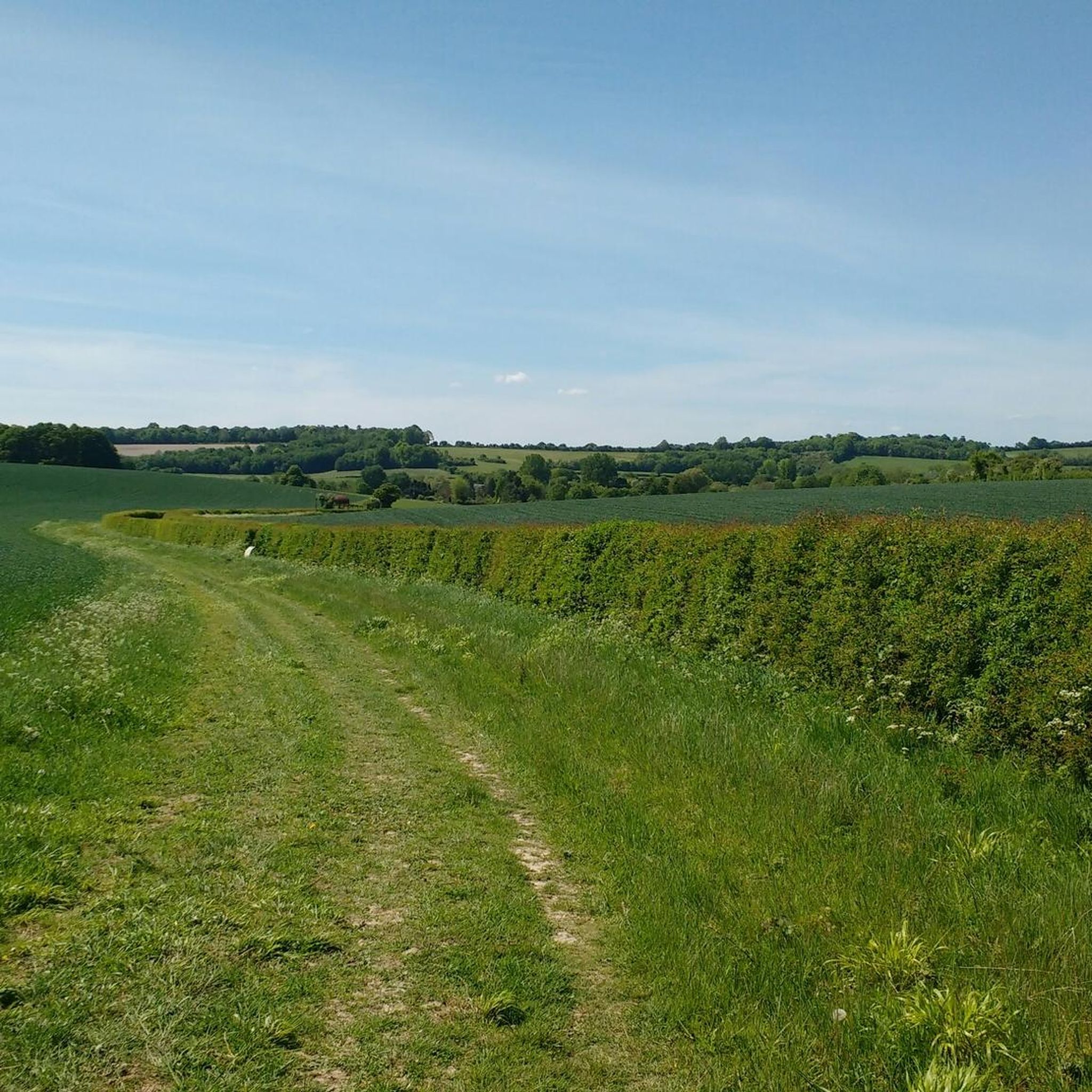
The nature reserve was part of a group of Royal Forests until the 16th century when, unlike the New Forest, they declined and reverted to farmland and landscaped parks. The reserve's ancient woodlands have a long history of management and would have provided local people with a valuable source of timber, wood fuel, forage for pigs (known as pannage) and grazing for livestock. Coppicing was particularly important, and as you walk through the reserve look for old banks and ditches that mark the boundary of coppice enclosures. Coppicing is the method of cutting trees such as hazel or oak to ground level on a regular cycle. This produces fast-growing shoots for fodder, firewood and making charcoal.
1
0
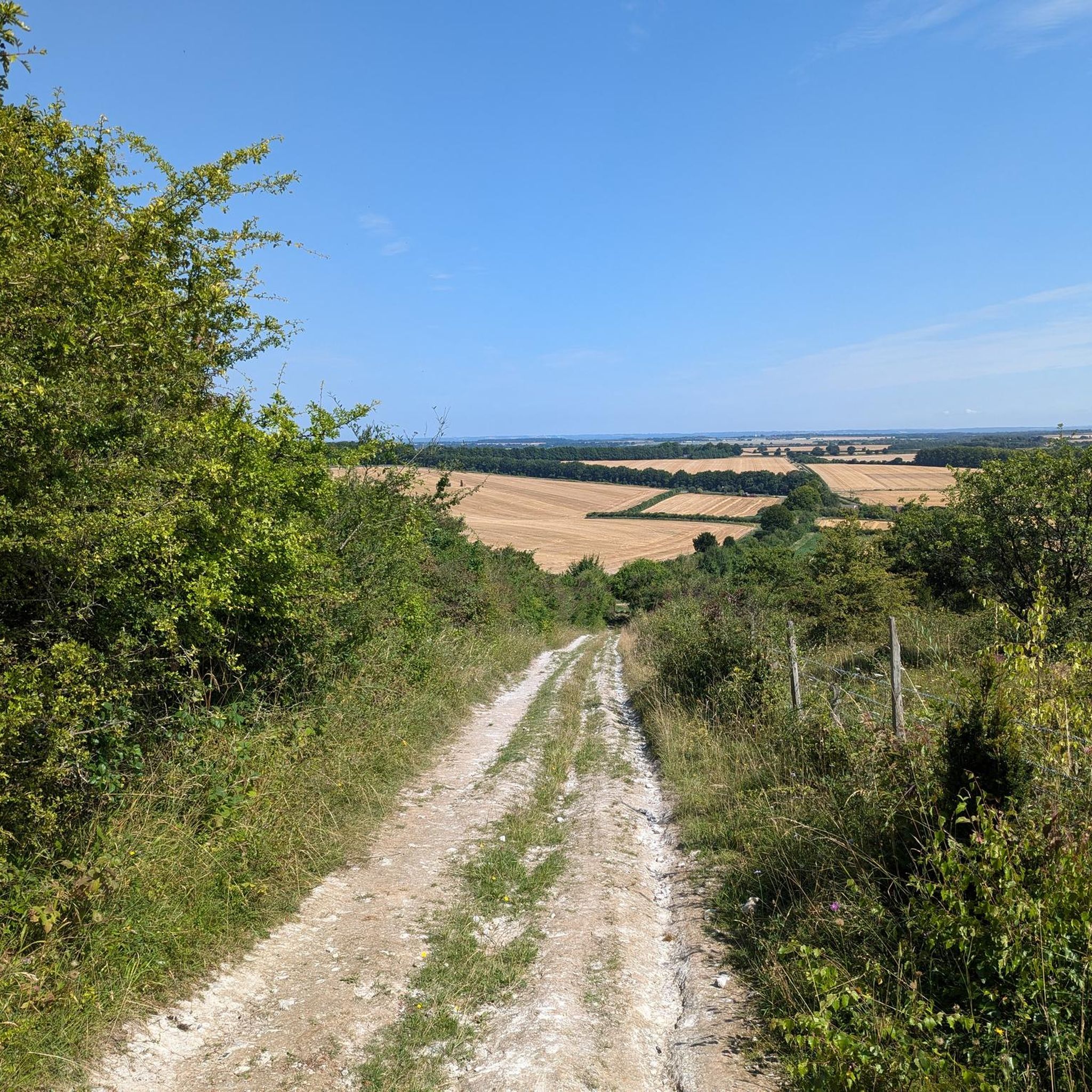
Nice little hill, road surface pretty smooth which makes gradient seem less severe. Steep bit doesn't last long.
1
0

This place is steeped in history. Built 2500 years ago and occupied for nearly 500 years. With the ramparts still very visible. Some lovely views form the top.
0
0

Since it's creation by William the Conqueror in 1079 the New Forest has been a protected area. It became a National Park in 2005. Watch out for the wild ponies and pigs which can be on the roads.
0
0

"[...] one of the largest remaining tracts of unenclosed pasture land, heathland and forest in Southern England, covering southwest Hampshire and southeast Wiltshire. It was proclaimed a royal forest by William the Conqueror, featuring in the Domesday Book. Pre-existing rights of common pasture are still recognised today, being enforced by official verderers and agisters. In the 18th century, the New Forest became a source of timber for the Royal Navy. It remains a habitat for many rare birds and mammals. It is a 28,924.5-hectare (71,474-acre) biological and geological Site of Special Scientific Interest. Several areas are Geological Conservation Review and Nature Conservation Review sites. It is a Special Area of Conservation, a Ramsar site and a Special Protection Area. Copythorne Common is managed by the Hampshire and Isle of Wight Wildlife Trust, Kingston Great Common is a national nature reserve and New Forest Northern Commons is managed by the National Trust." Cit. https://en.wikipedia.org/wiki/New_Forest
1
0
Frequently Asked Questions
What are some of the most popular natural monuments around West Tytherley?
The region offers several notable natural monuments. The New Forest is highly popular, known for its ancient and veteran trees and vast expanses of heathland. Another significant site is Danebury Iron Age hill fort, which combines historical interest with panoramic views. Visitors also appreciate Langley Nature Reserve, an ancient woodland with a rich management history.
Are there family-friendly natural monuments around West Tytherley?
Yes, several natural monuments are suitable for families. The New Forest is excellent for family outings, offering opportunities to see wild ponies and explore woodlands. Langley Nature Reserve, with its ancient woodlands, also provides a great setting for nature exploration. Additionally, West Walk in the Forest of Bere features well-maintained trails, play areas, and picnic spots, making it ideal for families.
What historical natural monuments can I explore near West Tytherley?
The area is rich in historical natural monuments. Danebury Iron Age hill fort, built 2500 years ago, offers visible ramparts and a deep sense of history. Another significant historical site is Figsbury Ring, an Iron Age hill fort that may also contain a smaller Neolithic enclosure. The New Forest itself has a long history, proclaimed a royal forest by William the Conqueror.
What kind of natural features and wildlife can I expect to see?
The region around West Tytherley is characterized by extensive woodlands, ancient trees, and diverse habitats. In The New Forest, you can observe iconic New Forest ponies, deer, and a wide variety of bird species, alongside ancient and veteran trees. West Walk in the Forest of Bere is home to 19th-century oak trees supporting rare lichens, bats, and nesting woodland birds. Locally, within West Tytherley, you can find ancient yew trees in Yew Tree Lane, some with girths of 4-5 meters.
Are there hiking trails near the natural monuments?
Yes, there are numerous hiking opportunities. For easy walks, you can explore trails like the Bentley Woods loop. Moderate options include the Broughton Chalk Climb loop. You can find more details and routes in the Easy hikes around West Tytherley guide on komoot.
What outdoor activities can I do near these natural monuments?
Beyond hiking, the area offers a range of outdoor activities. You can enjoy running on trails such as the Extremely Rough Road loop, detailed in the Running Trails around West Tytherley guide. Road cycling is also popular, with routes like the Wilverley Plain loop available in the Road Cycling Routes around West Tytherley guide.
Where can I find the best viewpoints among the natural monuments?
For impressive vistas, Danebury Iron Age hill fort offers excellent views from its elevated position. Figsbury Ring also provides fine views over Salisbury Plain, Old Sarum, and Salisbury Cathedral. Another spot for panoramic views is Manor Farm Trig Point, where on a clear day, you can even see the Exxon Mobil refinery at Fawley.
What is the best time of year to visit the natural monuments around West Tytherley?
The natural monuments are enjoyable year-round, but each season offers a different experience. Spring brings blooming wildflowers and fresh greenery, while autumn showcases vibrant foliage, especially in the ancient woodlands. Summer is ideal for longer walks and picnics. Winter offers crisp air and unique views, though some paths might be muddy. Always check local weather conditions before your visit.
Are the natural monuments around West Tytherley dog-friendly?
Many natural areas, including parts of The New Forest and local woodlands, are dog-friendly. However, it's essential to keep dogs under control, especially around livestock and wildlife, and to follow any specific signage or regulations in nature reserves like Langley Nature Reserve. Always pick up after your dog.
Are there any lesser-known natural features worth exploring in the area?
Beyond the major highlights, West Tytherley itself is home to ancient yew trees located in Yew Tree Lane, which are significant local natural monuments due to their age and size. Additionally, West Walk, part of the ancient Forest of Bere, offers a chance to experience a historic woodland environment with diverse flora and fauna, and accessible trails. You can find more information about West Walk's trails on the South Downs National Park website.
Is parking available at the natural monuments?
Parking availability varies by location. Larger sites like The New Forest have numerous car parks. For specific natural monuments, it's advisable to check local information or maps for designated parking areas. Many trailheads for walks in the region will have small parking facilities or roadside parking options.
How can I reach the natural monuments by public transport?
Public transport options to reach the more rural natural monuments around West Tytherley can be limited. While some larger towns near The New Forest are accessible by bus or train, reaching specific trailheads or smaller sites often requires a car. It's recommended to research local bus services for routes connecting to villages near your desired destination.
Are there accessible natural monuments around West Tytherley?
While specific accessibility details vary, West Walk in the Forest of Bere is known for its well-maintained walking and cycling trails, which are generally more accessible. For other sites, it's best to check individual monument information for details on path surfaces and gradients. The New Forest offers some accessible routes, particularly around visitor centers.
Most popular routes around West Tytherley
Most popular attractions around West Tytherley

Get inspired with the komoot mobile app


Explore more
Extend your search for the best caves by checking out these guides of the top ones around West Tytherley:
