Top 9 Natural Monuments around Tidworth
Best natural monuments around Tidworth are found within a landscape rich in ancient history and natural beauty. This region in Wiltshire, England, features a unique blend of natural formations and archaeological sites. The area is characterized by rolling chalk downlands, prehistoric monuments, and significant historical remnants. These sites provide insight into past civilizations and the enduring natural features of the landscape.
Best natural monuments around Tidworth
- The most popular natural monuments is Woodhenge, a man-made monument that is a…
Last updated: July 1, 2026
Woodhenge
Highlight • Monument
Tip by

Cuckoo Stone
Highlight • Monument
Tip by

Sign up now to discover places like this
Get recommendations on the best single tracks, peaks, & plenty of other exciting outdoor places.
Sign up for free
Durrington Walls
Highlight • Natural Monument
Tip by
King Barrow Ridge Bronze Age Burial Mounds
Highlight • Viewpoint
Tip by
New King Barrows
Highlight • Viewpoint
Tip by

Sign up for free to discover even more natural monuments around Tidworth.
Sign up for free
Already have an account?
Start today with a free account
Your next adventure awaits.
Login or Signup


Tips from the Community


Can someone please be happy/laughing with me that Google Translate turns Amy's "henge and timber monument" into "Denkmal für Hühner 🐔" in German? - Great 😂😂😂
0
0

Location signage, that is, how to locate the cuckoo stone, is non-existent! Once you pass through the gate next to Woodhenge you’ll see the National Trust sign. The stone lies way off to your right at about 3 o’clock direction from the sign. If the grass is long it won’t be visible!
2
0


Like the larger megaliths that make up the outer ring of Stonehenge, the Cuckoo Stone is a sarsen stone and was once a standing stone. It has since fallen but is still a familiar landmark and is part of the wider Stonehenge Landscape. It's believed that the Cuckoo Stone was the ceremonial centrepiece for several burials around 2000 BC.
3
0
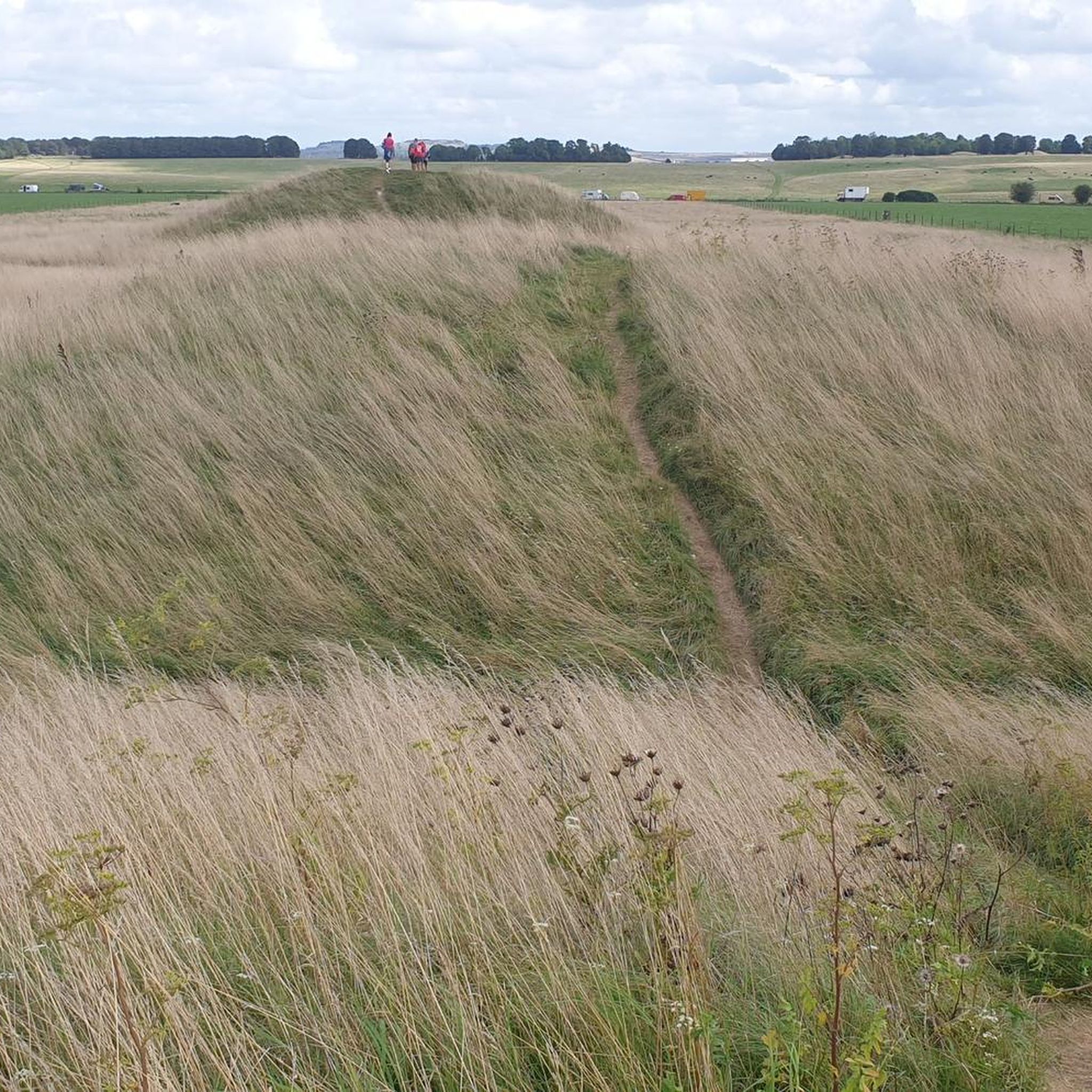
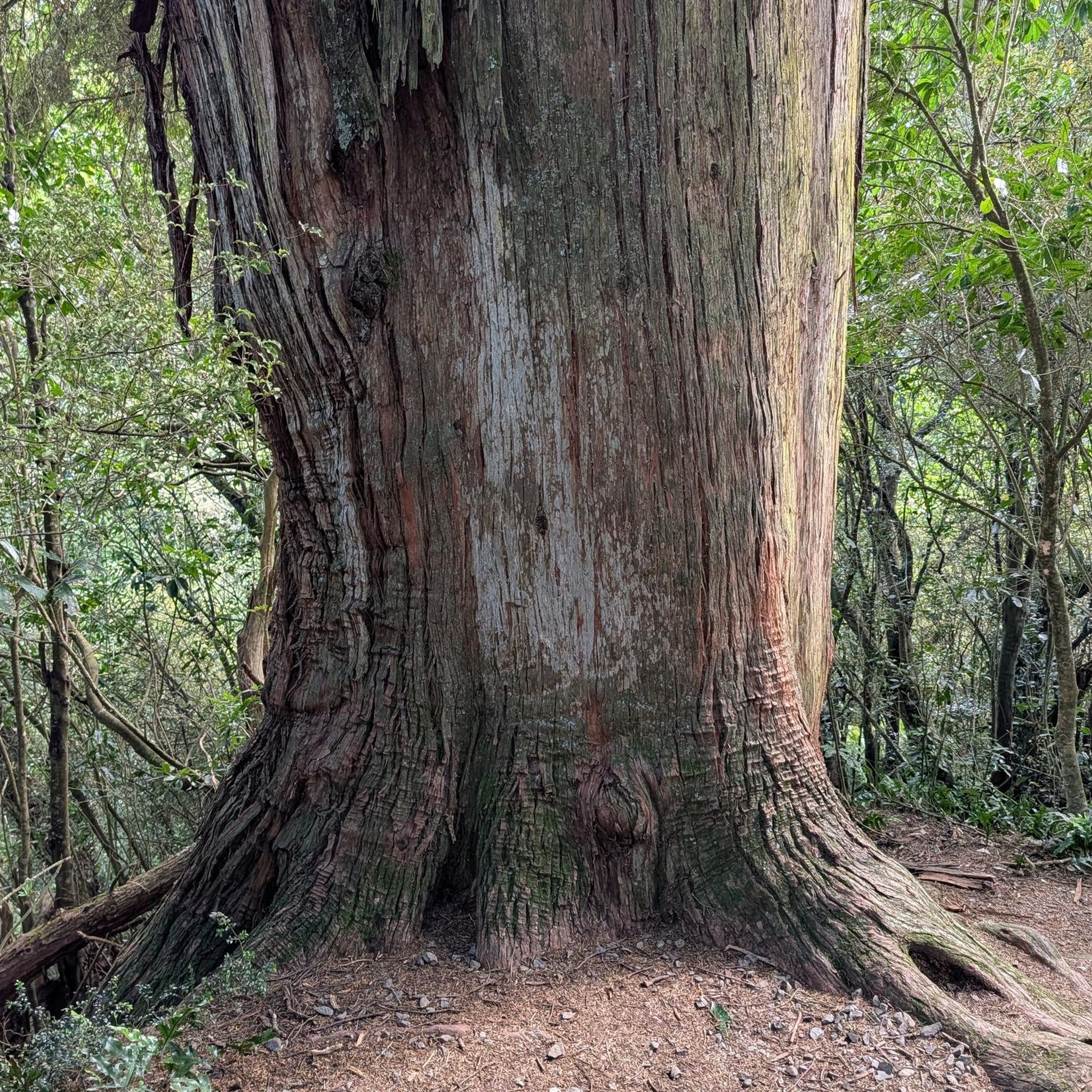
This stretch of downland is particularly notable for its tumuli (ancient burial mounds) at Old King Barrows and New King Barrows. It's just a short walk from the town of Amesbury and the famous Stonehenge. There are around a dozen beautiful yew trees to see here, as well as oak, ash, hazel and larch.
1
0
Frequently Asked Questions
What historical natural monuments can I explore near Tidworth?
The area around Tidworth is rich in historical natural monuments. You can visit Woodhenge, a Neolithic timber circle monument, and Durrington Walls, a massive Neolithic henge believed to have been a large settlement. The Cuckoo Stone, a fallen sarsen stone, is also part of the wider Stonehenge Landscape. Additionally, explore the ancient burial mounds at King Barrow Ridge Bronze Age Burial Mounds and New King Barrows. Further afield, Sidbury Hill features an Iron Age hillfort built on an earlier Neolithic site.
Are there family-friendly natural monuments to visit around Tidworth?
Yes, several natural monuments around Tidworth are suitable for families. Woodhenge offers an engaging experience with its concrete markers showing where ancient timber posts once stood, and it's free to visit. The Cuckoo Stone is also easily accessible for a short, interesting walk. Exploring the vastness of Salisbury Plain provides open spaces for children to enjoy, though some areas may have restrictions due to military use.
What kind of natural features can I expect to see in the Tidworth area?
The Tidworth area is characterized by its extensive chalk downlands, particularly Salisbury Plain, which is the largest remaining area of calcareous grassland in northwest Europe. You'll find rolling hills, scattered copses of beech and coniferous woodland, and large arable fields. The landscape also features numerous prehistoric earthworks like long barrows, ditches, and tumuli, blending natural beauty with ancient human activity.
What outdoor activities can I do near these natural monuments?
The natural monuments around Tidworth are excellent starting points for various outdoor activities. You can enjoy hiking and running across the expansive Salisbury Plain. For specific routes, check out guides like Easy hikes around Tidworth or Hiking around Tidworth. There are also dedicated Running Trails around Tidworth, offering routes of varying difficulty.
Can I find circular walks around the natural monuments?
Yes, there are opportunities for circular walks. For instance, the National Trust manages a 4-mile (6.4 km) circular walk to discover Durrington Walls. Many routes on Salisbury Plain also offer circular options, allowing you to explore the landscape and its historical sites. Komoot's hiking guides for the area often feature circular routes, such as the 'Ludgershall Castle Ruins – Ludgershall Castle loop from Ludgershall' found in the Easy hikes around Tidworth guide.
What is the best time of year to visit the natural monuments near Tidworth?
The best time to visit is generally during the spring, summer, and early autumn months (April to October) when the weather is milder and the days are longer. This allows for comfortable exploration of the open chalk downlands and archaeological sites. Spring brings wildflowers, while autumn offers pleasant walking temperatures. Winter can be cold and wet, but also offers a stark, quiet beauty.
Are there any viewpoints to appreciate the landscape around Tidworth's natural monuments?
Absolutely. King Barrow Ridge Bronze Age Burial Mounds and New King Barrows are both historical viewpoints offering expansive views of the surrounding downland, including glimpses of Stonehenge. Salisbury Plain itself provides numerous elevated spots to take in the vast, rolling landscape.
What should I wear when visiting these sites?
Given the open and often exposed nature of the chalk downlands, it's advisable to wear layers, even on sunny days, as winds can be strong. Sturdy walking boots are recommended for uneven terrain. Sun protection (hat, sunglasses, sunscreen) is essential, especially as shade is limited. In cooler or wetter months, waterproof outerwear is highly recommended.
Is there parking available at the natural monuments?
Parking is generally available near the main sites. For example, you can often find parking alongside Woodhenge, which also serves as a convenient base for visiting the Durrington Walls and Cuckoo Stone. Specific parking details can often be found on the respective monument's official websites or visitor information.
Can I bring my dog to the natural monuments?
Many of the natural monuments and surrounding areas, particularly the open spaces of Salisbury Plain, are dog-friendly. However, it's crucial to keep dogs on a lead, especially near livestock, ground-nesting birds, and military training areas. Always check specific site regulations before your visit. For example, the National Trust often welcomes dogs on their managed trails.
What wildlife can I spot around the natural monuments?
Salisbury Plain, in particular, is a haven for wildlife due to its unique grassland habitats. You might spot rare and scarce plants, various invertebrates like the Marsh Fritillary butterfly, and birds such as the Stone Curlew and the reintroduced Great Bustard. The open landscape also supports various mammals, making it a great area for nature observation.
How long should I allocate to visit the natural monuments?
The time needed varies depending on the site. You could spend an hour or two exploring Woodhenge, Cuckoo Stone, and Durrington Walls. For a more extensive experience, a half-day or full-day could be dedicated to hiking across Salisbury Plain, incorporating several historical sites and enjoying the natural environment.
Most popular routes around Tidworth
Most popular attractions around Tidworth

Get inspired with the komoot mobile app


Explore more
Extend your search for the best caves by checking out these guides of the top ones around Tidworth:
