Top 12 Natural Monuments around Everleigh
Best natural monuments around Everleigh include a diverse range of historical and geological features. The region, situated in Wiltshire, offers a landscape characterized by rolling hills and ancient sites. These natural monuments provide insights into both the natural history and human activity of the area over millennia. The landscape is suitable for exploration, with several points of interest highlighting its unique character.
Best natural monuments around Everleigh
- The most popular natural monuments is Giant's Grave Hillfort, a viewpoint that…
Last updated: August 24, 2026
Giant's Grave Hillfort
Highlight • Viewpoint
Tip by

Pewsey White Horse
Highlight • Monument
Tip by

Sign up now to discover places like this
Get recommendations on the best single tracks, peaks, & plenty of other exciting outdoor places.
Sign up for free
Durrington Walls
Highlight • Natural Monument
Tip by
The Bulford Kiwi Chalk Figure
Highlight • Viewpoint
Tip by
Ailesbury Column
Highlight • Historical Site
Tip by
Sign up for free to discover even more natural monuments around Everleigh.
Sign up for free
Already have an account?
Start today with a free account
Your next adventure awaits.
Login or Signup


Other adventures around Everleigh

Tips from the Community


The Bulford Kiwi is a large depiction of a kiwi, carved in the chalk on Beacon Hill above the military town of Bulford on Salisbury Plain in Wiltshire, England. It was created in 1919 by soldiers of the New Zealand Expeditionary Force who were awaiting repatriation following the end of the First World War. It is one of the few hill figures in Wiltshire to be neither a white horse nor a military badge.
0
0

The view from the top is worth the long uphill trek. You can spot the various villages of the area from above and see some of the grand old houses that once owned the land
0
0

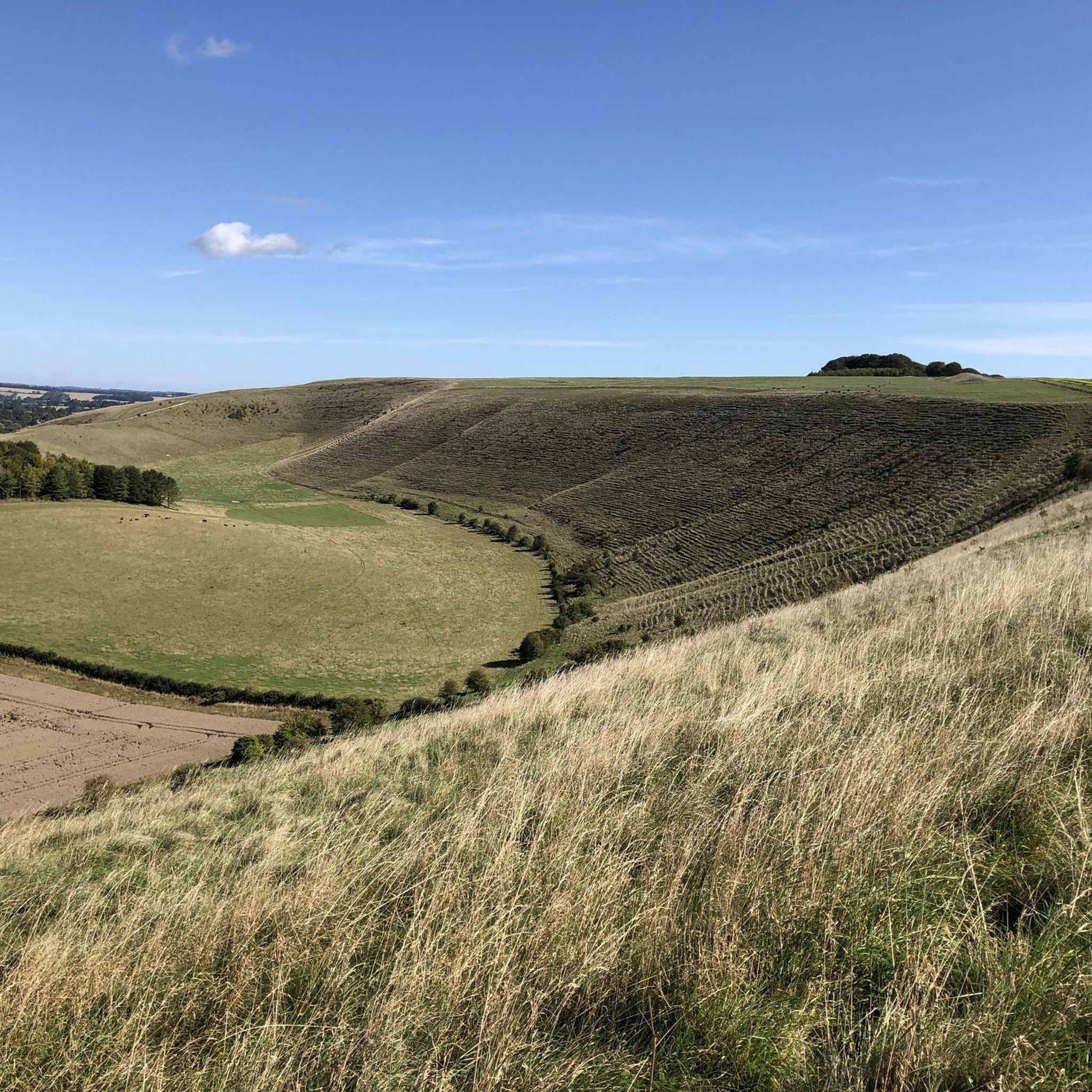
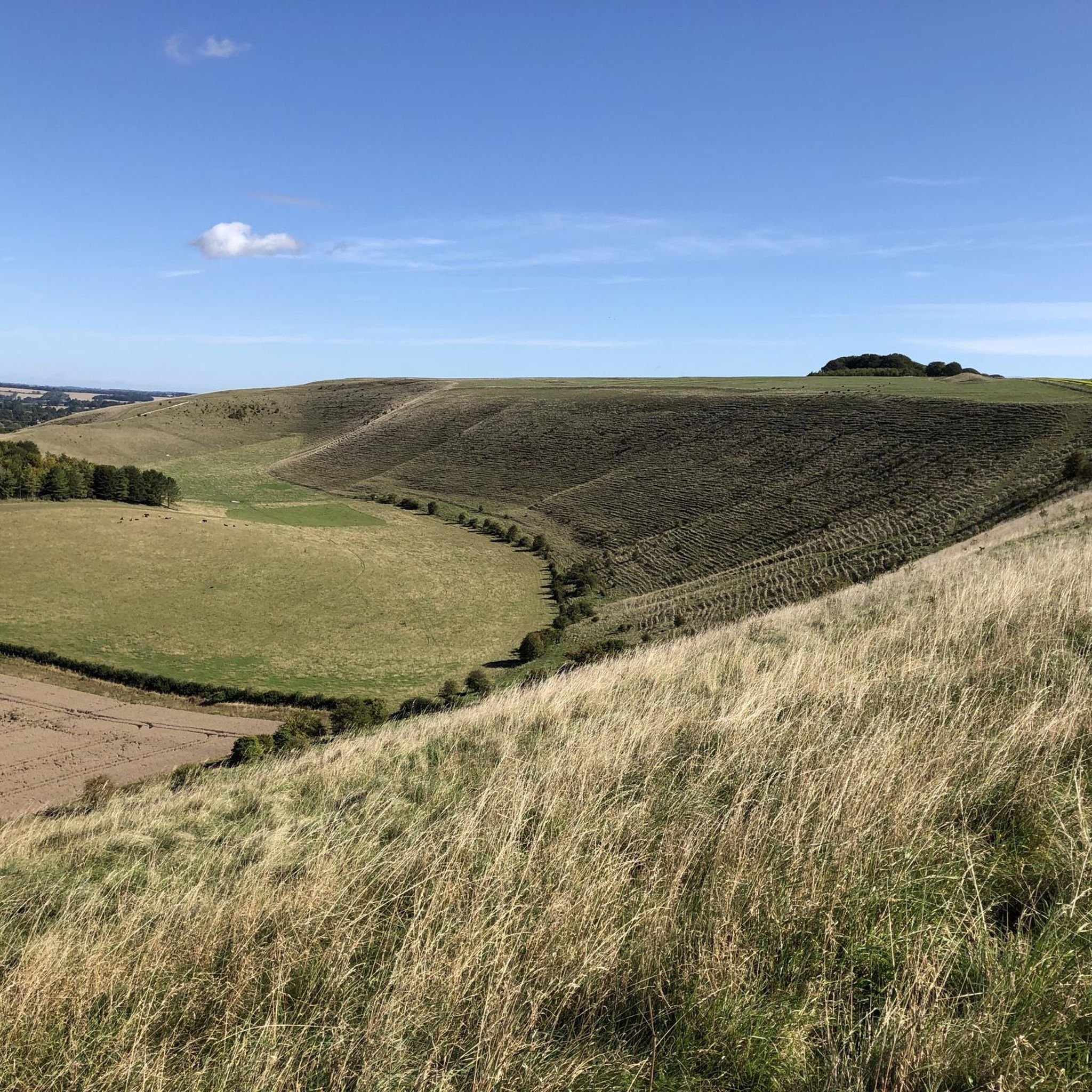
Giant's Grave is a hillfort with an enviable view. It sits on a natural promontory, stretching south west towards the village of Oare, into the Vale of Pewsey. On the summit you'll find a trig point at 820 feet (250 m) and wonderful views to the south, west and north. The White Horse Trail long-distance footpath ascends the summit on it's giant loop linking the south's chalk horse carvings.
0
0
This charming and little-known chalk hill carving was crafted by New Zealand soldiers in 1919, whilst waiting for transport to take them home after the First World War. For months they were trapped in Bulford Camp, which lies just below the kiwi's hill, as transport ships were unavailable. To alleviate the increasing unrest in the camp, the men's commanding officers set them about carving a giant kiwi into the chalk hillside, leaving their mark. The kiwi covers 1.5 acres (6,100 m sq) and is hard to see, as the military camp takes up much of the land below the hill. There is a good viewing point from the Bulford Droveway whilst you'll find an information board here, at the top of the kiwi's head.
0
0

Erected in 1781, the Ailesbury Column is a defining feature of Savernake Forest. The column was built by Thomas Bruce Earl to thank his uncle for leaving him his estates. The singular column is made from limestone, with a bronze urn at its top.
1
0
A Neolithic settlement dating back to around 2800 - 2100 BC, Durrington Walls is an interesting part of the Stonehenge World Heritage Site. Excavation works by the University of Sheffield found that a settlement of around 1,000 houses would once have existed on the site. Although small by today's standard, it would have been the largest village in northern Europe for a short while. Managed by National Trust, there is a great 4 mile (6.4 km) circular walk to discover Durrington Walls. You can park your bike in Woodhenge car park. More information: https://www.nationaltrust.org.uk/stonehenge-landscape/trails/durrington-walls-stonehenge-landscape-walk
0
0
A giant horse cut into the chalk hillside, the Pewsey White Horse is visible from the Severn and Thames Cycleway. Although one of the smallest of the eight white horses in Wiltshire. The horse was originally cut by or for Robert Pile from Alton Barnes, in the 19th century, before being recut in 1937.
1
0
Frequently Asked Questions
What are some notable natural monuments to visit around Everleigh?
Everleigh is home to several significant natural monuments. You can explore the ancient Giant's Grave Hillfort, which offers extensive views from its summit. Don't miss the impressive Big Belly Oak, an ancient tree estimated to be around 1,100 years old, located in Savernake Forest. Another key site is Durrington Walls, a Neolithic settlement that is part of the Stonehenge World Heritage Site.
Are there family-friendly natural monuments around Everleigh?
Yes, the Big Belly Oak in Savernake Forest is considered family-friendly, offering a chance to appreciate its impressive age and size. Additionally, the circular walk around Durrington Walls can be an engaging activity for families interested in history and walking.
What kind of historical natural monuments can I find in the Everleigh area?
The region is rich in historical natural monuments. Giant's Grave Hillfort is an ancient defensive site with a long history. Durrington Walls is a significant Neolithic settlement, revealing insights into prehistoric life. You can also visit the Ailesbury Column, an 18th-century monument within Savernake Forest, and the mysterious Devil’s Waistcoat (Kenward Stone), which has its own history and folklore.
What are the best viewpoints among the natural monuments?
For breathtaking views, head to Giant's Grave Hillfort. From its summit at 250 meters, you'll get extensive panoramas to the south, west, and north, overlooking the Vale of Pewsey. The views from Chute Causeway, near the Devil’s Waistcoat (Kenward Stone), are also superb.
Are there hiking trails near the natural monuments around Everleigh?
Yes, there are several hiking opportunities. For example, a 4-mile (6.4 km) circular walk allows you to discover Durrington Walls. The White Horse Trail long-distance footpath also ascends the summit of Giant's Grave Hillfort. You can find more options for easy hikes around Everleigh, including routes like the Pewsey & Jones' Mill loop.
What other outdoor activities can I do near these natural monuments?
Beyond hiking, the Everleigh area offers various outdoor activities. You can explore running trails, such as the Sidbury Hill Plantation loop. Cycling is also popular, with options like the Pewsey White Horse – Marden Henge loop, which can take you past some of the region's natural beauty.
What do visitors enjoy most about the natural monuments in Everleigh?
Visitors particularly appreciate the stunning views from places like Giant's Grave Hillfort, noting that the long uphill trek is well worth it. The historical significance of sites like Durrington Walls and the sheer age and size of the Big Belly Oak are also frequently highlighted as memorable experiences.
Are there any ancient trees or forests to visit?
Absolutely. The Big Belly Oak is a must-see, estimated to be around 1,100 years old and known as the great grandfather of the historic Savernake oaks. A wander through Savernake Forest itself is highly recommended to fully appreciate its ancient woodland character.
How long does it typically take to visit some of the natural monuments?
The time required varies by monument. For instance, exploring Durrington Walls can involve a 4-mile circular walk. Visiting the Big Belly Oak might be part of a longer stroll through Savernake Forest. A visit to Giant's Grave Hillfort involves an uphill trek, and the duration depends on your pace and how long you spend enjoying the views.
Can I find circular walks around the natural monuments?
Yes, there are options for circular walks. For example, the National Trust manages a 4-mile (6.4 km) circular walk to discover Durrington Walls. Many of the hiking routes in the area, such as those listed in the easy hikes around Everleigh guide, are also circular.
What is the best time of year to visit the natural monuments in Everleigh?
The natural monuments around Everleigh, being primarily outdoor sites, are generally accessible year-round. Spring and autumn offer pleasant temperatures and beautiful scenery, with spring bringing new growth and autumn showcasing vibrant foliage. Summer is ideal for longer days and warmer weather, while winter can offer crisp, clear views, though some paths might be muddy.
Are there any lesser-known or 'hidden gems' among the natural monuments?
While the main highlights are well-regarded, the Devil’s Waistcoat (Kenward Stone) is a mysterious stone that might be considered a hidden gem. It's tucked away in a shallow depression, offering a unique piece of local history and folklore, with superb views from the nearby Chute Causeway.
Most popular attractions around Everleigh

Get inspired with the komoot mobile app


Explore more
Extend your search for the best caves by checking out these guides of the top ones around Everleigh:
