Top 5 Natural Monuments around Drumharriff
Best natural monuments around Drumharriff include a mix of forest trails and significant geological features in the broader region. Drumharriff Forest Stroll offers a tranquil, family-friendly walk on a former railway line, providing a direct natural feature within the locality. The surrounding area features extinct volcanoes, ancient burial sites, and unique geological formations. These sites showcase the diverse natural and historical landscape of the region.
Best natural monuments around Drumharriff
- The most popular natural monuments is Slieve Gullion Summit, a volcano that features the highest Passage Tomb in the British Isles at 573 meters. The view from this extinct volcano is extensive.
- Another must-see spot is North Cairn of Slieve Gullion and Calliagh Beara's Lough, a summit with a smaller cairn measuring about 18 meters in diameter. Next to it is Calliagh Beara's Lough, a quiet mountain lake.
- Visitors also love Calliagh Beara Lough, a lake located between the northern and southern burial cairns of Slieve Gullion. This is the highest lough in Northern Ireland.
- Drumharriff is known for volcanoes, ancient burial sites, and lakes. The area offers a variety of natural monuments to see and explore, from historical megalithic structures to high-altitude loughs.
- The natural monuments around Drumharriff are appreciated by the komoot community, with more than 45 upvotes and 20 photos shared by visitors.
Last updated: August 24, 2026
Slieve Gullion Summit
Highlight • Volcano
Translated by Google •
Tip by

North Cairn of Slieve Gullion and Calliagh Beara's Lough
Highlight • Summit
Translated by Google •
Tip by
Sign up now to discover places like this
Get recommendations on the best single tracks, peaks, & plenty of other exciting outdoor places.
Sign up for free
Calliagh Beara Lough
Highlight • Lake
Tip by

Ballykeel Dolmen
Highlight • Natural Monument
Tip by
Ballymacdermot Court Tomb
Highlight • Viewpoint
The site dates from between 4000 and 2500 BC and is located close to other neolithic monuments such as Ballykeel Dolmen and Clontigora Cairn.
- en.wikipedia.org/wiki/Ballymacdermott_Court_Tomb
- discovernorthernireland.com/things-to-do/ballymacdermot-court-tomb-p697471
Tip by

Start today with a free account
Your next adventure awaits.
Login or Signup

Tips from the Community

The Ballykeel Dolmen, also known as the "Witch's Chair", stands alone on the edge of a green river terrace and invites you to take a look back into the past. With its three supporting stones and the imposing capstone, over three metres long, the dolmen looks like a stone sculpture left behind by a long-forgotten culture. The simple but distinctive tripod shape is a testament to the archaic construction that attracted people to this place over 4000 years ago. Excavations around the dolmen have uncovered the remains of a stone mound and Neolithic pottery that tell of the rites and customs of this early community. When you stand among the stones, you feel the mystique of the place - a place that inspires the imagination then and now. Nearby you will find other megalithic structures such as the Portal Tomb of Aughadanove, which together reflect the rich archaeological heritage of the region.
1
0
The Ballymacdermot Court Tomb is a window into the past, waiting for you at the top of Ballymacdermot Mountain. As you look at the ancient stones, you can almost feel the thousands of years that have passed since they were built. These stone sentinels, erected between 4000 and 2500 BC, have seen countless sunrises over the valley and speak of a time when this place may have been sacred. The views from up here stretch far over the rolling hills of County Armagh and it's easy to imagine why Stone Age people chose this spot. Just three kilometres from Newry, the court tomb not only offers a glimpse into ancient history, but also a wonderful opportunity to enjoy the surrounding countryside. Other Neolithic sites nearby include the Ballykeel Dolmen and the Clontigora Cairn, which together paint a picture of the early cultures of this region. A visit here is more than just a hike – it is a journey back to the roots of human history.
1
0
As soon as you cross the gentle ridge of Slieve Gullion, the North Cairn stretches out before you - a slightly smaller hill than its southern neighbour, but no less impressive. The stones that gather here seem like silent sentinels, witnesses of the distant Bronze Age. Two ancient stone boxes were once found here during excavations, which lay hidden in the depths of history. The North Cairn, with its diameter of around 18 metres, invites you to pause for a moment and enjoy the peace. But it is not just the Cairn that is fascinating. Right next to it lies "Calliagh Beara's Lough", a quiet mountain lake that, according to legend, is the home of the witch Beara. On a clear day, the sky is reflected in the calm waters and you can almost feel the ancient magic of this place coming to life. The road here may be rocky, but the landscape rewards with sweeping views and a touch of mysticism that makes Slieve Gullion something special.
1
0

Ballymacdermot Court Tomb is a megalithic tomb on Ballymacdermot Mountain, two miles outside Newry. The site is a scheduled monument in State care. The site dates from between 4000 and 2500 BC and is located close to other neolithic monuments such as Ballykeel Dolmen and Clontigora Cairn. - https://en.wikipedia.org/wiki/Ballymacdermott_Court_Tomb - https://discovernorthernireland.com/things-to-do/ballymacdermot-court-tomb-p697471
1
0


To be able to see the Ballykeel dolmen, you'll need to take a small detour from Mill Road onto Ballykeel Road. Here, you can view the Ballykeel dolmen and cairn, which is dated between 4000 and 2500 BC
0
0
This lough, located between the northern and southern burial cairns of Slieve Gullion, is the highest in Northern Ireland.
0
0
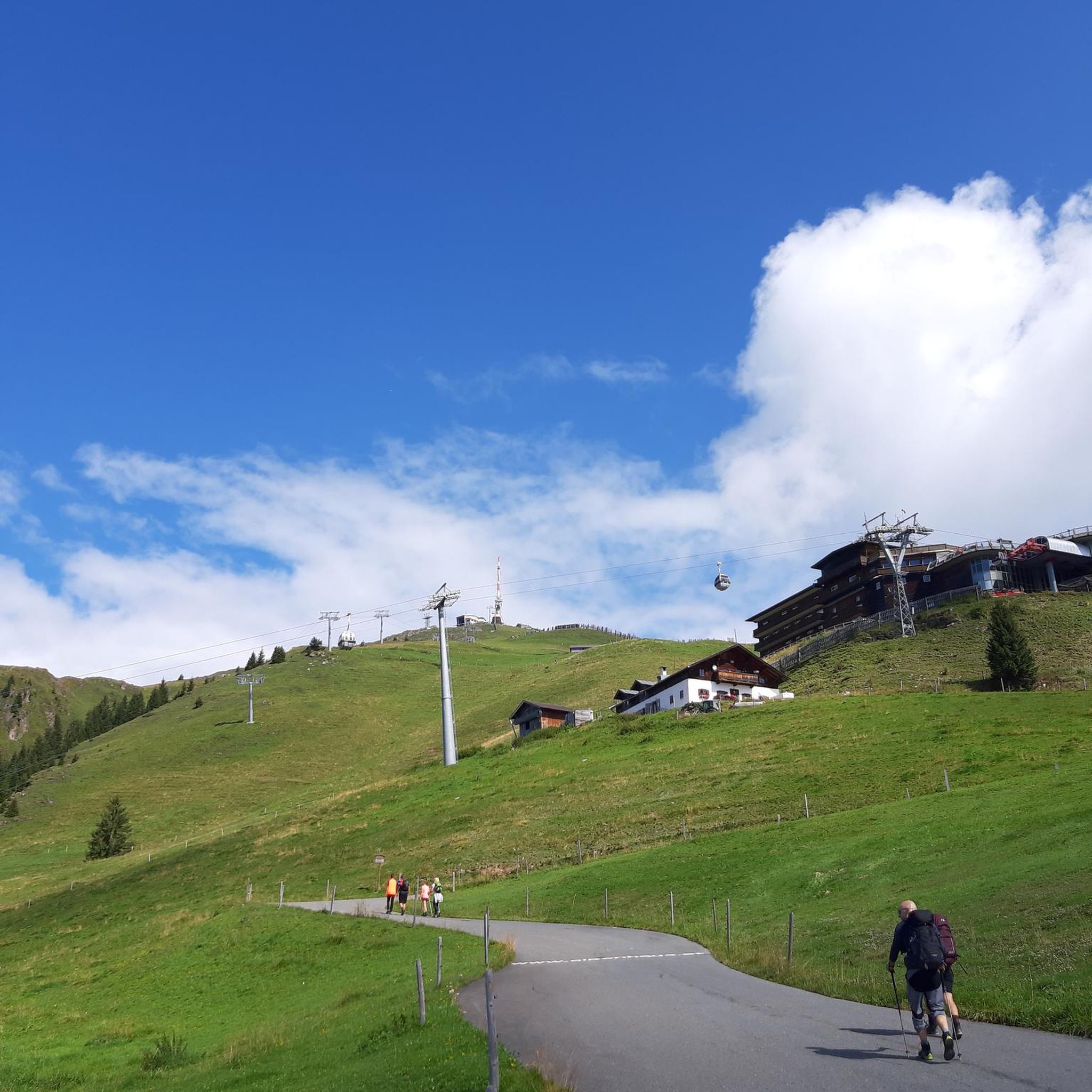
At the heart of the Ring of Gullion AONB, you'll find this beautiful mountain, which represents the highest point in the county with an elevation of 573 meters (1,880 ft). Right next to it there is a burial cairn.
1
0
Frequently Asked Questions
What kind of natural monuments can I explore around Drumharriff?
The Drumharriff area and its surroundings offer a diverse range of natural monuments. You can find ancient volcanic landscapes like Slieve Gullion Summit, which also hosts historical passage tombs. There are also serene mountain lakes such as Calliagh Beara Lough, and significant megalithic structures like Ballykeel Dolmen and Ballymacdermot Court Tomb.
Are there historical or archaeological sites among the natural monuments?
Yes, many natural monuments in the region are intertwined with history. Slieve Gullion Summit features the highest Passage Tomb in the British Isles. The North Cairn of Slieve Gullion also contains Bronze Age stone boxes. Additionally, the Ballykeel Dolmen and Ballymacdermot Court Tomb are ancient megalithic structures dating back thousands of years.
What is the Drumharriff Forest Stroll?
The Drumharriff Forest Stroll is a gentle looped walk located near Pettigo, following the route of an old Great Northern Railway line. It offers a tranquil setting within a conifer plantation and features a sculpture trail, making it a pleasant natural attraction directly within the Drumharriff locality.
Are there family-friendly natural monuments around Drumharriff?
The Drumharriff Forest Stroll is particularly suitable for families, offering an easy walk and an engaging sculpture trail. While some of the more challenging mountain hikes might be better for older children, historical sites like Ballykeel Dolmen are also considered family-friendly and offer an interesting glimpse into ancient history.
What outdoor activities can I do near these natural monuments?
The area around Drumharriff offers various outdoor activities. You can find numerous routes for jogging, hiking, and mountain biking. For example, there are easy hikes like the Bessbrook War Memorial loop, and more challenging routes around Slieve Gullion. You can explore more options on the easy hikes around Drumharriff guide, the running trails around Drumharriff guide, or the MTB trails around Drumharriff guide.
What is the best time of year to visit the natural monuments around Drumharriff?
The best time to visit generally depends on the activity. Spring and summer offer pleasant weather for walking and hiking, with longer daylight hours. Autumn brings beautiful foliage. While some trails are accessible year-round, winter visits might require more preparation due to potentially wet and colder conditions, especially at higher elevations like Slieve Gullion.
Are there any unique natural features besides the main monuments?
Beyond the prominent monuments, the region boasts unique features such as the tranquil Calliagh Beara Lough, which is the highest lough in Northern Ireland. The broader area also includes the scenic Camlough Lake and the dramatic landscapes of the Cuilcagh Boardwalk Trail, known for its secluded moors and barren rocky terrain.
Can I find parking at the natural monuments?
Parking availability varies by location. For instance, there is ample parking space at the Slieve Gullion Viewing Platform, which serves as a starting point for hikes to Slieve Gullion Summit. For other sites, it's advisable to check specific access information, as some may require small detours or have limited roadside parking.
Are the natural monuments and trails dog-friendly?
Many outdoor areas and trails in the region are dog-friendly, especially for walks like the Drumharriff Forest Stroll. However, it's always recommended to keep dogs on a leash, particularly in areas with livestock or protected wildlife, and to follow local signage and regulations at specific sites.
What do visitors enjoy most about the natural monuments in this area?
Visitors frequently appreciate the stunning panoramic views from elevated points like Slieve Gullion Summit. The historical significance of the ancient burial sites and megalithic structures also captivates many. The peaceful atmosphere of places like Calliagh Beara Lough and the engaging elements of the Drumharriff Forest Stroll are also highly rated.
Is there public transport available to reach these natural monuments?
While Drumharriff Forest Stroll is near Pettigo, public transport options directly to all natural monuments can be limited. It's often easier to access many of these sites by car. For specific locations, researching local bus routes or taxi services from nearby towns like Pettigo or Newry is recommended.
Are there any cafes or pubs near the natural monuments for refreshments?
While some natural monuments are in more remote settings, you can find cafes and pubs in nearby villages and towns. For example, if you are visiting Drumharriff Forest Stroll, the village of Pettigo would be the closest option for refreshments. Larger towns like Newry, which is near the Slieve Gullion sites, offer a wider selection of dining choices.
Most popular attractions around Drumharriff

Get inspired with the komoot mobile app


Explore more
Extend your search for the best caves by checking out these guides of the top ones around Drumharriff:
