Top 11 Natural Monuments around Spaxton
Best natural monuments around Spaxton are found within the Quantock Hills Area of Outstanding Natural Beauty (AONB) in Somerset, England. This region features rolling hills, expansive open heathland, and deep, wooded valleys known as combes. These natural features provide opportunities for hiking, enjoying panoramic views, and experiencing diverse ecosystems. The area offers a variety of natural monuments, from coastal features to elevated viewpoints.
Best natural monuments around Spaxton
- The most popular natural monuments is Beacon Hill Trig Point, a…
Last updated: August 10, 2026
Wills Neck Summit
Highlight • Natural Monument
Tip by

Beacon Hill Trig Point
Highlight • Viewpoint
Tip by

Sign up now to discover places like this
Get recommendations on the best single tracks, peaks, & plenty of other exciting outdoor places.
Sign up for free
Bicknoller Post
Highlight • Natural Monument
Tip by

Kilve Beach Fossil Beds
Highlight • Beach
Tip by

Quantock Common Climb: Over Stowey to Crowcombe
Highlight • Forest
Tip by

Sign up for free to discover even more natural monuments around Spaxton.
Sign up for free
Already have an account?
Start today with a free account
Your next adventure awaits.
Login or Signup
Tips from the Community

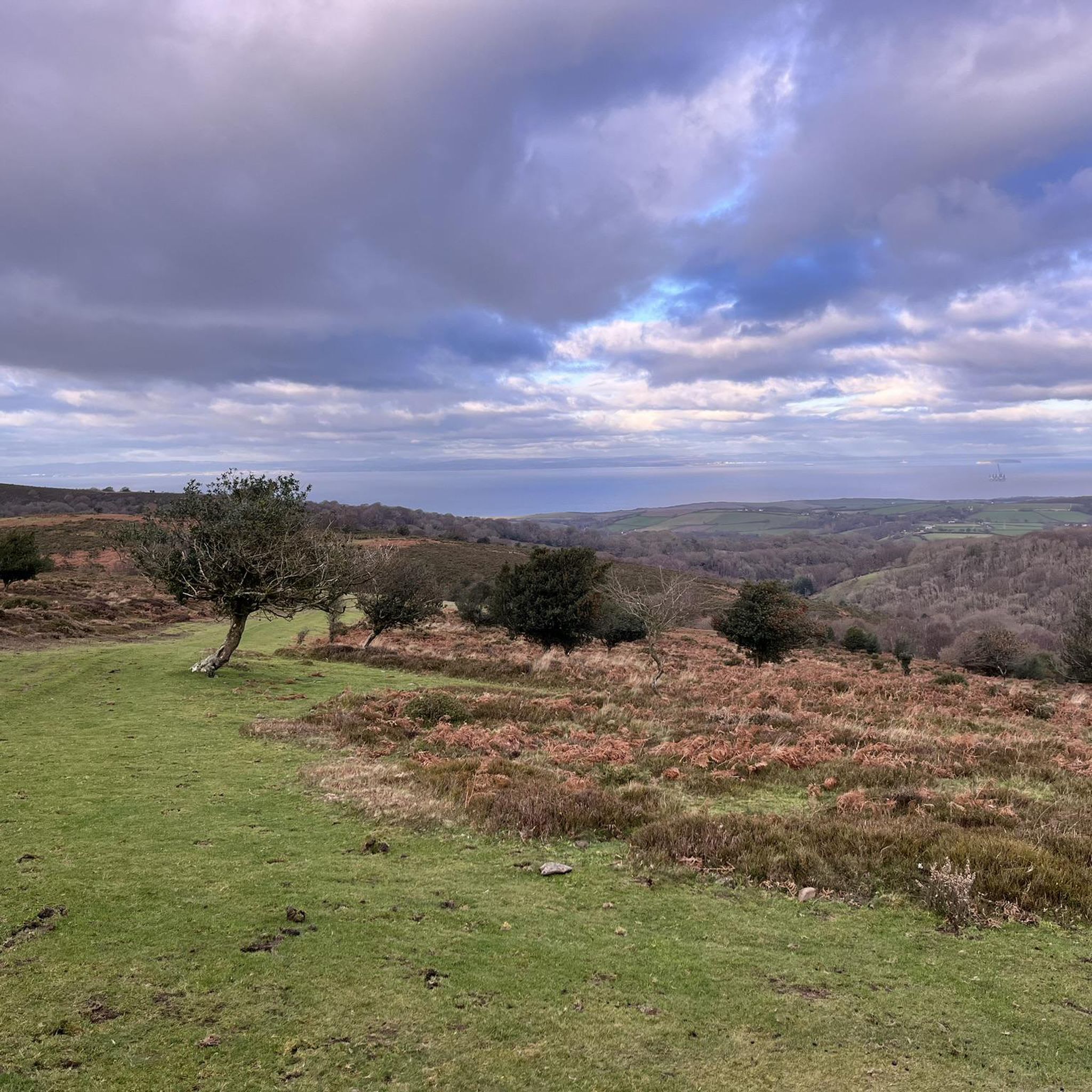
Wills neck is the highest summit in the Quantocks hills & one of the highest points in Somerset.
1
1
Dunkery Beacon at the summit of Dunkery Hill is the highest point on Exmoor and in Somerset, England. It is also the highest point in southern England outside of Dartmoor. The sandstone hill rises to 519 metres and provides views over the surrounding moorland, the Bristol Channel, and hills up to 86 miles away.
1
1
The beach of Kilve lies about halfway between Minehead and Bridgwater in the heart of the Quantocks. The shoreline is mostly rocky with plenty of rockpools to explore towards low tide. One of the best features of Kilve beach is the large grassy area behind the beach which is ideal for picnics.
1
0

Bicknoller Post offers the runner a perfect resting spot high up in the Quantocks where you can enjoy uninterrupted views across the Bristol Channel and toward South Wales.
1
0

The highest northerly point on the Quantock Hills, the trig point and summit of Beacon Hill is a great viewpoint and run target. It stands at 310m and looks down over Bridgewater Bay and the Kilve coast. The running along the trails on the Quantock ridge is brilliant and although sometimes wet underfoot it's always good. You can run a long loop out to Wills Neck or further or link Beacon Hill with a coastal loop past Kilve.
0
0
Kilve beach is made up of wave cut platforms of oil-bearing shale and lias which contains numerous fossils. If you take a walk on the exposed bedrock, you're very likely to see ammonites.
3
0

Not to be a misery because Ive rode up there myself but it's not a bridle path up to WN so best to not make it public
0
0
Frequently Asked Questions
What types of natural monuments can I explore around Spaxton?
The area around Spaxton, nestled within the Quantock Hills Area of Outstanding Natural Beauty (AONB), offers a diverse range of natural monuments. You can explore rolling hills, expansive open heathland, deep wooded valleys known as 'combes,' ancient woodlands, and significant hill summits like Beacon Hill Trig Point and Bicknoller Post. Additionally, coastal features such as the Kilve Beach Fossil Beds provide unique geological interest.
What do visitors enjoy most about the natural monuments around Spaxton?
Visitors particularly appreciate the breathtaking panoramic views from elevated points like Beacon Hill Trig Point, which offers vistas across the Bristol Channel to Wales. The opportunity to explore unique geological formations and find fossils at Kilve Beach Fossil Beds is also a major draw. Many enjoy the tranquil walks through ancient woodlands and the chance to spot local wildlife, including Highland cattle and sheep grazing on the moors.
Are there family-friendly natural monuments around Spaxton?
Yes, several natural monuments and areas are suitable for families. Fyne Court, managed by the National Trust, offers extensive grounds, a wild garden, and woodlands perfect for exploration. It also has a visitor centre and a cafe. The Kilve Beach Fossil Beds are also a fantastic family destination, where children can enjoy searching for ammonites and exploring rockpools at low tide.
What are the best natural monuments for panoramic views?
For unparalleled panoramic views, head to Beacon Hill Trig Point, the highest northerly point on the Quantock Hills, offering extensive views along the coastline and across to Wales. Bicknoller Post also provides incredible vistas over moorland, woodland, and the coastline. Wills Neck, the highest point in the Quantock Hills, is another prime location for expansive views of the surrounding landscape.
Can I find historical sites within or near the natural monuments?
Yes, the region blends natural beauty with historical interest. At Fyne Court, you can explore the remaining buildings of a former manor house, including a folly, and learn about the estate's history. Cothelstone Hill, near Buncombe Wood, features a Bronze Age barrow and the ruins of a folly. Hawkridge Common also hosts a historically significant, restored 1930s Lime Kiln, offering a glimpse into the area's industrial past.
What outdoor activities can I do near these natural monuments?
The natural monuments around Spaxton are ideal for various outdoor activities. You can enjoy extensive hiking, cycling, and running on numerous trails. For detailed routes, explore the guides for hiking around Spaxton, cycling around Spaxton, and running trails around Spaxton. The Drove Trail, for instance, is excellent for both hiking and cycling, offering phenomenal views.
Are the natural monuments around Spaxton dog-friendly?
Many areas within the Quantock Hills AONB are dog-friendly, offering ample space for walks. However, it's important to keep dogs under control, especially around grazing livestock like Highland cattle and sheep, which are common on the open heathland and trails such as The Drove Trail. Always check local signage for specific rules or restrictions in certain areas or during particular seasons.
When is the best time to visit the natural monuments around Spaxton?
The natural monuments around Spaxton can be enjoyed year-round, with each season offering a different experience. Spring brings blooming wildflowers, while summer provides long days for exploration. Autumn showcases vibrant foliage, and winter offers crisp, clear views, though conditions can be muddy after rain, particularly in wooded areas like Cothelstone Hill & Buncombe Wood. Always check the weather forecast before your visit.
Are there cafes or pubs near the natural monuments around Spaxton?
Yes, there are options for refreshments. Fyne Court, a National Trust property, has a cafe serving snacks, lunch, and cream teas. Additionally, the villages surrounding the Quantock Hills, such as Over Stowey and Crowcombe, often have local pubs and cafes where you can find refreshments after your explorations.
What are the parking options for natural monuments near Spaxton?
Parking is generally available at various points throughout the Quantock Hills AONB, often near popular trailheads and viewpoints. For example, there is a car park near Crowcombe Gate, which provides access to areas like Quantock Common Climb. For National Trust properties like Fyne Court, there is a charge for car parking if you are not a National Trust member.
Can I spot wildlife at the natural monuments around Spaxton?
Absolutely! The diverse ecosystems of the Quantock Hills AONB make it an excellent spot for wildlife watching. You can expect to see abundant wildlife, including Highland cattle and sheep grazing freely on the heathlands. The ancient woodlands and combes are home to various bird species, and if you're lucky, you might spot deer or other small mammals.
Are there any hidden natural gems around Spaxton?
While many natural monuments are well-known, exploring the numerous combes and less-trafficked trails can reveal hidden gems. Hawkridge Common, for example, offers a wonderful viewpoint and a restored Lime Kiln, providing a beautiful spot for enjoying nature away from the busiest areas. The varied terrain ensures there's always something new to discover off the main paths.
Most popular routes around Spaxton
Most popular attractions around Spaxton

Get inspired with the komoot mobile app


Explore more
Extend your search for the best caves by checking out these guides of the top ones around Spaxton:
