Top 5 Natural Monuments around Ballynoe
Natural monuments around Ballynoe offer a glimpse into the region's ancient past and diverse landscapes. The area is home to significant archaeological sites, including the Ballynoe Stone Circle, which dates back some 5,000 years. Visitors can explore prehistoric monuments and enjoy scenic views of the surrounding natural environment. Ballynoe provides a blend of historical significance and natural beauty for outdoor enthusiasts.
Best natural monuments around Ballynoe
- The most popular natural monuments is View of the Mourne Mountains and Dundrum,…
Last updated: June 30, 2026
Ballynoe Stone Circle
Highlight • Historical Site
Tip by

Seaforde Gardens and Tropical Butterfly House
Highlight • Historical Site
Tip by
Sign up now to discover places like this
Get recommendations on the best single tracks, peaks, & plenty of other exciting outdoor places.
Sign up for free
Annadorn Dolmen
Highlight • Historical Site
Tip by
View of the Mourne Mountains and Dundrum
Highlight • Natural Monument
Tip by

St Patrick's Well
Highlight • Historical Site
Saint Patrick founded Ardtole Church which …
Tip by
Start today with a free account
Your next adventure awaits.
Login or Signup
Tips from the Community

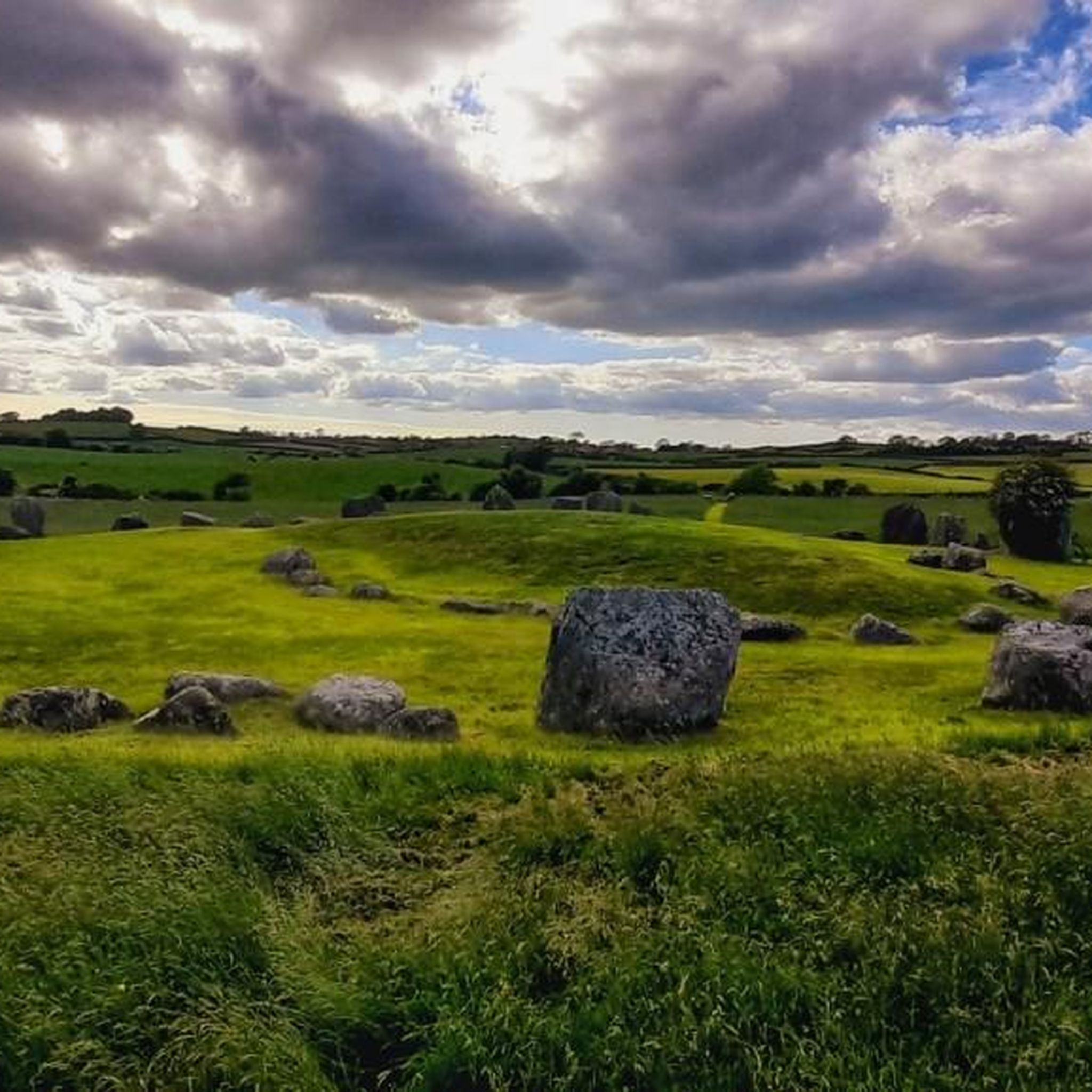
This impressive stone circle, dating from the late Neolithic to early Bronze Age, consists of over 50 upright stones enclosing a diameter of around 35 metres. Access is via a narrow hedge-lined path that takes you directly to the entrance of the circle
1
0

The historic gardens at Seaforde are situated both within and adjacent to the old walled garden, whose structure dates from the early half of the 18th century. The hidden, micro-climate gardens boast Ireland’s oldest living maze and support a renowned collection of plants, collected from distant corners of the world thanks to the travels of keen plantsman Patrick Forde. The gardens also include an arboretum containing champion trees and rare species. The Tropical Butterfly House is the atmospheric, jungle home to a myriad species of free flying butterflies. All peacefully at home surrounded by exotic and tropical plant life.
0
0
One of the best kept Circles I know of. The late Neolithic to earlier Bronze Age monument was excavated in 1937–1939 but its development and date are still not entirely clear. Excavation uncovered a slab feature with three compartments at the west end of the cairn, which could suggest the court tomb tradition, and a single stone cist at the east end which could point to the passage tomb tradition. Cremated remains representing at least seven individuals and some Neolithic pottery were found. Parallels for the outer stone circle with sites in Cumbria have been suggested.
1
0
The Well is an ancient site of pilgrimage with legends of Saint Patrick. The waters of the well are said to cure any ailment. Saint Patrick founded Ardtole Church which can be seen on the horizon. In the next field at low tide Saint Patrick's Road becomes visible. This was to be his route to the Isle of Man but when a red haired woman crossed his path he seen it as a bad omen and didn't make the journey.
0
0
The Dolmen can be found on the north east shore of Loughinisland Lake, within sight of Loughinisland Church. A slightly displaced capstone covers a rectangular chamber of which three side stones survive. An early account suggests that this was formerly inside a large circular cairn and approached through a lintelled passage, so it may be the remains of a passage tomb. It is famous as the platform from which Thomas Russell addressed a crowd of United Irishmen in 1803, after the main 1798 rising.
0
0

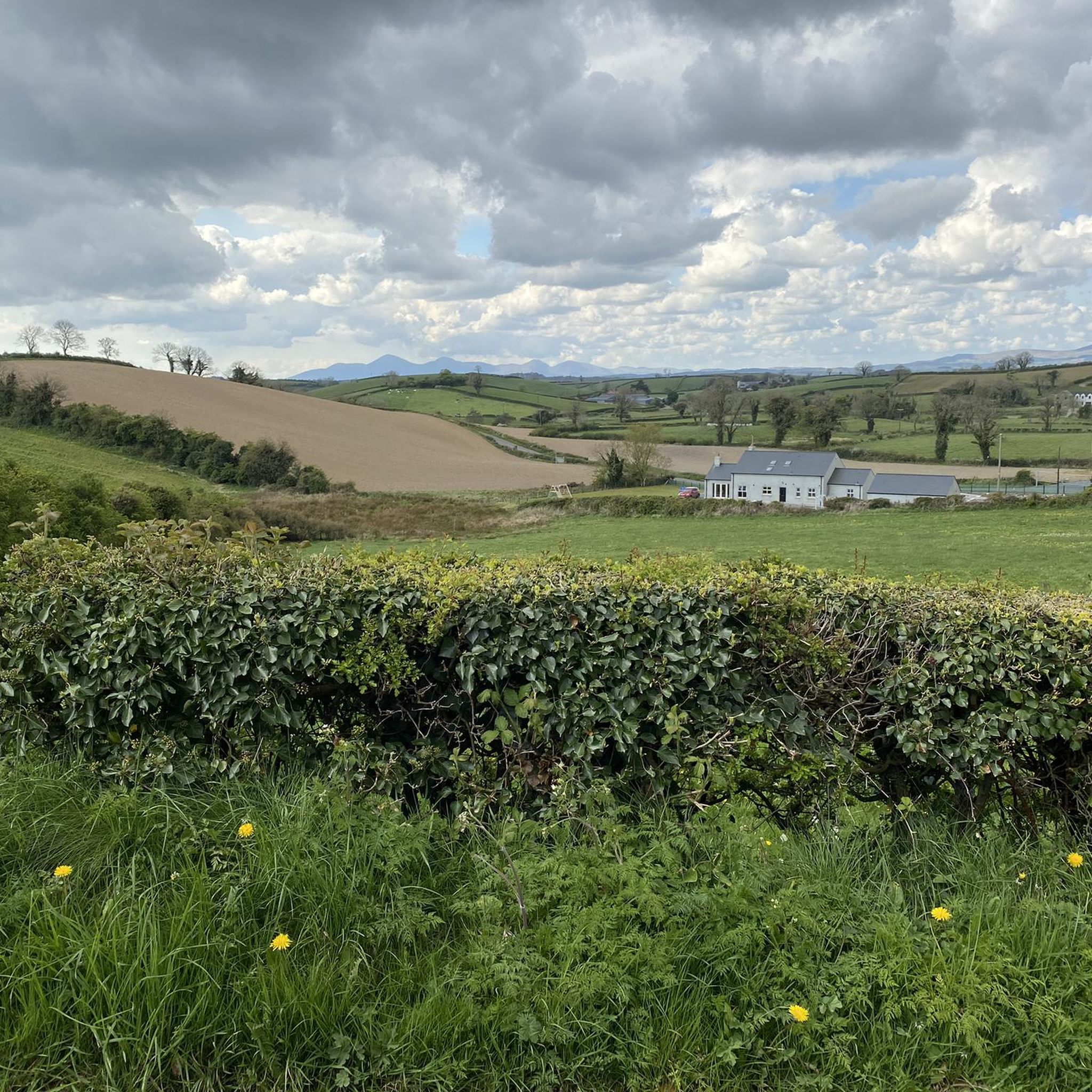
Enjoy sublime views south-west to the beautiful Mourne mountain range and north-east toward the coastal town of Dundrum.
1
0
Frequently Asked Questions
What historical natural monuments can I explore in the Ballynoe area?
The Ballynoe area is rich in historical natural monuments. You can visit the impressive Ballynoe Stone Circle, a significant late Neolithic to early Bronze Age site with over 50 upright stones. Another notable site is Annadorn Dolmen, located on the north-east shore of Loughinisland Lake, which is believed to be the remains of a passage tomb. Additionally, St Patrick's Well offers an ancient site of pilgrimage with legends of Saint Patrick.
Are there any family-friendly natural monuments around Ballynoe?
Yes, several natural monuments in the Ballynoe area are suitable for families. The Ballynoe Stone Circle is family-friendly, offering an engaging historical experience. Seaforde Gardens and Tropical Butterfly House is also an excellent family destination, featuring historic gardens, Ireland’s oldest living maze, and a vibrant butterfly house. For scenic views, the View of the Mourne Mountains and Dundrum is a great spot for all ages.
What kind of views can I expect from the natural monuments in Ballynoe?
The natural monuments in Ballynoe offer diverse and stunning views. From the View of the Mourne Mountains and Dundrum, you can enjoy sublime panoramic vistas south-west to the beautiful Mourne mountain range and north-east towards the coastal town of Dundrum. The Ballynoe Stone Circle itself is set in a picturesque location with views of the Mourne Mountains, providing a special and evocative backdrop to the ancient site.
Are there dog-friendly natural monuments or trails in the Ballynoe area?
Yes, the Ballynoe Stone Circle is dog-friendly, allowing you to explore this ancient site with your canine companion. Similarly, Annadorn Dolmen is also suitable for dogs. When visiting, always ensure dogs are kept on a leash and any waste is properly disposed of.
What outdoor activities can I do near the natural monuments in Ballynoe?
The area around Ballynoe offers various outdoor activities. For hiking, you can explore trails like the Lough Money loop, a section of the Lecale Way, the Dundrum Coastal Path, or the Ballycam ASSI hiking loop. Find more details on these routes in the Hiking around Ballynoe guide. If you enjoy road cycling, there are routes such as the Downpatrick to Ballynahinch loop or the Quoile River View loop from Ballynoe Stone Circle, detailed in the Road Cycling Routes around Ballynoe guide. Running enthusiasts can find trails like the Quoile River run in the Running Trails around Ballynoe guide.
What is the best time to visit the Ballynoe Stone Circle?
The Ballynoe Stone Circle can be visited year-round. However, for a truly magical experience, consider visiting around the spring equinox (around March 21st). Two stones on the western edge of the site are thought to mark an entrance and are aligned with the sunset on this day, highlighting the monument's ancient connection to celestial events.
Are there any facilities or amenities available at Seaforde Gardens and Tropical Butterfly House?
Yes, Seaforde Gardens and Tropical Butterfly House offers facilities for visitors. It includes parking and provides an immersive experience with its historic gardens, arboretum, and the tropical butterfly house itself. It's a cultivated landscape designed for visitor enjoyment.
How long does it typically take to visit the Ballynoe Stone Circle?
While the Ballynoe Stone Circle itself can be explored in a relatively short time (e.g., 30-60 minutes), many visitors choose to spend more time to soak in the mystical atmosphere and appreciate the historical significance. Access is via a narrow hedge-lined path, adding to the sense of discovery.
What makes the Ballynoe Stone Circle historically significant?
The Ballynoe Stone Circle is considered one of the finest stone circles in Ireland, dating back some 5,000 years to the late Neolithic into the Bronze Age. It's a complex, multi-phase site used for ritual and burial practices. Excavations uncovered remains of at least seven individuals and Neolithic pottery, providing insights into prehistoric peoples and their beliefs. Evidence of an earlier henge also points to its long history of use.
Can I find any unique natural features or wildlife at these monuments?
While the Ballynoe Stone Circle and Annadorn Dolmen are primarily archaeological, they are set within natural landscapes. Seaforde Gardens and Tropical Butterfly House is specifically designed to showcase natural features and wildlife, with its arboretum of champion trees, rare plant collections, and a Tropical Butterfly House teeming with free-flying butterflies amidst exotic flora.
Are there any specific permits required for hiking or visiting natural monuments in County Down?
Generally, no specific permits are required for visiting the natural monuments mentioned, such as the Ballynoe Stone Circle, or for hiking on public trails in County Down. However, it's always advisable to check for any local regulations or private land access requirements, especially if venturing off marked paths. Always respect private property and leave no trace.
Most popular routes around Ballynoe
Most popular attractions around Ballynoe

Get inspired with the komoot mobile app


Explore more
Extend your search for the best caves by checking out these guides of the top ones around Ballynoe:
