Top 16 Natural Monuments around Selborne
Best natural monuments around Selborne are found within the South Downs National Park, an area known for its natural beauty and historical association with naturalist Gilbert White. The landscape features ancient woodlands, chalk grasslands, and steep hangers. Visitors can explore diverse habitats, offering opportunities for observing wildlife and experiencing varied terrain.
Best natural monuments around Selborne
- The most popular natural monuments is Shoulder of Mutton Viewpoint, a viewpoint that offers extensive views across the South Downs and Petersfield. This…
Last updated: June 30, 2026
Mill Lane Waterfall
Highlight • Natural Monument
Tip by

Ancient Yew Tree at St. Mary’s Church, South Downs National Park
Highlight • Historical Site
Tip by

Sign up now to discover places like this
Get recommendations on the best single tracks, peaks, & plenty of other exciting outdoor places.
Sign up for free
Rake Hanger Site of Special Scientific Interest
Highlight • Trail
Tip by

The King Oak
Highlight • Forest
Tip by

Petersfield Heath Lake
Highlight • Historical Site
Tip by
Sign up for free to discover even more natural monuments around Selborne.
Sign up for free
Already have an account?
Start today with a free account
Your next adventure awaits.
Login or Signup

Tips from the Community

I'm glad I included this church yard in my hike. It was a pleasant detour. I recommend it.
0
0

It was a struggle to find the correct tree for me.
0
0

This is just a little waterfall but worth going to have a look at. It is quite amazing that the waterfall is located in a lane that is right in the middle of a residential area. It is however close to a good walking route.
1
0

One of the oldest Yew trees in the UK, in the cemetery of the church.
0
0

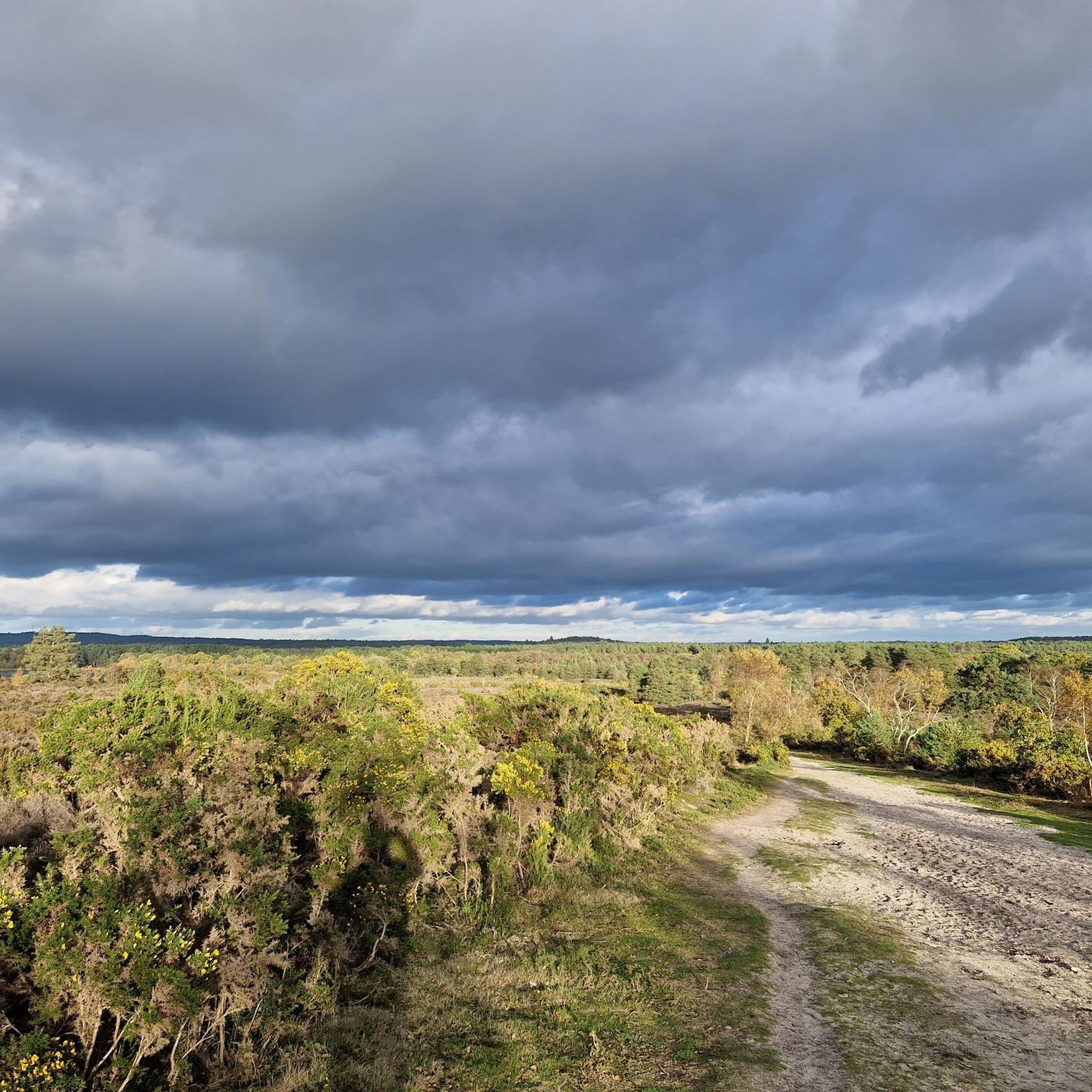
Just a short walk from the centre of Petersfield, this is a gorgeous heath containing three separate habitats: heather with acid grassland and gorse, woodland and scrub and the pond and its margins. Mammals, such as foxes, shrews, squirrels and wood mice inhabit the heath. The 21 Bronze Age long barrows here pay homage to the area’s ancient history. Some are obviously visible, whilst other are more difficult to spot.
0
0
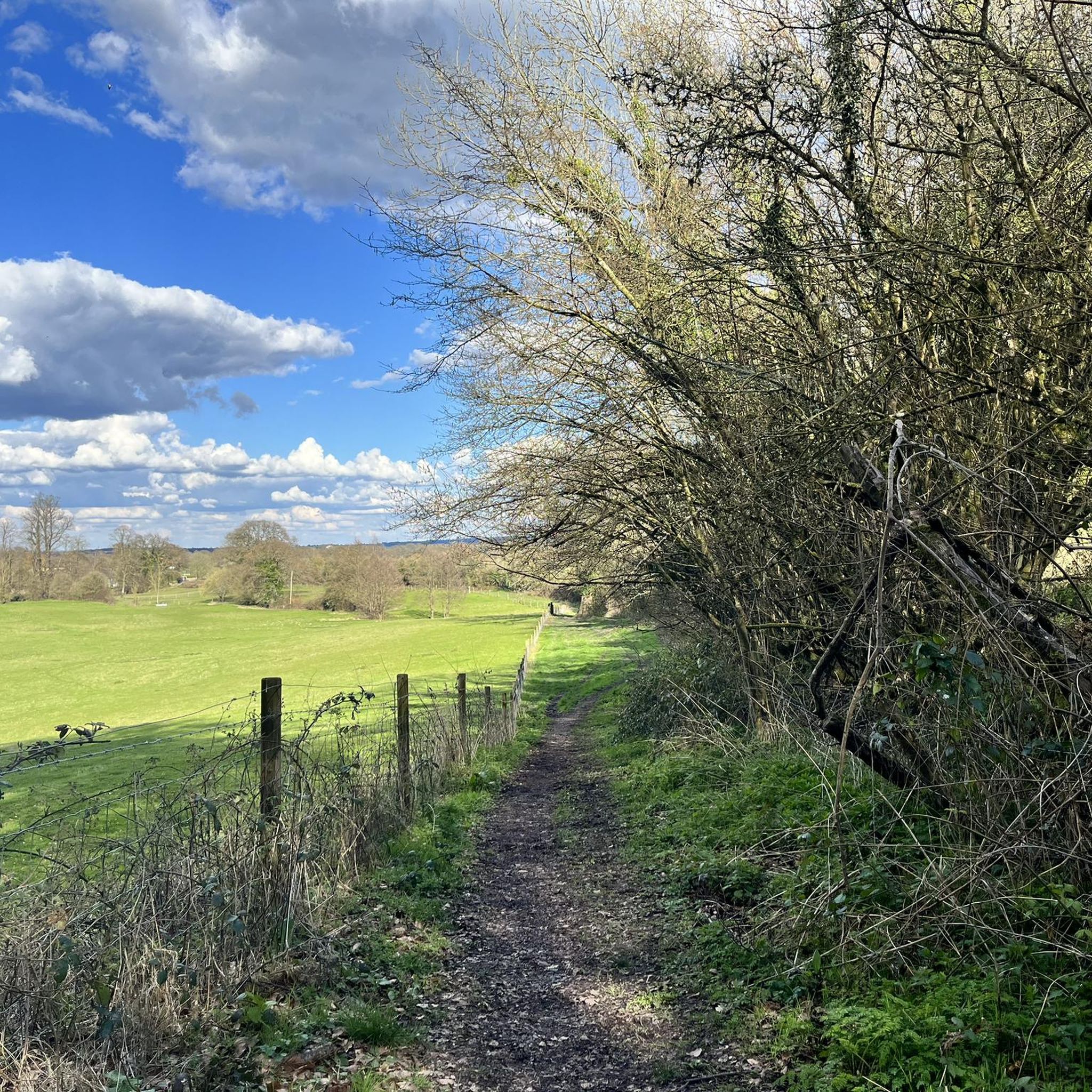
Rake Hanger is a 70-acre (28.2 ha) Site of Special Scientific Interest near Hill Brow on the border between West Sussex and Hampshire. The area has a footpath that goes along the foot of the scarp, forming part of the Serpent Trail long-distance footpath. A hanger is an area of woodland on a incline and Rake is just one example of such that are liberally dotted across the countryside of the South Downs. Sessile oaks are found on the slope, whilst alder thrives on the wetter ground at the foot of the escarpment.
0
0

One of the largest trees in Bordon Inclosure managed woodland, the King Oak is estimated to be about 470 years old (and still counting).
0
0
Frequently Asked Questions
What are some popular walks or trails around Selborne's natural monuments?
The area around Selborne offers diverse walking opportunities. A historically significant and popular route is the Zig-Zag Path, designed by Gilbert White, which ascends the Selborne Hanger and offers stunning views. For more extensive hiking, you can explore trails like the Selborne Hill and Noar Hill Loop or the Noar Hill Nature Reserve loop. These routes allow you to experience the ancient woodlands and chalk grasslands of the region.
Are there family-friendly natural monuments in Selborne?
Yes, several natural monuments in Selborne are suitable for families. The Mill Lane Waterfall is a small, charming feature located within a residential area, close to walking routes. The Ancient Yew Tree at St. Mary’s Church is another accessible and historically interesting spot. Additionally, The King Oak is a magnificent ancient tree within Bordon Inclosure, offering an easy and engaging visit for all ages.
When is the best time to visit Selborne's natural monuments?
The best time to visit Selborne's natural monuments is during spring and summer. This period sees the ancient woodlands and meadows, particularly Selborne Common and The Lythes, burst into life with vibrant wildflowers and numerous butterfly species. The weather is also generally more favorable for exploring the walking trails and enjoying the panoramic views.
What kind of wildlife can I expect to see around Selborne?
Selborne's natural monuments are rich in biodiversity. On Selborne Common, you might spot birds like red kites and various butterfly species, including the silver-washed fritillary and orange tip butterfly. The Lythes are particularly known for their wildflowers, which attract a wide array of butterflies. The ancient woodlands also provide habitats for various woodland creatures.
Are there any historical natural monuments or sites of interest in Selborne?
Absolutely. Selborne is deeply connected to the pioneering naturalist Gilbert White. The Zig-Zag Path, which he designed in 1753, is a historical route through the Selborne Hanger. The Ancient Yew Tree at St. Mary’s Church is recognized as one of the oldest in the UK, offering a tangible link to the past.
What geological features are prominent in the Selborne area?
The Selborne area, nestled within the South Downs National Park, is characterized by its distinctive geology. Key features include ancient woodlands, often found on steep inclines known as 'hangers' (like Selborne Hanger and Rake Hanger), and expansive chalk grasslands. These diverse habitats are a result of the underlying chalk geology of the South Downs.
Where can I find parking for Selborne's natural monuments?
While specific parking for each natural monument isn't always signposted, visitors typically find parking in or around Selborne village. There are often public car parks available, and some trailheads may have limited roadside parking. It's advisable to check local signage or resources like visitselborne.uk for the most up-to-date parking information before your visit.
What outdoor activities can I do near these natural monuments?
Beyond exploring the natural monuments themselves, the Selborne area offers a range of outdoor activities. You can enjoy hiking on numerous trails, with options ranging from easy to moderate. Cycling is also popular, with routes like The King Oak – Broxhead Common Nature Reserve loop. For runners, there are dedicated running trails, including the Selborne Hill loop.
Are there any viewpoints offering panoramic scenery?
Yes, the Selborne area is known for its stunning vistas. The highest point of Selborne Common offers extensive views, reaching an elevation of 680 feet (210 meters) above sea level. Additionally, the Shoulder of Mutton Viewpoint provides magnificent views across the South Downs and towards Petersfield, making the challenging walk worthwhile.
What do visitors enjoy most about Selborne's natural monuments?
Visitors frequently praise the untouched beauty and diverse ecosystems of Selborne's natural monuments. Many appreciate the opportunity to walk through landscapes that inspired Gilbert White, offering a unique blend of nature and history. The panoramic views from spots like the Shoulder of Mutton Viewpoint and the peaceful atmosphere of areas like The Lythes are also highly valued.
Are there any easy walks suitable for beginners around Selborne's natural monuments?
Yes, there are several easier options. While the Zig-Zag Path can be moderately challenging, many parts of Selborne Common offer gentler walking trails through shaded woods and open meadows. For a very accessible and short walk, visiting the Mill Lane Waterfall or the Ancient Yew Tree at St. Mary’s Church provides a pleasant, less strenuous experience.
Can I bring my dog to the natural monuments in Selborne?
Many of the natural areas around Selborne, including Selborne Common and the various walking trails, are dog-friendly. However, it's always recommended to keep dogs under control, especially in areas with livestock or sensitive wildlife. Please ensure you follow any local signage regarding lead requirements and clean up after your pet to preserve the natural environment for everyone.
Most popular routes around Selborne
Most popular attractions around Selborne

Get inspired with the komoot mobile app


Explore more
Extend your search for the best caves by checking out these guides of the top ones around Selborne:
