Ballyclogh (South Centre)
Ballyclogh (South Centre)
Top 11 Natural Monuments around Ballyclogh (South Centre)
Best natural monuments around Ballyclogh (South Centre) include geological formations and scenic landscapes within the broader County Cork region. Ballyclogh itself is historically associated with stone quarries, indicating its geological heritage. The wider South Centre area offers diverse natural attractions, from ancient caves to extensive demesnes and mountain parks. These sites provide opportunities to explore the region's natural beauty and geological history.
Best natural monuments around Ballyclogh (South Centre)
- The most popular natural monuments is Giant's Causeway, a natural_monument…
Last updated: June 30, 2026
Giant's Causeway
Highlight • Natural Monument
Tip by

Giant’s Gate
Highlight • Viewpoint
Tip by

Sign up now to discover places like this
Get recommendations on the best single tracks, peaks, & plenty of other exciting outdoor places.
Sign up for free
The Amphitheatre (Port Reostan)
Highlight • Viewpoint
Tip by

Giant's Causeway and Causeway Coast Clifftop Walk
Highlight (Segment) • Trail
Translated by Google •
Tip by

Fionn Mac Cumhaill's Shoe
Highlight • Natural Monument
Of course you should have a little imagination to discover certain forms of life in these formations, but it's fun.
Translated by Google •
Tip by
Sign up for free to discover even more natural monuments around Ballyclogh (South Centre).
Sign up for free
Already have an account?
Start today with a free account
Your next adventure awaits.
Login or Signup


Tips from the Community

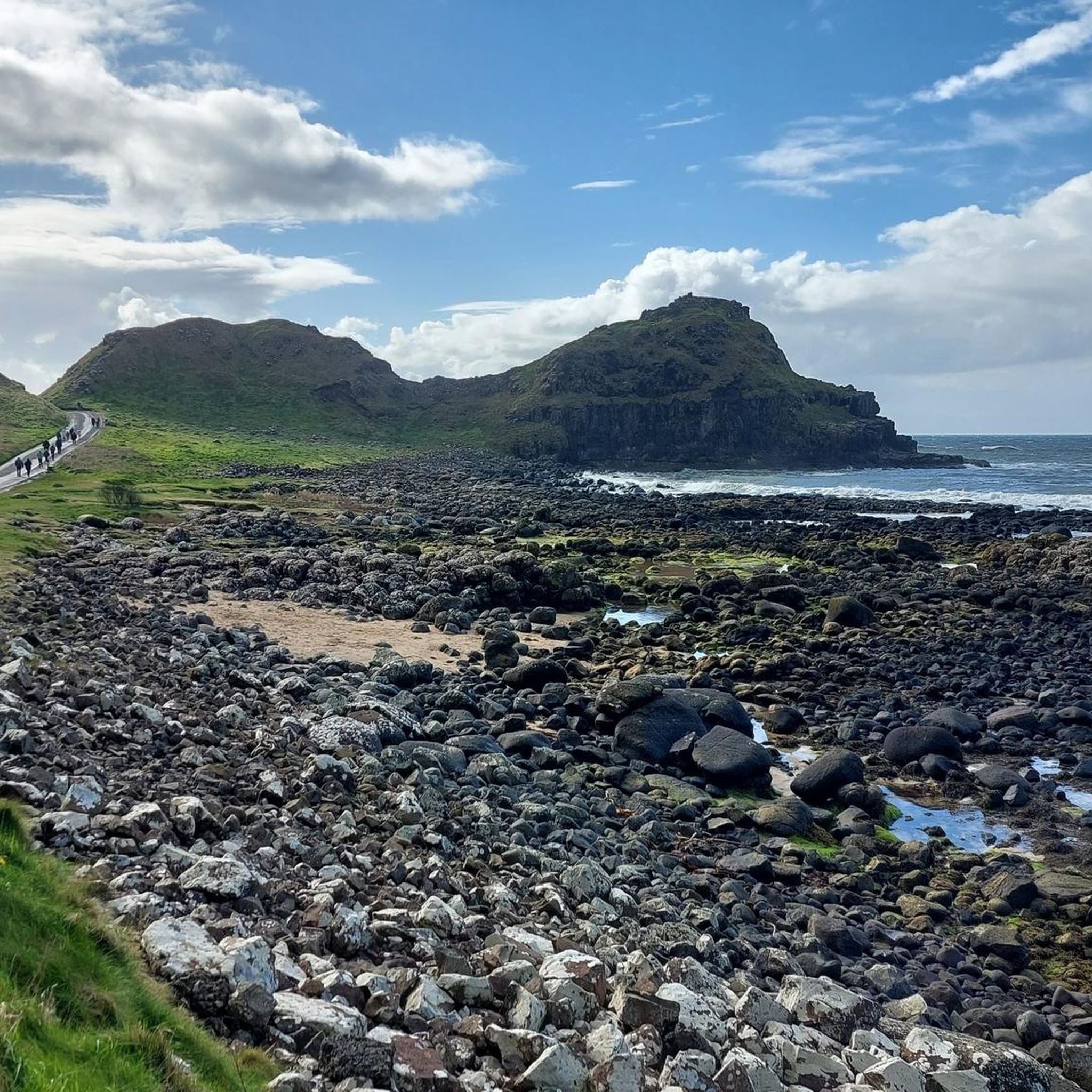
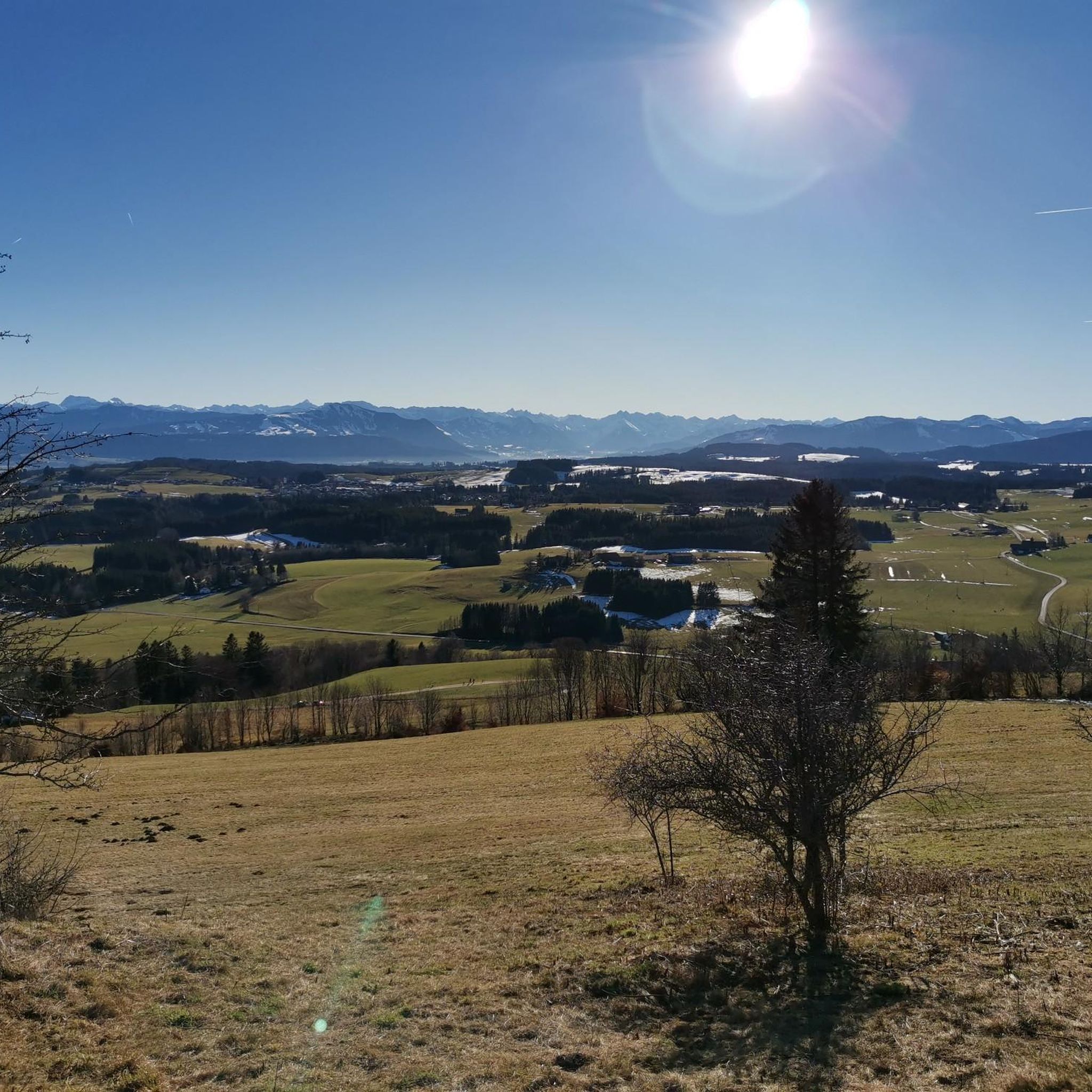
Fantastically beautiful view, landscape a bit rough but the people really warm-hearted ♥️ definitely want to go again 😊☀️
0
0

A dream in good weather
0
0

The amphitheater in Northern Ireland is an impressive archaeological site, fascinating for its historical significance and impressive architecture. The complex offers insight into ancient culture and is a fascinating place for history buffs. The atmosphere is tranquil and invites reflection on the past. The amphitheater is an important monument that reflects Northern Ireland's rich history.
2
0


Another great view opens up here and this path leads to the organ pipes. Weatherproof clothing is recommended, as the weather can change from time to time. The footpath is not paved, but is flat and easy to walk.
1
1


The raw elemental beauty of the Causeway Coastal Route captures the thrill of adventure in Northern Ireland. Maybe it's the sheer vastness and beauty of the landscape. Perhaps it is the mythical stories formed and inspired by the dramatic coastline.
10
0
Frequently Asked Questions
What are the primary natural monuments featured in this guide?
This guide highlights several remarkable natural monuments, primarily located along the Causeway Coast in Northern Ireland. These include the iconic Giant's Causeway with its unique basalt columns, the impressive The Organ — Giant's Causeway resembling church pipes, and the distinct rock formation known as Fionn Mac Cumhaill's Shoe. Additionally, The Amphitheatre (Port Reostan) offers dramatic rock formations.
Are there any family-friendly natural monuments or attractions near Ballyclogh (South Centre)?
While the featured natural monuments like Giant's Causeway and Fionn Mac Cumhaill's Shoe are considered family-friendly, it's important to note they are located in Northern Ireland. For family-friendly natural attractions closer to Ballyclogh in County Cork, consider visiting Doneraile Court/Demesne, which offers extensive grasslands and shaded forest walks, or exploring the Ballyhoura Mountain Park with its diverse trails suitable for various ages.
What kind of geological features can I expect to see at these natural monuments?
The natural monuments featured in this guide, particularly the Giant's Causeway, are renowned for their unique geological formations. You'll witness approximately 40,000 interlocking basalt columns, a result of ancient volcanic fissure eruptions. These formations create spectacular sights like 'The Organ' and 'Fionn Mac Cumhaill's Shoe', showcasing the power of natural geological processes and erosion.
What outdoor activities can I do near the natural monuments featured in this guide?
Near the featured natural monuments, especially around the Giant's Causeway area, there are numerous outdoor activities. You can enjoy various hiking trails, including sections of the Causeway Coast Way, with options ranging from easy to difficult. There are also running trails available. For example, you can find easy hikes like the Portballintrae & Runkerry Beach loop, or more challenging routes like the Causeway Coast Way: Bushmills to Giant's Causeway. For a broader range of activities in the Ballyclogh (South Centre) region of County Cork, Ballyhoura Mountain Park offers extensive opportunities for walking, hiking, and bird watching.
Are there historical sites combined with natural beauty in the wider Ballyclogh region?
Yes, the wider region offers a blend of natural beauty and history. While the guide features Dunluce Castle Ruins, a medieval castle perched on a basalt outcropping near the Giant's Causeway, closer to Ballyclogh in County Cork, Doneraile Court/Demesne provides a historical estate setting within a vast natural landscape. The village of Ballyclogh itself has a history tied to stone quarries, reflecting its geological heritage.
What do visitors enjoy most about the natural monuments like Giant's Causeway?
Visitors consistently praise the fascinating and unique geological formations of the Giant's Causeway. Many are captivated by the 4- to 6-cornered basalt columns, often referring to it as a 'fascinating whim of nature' and 'Ireland's only natural monument.' The dramatic cliff formations, like The Organ, also leave a lasting impression, with visitors appreciating the sheer scale and natural artistry.
What are some other natural attractions in the South Centre region of County Cork, near Ballyclogh?
Beyond the specific highlights featured in this guide, the broader South Centre region of County Cork offers several natural attractions. These include the spectacular Kilavullen Caves near Mallow, known for their ancient geological formations. The River Blackwater Valley provides scenic beauty and elevated forest walks, while Ballyhoura Mountain Park boasts woodlands, rugged mountains, and peat bogs, ideal for nature trails and bird watching.
What is the difficulty level of trails near these natural monuments?
The trails near the featured natural monuments, particularly around the Giant's Causeway, vary in difficulty. You can find easy hikes suitable for a leisurely stroll, such as the Portballintrae & Runkerry Beach loop. There are also moderate and even difficult sections of the Causeway Coast Way for more experienced hikers and runners.
Are there viewpoints to appreciate the natural beauty of the area?
Yes, many of the featured natural monuments double as excellent viewpoints. The Amphitheatre (Port Reostan) offers magnificent, dramatic views along the Causeway Coast. Similarly, areas around The Organ — Giant's Causeway and Dunluce Castle Ruins provide stunning vistas of the unique basalt formations and the coastline.
Can I find information about the geological history of the Ballyclogh area itself?
While Ballyclogh village doesn't host traditional natural monuments, its name, 'Baile Cloch' (town of the stones), and its historical association with stone quarries, particularly the 'Ballyclogh Quarry,' are direct testaments to its geological heritage. The area is rich in limestone deposits, which have shaped the local landscape and economy over time. This historical context provides insight into the broader geological significance of County Cork.
What kind of wildlife can be observed in the natural areas near Ballyclogh?
In the natural areas of the wider South Centre Cork region, you can observe diverse wildlife. For instance, Doneraile Court/Demesne is home to red deer, offering a chance to see these animals in a serene natural environment. Ballyhoura Mountain Park, with its woodlands and peat bogs, provides habitats for various species, making it an excellent spot for bird watching and experiencing local ecosystems.
Most popular attractions around Ballyclogh (South Centre)

Get inspired with the komoot mobile app


Explore more
Extend your search for the best caves by checking out these guides of the top ones around Ballyclogh (South Centre):
