Top 6 Natural Monuments around Ballyreagh Lower
Best natural monuments around Ballyreagh Lower include a diverse range of geological wonders and dramatic coastal landscapes within the Causeway Coast and Glens area. This region in Northern Ireland is known for its rugged coastline, basalt formations, and scenic viewpoints. Visitors can explore unique natural features that showcase millions of years of geological history. The area offers opportunities for outdoor exploration and experiencing the region's natural charm.
Best natural monuments around Ballyreagh Lower
- The most popular natural monuments is View…
Last updated: June 30, 2026
Kinbane Castle
Highlight • Viewpoint
Tip by

Fair Head Climbing Area
Highlight • Viewpoint
Translated by Google •
Tip by

Sign up now to discover places like this
Get recommendations on the best single tracks, peaks, & plenty of other exciting outdoor places.
Sign up for free
View of Ballycastle
Highlight • Viewpoint
Translated by Google •
Tip by

Cliffs of the Antrim Coast & Glens AONB
Highlight (Segment) • Natural Monument
Translated by Google •
Tip by

Portaneevy Viewpoint
Highlight • Natural Monument
Translated by Google •
Tip by

Sign up for free to discover even more natural monuments around Ballyreagh Lower.
Sign up for free
Already have an account?
Start today with a free account
Your next adventure awaits.
Login or Signup


Tips from the Community

ideal for viewing the Carrick-a-Rede suspension bridge
2
1

One of the real classic seacliff climbing areas with decades of histors and the tradiitonal climbing meet-up on the first weekend in June.
1
0

Built in 1547, Kinbane Castle is almost 500 years old and is a stunning site. With the waves crashing against the rocks below it makes for a rugged picnic spot!
2
0

Because a cliff does not have to be exactly vertical, there can be confusion about whether a particular slope is a cliff or not, and also about how much of a particular slope should be counted as a cliff. For example, for a truly vertical rock face over a very steep slope, one could count just the rock face or the combination. Listing cliffs is therefore inherently uncertain.
11
0

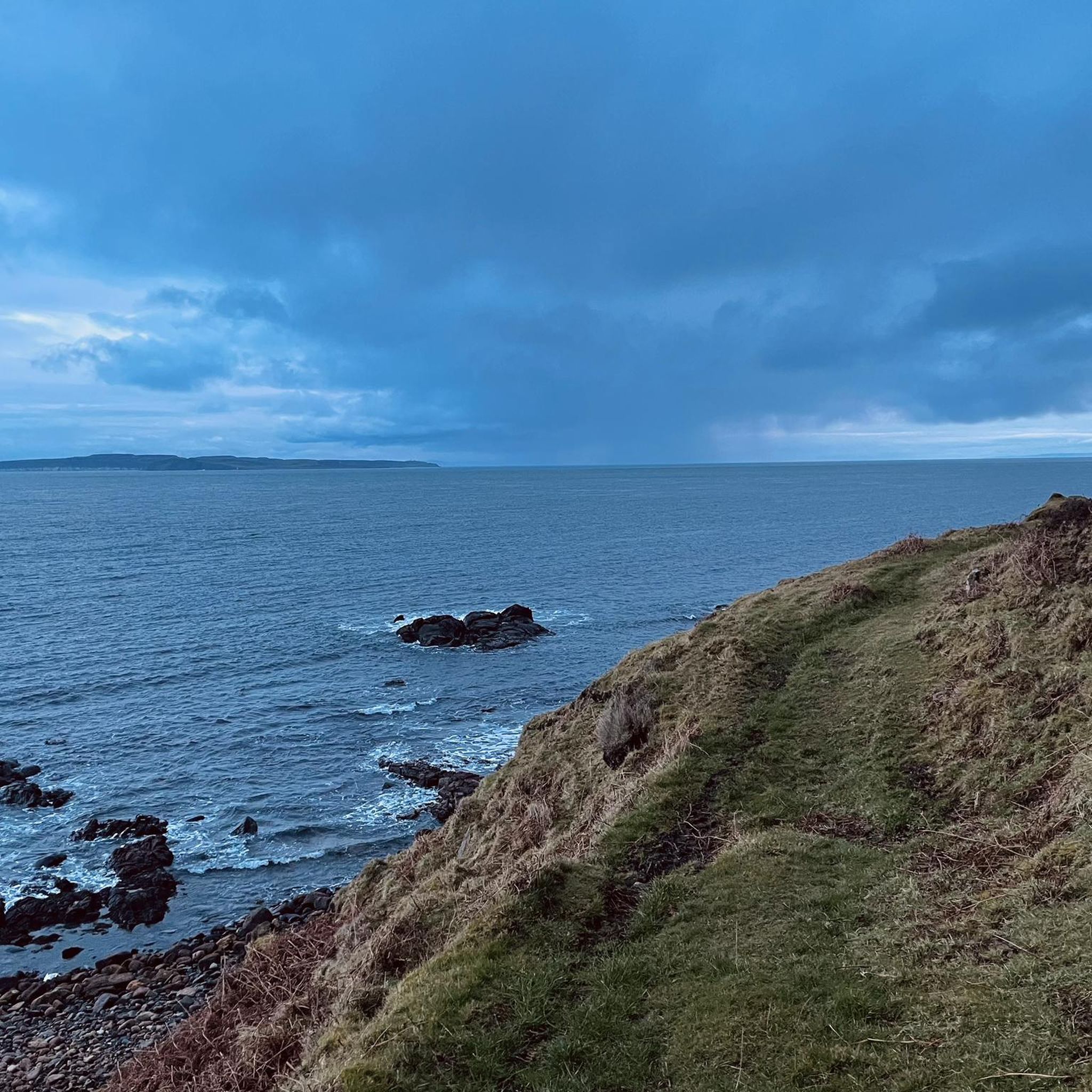
Fair Head is a cliff top approximately 3 miles long and 200m high with sweeping views of Ballycastle.
2
0
Stunning views from Fairhead to Ballycastle
1
0
According to komoot only 50 meters in altitude - forget it. It feels like 200 within a few meters over some high steps. Goes right in the thighs.
0
1
Frequently Asked Questions
What are some of the most scenic natural monuments to visit around Ballyreagh Lower?
The region offers several breathtaking natural monuments. You can enjoy stunning views from View of Ballycastle, which looks out towards Fairhead and Ballycastle. Another popular spot is Kinbane Castle, perched on a dramatic headland with views of the North Antrim coast, Rathlin Island, and even Scotland. For a different perspective, Portaneevy Viewpoint offers an ideal spot to see the Carrick-a-Rede suspension bridge.
Are there family-friendly natural attractions in the Ballyreagh Lower area?
Yes, several natural monuments are suitable for families. Kinbane Castle is considered family-friendly, though it has steep steps and some narrow parts, so supervision is key. Portaneevy Viewpoint is also categorized as family-friendly, offering great views without challenging terrain. Additionally, the nearby Ballintrae Bay / Runkerry Strand provides picturesque scenery and walks through sand dunes, which can be enjoyable for all ages.
What unique geological features can I explore near Ballyreagh Lower?
The region is famous for its unique geology. The UNESCO World Heritage site, Giant's Causeway, is renowned for its approximately 40,000 interlocking basalt columns, formed by ancient volcanic activity. You can also find fossil-rich rocks at the Portrush National Nature Reserve, offering a glimpse into geological history along the seashore.
What outdoor activities can I do near these natural monuments?
The area around Ballyreagh Lower is excellent for outdoor activities. You can find various hiking routes, including moderate trails like the Fairhead Loch Na Crannóige Walk. For cyclists, there are challenging routes such as the Giant's Causeway loop from Ballymoney. Explore more options on the hiking guide or the cycling guide for Ballyreagh Lower.
Are there any historical sites combined with natural beauty?
Absolutely. Kinbane Castle, built in 1547, is a prime example, offering historical ruins in a stunning natural setting with dramatic coastal views. Similarly, Dunluce Castle, though a medieval ruin, is inextricably linked to its precarious position on a basalt outcropping, providing a striking blend of history and raw coastal beauty.
What is the best time to visit the natural monuments in Ballyreagh Lower?
The Causeway Coastal Route, which encompasses many of these sites, is beautiful year-round. Mid-summer is particularly noted for stunning sunsets at places like Ballintrae Bay / Runkerry Strand. However, the dramatic coastal landscapes offer unique experiences in all seasons, with autumn and winter providing a rugged beauty, though weather conditions can be more challenging.
Where can I find less crowded natural monuments around Ballyreagh Lower?
While popular sites like the Giant's Causeway can attract crowds, some spots offer a more tranquil experience. View of Ballycastle is described as a 'dreamlike spot in Ireland - without mass tourism.' Exploring areas like the Portrush National Nature Reserve or the less-trafficked parts of the Causeway Coastal Route can also provide a quieter experience.
Are there opportunities for wildlife spotting near the natural monuments?
The coastal environment around Ballyreagh Lower, including areas like the Portrush National Nature Reserve and the broader Causeway Coast Area of Natural Beauty, provides habitats for various wildlife. Keep an eye out for seabirds along the cliffs and marine life in the waters below. The natural setting often allows for unexpected wildlife encounters.
What are the walking conditions like at natural monuments such as Kinbane Castle?
At Kinbane Castle, expect a steep descent with steps, though barriers are in place for much of the way. Some parts, especially walking out onto rocky outcrops, can be narrow and slippery. Always wear appropriate footwear and exercise caution, especially with children.
Can I find challenging climbs or viewpoints for experienced adventurers?
Yes, for those seeking a challenge, Fair Head Climbing Area is a renowned destination. It features a cliff top approximately 3 miles long and 200m high, offering sweeping views of Ballycastle and is considered one of the classic seacliff climbing areas. This area is best suited for experienced climbers.
What makes the Cliffs of the Antrim Coast & Glens AONB a significant natural monument?
The Cliffs of the Antrim Coast & Glens AONB are significant for their dramatic geological formations and expansive viewpoints. As part of an Area of Outstanding Natural Beauty, these cliffs showcase the rugged beauty of the Northern Irish coastline, offering impressive vistas and a sense of the region's raw natural power.
Most popular attractions around Ballyreagh Lower

Get inspired with the komoot mobile app


Explore more
Extend your search for the best caves by checking out these guides of the top ones around Ballyreagh Lower:
