Top 6 Natural Monuments around Trillick
Natural monuments around Trillick offer diverse landscapes, from ancient woodlands to geological formations and waterfalls. The area in County Tyrone, Northern Ireland, provides a variety of natural features for exploration. Visitors can discover steep-sided gorges, expansive forests, and significant geological sites. These locations are ideal for experiencing the region's natural beauty and varied ecosystems.
Best natural monuments around Trillick
- The most popular natural monuments is Ancient Chestnut Tree, a forest feature where you can discover some of the oldest…
Last updated: June 29, 2026
Marble Arch Caves
Highlight • Historical Site
Tip by

Cladagh Glen Waterfall
Highlight • Forest
Tip by

Sign up now to discover places like this
Get recommendations on the best single tracks, peaks, & plenty of other exciting outdoor places.
Sign up for free
Cliff Edge of Cuilcagh Mountain
Highlight • Natural Monument
Tip by

Ancient Chestnut Tree
Highlight • Forest
Tip by

Pollnagollum Cave and Waterfall
Highlight • Cave
Tip by
Sign up for free to discover even more natural monuments around Trillick.
Sign up for free
Already have an account?
Start today with a free account
Your next adventure awaits.
Login or Signup
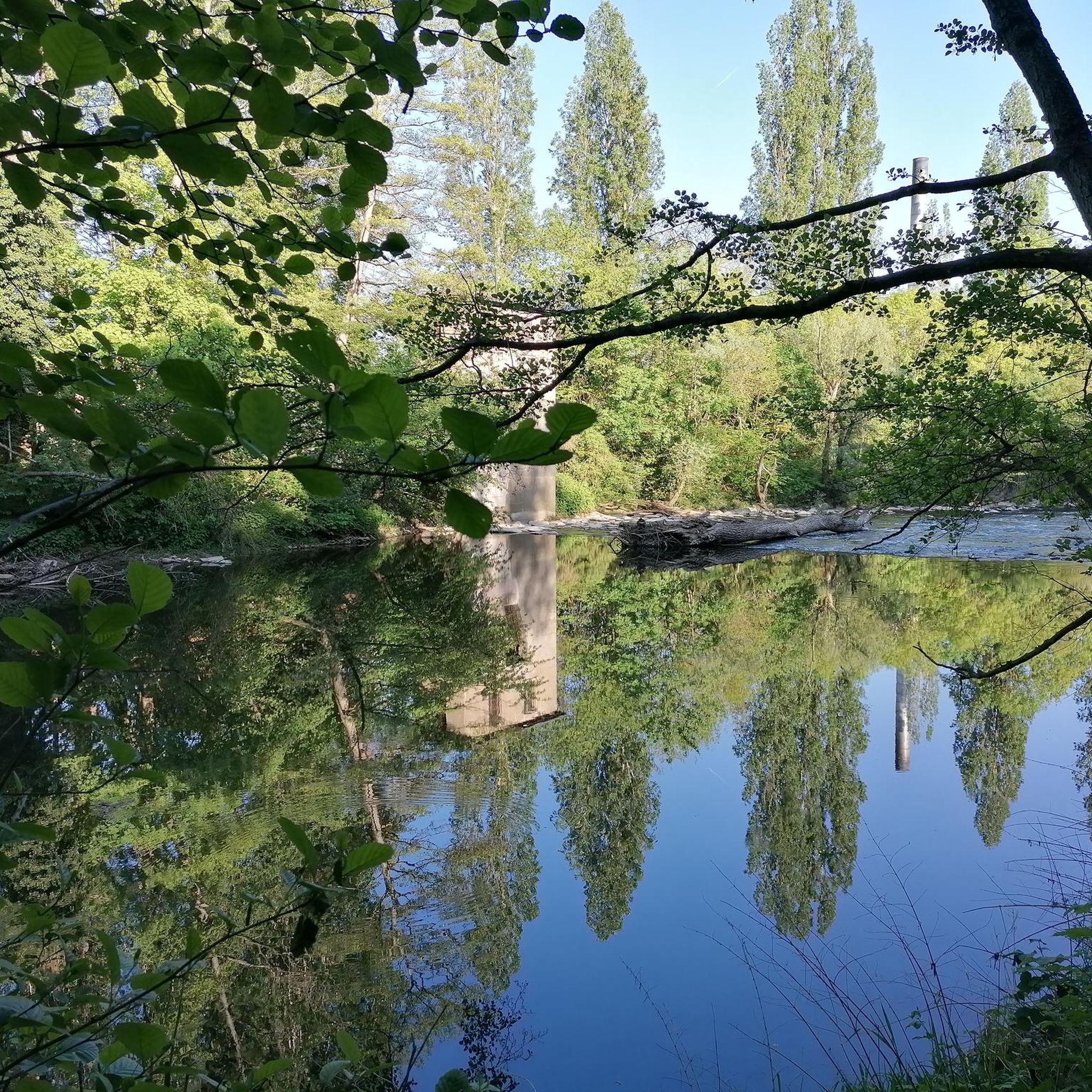


Tips from the Community

Along the Beech Trail, you'll discover some of the oldest trees on the estate, including Oak and the sprawling limbs of this Horse Chestnut, forming a natural arch over the path.
0
0

"continual slur on Irish caving" It's actually only a few hundred metres is accessible and it's total length is thought to be 2km. No where near the longest cave in Ireland. Consider a trip in only if well equipped with a good light and helmet. Alternatively/also consider visiting McKenzies back lounge just down the road. A much drier watering hole. ;)
1
0

Stunning limestone caves which you can explore on a guided tour. Well worth a visit. There are 150 steps down to the caves so if you are wearing cleats please be aware, or change into a pair of trainers before you descend down into the natural wonder. There is also a cafe on site. For further details please see https://marblearchcaves.co.uk/
0
0

Pollnagollum Cave (meaning Hole of the Dove) is the longest cave system in Ireland. The cave system is complex and fascinating and is fed by a tumbling waterfall that topples off a limestone cliff. Watch your stepping here as rocks can be unstable and slippery, and don't forget your camera for some awesome shots.
3
0
Marble Arch caves are situated at the picturesque foothills of the Cuilcagh Mountain. They are the longest underground cave system in Northern Ireland (7.1 miles in total) and are said to be the most magnificent in Britain. The caves are regarded as a world-class natural attraction, they are situated in the Cuilcagh Lakelands which is the world's first UNESCO Global Geopark. The caves are only explorable by guided tours which run daily between 10am - 5pm. To secure a spot, visit https://marblearchcaves.co.uk/online-booking-guided-cave-tour/
2
0

Clodagh Glen has a steep sided gorge that is lined by ancient ash trees that cling to the steep sides. The water sculpted river valley has a spectacular arch over the river which formed when the cave roof collapsed. The reserve is known for its limestone gorge, mystical caves and beautiful waterfalls. In the springtime the valley floor is carpeted by bluebells, wood anemones and wild garlic and in the summer silver-washed fritillaries are found besides the path. With a keen eye you may also spot an elusive pint martin and red squirrels!
1
0
The Cuilcagh Mountain Park covers 6,000 acres on the north slopes of the Cuilcagh Mountain. The park was founded in 1998 and works to conserve the bogland and restore damaged peatland. At 665m the mountain is one of the highest points in Ireland. The Limestone rock was formed over 300 million years ago by ocean calcifying organisms when Ireland was covered by shallow tropical sea. With an interesting and varied flora and fauna alongside historic ancient ruins, there is plenty to explore in the park.
1
0

Frequently Asked Questions
What unique natural features can I explore around Trillick?
The area around Trillick offers a variety of unique natural features. You can discover the dramatic limestone gorge, mystical caves, and beautiful waterfalls at Cladagh Glen Waterfall. Another highlight is the Pollnagollum Cave and Waterfall in Belmore Forest, known for its extensive cave system and a tumbling waterfall. For expansive views, the Cliff Edge of Cuilcagh Mountain offers panoramic vistas and unique bogland habitats.
Are there any family-friendly natural monuments or walks near Trillick?
Yes, several natural monuments are suitable for families. The Ancient Chestnut Tree, located along the Beech Trail, is a great spot for a family walk, featuring a natural arch formed by sprawling tree limbs. Florence Court Estate also offers over 10 miles of hiking and biking trails through parkland and woodlands, suitable for various ages. For easy hikes, consider routes like the 'Belmore Forest loop via Pollnagollum Cave' or 'Marble Arch Caves via Cladagh River' which are listed in the Easy hikes around Trillick guide.
Where can I find beautiful waterfalls around Trillick?
You can find several beautiful waterfalls in the region. The Cascades Waterfall along Cuilcagh Way offers multi-tiered falls amidst a forest of lichen and ferns. Another stunning location is Cladagh Glen Waterfall, where water cascades through a steep-sided gorge. Additionally, the Pollnagollum Cave and Waterfall features a powerful waterfall feeding into Ireland's longest cave system.
What kind of wildlife can I expect to see at the natural monuments?
The natural monuments around Trillick offer opportunities for wildlife spotting. At Clodagh Glen, with a keen eye, you might spot elusive pine martens and red squirrels. The reedbeds, fen peats, and wet grasslands around Lower Lough MacNean provide habitats for a variety of mammals, insects, and birds. Cuilcagh Mountain Park also boasts diverse flora and fauna within its bogland habitats.
Are there hiking trails available near these natural monuments?
Yes, there are numerous hiking trails. Trillick Forest offers peaceful woodland walks. Belmore Forest, home to Pollnagollum Cave, has waymarked forest paths. For more challenging hikes, Cuilcagh Mountain Park features a difficult 13.2-mile loop trail with substantial elevation gain. You can find more options in the Easy hikes around Trillick guide, which includes routes like 'Belmore Forest loop via Pollnagollum Cave'.
What is the best time of year to visit the natural monuments around Trillick?
The natural monuments around Trillick offer beauty throughout the year, but spring and summer are particularly vibrant. In spring, Clodagh Glen's valley floor is carpeted with bluebells, wood anemones, and wild garlic. Summer brings silver-washed fritillaries to the paths. The multi-tiered Cascades Waterfall also features seasonal bluebells. Autumn offers magical colors in the woodlands.
Are there opportunities for cycling near the natural monuments?
Yes, Florence Court Estate features over 10 miles of hiking and biking trails through its parkland and woodlands. For road cycling enthusiasts, the Road Cycling Routes around Trillick guide lists several moderate routes, including 'Florence Court loop from Bellanaleck' and 'Florence Court – Florence Court loop from Drumlaghy'.
What historical elements can be found within the natural landscapes?
Beyond their natural beauty, some sites incorporate historical interest. Trillick Forest contains the ruins of Castlemervyn. Cuilcagh Mountain Park features historic ruins dating back to the 19th century amidst its vast landscapes. Florence Court, while primarily a historic estate, also boasts the Florence Court Yew, one of two original Irish Yews discovered in 1767.
Is there public transport available to reach key natural monuments like Cuilcagh Mountain or Florence Court?
While Trillick itself is a small village, reaching some of the larger natural monuments like Cuilcagh Mountain Park or Florence Court Estate often requires personal transport. Public transport options directly to the trailheads or specific natural monuments can be limited. It's advisable to check local transport schedules or consider driving for easier access to these sites.
What should I bring when visiting the natural monuments around Trillick?
When visiting the natural monuments, it's recommended to wear appropriate footwear, especially for trails that can be uneven or slippery, such as near Pollnagollum Cave and Waterfall. Bringing water, snacks, and weather-appropriate clothing is always a good idea, as conditions can change. A camera is also recommended to capture the scenic beauty, and binoculars for wildlife spotting.
Are there any circular walks or trails around the natural monuments?
Yes, there are circular walking opportunities. Belmore Forest offers a 3.8-mile loop trail that includes access to Pollnagollum Cave. The Easy hikes around Trillick guide lists routes like 'Belmore Forest loop via Pollnagollum Cave' and 'Florence Court – Florence Court loop from Drumlaghy' which are circular. For a more challenging experience, Cuilcagh Mountain Park has a difficult 13.2-mile loop trail.
Where can I find information about Trillick Forest?
Trillick Forest is a significant natural area covering 245 hectares, primarily coniferous woodland, offering peaceful woodland walks. While there are no dedicated recreational facilities, the public is welcome to explore on foot. You can find more information about Trillick Forest on the nidirect.gov.uk website.
Most popular attractions around Trillick

Get inspired with the komoot mobile app


Explore more
Extend your search for the best caves by checking out these guides of the top ones around Trillick:
