Top 6 Natural Monuments around Glasmullagh
Natural monuments around Glasmullagh offer a diverse range of natural features across County Tyrone, Monaghan, and Fermanagh. The region is characterized by ancient archaeological sites integrated with the landscape, drumlin hills, wetlands, and significant geological formations. Visitors can explore areas with unique natural beauty, from stone circles to expansive forests and lakelands. These natural features provide opportunities for exploring varied environments and understanding the geological history of the area.
Best natural monuments around Glasmullagh
- The most popular natural monuments is…
Last updated: June 29, 2026
Marble Arch Caves
Highlight • Historical Site
Tip by

Cladagh Glen Waterfall
Highlight • Forest
Tip by

Sign up now to discover places like this
Get recommendations on the best single tracks, peaks, & plenty of other exciting outdoor places.
Sign up for free
Cliff Edge of Cuilcagh Mountain
Highlight • Natural Monument
Tip by

Pollnagollum Cave and Waterfall
Highlight • Cave
Tip by
Cascades Waterfall
Highlight • Forest
Tip by
Sign up for free to discover even more natural monuments around Glasmullagh.
Sign up for free
Already have an account?
Start today with a free account
Your next adventure awaits.
Login or Signup
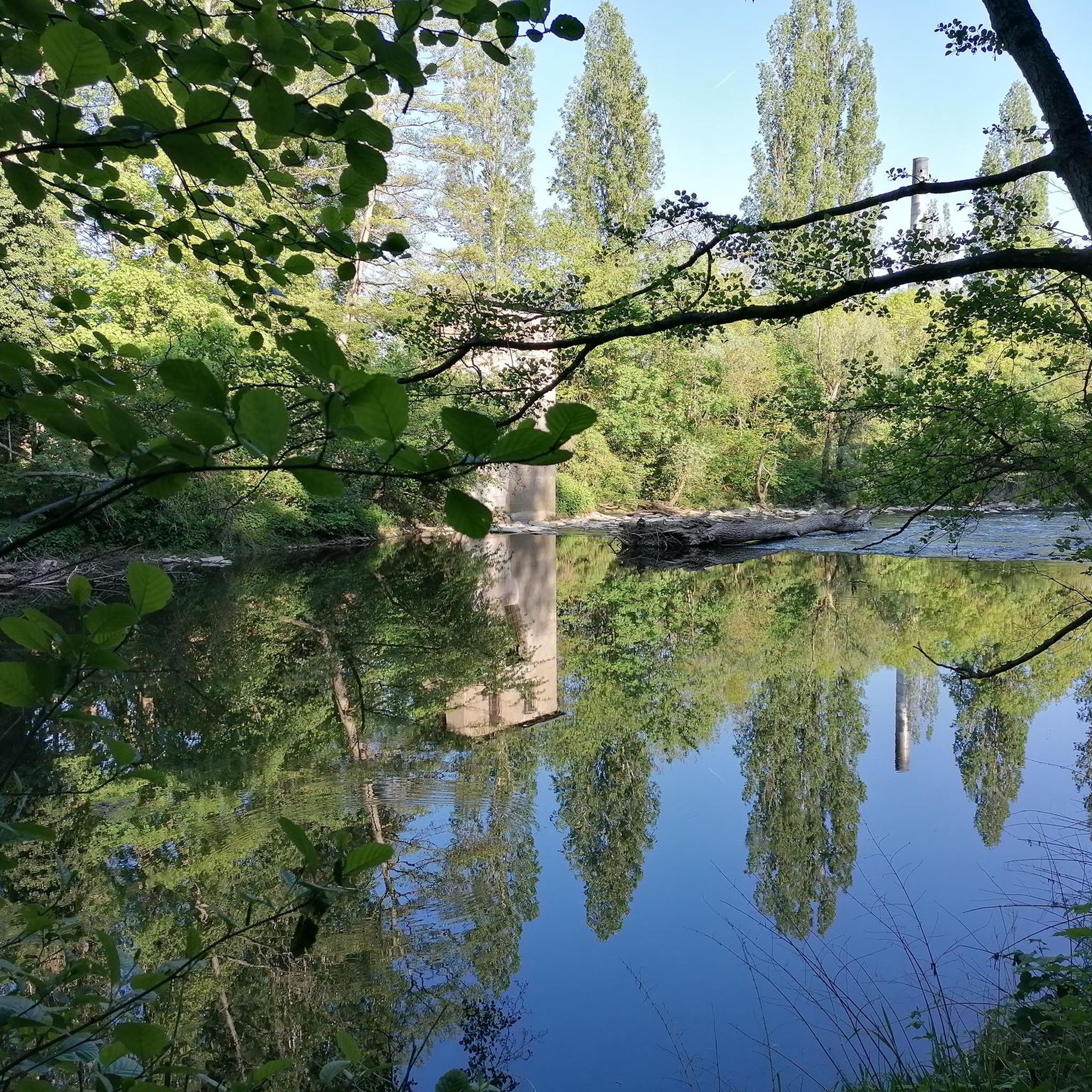

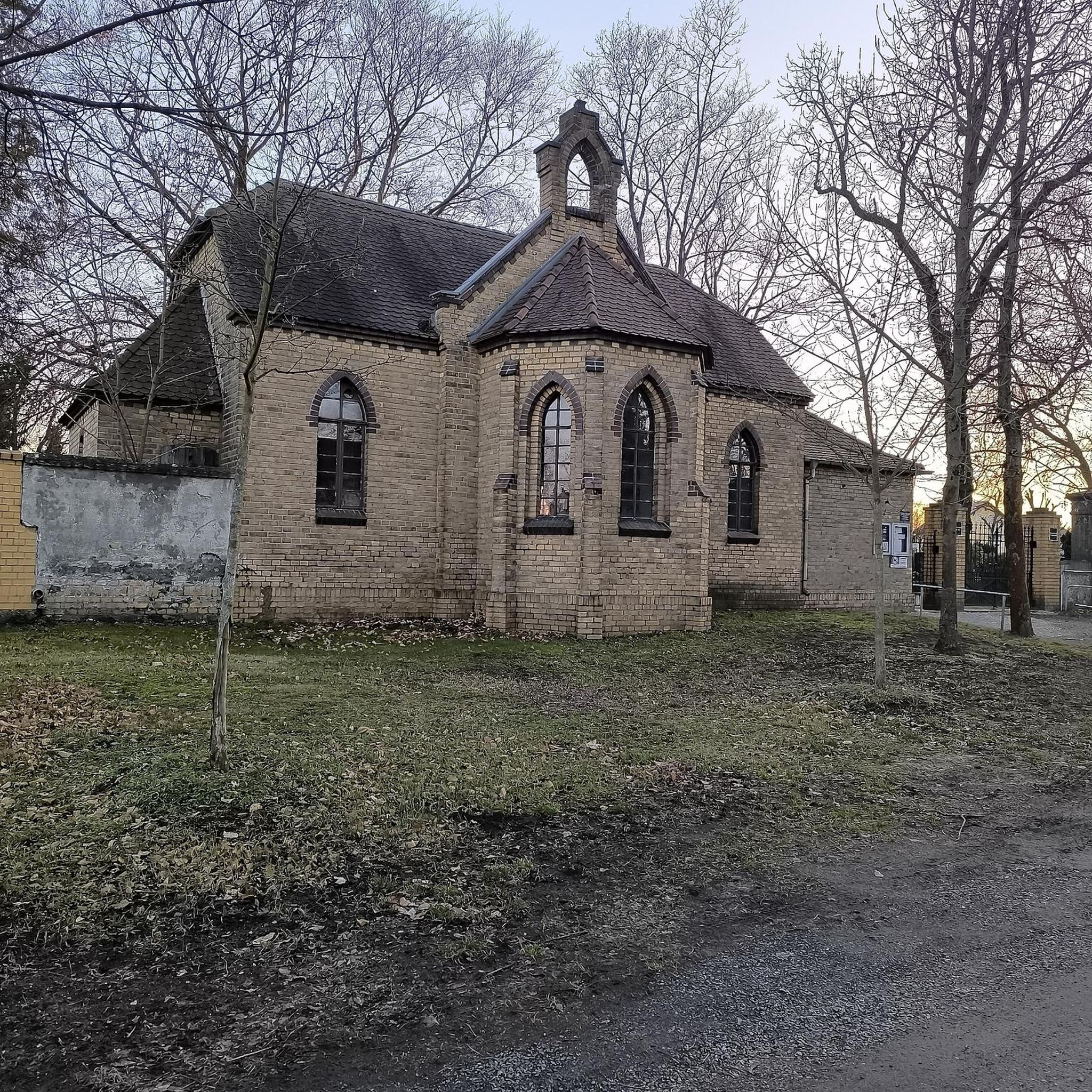
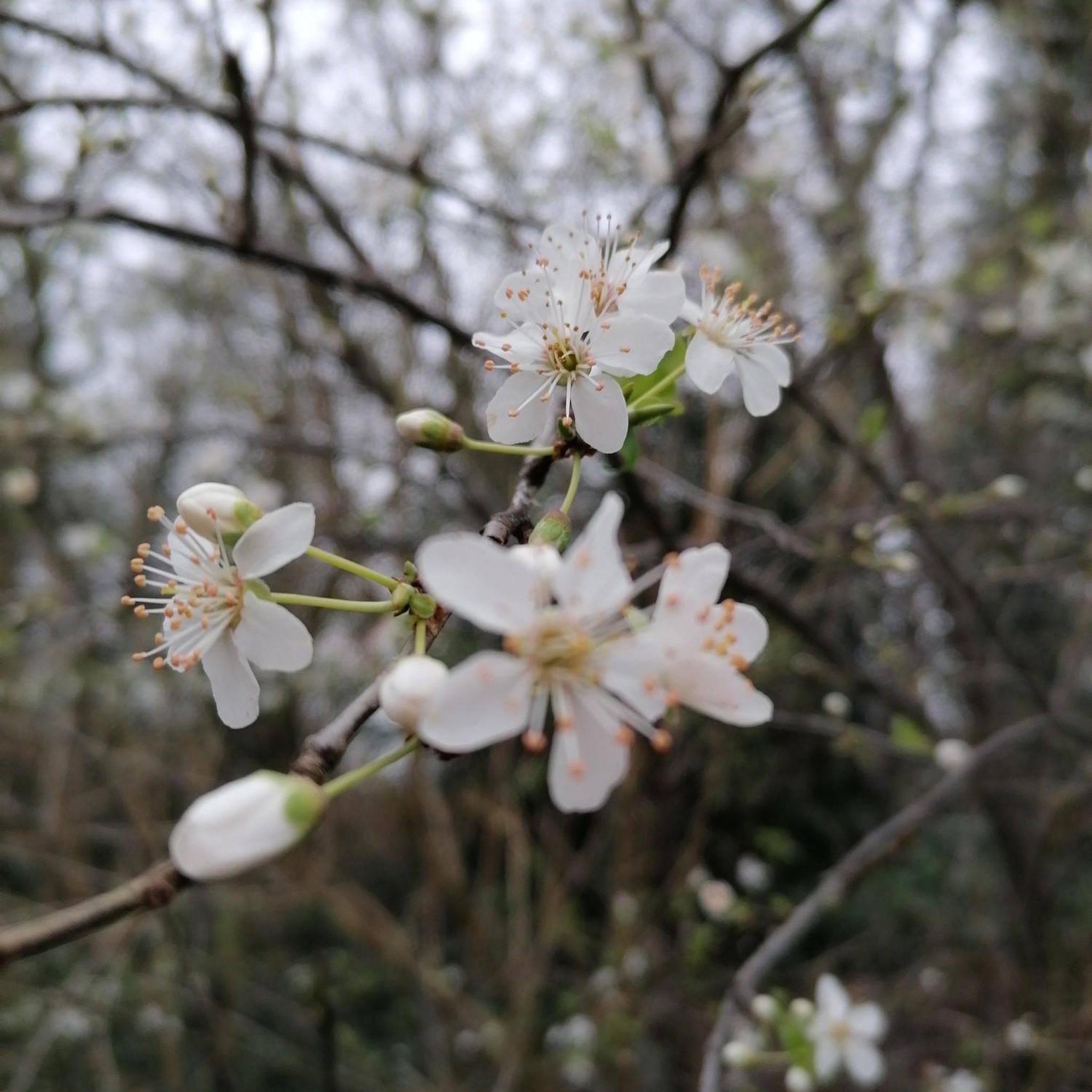
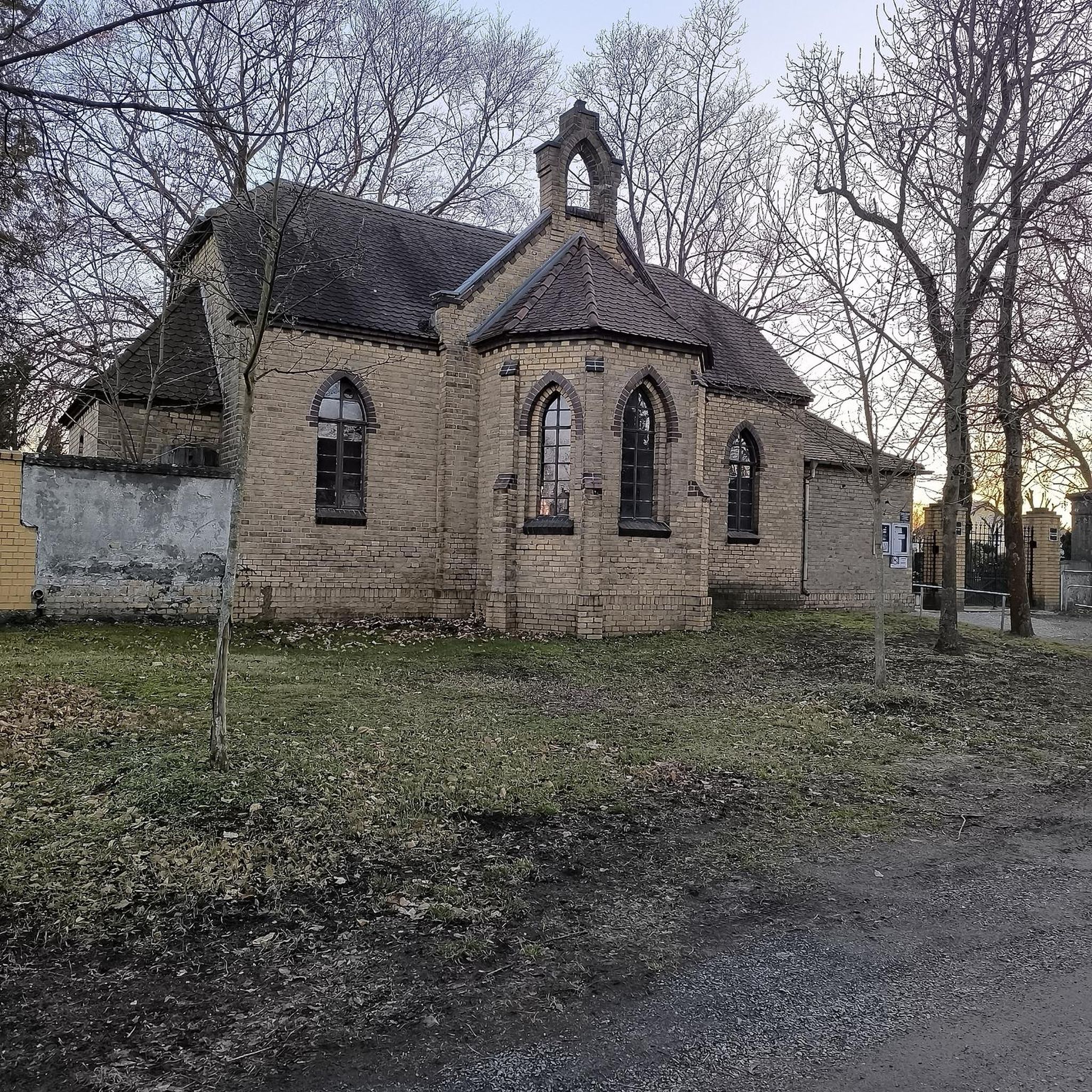
Tips from the Community

"continual slur on Irish caving" It's actually only a few hundred metres is accessible and it's total length is thought to be 2km. No where near the longest cave in Ireland. Consider a trip in only if well equipped with a good light and helmet. Alternatively/also consider visiting McKenzies back lounge just down the road. A much drier watering hole. ;)
1
0

Stunning limestone caves which you can explore on a guided tour. Well worth a visit. There are 150 steps down to the caves so if you are wearing cleats please be aware, or change into a pair of trainers before you descend down into the natural wonder. There is also a cafe on site. For further details please see https://marblearchcaves.co.uk/
0
0

Pollnagollum Cave (meaning Hole of the Dove) is the longest cave system in Ireland. The cave system is complex and fascinating and is fed by a tumbling waterfall that topples off a limestone cliff. Watch your stepping here as rocks can be unstable and slippery, and don't forget your camera for some awesome shots.
3
0
Beautiful cascading waterfalls along Cuilcagh Way, situated at the foothills of Cuilcagh Mountain. These multi-tiered waterfalls are a delightful sight as you wind through a forest of lichen, ferns, and wild seasonal bluebells.
2
0
Marble Arch caves are situated at the picturesque foothills of the Cuilcagh Mountain. They are the longest underground cave system in Northern Ireland (7.1 miles in total) and are said to be the most magnificent in Britain. The caves are regarded as a world-class natural attraction, they are situated in the Cuilcagh Lakelands which is the world's first UNESCO Global Geopark. The caves are only explorable by guided tours which run daily between 10am - 5pm. To secure a spot, visit https://marblearchcaves.co.uk/online-booking-guided-cave-tour/
2
0

Clodagh Glen has a steep sided gorge that is lined by ancient ash trees that cling to the steep sides. The water sculpted river valley has a spectacular arch over the river which formed when the cave roof collapsed. The reserve is known for its limestone gorge, mystical caves and beautiful waterfalls. In the springtime the valley floor is carpeted by bluebells, wood anemones and wild garlic and in the summer silver-washed fritillaries are found besides the path. With a keen eye you may also spot an elusive pint martin and red squirrels!
1
0
The Cuilcagh Mountain Park covers 6,000 acres on the north slopes of the Cuilcagh Mountain. The park was founded in 1998 and works to conserve the bogland and restore damaged peatland. At 665m the mountain is one of the highest points in Ireland. The Limestone rock was formed over 300 million years ago by ocean calcifying organisms when Ireland was covered by shallow tropical sea. With an interesting and varied flora and fauna alongside historic ancient ruins, there is plenty to explore in the park.
1
0

Frequently Asked Questions
What are some of the most notable natural monuments to visit around Glasmullagh?
The Glasmullagh area, spanning parts of County Tyrone, Monaghan, and Fermanagh, offers a variety of natural monuments. Highlights include the multi-tiered Cascades Waterfall, the dramatic Cladagh Glen Waterfall within a steep limestone gorge, and the expansive Cliff Edge of Cuilcagh Mountain offering far-reaching views. You can also explore the unique Pollnagollum Cave and Waterfall, known for its complex cave system.
Are there any waterfalls to explore near Glasmullagh?
Yes, the region is rich in waterfalls. You can visit the beautiful Cascades Waterfall along the Cuilcagh Way, winding through a forest of lichen and ferns. Another must-see is the Cladagh Glen Waterfall, located within a steep-sided limestone gorge, known for its mystical caves and ancient ash trees. Additionally, Pollnagollum Cave and Waterfall features a tumbling waterfall feeding into Ireland's longest cave system.
What kind of geological formations can I expect to see in the Glasmullagh area?
The area boasts diverse geological formations. You'll find limestone gorges, such as the one at Cladagh Glen Waterfall, and impressive cave systems like Pollnagollum Cave. The broader region, particularly County Fermanagh, is home to the UNESCO-recognized Marble Arch Caves Global Geopark, showcasing extensive caves with geological formations, underground rivers, and waterfalls. The distinctive drumlin hills of County Monaghan, a result of the last Ice Age, also create a unique 'basket of eggs' topography.
Are there family-friendly natural attractions around Glasmullagh?
Yes, several natural attractions are suitable for families. Forthill Park Monument and Clock Tower offers a wonderful wooded town park with paved paths, a bandstand, and shrub gardens, ideal for a leisurely family stroll. While some natural monuments like Pollnagollum Cave and Waterfall require careful footing, many forest parks in the surrounding counties, such as Rossmore Forest Park in County Monaghan, provide extensive woodlands and walking trails perfect for families.
Where can I find panoramic views or viewpoints of the natural landscape?
For breathtaking vistas, head to the Cliff Edge of Cuilcagh Mountain, which offers far-reaching views across its 6,000 acres. In County Fermanagh, Lough Navar Forest provides stunning panoramic views over Lower Lough Erne, Donegal Bay, and distant mountains from viewpoints like the Magho Cliffs. The Glasmullagh Stone Circle in County Tyrone also offers expansive views to the south, integrating ancient history with scenic natural surroundings.
What hiking opportunities are available near these natural monuments?
The area around Glasmullagh offers various hiking opportunities. You can find easy hikes, such as the Belmore Forest loop via Pollnagollum Cave or the Marble Arch Caves via Cladagh River. For more options, explore the Easy hikes around Glasmullagh guide, which includes routes like Florence Court loops and trails around Enniskillen Castle.
Can I bring my dog to the natural monuments around Glasmullagh?
Many natural areas and trails around Glasmullagh are dog-friendly, especially those in forest parks and open landscapes. However, it's always best to check specific regulations for each site, as some nature reserves or protected areas might have restrictions, especially concerning wildlife. Always keep dogs on a leash and clean up after them to preserve the natural environment for everyone.
What is the best time of year to visit the natural monuments around Glasmullagh?
The natural monuments around Glasmullagh can be enjoyed year-round, but each season offers a unique experience. Spring brings vibrant colors with bluebells, wood anemones, and wild garlic carpeting forest floors, as seen in Cladagh Glen. Summer is ideal for longer walks and outdoor activities. Autumn showcases magical foliage colors, while winter offers a serene, often misty, landscape, though some trails might be slippery. Always check local weather conditions before your visit.
Are there any historical or archaeological sites that are integrated with the natural landscape?
Yes, the Glasmullagh Stone Circle in County Tyrone is a prime example. While primarily an archaeological monument, its location on a hillside with expansive views and the presence of 'huge quantities of quartz stones scattered in 'rivers' coming down the slope' highlight its deep integration with the natural landscape. Visiting offers a chance to connect with ancient history amidst a scenic, naturally rich environment.
What wildlife might I encounter when visiting the natural monuments?
The diverse habitats around Glasmullagh support various wildlife. In areas like Cladagh Glen, with a keen eye, you might spot elusive pine martens and red squirrels. The wetlands and drumlin landscapes of County Monaghan are home to diverse flora and fauna, while the expansive forests like Lough Navar in County Fermanagh also host a variety of wildlife. Birdwatching is also popular in the lakeland areas.
Are there any other outdoor activities besides hiking near these natural monuments?
Absolutely! The region offers a range of outdoor activities. You can explore gravel biking routes, such as those around Aghanaglack Prehistoric Tomb, or enjoy road cycling around Lough Erne. For more detailed information on these activities, check out the Gravel biking around Glasmullagh guide and the Road Cycling Routes around Glasmullagh guide.
What should I bring for hiking or exploring the natural monuments?
When exploring the natural monuments around Glasmullagh, it's advisable to wear appropriate footwear, as paths can be uneven or slippery, especially near waterfalls like Pollnagollum Cave and Waterfall. Bring waterproof clothing, as the weather can change quickly. Water, snacks, and a map or GPS device are also recommended. For cave exploration, a good light and helmet are essential.
Most popular attractions around Glasmullagh

Get inspired with the komoot mobile app


Explore more
Extend your search for the best caves by checking out these guides of the top ones around Glasmullagh:
