Top 5 Natural Monuments around Burghclere
Natural monuments around Burghclere feature a landscape characterized by rolling hills, ancient sites, and unique ecosystems within Hampshire, England. This area is known for its chalk downland habitats and historical hillforts. Visitors can explore a blend of natural beauty and archaeological interest. The region provides opportunities to experience varied terrain and panoramic views.
Best natural monuments around Burghclere
- The most popular natural monuments is View from Plantation Hill, a viewpoint that offers a wide perspective over the Hampshire countryside.…
Last updated: May 2, 2026
Ladle Hill Iron Age Hillfort
Highlight • Historical Site
Tip by

Ladle Hill
Highlight (Segment) • Viewpoint
Tip by

Sign up now to discover places like this
Get recommendations on the best single tracks, peaks, & plenty of other exciting outdoor places.
Sign up for free
Grimsbury Castle Hillfort
Highlight • Viewpoint
Tip by

View from Plantation Hill
Highlight • Viewpoint
Tip by
View from White Hill
Highlight • Viewpoint
Tip by

Sign up for free to discover even more natural monuments around Burghclere.
Sign up for free
Already have an account?
Start today with a free account
Your next adventure awaits.
Login or Signup
Tips from the Community

Think of Ladle Hill as the Iron Age’s greatest "Incomplete Project." Sitting right next to Watership Down, this hillfort is basically a 2,500-year-old construction site frozen in time. The ancient builders started digging their massive defensive ditches but just… stopped. Because it was never finished, you can clearly see the original "chalk heaps" and work pits, making it an archaeologist’s dream and a hiker's playground. It’s way quieter than its famous neighbors, offering 360-degree views and zero crowds. Perfect for a breezy picnic where you can contemplate why the Celts walked off the job!
0
0
The hillfort on the top of the hill has never been excavated, but the land and ditch are sharply defined and well preserved. This Iron Age fort is roughly rectangular and enclosed seven acres within an embankment and ditch. There are two probable entrances to the east and west. The work seems to have been undertaken by several different labour forces, each working on a section of the defences, but for some reason the task was abandoned and the fort left unfinished. Great to walk along the unfinished ramparts, it's windy and flipping huge!!!
0
0


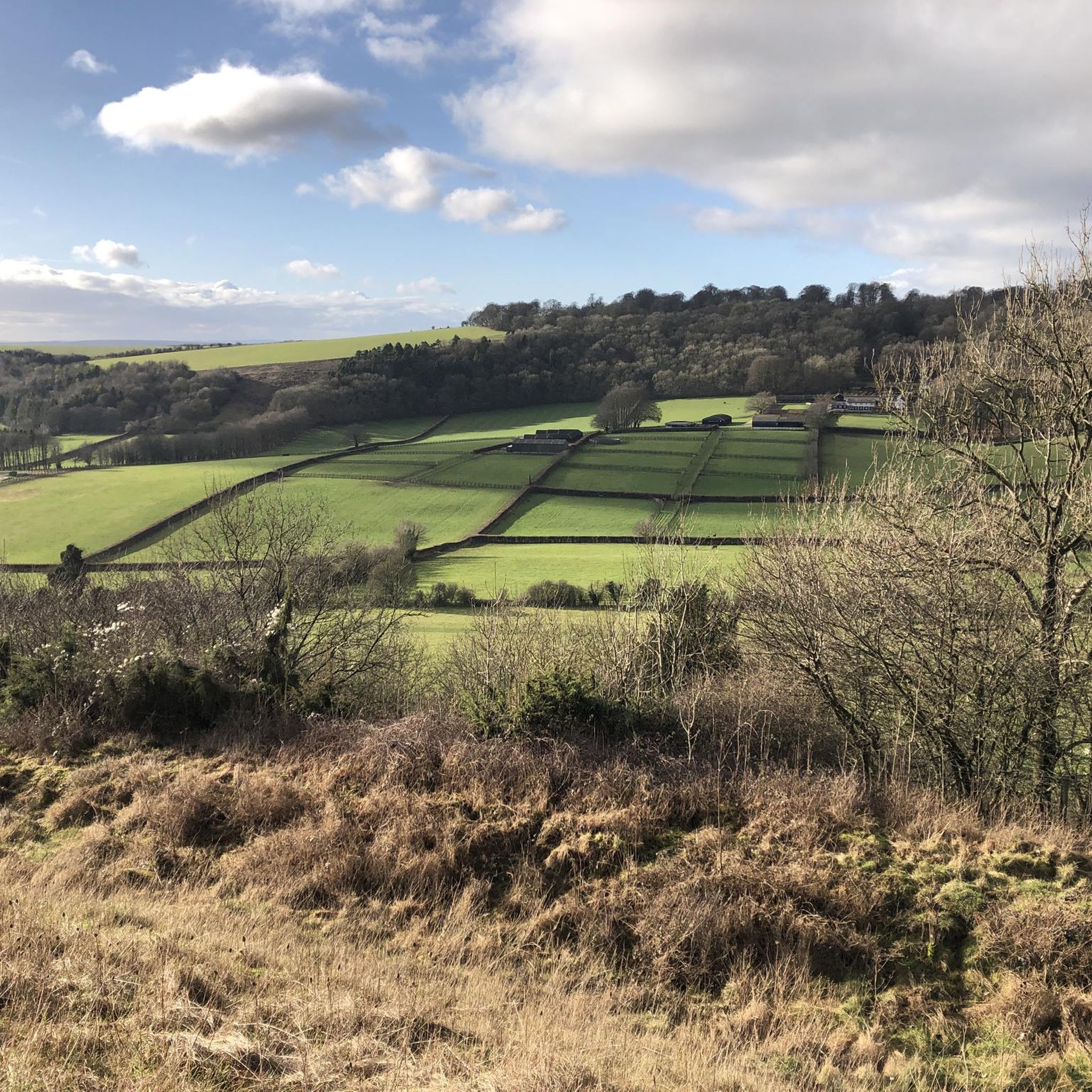
Grimsbury Castle Fort is an Iron Age hillfort situated on top of a high hill in Berkshire. The hillfort would have been occupied between the 2nd and 3rd centuries. It had three original entrances, which the best preserved being the Northern entrance.
1
0
This is a wonderful spot with a lovely display of seasonal wildflowers that bloom within the spring and summer months.
1
0

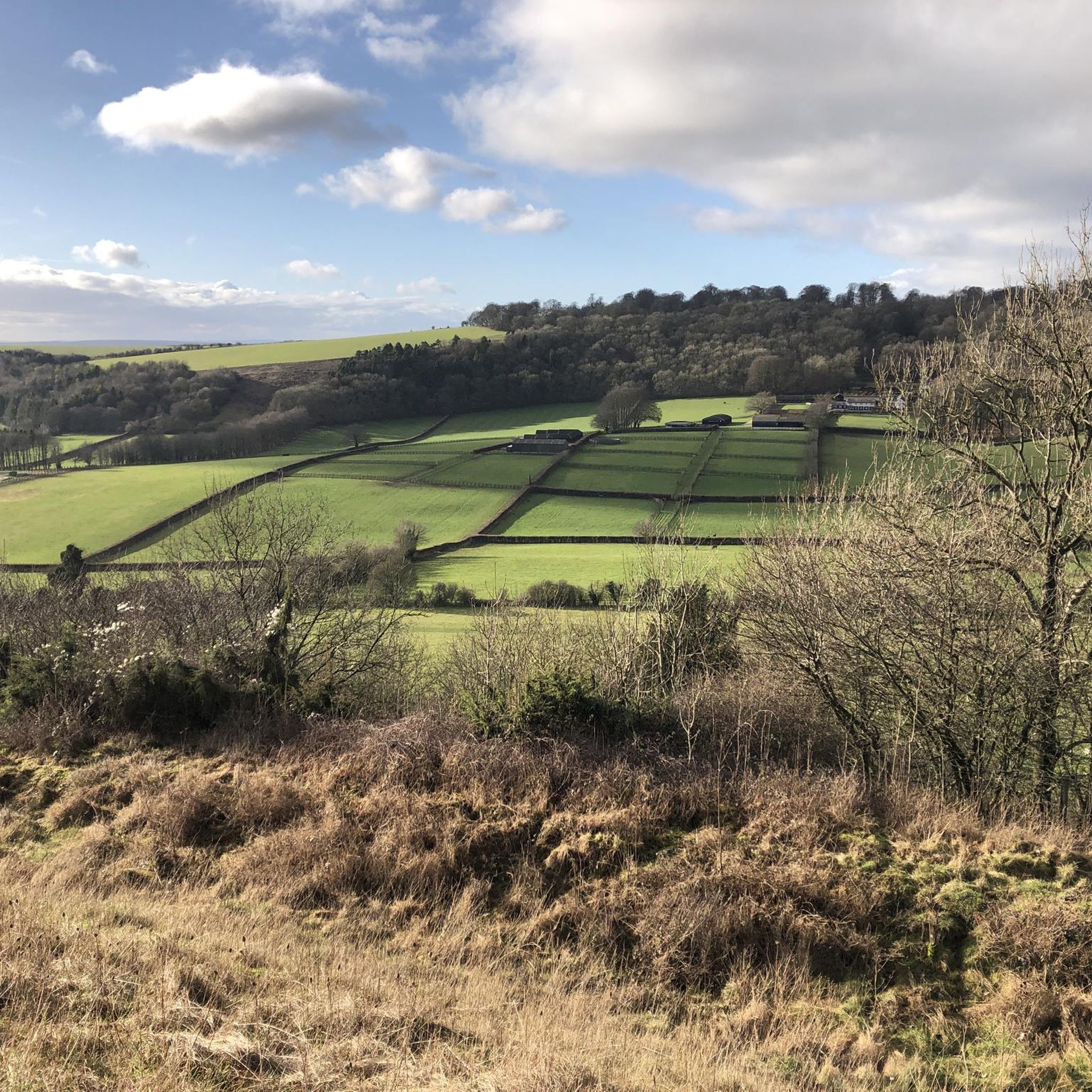
White Hill offers a beautiful view of Cannon Heath Down, the Gallops and The Warren. This is a great place to spot birds, including linnets, yellowhammers, skylarks, buzzards and kestrels.
0
0

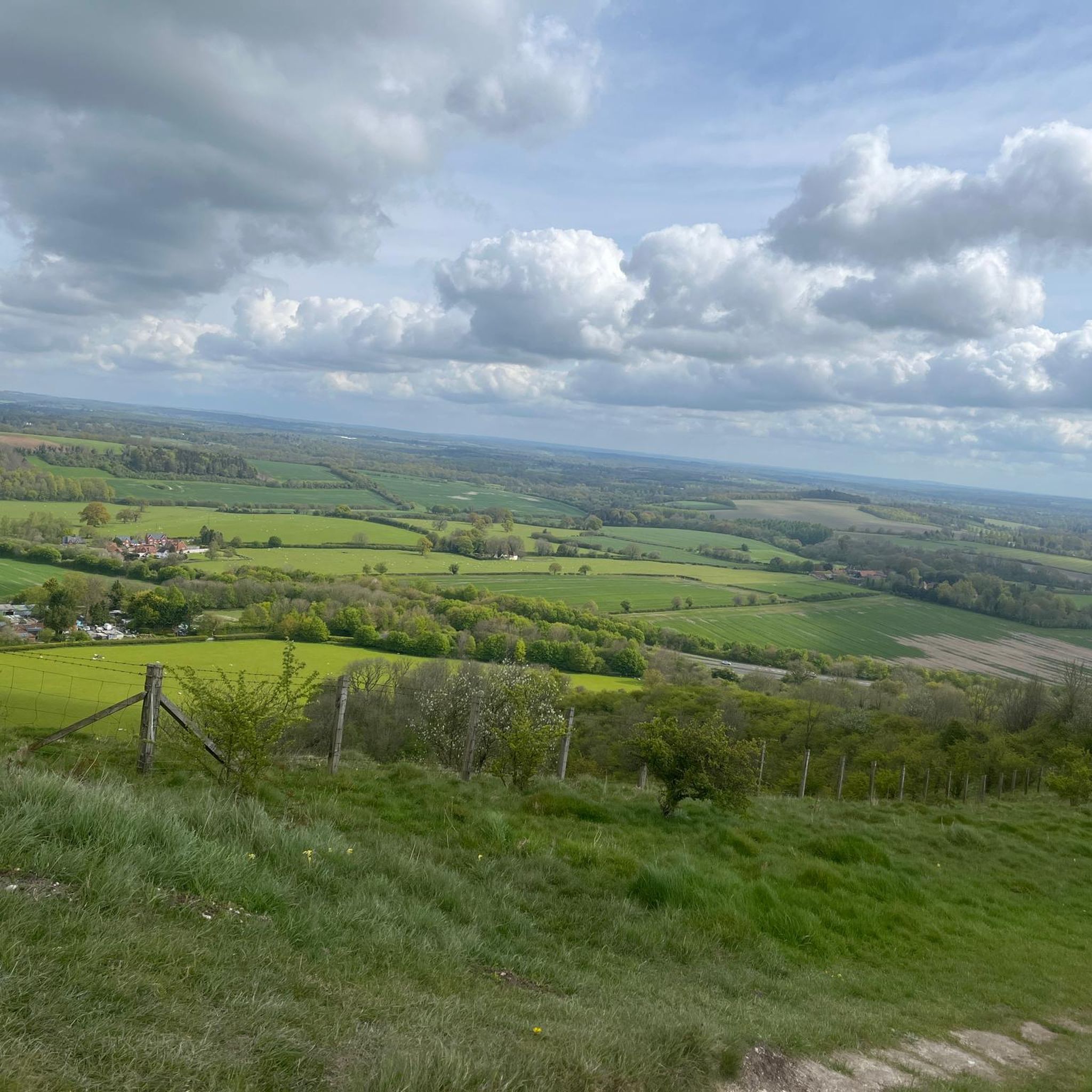
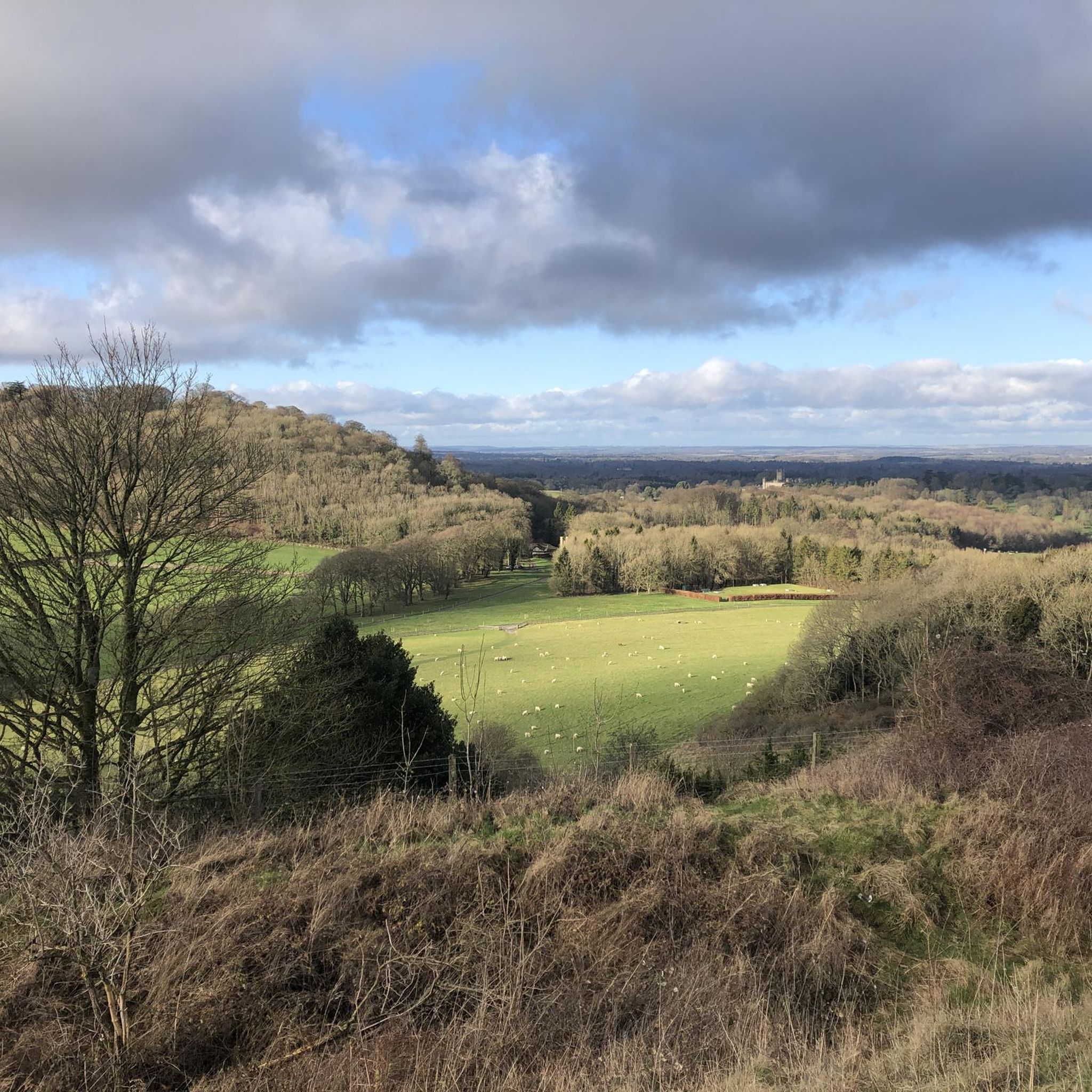
From this spot, you get a wonderful view over the rolling Hampshire countryside. A short distance to the west, you find Cottington Hill and Bowry Walls hill fort.
1
0
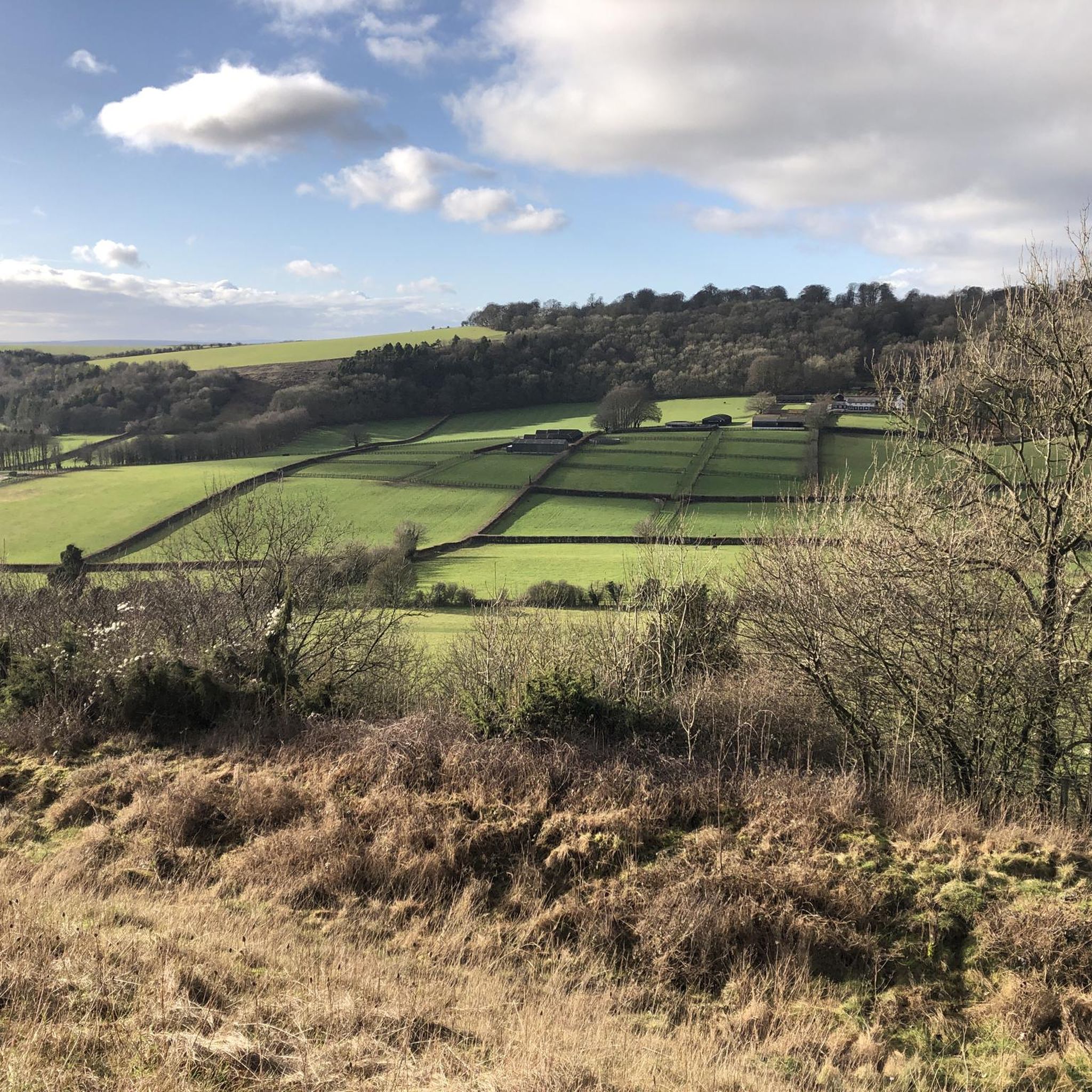
Ladle Hill is a biological Site of Special Scientific Interest and a Scheduled Monument with sublime views. Atop the hill is an Iron Age hill fort that has never been excavated. Ladle Hill is a calcareous grassland chalk downland habitat, which is now scarce in Britain.
1
0
Frequently Asked Questions
What types of natural monuments can I explore around Burghclere?
The Burghclere area offers a diverse range of natural monuments, including ancient Iron Age hillforts, expansive viewpoints with panoramic vistas, and unique chalk grassland habitats. You can experience a blend of historical significance and ecological interest. For example, View from Plantation Hill provides wide perspectives over the Hampshire countryside, while Ladle Hill Iron Age Hillfort combines historical ruins with a rare calcareous grassland.
Are there any historical natural monuments in the Burghclere area?
Yes, the region is rich in historical natural monuments, particularly Iron Age hillforts. Ladle Hill Iron Age Hillfort is a notable example, a Scheduled Monument with an unexcavated hill fort atop a chalk downland. Another significant site is Grimsbury Castle Hillfort, an Iron Age fort situated on a high hill in Berkshire, featuring well-preserved entrances.
What kind of wildlife and natural features can I observe at these sites?
The natural monuments around Burghclere are excellent for observing diverse wildlife and unique ecosystems. Sites like Old Burghclere Lime Quarry, a Nature Reserve and SSSI, are known for their rich plant communities, including species like White Helleborine and Fly Orchid, and support butterflies such as the Small Blue. At View from White Hill, you can spot various bird species, including linnets, yellowhammers, skylarks, buzzards, and kestrels.
Are there family-friendly natural monuments or walks suitable for children?
Many natural monuments in the Burghclere area offer trails suitable for families. While specific 'family_friendly' tags are limited, locations like View from White Hill are generally accessible for walks. The Herbert Plantation and Common Land, a Local Nature Reserve, features ancient woodland and a network of paths perfect for delightful short walks that families can enjoy.
What outdoor activities can I do near these natural monuments?
The area around Burghclere is ideal for various outdoor activities. You can find numerous hiking, cycling, and mountain biking routes. For hiking, explore options like the 'Burghclere & Windsbolts Hill Plantation loop' or 'Rolling hills – Trail marker loop from Burghclere'. Mountain bikers can find routes such as 'Ladle Hill Iron Age Hillfort – Watership Down Hill loop'. Cyclists might enjoy the 'Kintbury Canal Side loop'. You can find more details on these activities in the hiking, cycling, and MTB guides for Burghclere.
What is the best time of year to visit the natural monuments around Burghclere?
The natural monuments around Burghclere can be enjoyed year-round, but each season offers a different experience. Spring and summer are ideal for seeing wildflowers, especially at sites like Ladle Hill, and for butterfly spotting at Old Burghclere Lime Quarry. Autumn brings beautiful foliage to areas like Herbert Plantation. For clear views and crisp walks, late spring to early autumn is generally recommended, though winter walks can also be rewarding.
Are there any natural monuments that offer extensive views?
Yes, the Burghclere area is known for its stunning viewpoints. View from Plantation Hill offers a wonderful panorama over the rolling Hampshire countryside. Similarly, View from White Hill provides beautiful vistas of Cannon Heath Down, The Gallops, and The Warren. Watership Down also offers high viewpoints and extensive scenic beauty after a steep climb.
Are dogs allowed at the natural monuments in Burghclere?
Many natural monuments and trails in the Burghclere area are dog-friendly, especially those on public footpaths and common land like Herbert Plantation. However, it's always advisable to keep dogs on a lead, particularly in areas with livestock or sensitive wildlife habitats, such as the calcareous grasslands at Ladle Hill or Old Burghclere Lime Quarry. Always check local signage for specific rules.
Are there any permits required to access certain natural monuments?
While most public footpaths and natural monuments are freely accessible, some sensitive sites may require permits. For instance, due to its delicate ecosystem, access to Old Burghclere Lime Quarry, an important Nature Reserve and SSSI, requires a permit from Hampshire Wildlife Trust. It's always best to check with local authorities or conservation trusts for specific access requirements before visiting.
Where can I find parking for visiting these natural monuments?
Parking availability varies by location. For popular sites like Ladle Hill and Watership Down, there are often small car parks or roadside parking areas nearby. For trails within the North Wessex Downs AONB, designated parking spots are usually indicated. It's recommended to research specific parking options for your chosen natural monument before your visit, as some smaller sites may only have limited or informal parking.
Are there cafes or pubs near the natural monuments in Burghclere?
Yes, you can find cafes and pubs in and around Burghclere that are convenient for visitors to the natural monuments. The village of Burghclere itself, and nearby towns, offer establishments where you can refresh after your outdoor adventures. While not directly adjacent to every monument, they are typically a short drive away, providing options for food and drink.
What makes Ladle Hill a significant natural monument?
Ladle Hill Iron Age Hillfort is significant for several reasons. It is a biological Site of Special Scientific Interest (SSSI) and a Scheduled Monument, featuring an unexcavated Iron Age hill fort. Its calcareous grassland chalk downland habitat is increasingly rare in Britain, making it ecologically important. The site also offers sublime views of the surrounding countryside, blending historical interest with natural beauty.
What is the terrain and difficulty like for walks around Burghclere's natural monuments?
The terrain around Burghclere's natural monuments often involves rolling hills and chalk downland, which can include steep climbs, especially at sites like Watership Down or White Hill View, North Wessex Downs. Walks can range from easy, short loops in areas like Herbert Plantation to moderate or difficult routes involving significant elevation changes. It's advisable to wear appropriate footwear and check route details for specific difficulty grades.
Most popular routes around Burghclere
Most popular attractions around Burghclere

Get inspired with the komoot mobile app


Explore more
Extend your search for the best caves by checking out these guides of the top ones around Burghclere:
