Top 6 Natural Monuments around Bentworth
Best natural monuments around Bentworth offer a blend of tranquil woodlands and unique botanical features within Hampshire, England. The area is characterized by its picturesque village setting and opportunities for outdoor exploration amidst natural beauty. Visitors can discover ancient trees, expansive woodlands, and historical earthworks that contribute to the region's distinct natural landscape. These natural attractions provide peaceful settings for walks and enjoying local wildlife.
Best natural monuments around Bentworth
- The most popular natural monuments is Ancient Yew Tree at…
Last updated: June 29, 2026
Ancient Yew Tree at St. Mary’s Church, South Downs National Park
Highlight • Historical Site
Tip by

Abbotstone Iron Age Fort and Nature Reserve
Highlight • Viewpoint
You will …
Tip by

Sign up now to discover places like this
Get recommendations on the best single tracks, peaks, & plenty of other exciting outdoor places.
Sign up for free
Bluebell Copse, South Downs National Park
Highlight • Natural Monument
Tip by

Spy Bush Plantation
Highlight (Segment) • Trail
Tip by

Noar Hill Hanger
Highlight (Segment) • Forest
Tip by

Start today with a free account
Your next adventure awaits.
Login or Signup
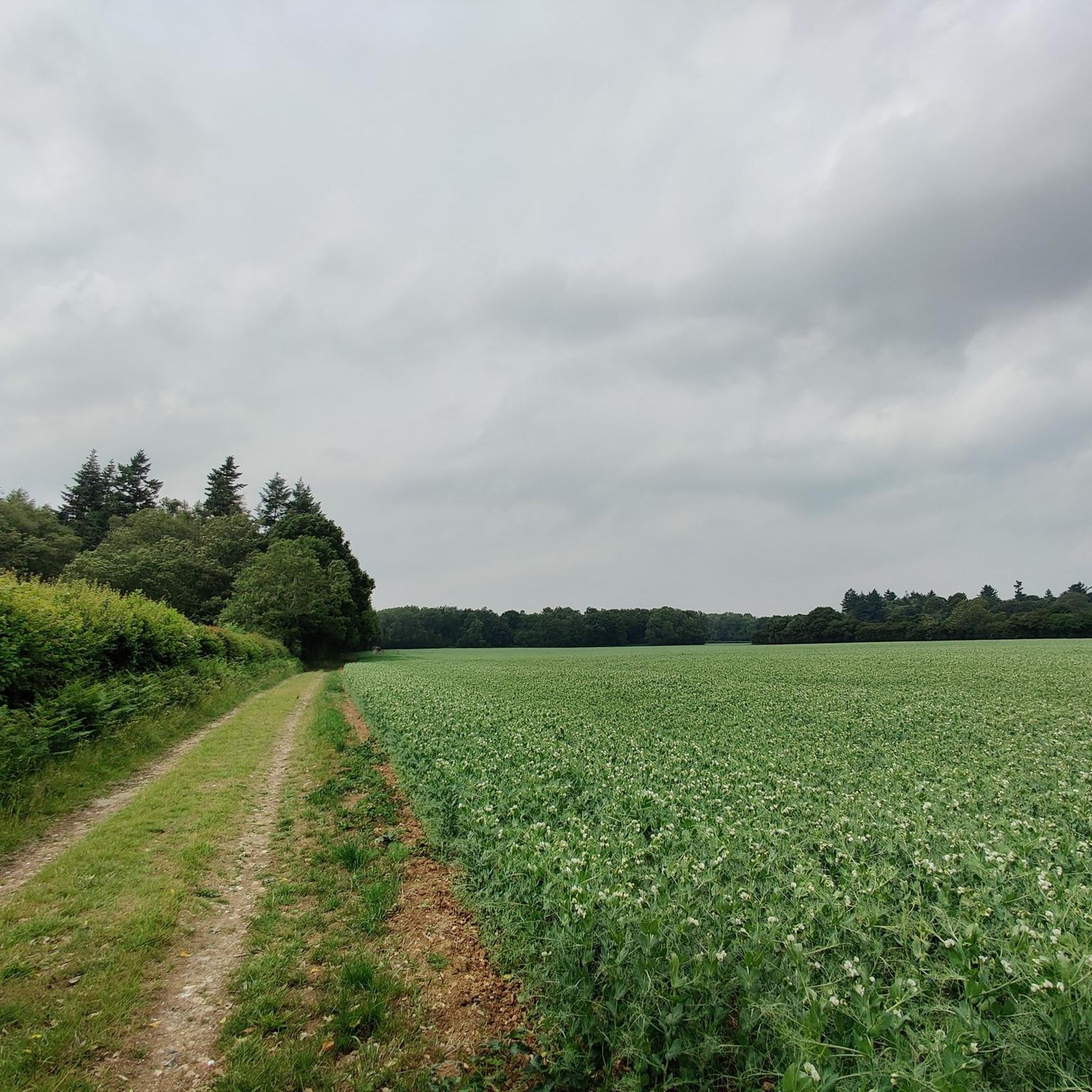
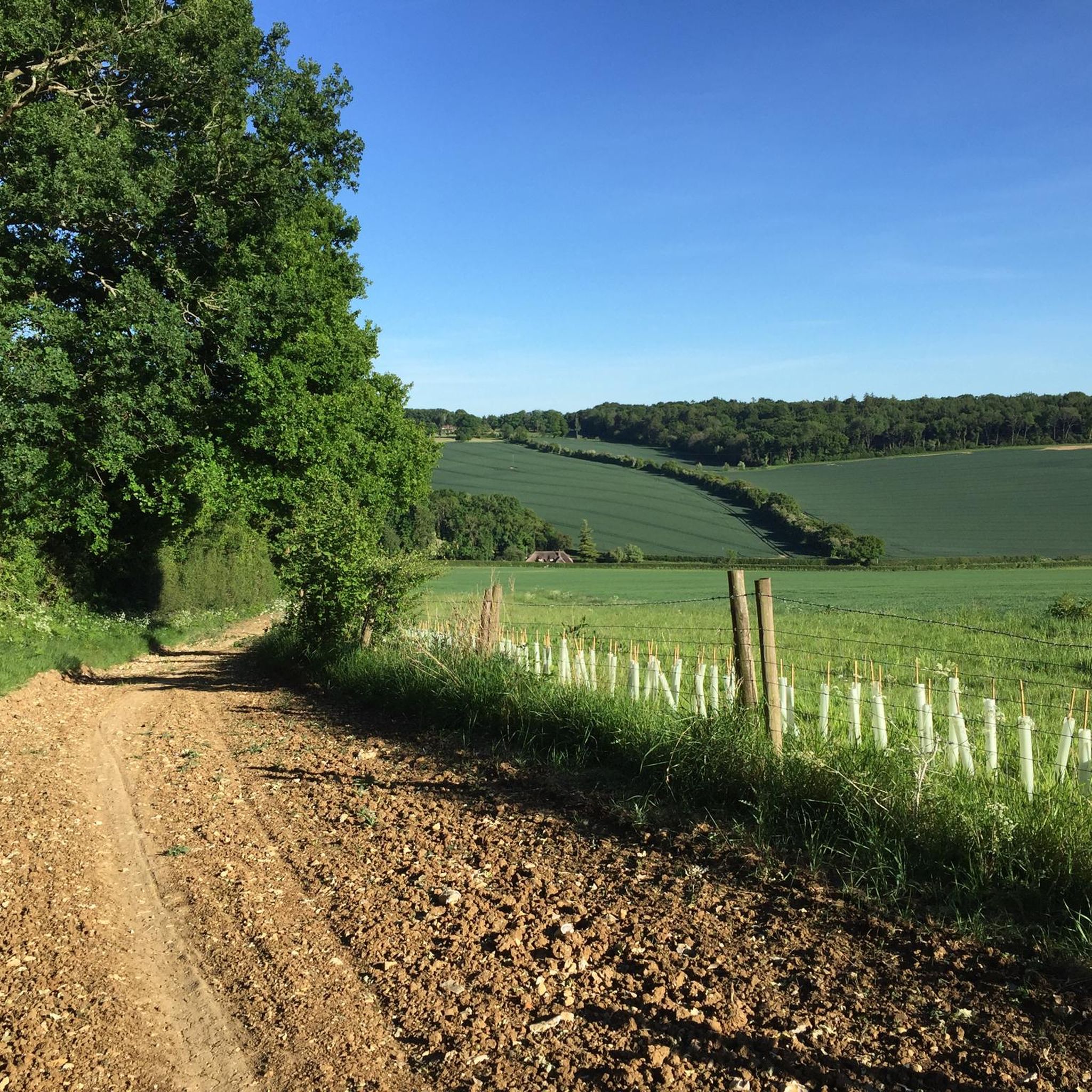
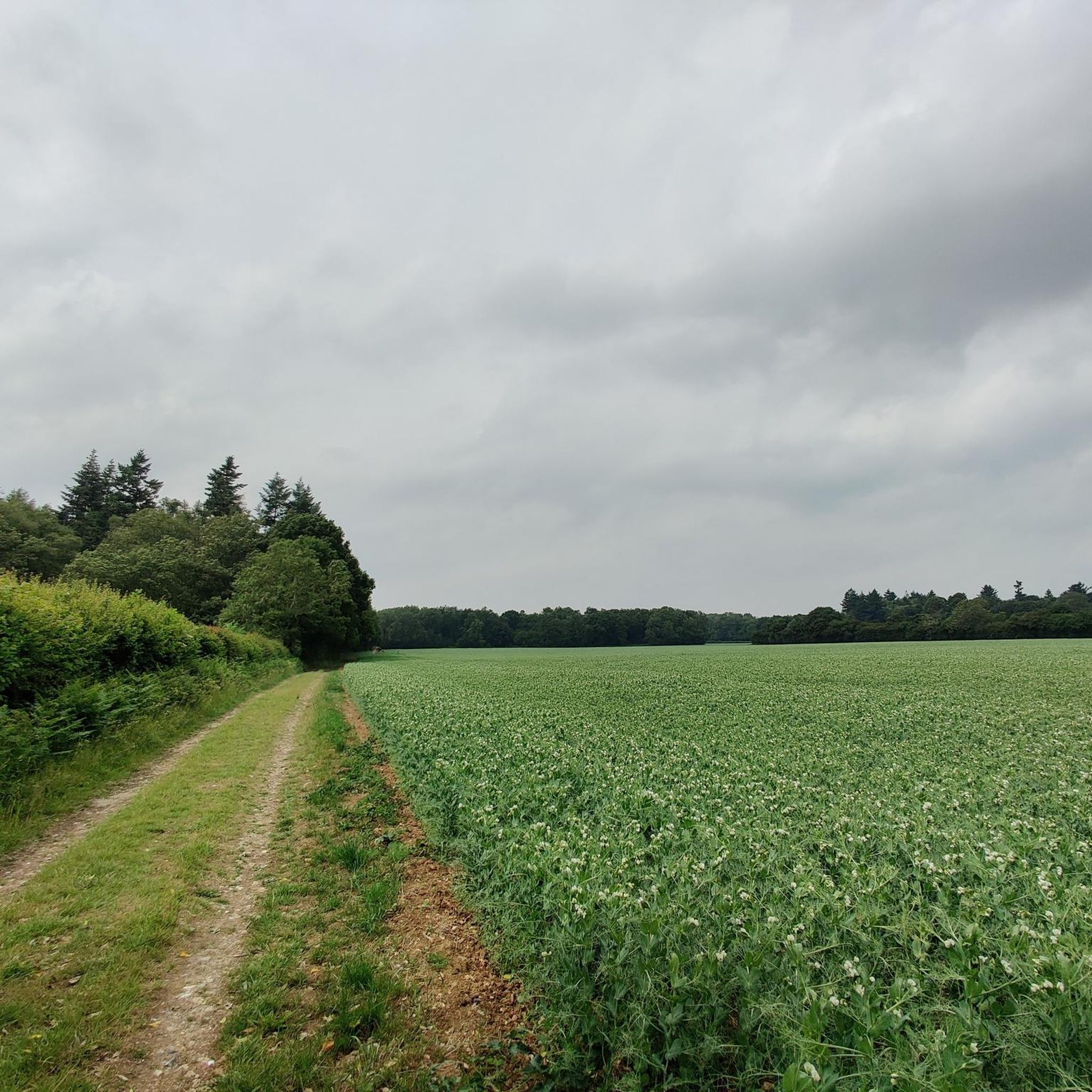
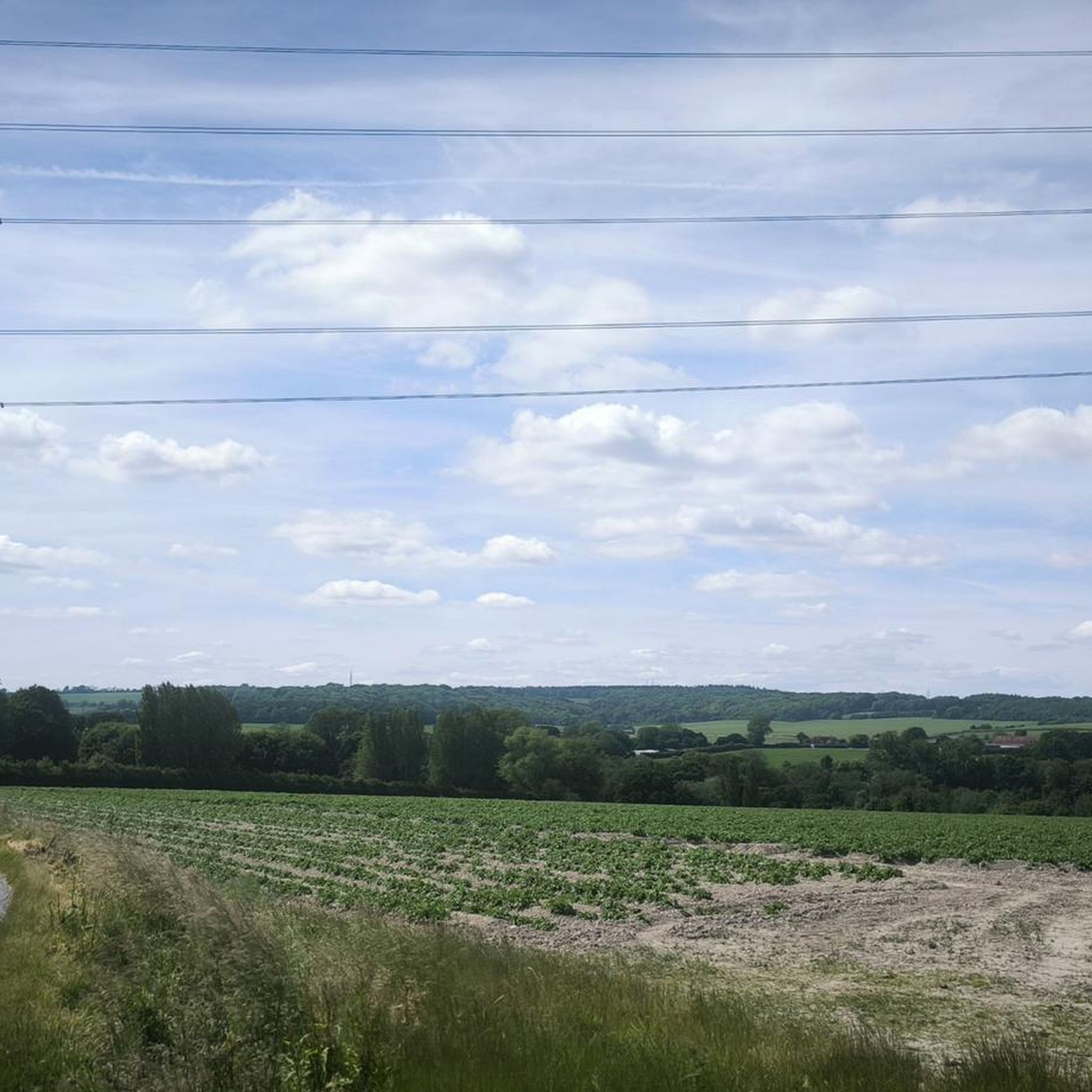
Tips from the Community

I'm glad I included this church yard in my hike. It was a pleasant detour. I recommend it.
0
0
It wasn't the right time of year. But this is still a great spot for a weekend visit in any season.
0
0

It was a struggle to find the correct tree for me.
0
0
Signage could be better, not suitable for twilight walks.
0
0

The bluebells are normally out for two weeks from mid-April.
0
0

Best to visit in late April as we did.
0
0

Noar Hill Hanger boasts a steep and captivating hillside lined with a beech woodland. This site is a prominent feature of the Hampshire Hangers, a ridge that stretches across East Hampshire. The defining hallmark of this ridge is the presence of ancient beech trees on the steep slopes creating majestic canopies along its verdant trails.
1
0

An example of a late bronze age to early iron age univallate hill fort. Some of the ramparts and ditches have been infilled but what remains is clear. You will have to ride up or push up a section of off road trail to view this properly.
1
0
Frequently Asked Questions
What kind of natural monuments can I expect to find around Bentworth?
Bentworth's natural monuments primarily feature tranquil woodlands, unique botanical specimens, and historical earthworks rather than grand geological formations. You'll discover ancient trees, areas renowned for seasonal floral displays like bluebells, and picturesque settings for walks.
When is the best time to visit Bentworth's natural monuments, especially for bluebells?
The best time to visit for bluebells is typically in late April to early May. For instance, Bluebell Copse, South Downs National Park is particularly stunning when the bluebells are out for about two weeks during this period. Moundsmere Bluebell Woods and Preston Oak Hills Bluebell Woodland are also vibrant with bluebells in May. Generally, mid-spring to mid-autumn offers vibrant life and color in the woodlands.
Are there any historical natural monuments in the Bentworth area?
Yes, several natural monuments in the area have historical significance. The Ancient Yew Tree at St. Mary’s Church, South Downs National Park is one of the oldest Yew trees in the UK. You can also explore Abbotstone Iron Age Fort and Nature Reserve, which features remnants of a late Bronze Age to early Iron Age hill fort. Additionally, Spy Bush Plantation hides a tumulus and a veteran yew tree within its woodland.
Are the natural monuments around Bentworth suitable for families?
Many natural monuments in Bentworth are family-friendly. For example, the Ancient Yew Tree at St. Mary’s Church is an interesting historical site for all ages, and Bluebell Copse offers serene walks that families can enjoy, especially during the bluebell season.
What hiking opportunities are available near Bentworth's natural monuments?
There are numerous hiking opportunities near Bentworth's natural monuments. You can find various routes, including easy to moderate trails, that pass through woodlands and fields. For detailed hiking routes, you can explore the Hiking around Bentworth guide, which includes routes like the 'Nice Downhill – Moundsmere Bluebell Woods loop' and 'South Lease Copse – Stubbins Copse loop'.
Are there any unique botanical features to see in Bentworth?
Beyond the extensive bluebell woodlands, Bentworth is home to a unique botanical point of interest: a Holy Thorn of Glastonbury planted in 1962 near St Mary's Church. This special hawthorn flowers twice a year, in winter and spring, making it a noteworthy natural and cultural feature. The ancient yew trees found in the area, such as the one at St. Mary's Church, are also significant botanical specimens.
Where can I find ancient trees in Bentworth?
Bentworth is known for its ancient trees. The most prominent is the Ancient Yew Tree at St. Mary’s Church, South Downs National Park, which is one of the oldest in the UK. Spy Bush Plantation also features a veteran yew tree, and Noar Hill Hanger boasts majestic ancient beech trees along its steep slopes.
What are the natural monuments like during winter?
During winter, Bentworth's woodlands offer peaceful settings for walks, though they can be muddy. The unique Holy Thorn of Glastonbury near St Mary's Church provides a special sight as it flowers in winter. While bluebells are not present, the bare trees and quiet atmosphere provide a different kind of natural beauty.
Are there viewpoints among the natural monuments in Bentworth?
Yes, you can find viewpoints offering scenic vistas. Abbotstone Iron Age Fort and Nature Reserve provides elevated views of the surrounding countryside. Additionally, Noar Hill Hanger, part of the Hampshire Hangers, offers captivating views from its steep, beech-wooded hillside.
What do visitors enjoy most about the natural monuments in Bentworth?
Visitors particularly enjoy the tranquil beauty of the woodlands, especially the extensive bluebell displays in spring. The historical significance of sites like the Ancient Yew Tree and the Iron Age Fort also captivates many. The peaceful settings for walks and the opportunity to observe local wildlife are frequently highlighted as appealing aspects of the area.
Can I bring my dog to the natural monuments in Bentworth?
Many of the natural areas and woodlands around Bentworth are suitable for dog walking. However, it's always recommended to keep dogs on a lead, especially during nesting seasons or when livestock are present, and to check for any specific local signage regarding dog access.
Are there any running trails near the natural monuments?
Yes, the area offers various running trails. You can find routes of different difficulties, from moderate to difficult, that pass through the scenic countryside and woodlands. For specific running routes, refer to the Running Trails around Bentworth guide, which includes options like the 'Lye Copse – Gaston Wood loop' and 'Bighton Wood loop'.
Most popular routes around Bentworth
Most popular attractions around Bentworth

Get inspired with the komoot mobile app


Explore more
Extend your search for the best caves by checking out these guides of the top ones around Bentworth:
