Top 20 Natural Monuments around Crowell
Best natural monuments around Crowell offer a diverse landscape for exploration. This region features chalk escarpments, ancient woodlands, and wetland habitats. Visitors can find areas managed for wildlife conservation and geological interest. The natural features provide opportunities for observing varied ecosystems and historical land use.
Best natural monuments around Crowell
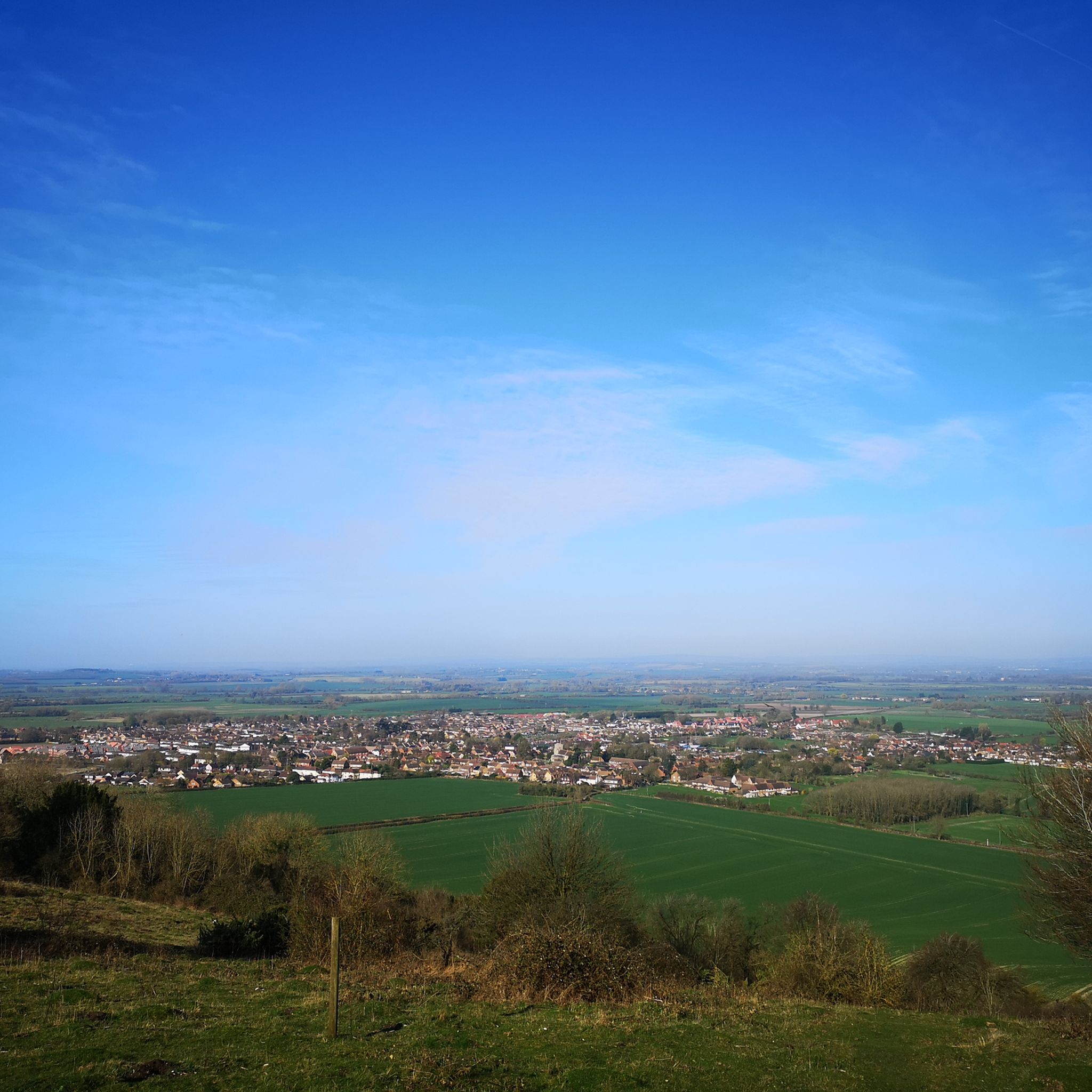
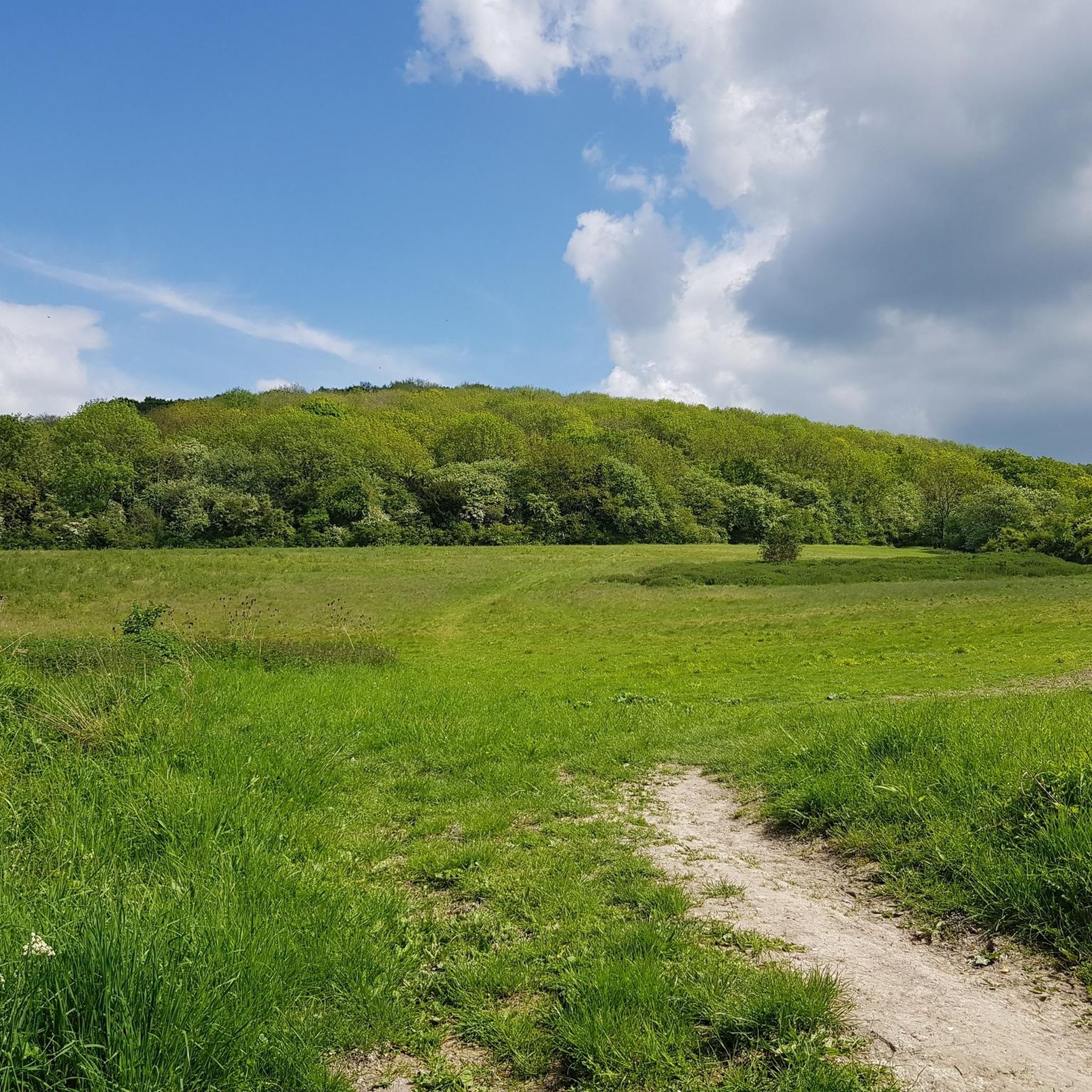
- The most popular natural monuments is Watlington Hill, a forest and natural monument that is part of the Chiltern Escarpment. It consists of 45 hectares of land and reaches…
Last updated: June 29, 2026
Watlington Hill
Highlight • Forest
Tip by

Watlington White Mark
Highlight • Natural Monument
Tip by
Sign up now to discover places like this
Get recommendations on the best single tracks, peaks, & plenty of other exciting outdoor places.
Sign up for free
Old Kiln Lakes Wetland Habitat
Highlight • Natural
Tip by

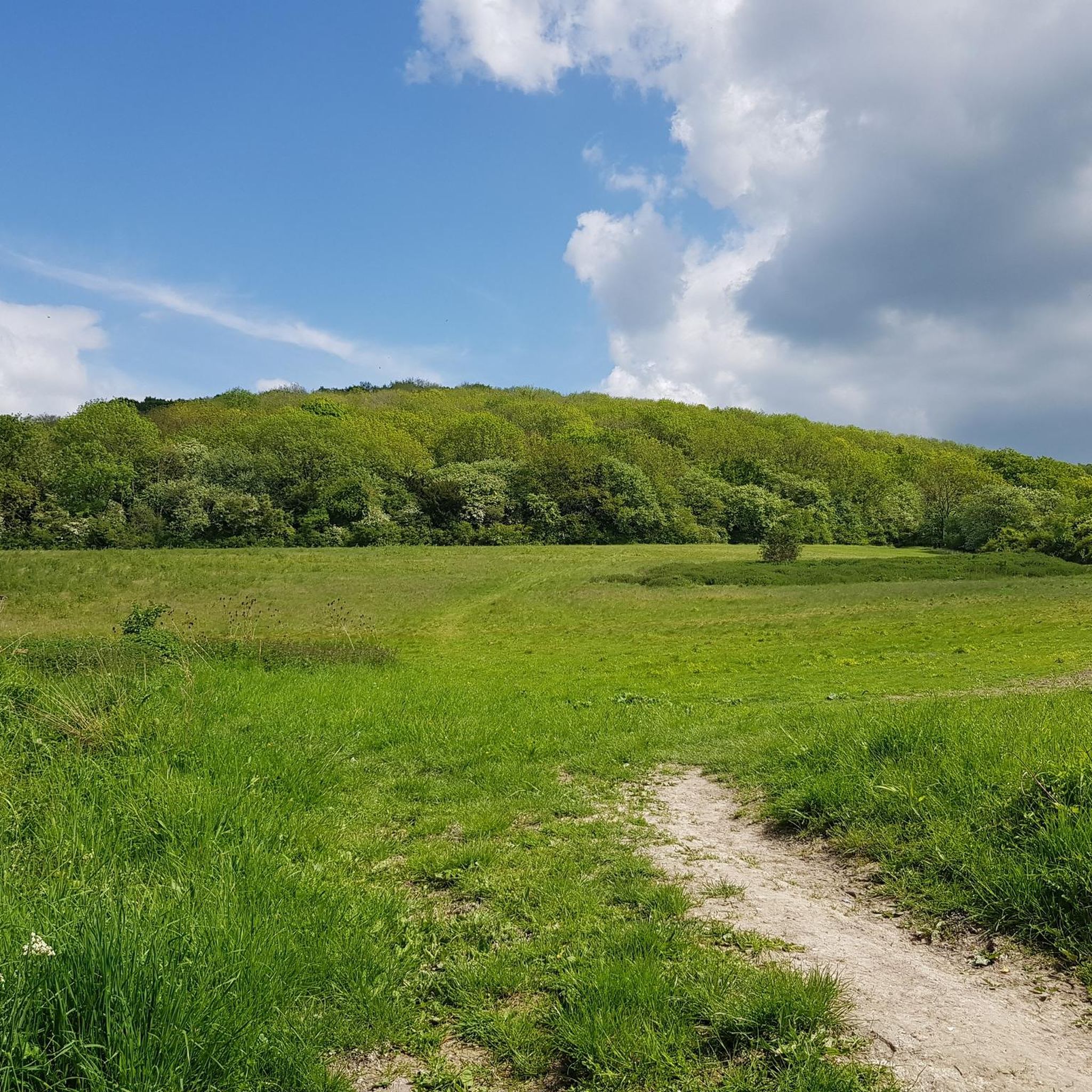
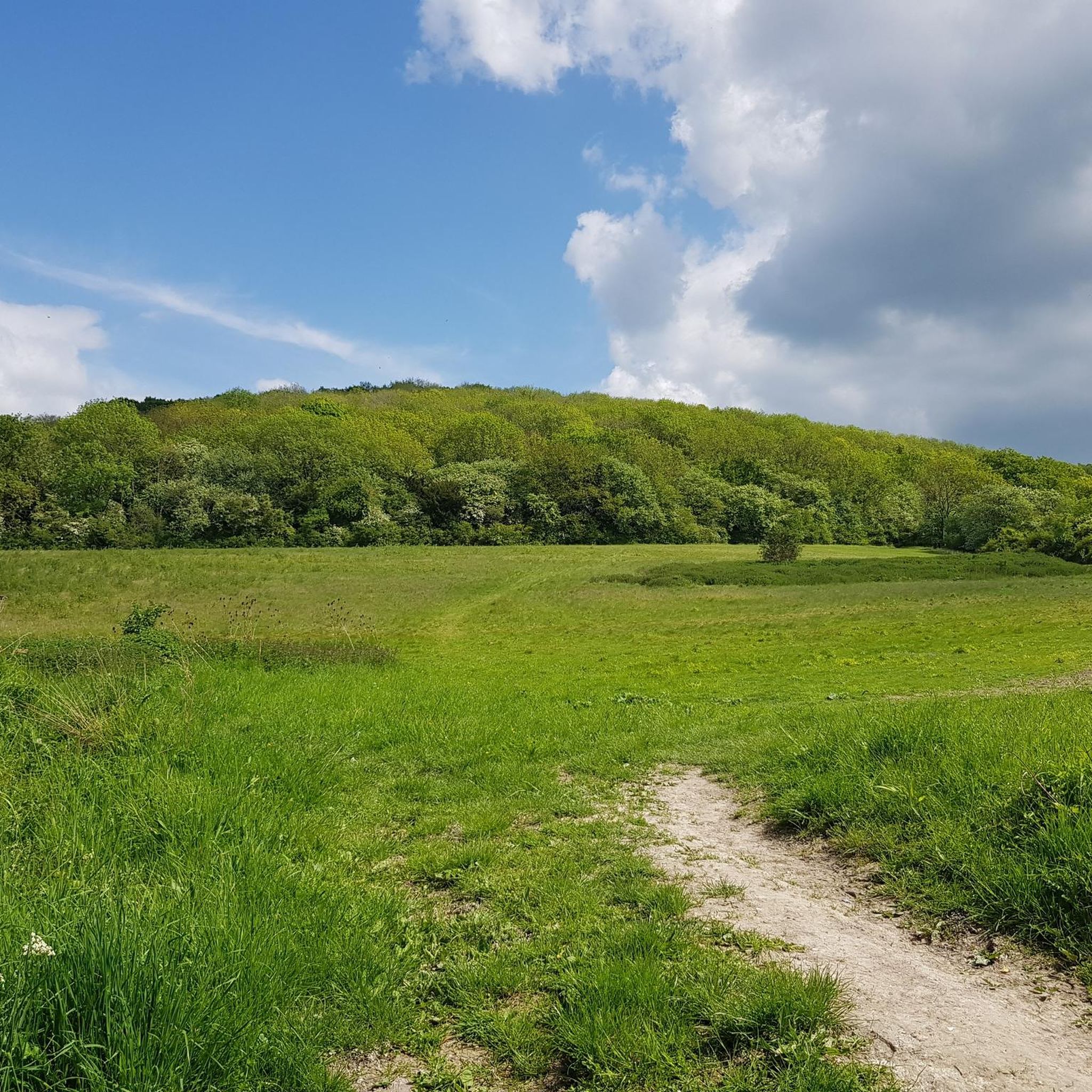
Cowleaze Wood Bluebells
Highlight (Segment) • Forest
Tip by
Pond in Park Wood
Highlight • Lake
Tip by
Sign up for free to discover even more natural monuments around Crowell.
Sign up for free
Already have an account?
Start today with a free account
Your next adventure awaits.
Login or Signup
Tips from the Community

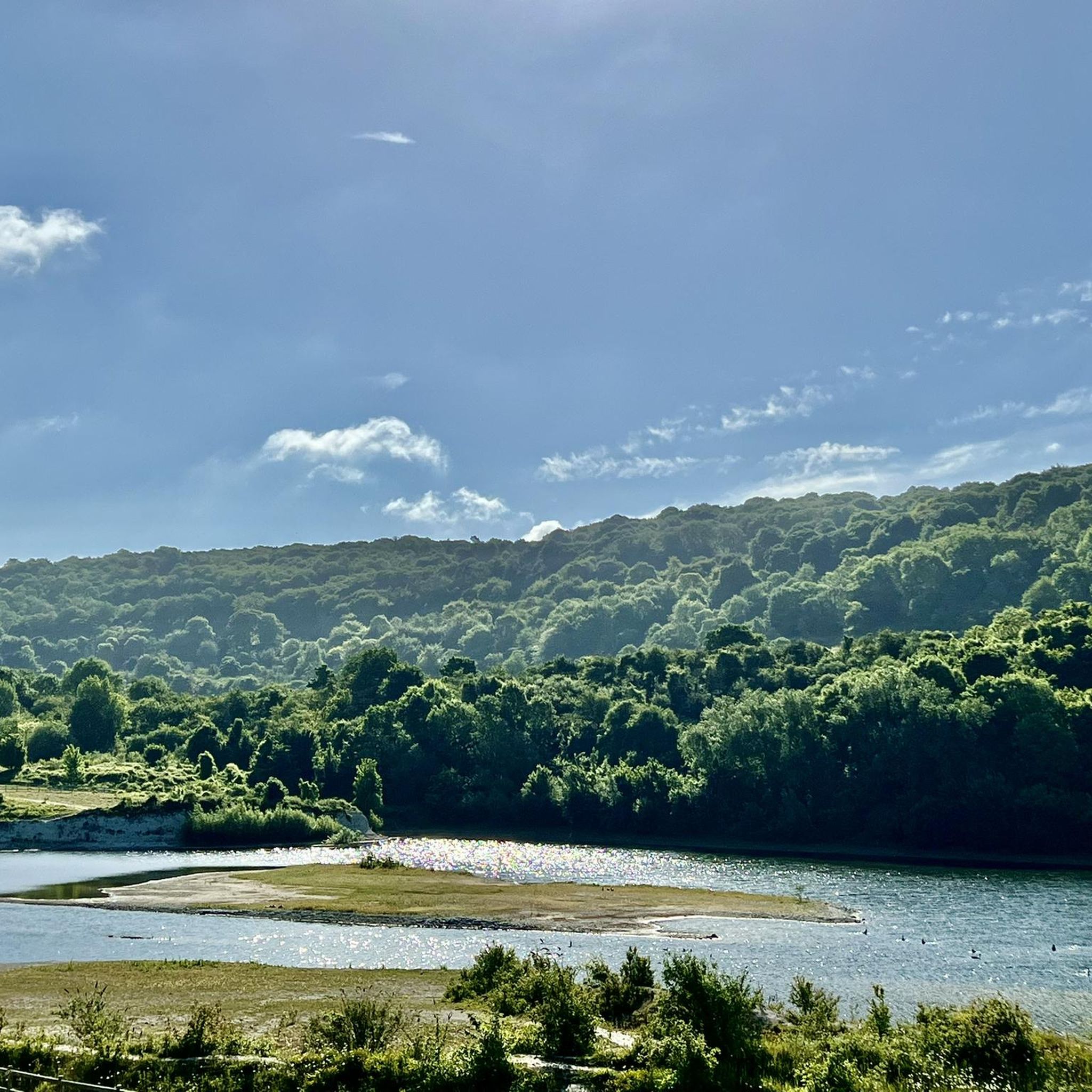
This quarry is a Site of Special Scientific Interest and well known by geologists for its phenomenal history. Packed with fossils, some of the finds here date back 100 million years. There's no public access, but you can catch glimpses of its bright high-alkaline water from the surrounding footpaths.
0
0


Incredible views from this national trust area....also free parking
1
0

Gorgeous walks, requires decent footwear and walking sticks help over the hills.
1
0

With stunning expansive views over Oxfordshire, sweeping hills and ancient woodland, Watlington Hill is a beautiful corner of the UK. Here, you will find a triangular white mark dug into chalk in the hill in 1764. Look our for rabbits, butterflies and red kites during your visit. You can find more information, here: https://www.nationaltrust.org.uk/chilterns-countryside/features/watlington-hill
0
0

Chinnor, Chalk and Cement Mr. W. Benton's Cement and Lime Works opened in Chinnor in 1908, but cement making on a truly industrial scale did not begin until 1919. Output of cement from Chinnor peaked at about 5600 tonnes per week in the 1990s. Up to 120 people were employed at any one time. The cement works closed in 1999 and there are plans for the re-development of the site, using the flat areas for housing but also with opportunities for recreation and conservation in the water filled quarries The scale of chalk extraction for cement making can be seen from a short walk along the Ridgeway National Trail. The Ridgeway runs on a high causeway between the large quarries, giving views of the pits through the boundary fences. (Do not cross over or through the fences). Geology One of the chalk quarries has been protected as a geological Site of Special Scientific Interest as it has particularly good exposures of both the Lower Chalk and Middle Chalk geological layers. Both layers have given upimportant fossil ammonites.
2
0
Frequently Asked Questions
What unique natural features can I explore around Crowell?
The Crowell area is characterized by its diverse natural features, including chalk escarpments, ancient woodlands, and wetland habitats. You can experience the rich biodiversity of the chalk grassland at Watlington Hill, or observe the geological significance of the Old Kiln Lakes Wetland Habitat, known for its ancient fossils and high-alkaline water.
Are there any natural monuments with historical significance near Crowell?
Yes, several natural monuments in the area also hold historical importance. The Watlington White Mark is a prominent example, a 270-foot steeple-shaped mark cut into the chalk escarpment in 1764. Additionally, Pond in Park Wood features evidence of ancient field systems dating back to the Iron Age/Roman period and was once a Tudor deer park.
What is the best time to visit Crowell to see wildflowers?
To witness the spectacular display of wildflowers, particularly bluebells, the best time to visit is in late April and May. During this period, Cowleaze Wood Bluebells transforms into a vibrant blue carpet, offering a truly memorable experience.
Are there family-friendly natural monuments around Crowell?
Absolutely. Cowleaze Wood Bluebells is managed by the Forestry Commission and is considered family-friendly, especially during the bluebell season. Pond in Park Wood also offers a blend of natural beauty and historical interest suitable for families.
What kind of wildlife can I expect to see at the natural monuments?
The natural monuments around Crowell are rich in wildlife. Watlington Hill is a nationally important wildlife site, home to a large assemblage of wildflowers, butterflies, birds, mosses, lichens, and fungi, many of which are rare. You might also spot rabbits, deer, and red kites during your visit.
Can I go hiking or running near these natural monuments?
Yes, the area around Crowell offers various opportunities for outdoor activities. You can find numerous running trails, including easy loops like the 'St Andrew's Church, Chinnor – Chinnor Windmill loop from Chinnor' (4.9 km) or more challenging routes. For more options, explore the Running Trails around Crowell guide.
Are there any viewpoints offering scenic vistas?
Yes, the region boasts several excellent viewpoints. Watlington Hill provides stunning expansive views over Oxfordshire. The Watlington White Mark, while a historical landmark, also serves as a viewpoint from which to appreciate the surrounding chalk escarpment.
What are the options for mountain biking or gravel biking?
For cycling enthusiasts, there are several routes available. Mountain bikers can tackle moderate trails like the 'View of the Chilterns Valley – Icknield Way Trail loop from Stokenchurch' (26 km). Gravel biking options include easy routes such as 'The Phoenix Trail – Phoenix Trail loop from Thame' (26.5 km). Discover more in the MTB Trails around Crowell and Gravel biking around Crowell guides.
What is the significance of the Old Kiln Lakes Wetland Habitat?
The Old Kiln Lakes Wetland Habitat is a Site of Special Scientific Interest (SSSI) renowned among geologists for its phenomenal history. It's packed with fossils, some dating back 100 million years, and features unique high-alkaline water. While there's no public access to the quarry itself, you can catch glimpses from surrounding footpaths and appreciate its geological importance.
What do visitors enjoy most about the natural monuments around Crowell?
Visitors frequently praise the stunning expansive views, the peaceful atmosphere of the ancient woodlands, and the rich biodiversity. Many appreciate the opportunity for gorgeous walks, the historical elements like the Watlington White Mark, and the chance to observe wildlife such as red kites and butterflies, particularly at Watlington Hill.
Are there any monuments related to more recent history?
Yes, Cowleaze Wood Bluebells contains a poignant monument. A stone plinth from Lincoln Cathedral is dedicated to the seven crew members of a Handley Page Halifax Mk III bomber aircraft that tragically crashed in the wood on March 31, 1944, during a return from a raid.
Most popular attractions around Crowell

Get inspired with the komoot mobile app


Explore more
Extend your search for the best caves by checking out these guides of the top ones around Crowell:
