Top 17 Natural Monuments around Penn
Best natural monuments around Penn feature a variety of natural and historical landscapes. This region offers diverse environments, including ancient woodlands, serene ponds, and unique river features. Visitors can explore areas rich in ecological significance and historical context, providing numerous opportunities for outdoor activities. The natural areas around Penn are ideal for those seeking to experience varied terrain and natural beauty.
Best natural monuments around Penn
- The most popular natural monuments is Burnham Beeches, a historical site that is…
Last updated: June 29, 2026
River Chess Stepping Stones and Weir
Highlight • Structure
Tip by

Cock Marsh Wetland Walkway
Highlight • Trail
Tip by

Sign up now to discover places like this
Get recommendations on the best single tracks, peaks, & plenty of other exciting outdoor places.
Sign up for free
The Brick and Tile Works
Highlight • Historical Site
Tip by

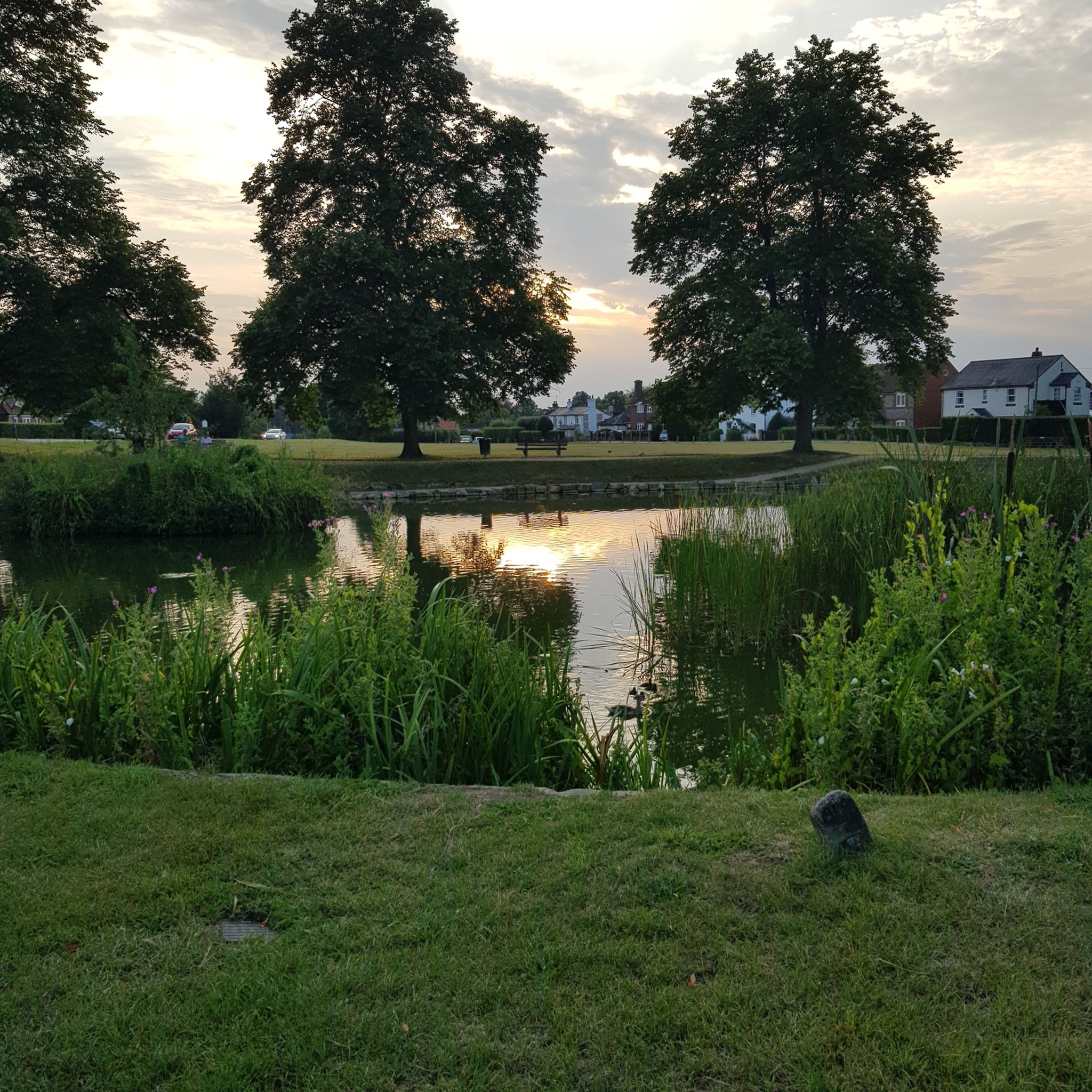
Pond in Park Wood
Highlight • Lake
Tip by
Bluebell Woodland in Chilterns National Landscape
Highlight • Forest
Tip by
Sign up for free to discover even more natural monuments around Penn.
Sign up for free
Already have an account?
Start today with a free account
Your next adventure awaits.
Login or Signup
Tips from the Community

There is a lovely little weir on the River Chess here that's worth stopping by. Also, on the same pond, you will see stepping stones (called Steps of Heaven by some) if you'd like to walk across! A good few years ago, I used to live in the street right next to these ponds, so I can vouch for the fact that this is a great place to spend some time at, particularly in the summer.
1
0
There is a lovely little weir on the River Chess here that's worth stopping by. Also, on the same pond, you will see stepping stones (called Steps of Heaven by some) if you'd like to walk across! A good few years ago, I used to live in the street right next to these ponds, so I can vouch for the fact that this is a great place to spend some time at, particularly in the summer.
2
0

The Brick and Tile Works, established by Charles Cooper in the early 1800s, employed about 150 people and produced bricks, tiles, gargoyles, and pinnacles. The site, which closed in 1967, is now owned by the National Trust and features lowland ponds with diverse aquatic life and a variety of woodland birds and plants.
1
0

its ok but muddy to get in and out of if you want to dip your feet during a hike
1
0

Legend has it that whoever walks on these steps without falling will be blessed with eternal life.
2
0

The Brick & Tile Works The Brick and Tile Works was established by Charles Cooper in the early 1800s, exploiting a local deposit of Reading Clay. At its peak, the Works employed about 150 people, and cottages were built in Golden Ball Lane for the skilled craftsmen. In 1950, the Cooper family sold the Works to the Maidenhead Brick and Tile Company, and the site eventually closed in 1967. In addition to bricks and tiles, the works produced gargoyles and pinnacles, many of which can be seen in the locality today. The National Trust acquired the site in 1989. The industrial activity left a legacy of lowland ponds, inhabited by an impressive range of aquatic invertebrate fauna, including several species of dragonfly. There are also three species of newt and a wide range of woodland birds and other aquatic or semi-aquatic plants and animals.
1
0
The wetland meadows of Cock Marsh are very important for rare plant species, breeding waders and overwintering birds. Part of the site is designated as a Site of Special Scientific Interest (SSSI). The steep chalk grassland swiftly changing into marshy, acid meadows has created an ecosystem of rare and interesting species. As part of the historic channel of the Thames, the ponds here support specialist plants like water violet, marsh arrowgrass, marsh stitchwort, marsh pennywort and water hemlock. The rare sedge Cyperus fuscus (brown galingale) is found here and in only a handful of other sites in Great Britain. It relies on cattle to tread or poach the ground on the pond edges to create the perfect habitat to grow. The cattle here work hard to help to maintain a rich botanical diversity of grassland habitat. https://www.nationaltrust.org.uk/maidenhead-and-cookham-commons/trails/cookham-and-cock-marsh-walk
1
0
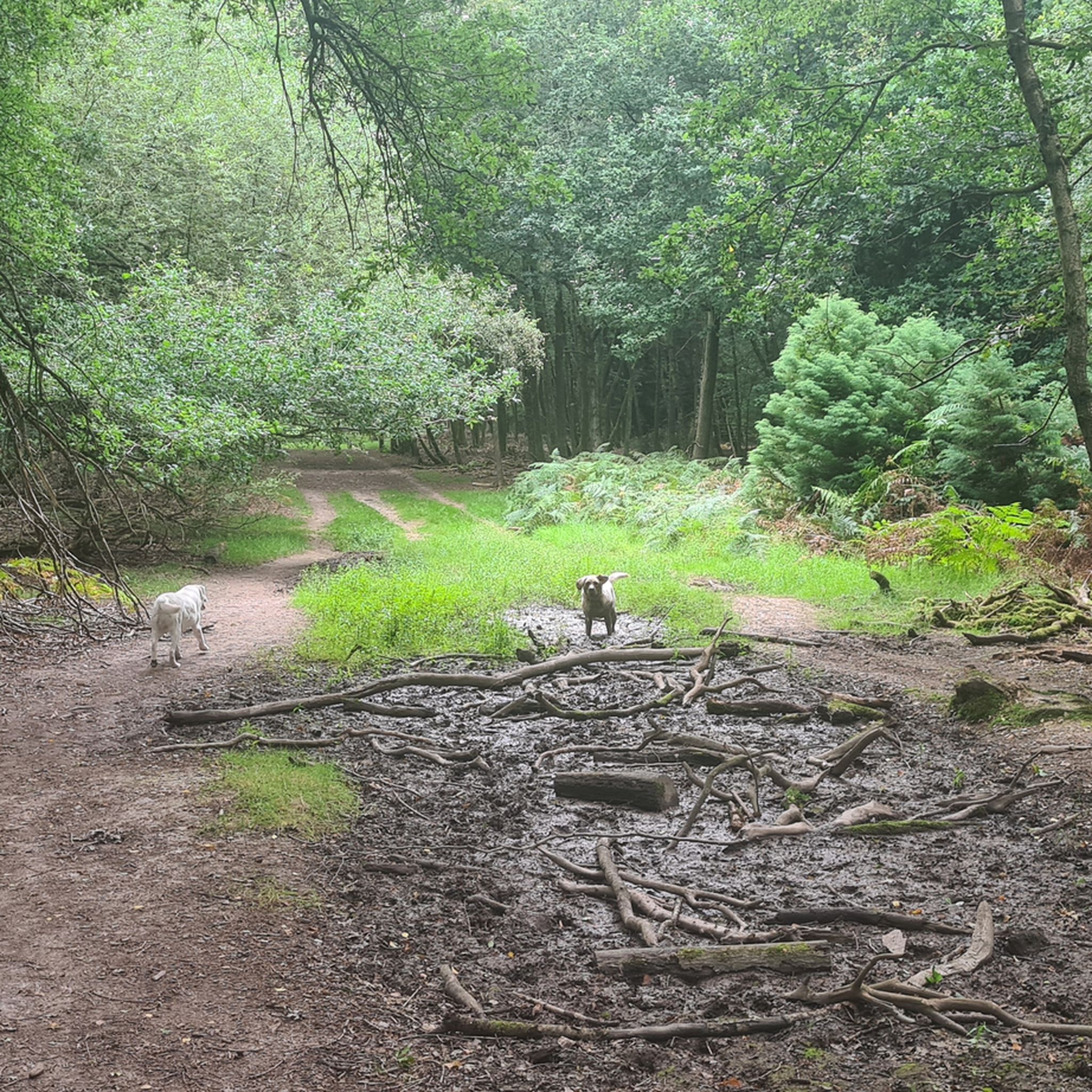
Archaeological Surveys undertaken in Park Wood have revealed a fascinating past for this quiet area of deciduous woodland. Lynchets and banks within the woods give evidence of ancient field systems which may date back to the late Iron Age/early Roman period (or they may be medieval). In the beech woodland opposite the pond is evidence of a late thirteenth/early fourteenth homestead in the woodlands and in Tudor times (1485 – 1603) the woodland was a deer park. Much of Park Wood was converted to beech woodland from the late 18th until the early 20th century to cater for the High Wycombe furniture industry. Associated features include sawpits, tracks and charcoal burning platforms. https://www.nationaltrust.org.uk/chilterns-countryside/trails/bradenham-beech-woods-and-bunkers-trail
0
0
Frequently Asked Questions
What are some of the most popular natural monuments to visit around Penn?
Visitors frequently enjoy Burnham Beeches, a significant Site of Special Scientific Interest and National Nature Reserve known for its ancient beech woodland and diverse wildlife. Other popular spots include the unique River Chess Stepping Stones and Weir, offering a distinctive river experience, and the serene Pond in Park Wood, set within a historic deciduous woodland.
Are there family-friendly natural monuments around Penn?
Yes, several natural monuments in the Penn area are suitable for families. Burnham Beeches offers expansive woodlands for exploration. The River Chess Stepping Stones and Weir provide a fun and interactive river experience. Additionally, The Brick and Tile Works and Pond in Park Wood are also marked as family-friendly, offering a mix of nature and historical interest.
What kind of historical features can I find at these natural monuments?
The natural monuments around Penn are rich in history. Burnham Beeches contains relics like the Seven Ways Plain hill fort, dating back to the Late Bronze Age and Early Iron Age. Pond in Park Wood has archaeological evidence of ancient field systems and a homestead from the late Iron Age/early Roman period, as well as features from its time as a Tudor deer park. The Brick and Tile Works showcases the industrial heritage of the area, with its former brick and tile production site now owned by the National Trust.
When is the best time to visit the bluebell woodlands in the Chilterns National Landscape?
The Bluebell Woodland in Chilterns National Landscape is at its most spectacular in late spring. While bluebells emerge from mid-April, they are typically at their peak in the first two weeks of May, depending on the spring weather. This is when you'll see carpets of bright blue flowers beneath the oak and beech woodlands.
What wildlife can be spotted at the natural monuments?
Burnham Beeches is a haven for wildlife, home to over sixty rare or threatened species of plants and animals. At The Brick and Tile Works, the lowland ponds support an impressive range of aquatic invertebrates, including several species of dragonfly, three species of newt, and various woodland birds.
Are there hiking opportunities near the natural monuments around Penn?
Yes, the area offers numerous hiking opportunities. You can find various trails, including moderate loops like the 'Penn Wood loop — Chiltern Hills' and 'Penn Wood – Penn Wood loop from Penn', as well as easier options such as 'Holy Trinity Church, Penn – Bluebells in Penn Wood loop from Winchmore Hill'. For more detailed routes and options, explore the Hiking around Penn guide.
Can I go cycling near these natural monuments?
Absolutely. The region around Penn provides several cycling routes. Options range from easy rides like the 'Boulters Lock – Cookham High Street loop from Beaconsfield' to more challenging ones such as the 'Marlow Suspension Bridge – Cookham High Street loop from Beaconsfield'. For a comprehensive list of routes, refer to the Cycling around Penn guide.
What makes the River Chess Stepping Stones and Weir a unique natural feature?
The River Chess Stepping Stones and Weir offers a distinctive experience with its weir and stepping stones, sometimes playfully called 'Steps of Heaven'. It allows visitors to interact directly with the river, providing a unique perspective and a pleasant spot to spend time, especially during warmer months.
What kind of natural landscapes can I expect to see around Penn?
The Penn area boasts diverse natural landscapes. You'll encounter ancient woodlands, such as the beech and oak forests of Burnham Beeches and Park Wood. There are also serene ponds, like the one in Park Wood, and unique river features along the River Chess. These areas provide varied terrain and ecological significance.
Are there running trails available near the natural monuments?
Yes, runners can find several trails in the vicinity. You can explore moderate routes like the 'Penn Wood and Winchmore Hill loop from Common Wood Lane' or the 'The Red Lion, Penn – Penn Common Pond loop from Gomm Valley'. For more running options, check out the Running Trails around Penn guide.
What is the significance of Burnham Beeches?
Burnham Beeches is highly significant as a Site of Special Scientific Interest (SSSI), National Nature Reserve, and Special Area of Conservation. Its importance stems from its ancient beech woodland and the rich diversity of wildlife it supports, including over sixty rare or threatened species of plants and animals. It has also served as a filming location for various productions.
What is the history behind Pond in Park Wood?
Archaeological surveys at Pond in Park Wood reveal a fascinating past. Evidence suggests ancient field systems and a homestead possibly dating back to the late Iron Age/early Roman period. During Tudor times, the woodland was a deer park. Later, much of Park Wood was converted to beech woodland to support the High Wycombe furniture industry, leaving behind features like sawpits and charcoal burning platforms.
Most popular routes around Penn
Most popular attractions around Penn

Get inspired with the komoot mobile app


Explore more
Extend your search for the best caves by checking out these guides of the top ones around Penn:
