Top 8 Natural Monuments around Fulmer
Best natural monuments around Fulmer include a variety of landscapes, from ancient woodlands to significant wetland areas. The region offers diverse natural features and landmarks, providing opportunities for exploration and connection with nature. These sites are often recognized for their ecological importance and historical significance. The area's natural monuments showcase a blend of preserved ecosystems and accessible outdoor spaces.
Best natural monuments around Fulmer
- The most popular natural monuments is Burnham Beeches, a historical site that is a Site…
Last updated: June 29, 2026
Cock Marsh Wetland Walkway
Highlight • Trail
Tip by

Burnham Beeches
Highlight • Historical Site
Tip by

Sign up now to discover places like this
Get recommendations on the best single tracks, peaks, & plenty of other exciting outdoor places.
Sign up for free
Diamond Jubilee Fountain
Highlight • Rest Area
Tip by

Alexandra Gardens Bandstand
Highlight • Monument
Tip by
Cliveden War Cemetery and Memorial Garden
Highlight • Historical Site
Tip by
Sign up for free to discover even more natural monuments around Fulmer.
Sign up for free
Already have an account?
Start today with a free account
Your next adventure awaits.
Login or Signup
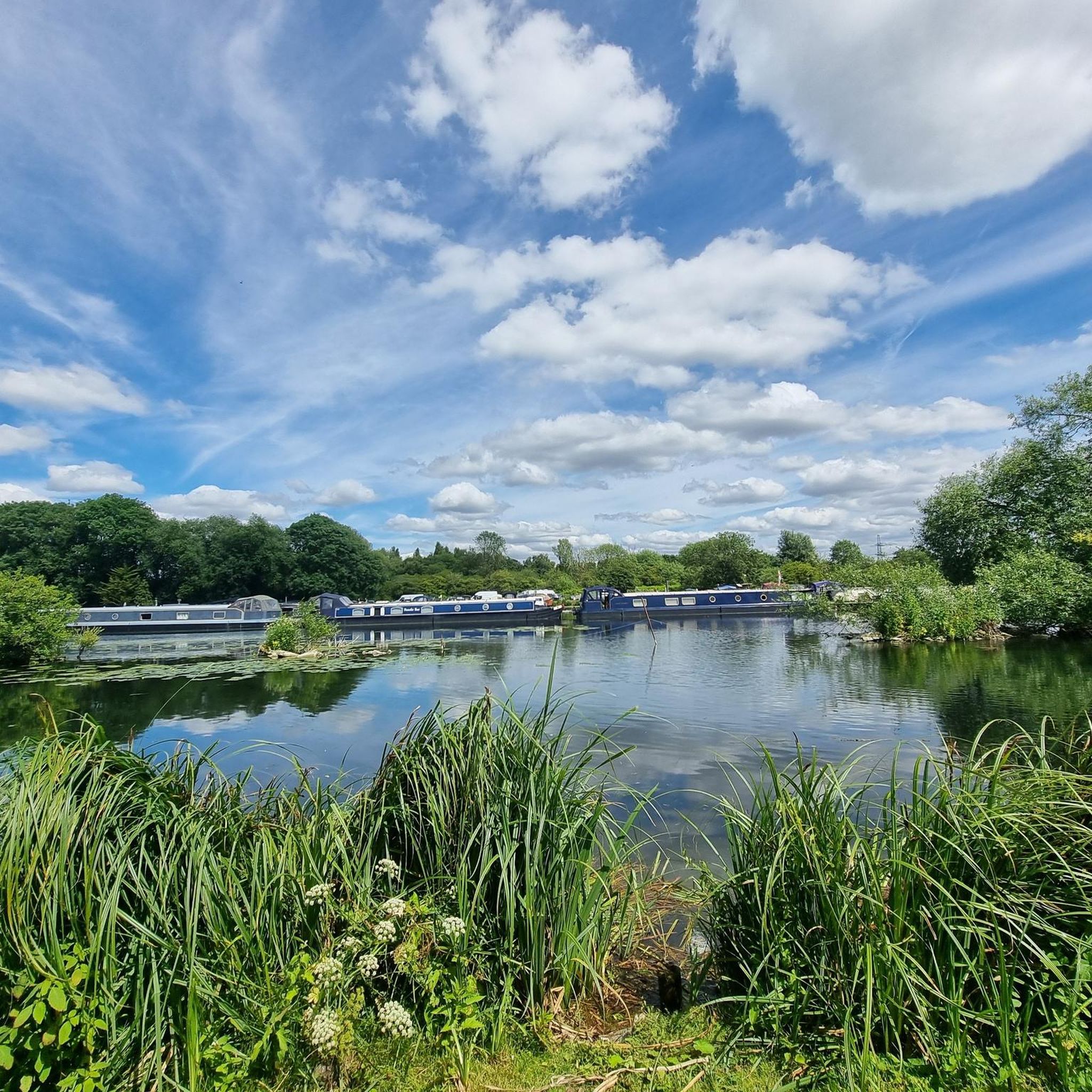
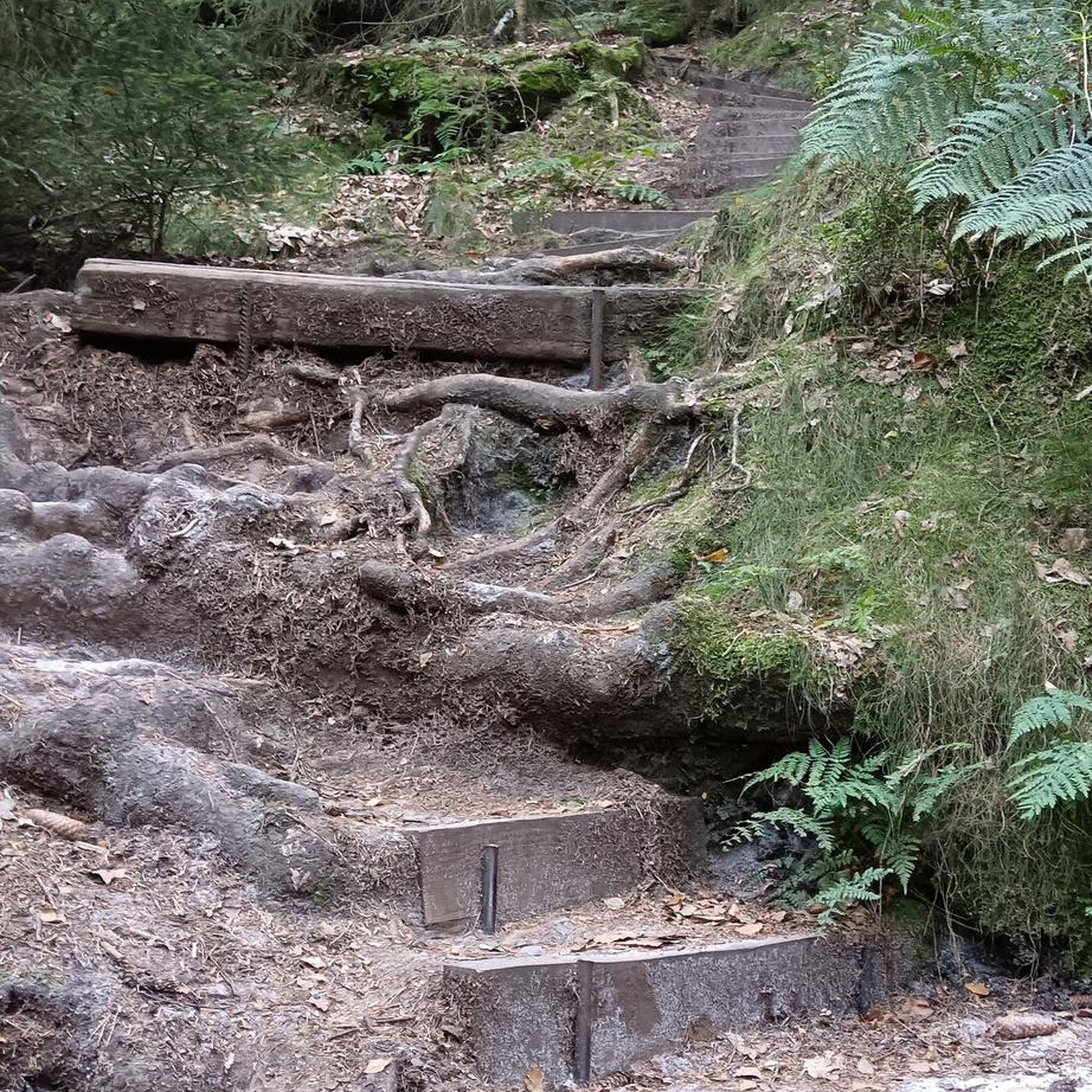
Tips from the Community

Clivden is a gem. A glorious stately home converted to a hotel and many an event.
0
0

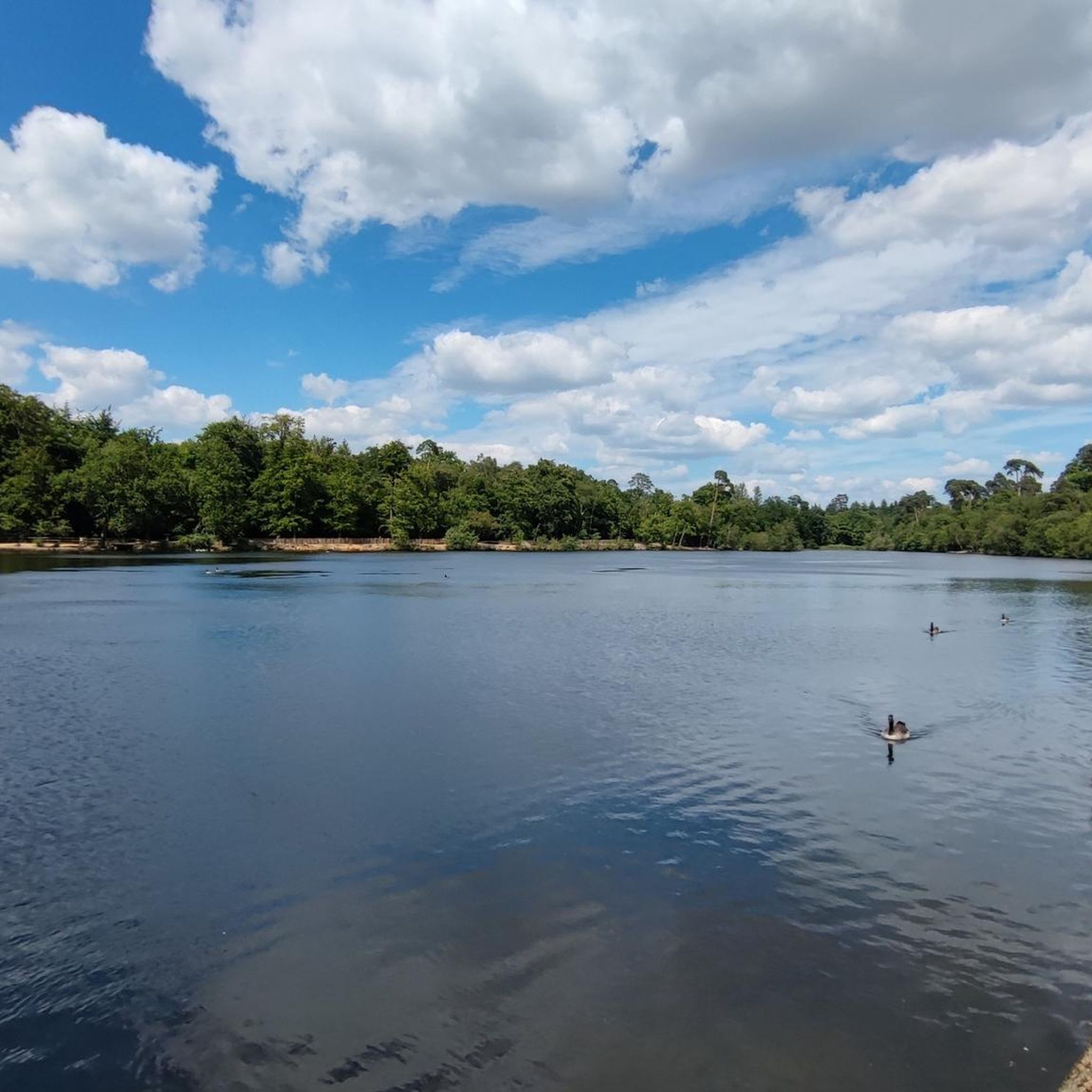
Burnham Beeches is a Site of Special Scientific Interest, National Nature Reserve, and Special Area of Conservation thanks to its ancient beech woodland and rich wildlife. More than sixty species of plants and animals that call the 927-acre (375 ha) site home are rare or under threat. The historic woodland is also home to relics of times gone by. Located in the southwest of the woodland, you can visit Seven Ways Plain hill fort which dates to the Late Bronze Age and Early Iron Age. Neighbouring film studios have used the Beeches as a shooting location in various productions such as Doctor Who, Harry Potter, Goldfinger, and Robin Hood Prince of Thieves.
0
0

A nice garden and benches to take a break when cycling through Windsor
1
0

A fountain that was constructed to celebrate the Queen's Diamond Jubilee in 2012.
2
0

A fountain inspired by the crown jewels has opened in Windsor to mark the Queen's Diamond Jubilee. The Lord Lieutenant of Berkshire, Mary Bayliss, officially unveiled the Jubilee Fountain in The Goswells park. The fountain is 25m long with a circular pool at the centre. In the middle of the pool is a geyser with a "crown" of 60 water jets. It cost £107,000 to build and was sponsored by council contractors ISS Waterers and local developers. https://www.bbc.co.uk/news/uk-england-berkshire-18797019
1
0
Plans to create a riverside garden in this area date from 1893 although the possibilities must have been discussed for some years prior to this, as in 1895, land had been purchased, and by 1902 the gardens were sufficiently complete to permit the planting of a London Plane tree in August 1902 to celebrate the Coronation of Edward VII and his Queen, Alexandra. A bandstand was also erected and the band of the Royal Horse Guards played there regularly. https://www.windsor.gov.uk/things-to-do/alexandra-gardens-p67873
2
0
When the First World War broke out, Cliveden was a grand country estate well known for its exclusive parties and famous guests, yet within months it was offering a lifeline to Allied troops injured during the fighting. A helping hand At the beginning of the war, after failing a medical assessment to join the army, Waldorf Astor (later 2nd Viscount Astor) offered part of the Cliveden estate as a hospital to the British Army. They turned down the offer after deciding it would be too difficult to adapt to their needs but, determined to help, he offered the land to the Canadian Red Cross who accepted. As a result, the Duchess of Connaught Red Cross Hospital was opened to treat injured allied troops of the First World War. Bedside manner In 1915 the hospital could hold up to 110 patients at any one time but by the end of the war, this number had risen dramatically to 600. Nancy Astor was often seen helping out in the hospital and it is said that her personality and great vigour worked wonders on the patients. Many ministers and royals also visited the hospital including Winston Churchill in May 1915 and King George V in July 1915. In memory Of the 24,000 troops treated at the hospital only a relatively small number died. In 1918, the 1st Viscount Astor's sunken Italian garden was adapted to create a memorial garden for the deceased. https://www.nationaltrust.org.uk/cliveden/features/first-world-war-at-cliveden
0
0
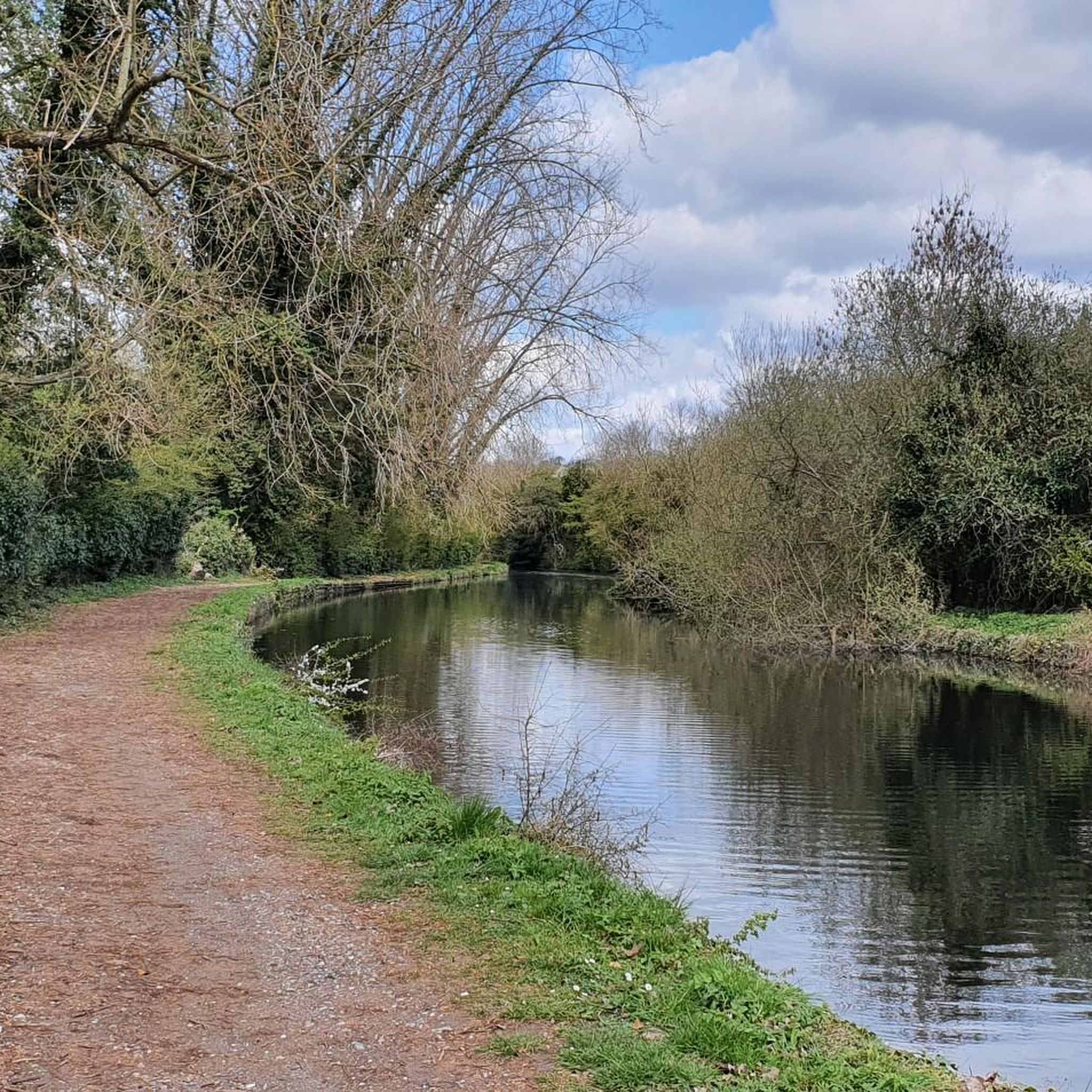
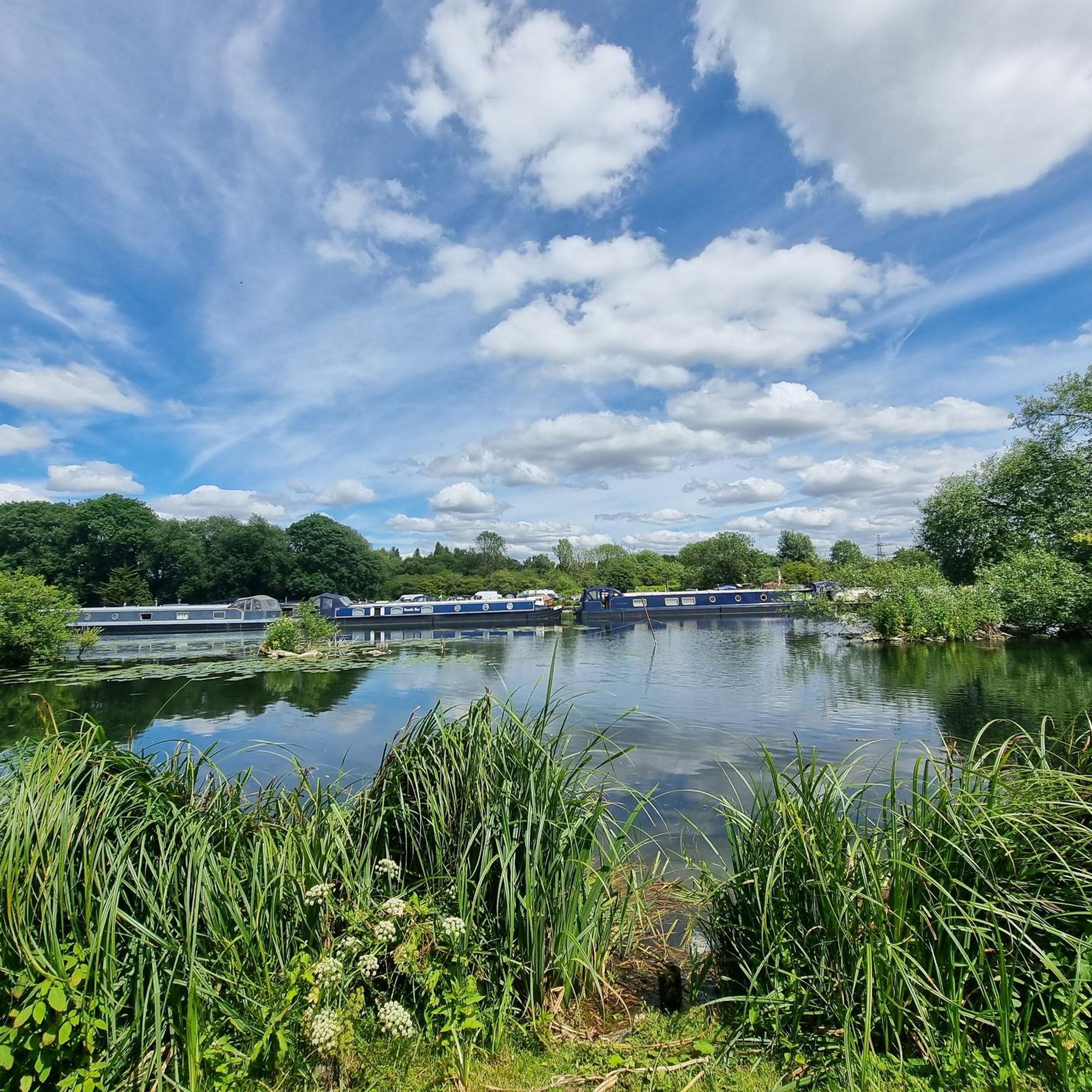
The wetland meadows of Cock Marsh are very important for rare plant species, breeding waders and overwintering birds. Part of the site is designated as a Site of Special Scientific Interest (SSSI). The steep chalk grassland swiftly changing into marshy, acid meadows has created an ecosystem of rare and interesting species. As part of the historic channel of the Thames, the ponds here support specialist plants like water violet, marsh arrowgrass, marsh stitchwort, marsh pennywort and water hemlock. The rare sedge Cyperus fuscus (brown galingale) is found here and in only a handful of other sites in Great Britain. It relies on cattle to tread or poach the ground on the pond edges to create the perfect habitat to grow. The cattle here work hard to help to maintain a rich botanical diversity of grassland habitat. https://www.nationaltrust.org.uk/maidenhead-and-cookham-commons/trails/cookham-and-cock-marsh-walk
1
0
Frequently Asked Questions
What unique natural features can I explore around Fulmer?
The Fulmer area boasts diverse natural features. You can discover ancient beech woodlands at Burnham Beeches, which is also a Site of Special Scientific Interest. Another unique spot is Cock Marsh Wetland Walkway, known for its wetland meadows where steep chalk grassland meets marshy, acid meadows, creating a rare ecosystem.
Are there family-friendly natural monuments in the Fulmer area?
Yes, several natural monuments around Fulmer are suitable for families. Burnham Beeches offers ancient woodlands perfect for exploration. Ruislip Woods National Nature Reserve, the largest ancient woodland in Greater London, provides a quiet and calm forest environment within the city, complete with a cafe at the lido. Alexandra Gardens Bandstand is also listed as family-friendly.
What kind of wildlife can I expect to see at these natural monuments?
The natural monuments around Fulmer are rich in wildlife. Burnham Beeches is home to more than sixty rare or threatened species of plants and animals. At Cock Marsh Wetland Walkway, you can observe rare plant species, breeding waders, and overwintering birds, thanks to its unique wetland ecosystem.
Are there historical sites among the natural monuments near Fulmer?
Yes, the region combines natural beauty with historical significance. Burnham Beeches is a historical site featuring relics like the Seven Ways Plain hill fort, dating back to the Late Bronze Age and Early Iron Age. Additionally, the Cliveden War Cemetery and Memorial Garden offers a poignant historical experience within a natural setting.
Can I find easy walking trails suitable for beginners around Fulmer's natural monuments?
Yes, there are easy walking options. For instance, you can find several easy hiking routes listed in the Hiking around Fulmer guide, such as the 'Pine Woods in Black Park – Black Park Lake loop from Pinewood Studios' or the 'Black Park Lake – Go Ape Black Park loop from Pinewood Studios'.
What are the options for hiking near Fulmer's natural monuments?
The area offers various hiking opportunities. You can explore routes like the 'White Horse Pub – Bluebells in Church Wood loop from South Bucks' or a longer 'White Horse Pub – Bluebells in Church Wood loop from Fulmer' which is moderate difficulty. For more options, check the Hiking around Fulmer guide.
Are there cycling or gravel biking routes available near these natural monuments?
Absolutely. For gravel biking, routes like the 'Black Jack's Mill loop from West Ruislip' or 'Fulmer Common Road – Entrance to Stoke Common loop from Stoke Poges' are available. Cyclists can enjoy routes such as 'Iver Country Road – Entrance to Stoke Common loop from Stoke Poges'. Find more details in the Gravel biking around Fulmer and Cycling around Fulmer guides.
Is <a href="https://www.komoot.com/highlight/2948435" target="_blank" rel="noopener">Burnham Beeches</a> suitable for dog walking?
While the guide data doesn't explicitly state dog-friendliness for Burnham Beeches, ancient woodlands are generally popular spots for dog walkers. It's advisable to check local signage for specific rules regarding dogs, especially concerning wildlife protection.
What makes <a href="https://www.komoot.com/highlight/412553" target="_blank" rel="noopener">Cock Marsh Wetland Walkway</a> a significant natural monument?
Cock Marsh Wetland Walkway is a Site of Special Scientific Interest (SSSI) due to its unique ecosystem. It features wetland meadows crucial for rare plant species, breeding waders, and overwintering birds. The rare sedge Cyperus fuscus (brown galingale) is found here, relying on cattle to maintain its habitat.
Are there any natural monuments around Fulmer that are wheelchair accessible?
Yes, Alexandra Gardens Bandstand is listed as wheelchair accessible. While primarily a man-made monument, it is recognized as a natural monument in the context of the guide and offers accessible viewpoints.
What do visitors enjoy most about the natural monuments around Fulmer?
Visitors appreciate the diverse natural landscapes, from the ancient woodlands of Burnham Beeches to the unique marsh ecosystems of Cock Marsh Wetland Walkway. The quiet and calm forest environment of Ruislip Woods National Nature Reserve, even within the city, is also highly valued.
Can I find a cafe or refreshments near <a href="https://www.komoot.com/highlight/5393038" target="_blank" rel="noopener">Ruislip Woods National Nature Reserve</a>?
Yes, there is a cafe located at the lido near Ruislip Woods National Nature Reserve. It's a convenient spot for refreshments before, during, or after your visit to the ancient woodland.
Most popular attractions around Fulmer

Get inspired with the komoot mobile app


Explore more
Extend your search for the best caves by checking out these guides of the top ones around Fulmer:
