Top 10 Natural Monuments around Frampton Cotterell
Best natural monuments around Frampton Cotterell offer diverse natural spaces and ecological value. The area features a landscape where nature has reclaimed former industrial sites, creating havens for wildlife. Visitors can explore river corridors, mature woodlands, and nature reserves. These natural monuments provide opportunities for walking and observing local flora and fauna.
Best natural monuments around Frampton Cotterell
- The most popular natural monuments is The River Severn, a natural monument that flows 220 miles (354 km) from the Bristol…
Last updated: June 29, 2026
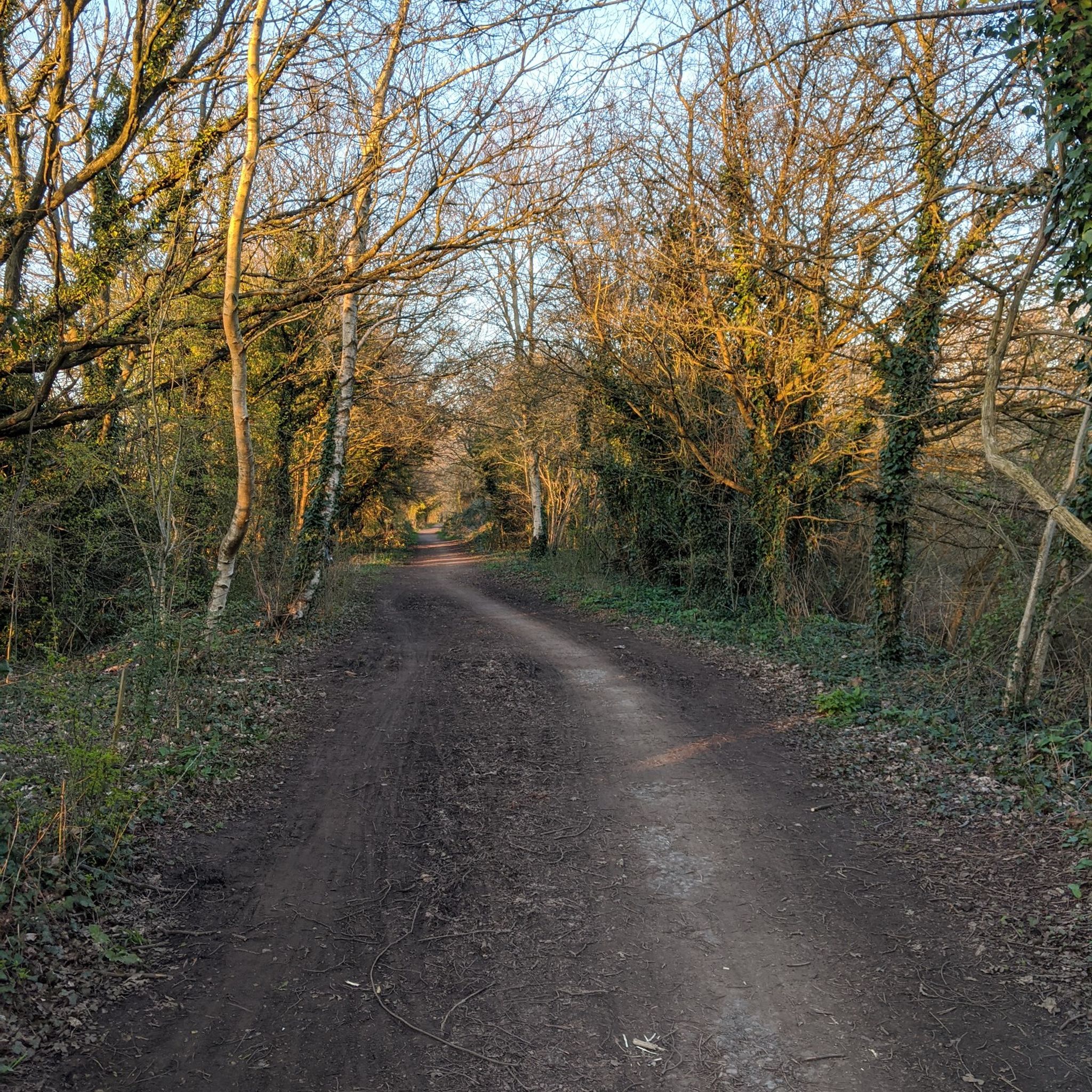
Golden Valley Nature Reserve Waterfall
Highlight • Natural Monument
Tip by

The River Severn
Highlight • Natural Monument
Tip by

Sign up now to discover places like this
Get recommendations on the best single tracks, peaks, & plenty of other exciting outdoor places.
Sign up for free
Wapley Bushes Local Nature Reserve
Highlight • Natural Monument
Tip by

Woodcock Farm - Hill Fort
Highlight • Historical Site
Tip by
Troopers Hill Chimney
Highlight • Historical Site
Tip by
Sign up for free to discover even more natural monuments around Frampton Cotterell.
Sign up for free
Already have an account?
Start today with a free account
Your next adventure awaits.
Login or Signup

Tips from the Community

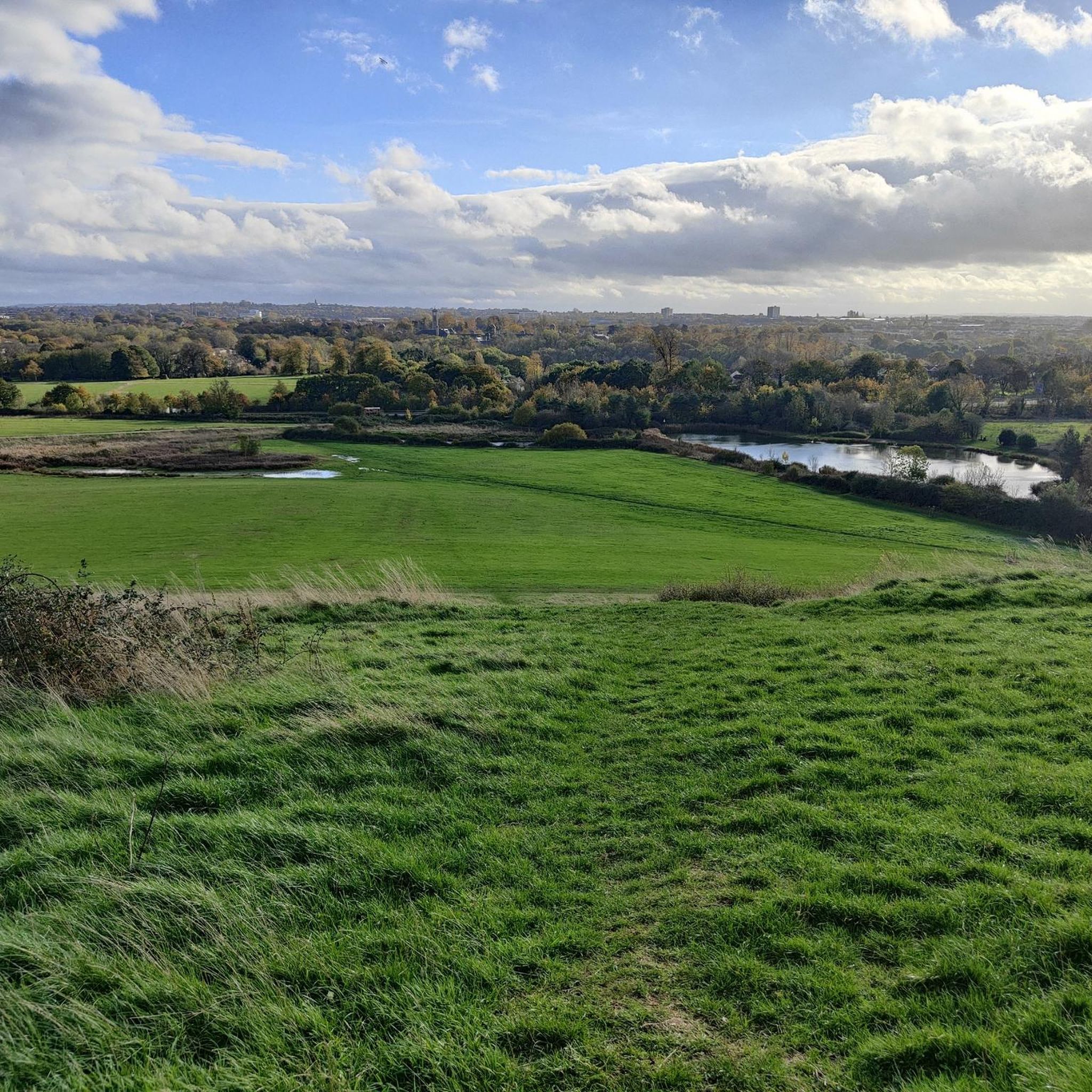
Great views of the Severn crossing and what a structure it is
0
0

Waking in direction indicated and all the footpaths in golden valley are blocked and closed due to unsafe trees from ash die back
0
0

The finest and best-preserved example of an Iron Age hill fort along the Cotswold Way.
0
1
Don’t park in Rose & Crown Car Park, understandably they get annoyed.
0
0

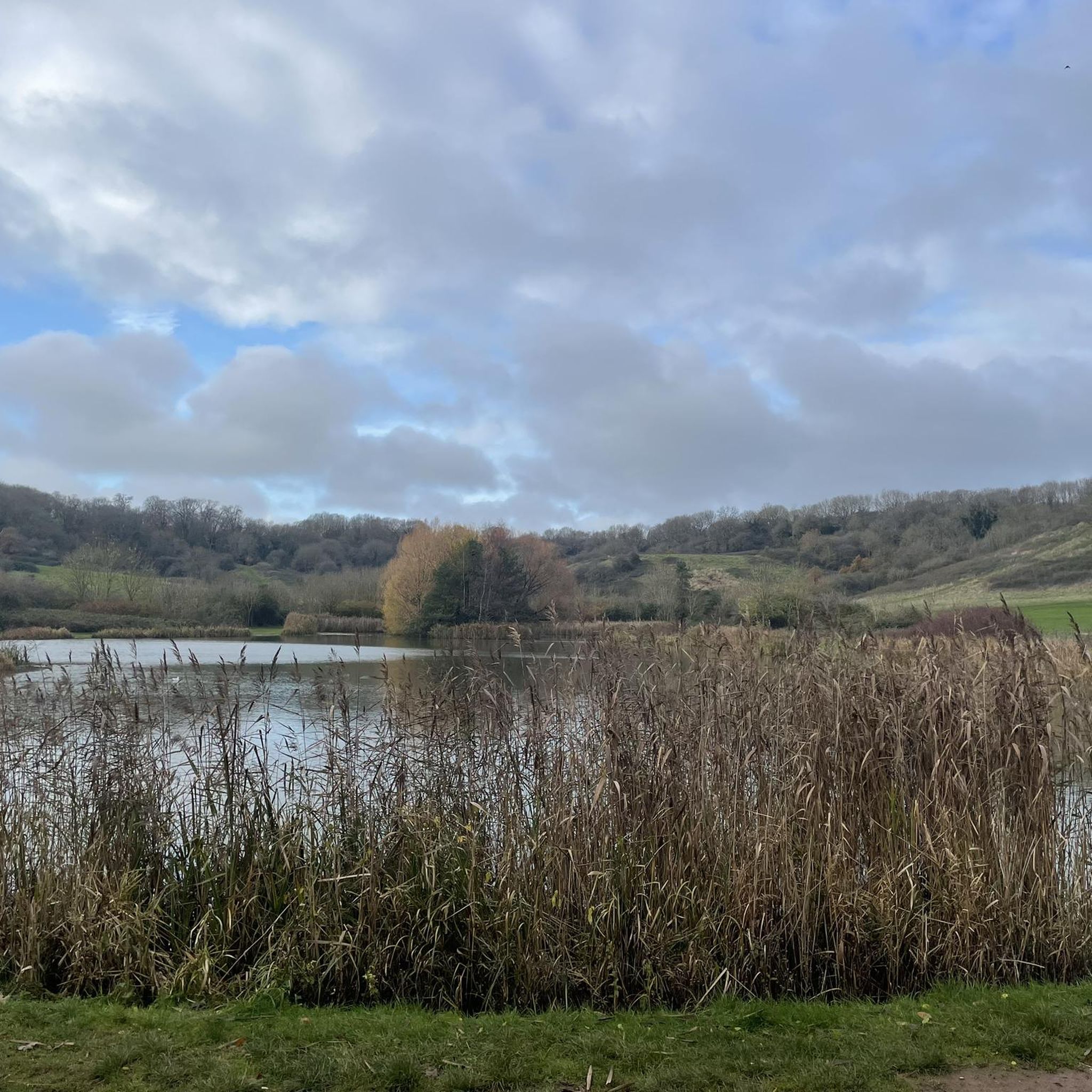
Wapley Bushes Local Nature Reserve is a 11.65-hectare (29-acre) nature reserve located in the English county of South Gloucestershire, between the towns of Yate and Dodington. It is owned by Dodington Parish Council and managed in partnership with Wapley Bushes Conservation Group. The reserve was established in 1992 and has been awarded the Green Flag Award, a prestigious award for well-managed parks and green spaces. Wapley Bushes is a diverse habitat, comprising ancient woodland, flower meadows, grassland, and a seasonal pond. The woodland is home to a variety of trees, including oak, ash, and hazel, as well as a range of wildlife, including deer, foxes, badgers, and birds such as song thrushes, blackbirds, and robins. The meadows are home to a variety of wildflowers, including cowslips, primroses, and bluebells. The grassland is home to a variety of grasses, as well as a range of wildflowers, including butte
0
0
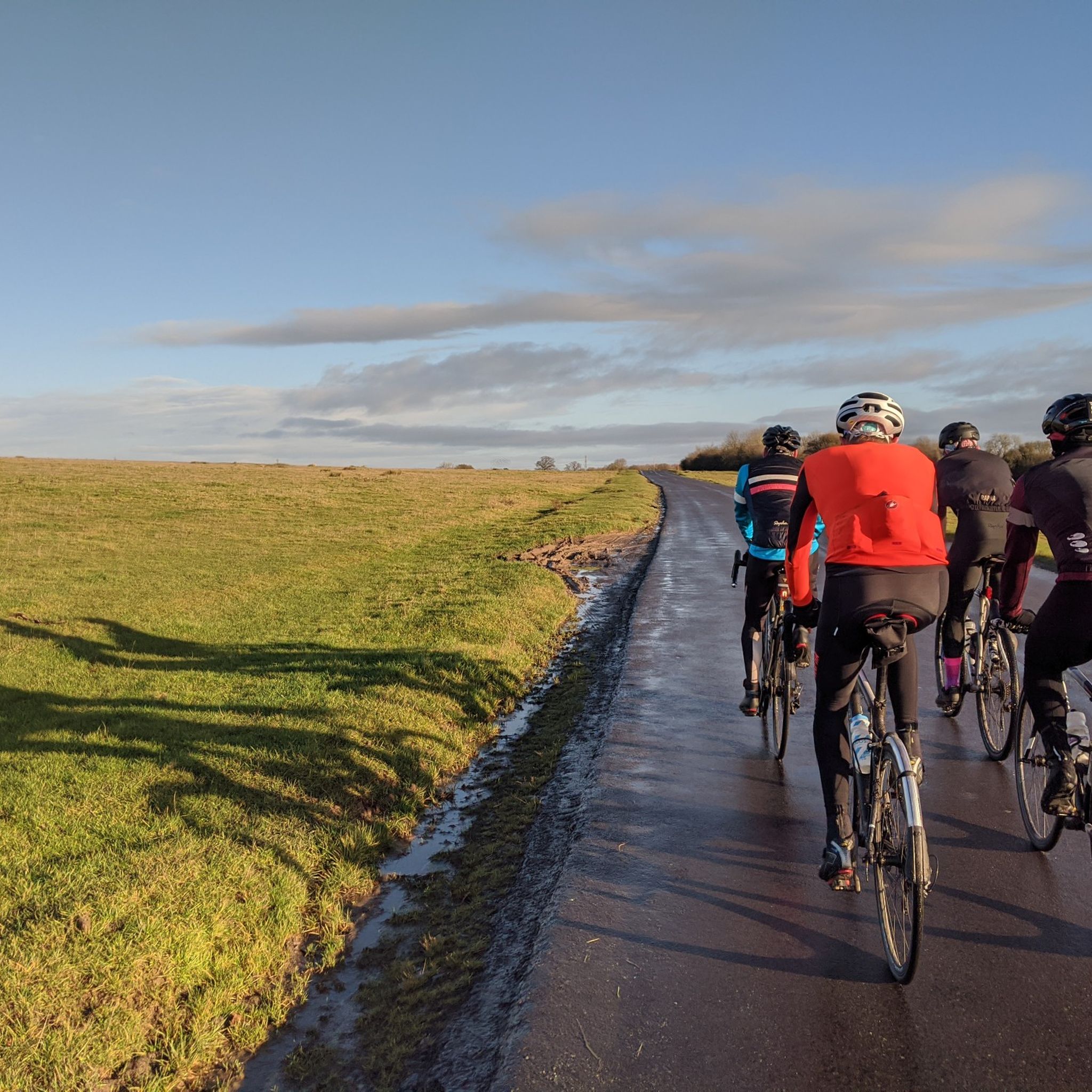
The section from Severn Beach to New Passage on the paved England Coast Path might look tempting to ride, but it is a public footpath only used lots by the elderly, wheelchair users, unleashed dogs, fishermen and young children. Beware as I've hears reports that some locals will you give a lot of grief for riding this section, plus your insurance is void too if you cause an accident... I live nearby and suggest sticking to Route 4, or just enjoy the walk. The bit of Route 4 near Old Passage remains because of sea defence works (reopening late 2022 we're told) but there are nice back roads through Olveston to Aust or Route 41 through Ingst if you plan on crossing the M48 bridge to Chepstow and the more serious hills, beautiful Welsh scenery beyond.
1
0

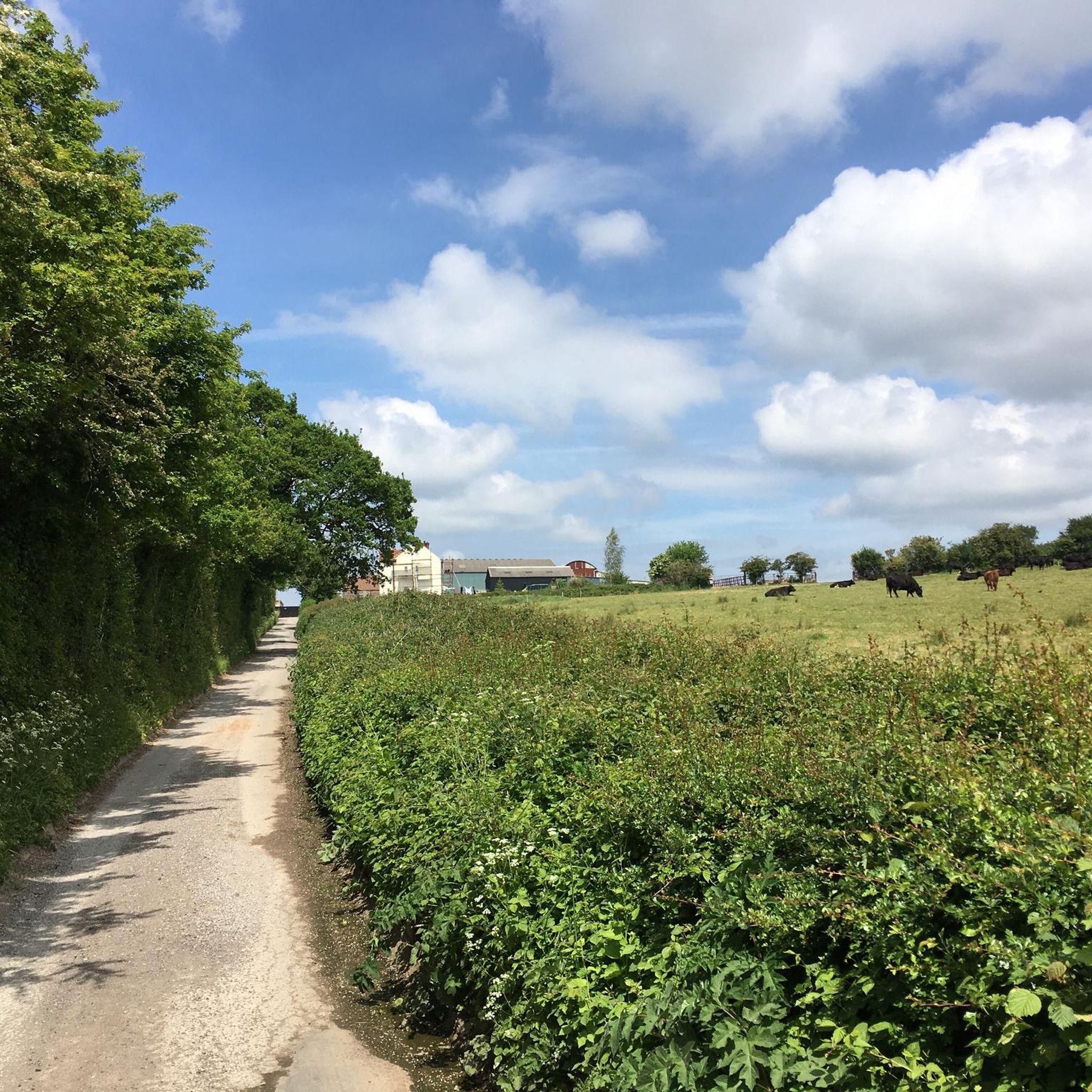
Short but sweet diversion... worth doing if you're not in a rush.
0
0

The Wick Golden Valley Local Nature Reserve (LNR) is an important and unique place. There are few reserves in South Gloucestershire with such a diverse habitat so readily accessible to the local community. The range of habitats includes the river corridor of the River Boyd, mature woodland, scrub, steep valley slopes and unimproved limestone grassland. (https://www.goldenvalley.org.uk/wildlife.htm)
2
0
Frequently Asked Questions
What are some of the most popular natural monuments to visit around Frampton Cotterell?
Among the most appreciated natural monuments are The River Severn, known for its length and wildlife like otters and buzzards. Another highlight is the Golden Valley Nature Reserve Waterfall, a unique site where nature has reclaimed a former industrial landscape. Visitors also enjoy Wapley Bushes Local Nature Reserve, which offers diverse habitats including ancient woodland and flower meadows.
Are there natural monuments with historical significance in the Frampton Cotterell area?
Yes, the region features natural monuments intertwined with history. The Uley Bury Iron Age Hill Fort is an exceptionally well-preserved example of an Iron Age settlement, offering incredible views. Further afield, Troopers Hill Chimney stands as a reminder of the area's industrial past, set within a nature reserve with breathtaking views over Bristol and the River Avon.
What kind of wildlife can I expect to see at the natural monuments?
The natural monuments around Frampton Cotterell are rich in wildlife. At the Golden Valley Nature Reserve Waterfall, you might spot kestrels, kingfishers, frogs, grass snakes, foxes, and even a herd of goats. Along The River Severn, otters, foxes, and buzzards are known to reside. Wapley Bushes Local Nature Reserve is home to deer, foxes, badgers, and various bird species like song thrushes and robins.
Are there family-friendly natural monuments suitable for children?
Yes, several natural monuments are great for families. The River Severn offers easy access and opportunities for spotting wildlife. Wapley Bushes Local Nature Reserve, with its diverse habitats and well-maintained paths, is also ideal for family walks. Additionally, Beesmoor Park and Centenary Fields provide tranquil green spaces perfect for leisurely strolls with children.
What outdoor activities can I do near these natural monuments?
The area around Frampton Cotterell offers a variety of outdoor activities. You can explore numerous running trails, such as the 'Car-Free Country Lane – River Frome loop' or the 'Frome Valley (Black Rocks) – Cave Entrance loop'. For cycling enthusiasts, there are gravel biking routes like the 'Broad Lane Byway' loops, and mountain biking trails including the 'Brandy Bottom Colliery Ruins' route. You can find more details on these activities in the Gravel biking around Frampton Cotterell, Running Trails around Frampton Cotterell, and MTB Trails around Frampton Cotterell guides.
Are there accessible natural monuments for visitors with mobility considerations?
While specific accessibility details for all sites can vary, many natural spaces around Frampton Cotterell offer relatively flat paths. Beesmoor Park and Centenary Fields are known for their well-maintained paths, which can be suitable for casual walkers. For more detailed information on specific trails and their accessibility, it's advisable to check local resources or contact the reserve management directly.
What are some good walking trails near the natural monuments?
The Frome Valley Walkway Park offers an idyllic setting with scenic trails for walkers and hikers. Centenary Fields also provides well-maintained paths for casual walks. For those looking for more challenging routes, the Conham River Park Trail, though a bit further, features unique natural rock formations and river paths. You can find more walking and running routes in the Running Trails around Frampton Cotterell guide.
Where can I find parking facilities for visiting the natural monuments?
Parking availability varies by location. For the Golden Valley Nature Reserve Waterfall, it's advised not to use the Rose & Crown Car Park. For other natural spaces like Frome Valley Walkway Park, Beesmoor Park, and Centenary Fields, local street parking or designated small car parks might be available nearby. Always check local signage for parking restrictions.
Are the natural monuments dog-friendly?
Many natural spaces and walking trails around Frampton Cotterell are dog-friendly, provided dogs are kept under control, often on a leash, to protect wildlife and other visitors. For example, the Frome Valley Walkway Park and Centenary Fields are generally welcoming to dogs. Always check specific reserve rules, especially concerning areas with sensitive wildlife like the Golden Valley Nature Reserve Waterfall or Wapley Bushes Local Nature Reserve, to ensure a pleasant visit for everyone.
What is the best season to visit the natural monuments around Frampton Cotterell?
The natural monuments can be enjoyed year-round, but each season offers a different experience. Spring brings wildflowers to places like Wapley Bushes Local Nature Reserve. Summer is ideal for leisurely walks and wildlife spotting. Autumn showcases beautiful foliage, and even in winter, the landscapes offer a serene beauty, though some trails, like parts of the Conham River Park Trail, can be wet and muddy.
How long should I plan to explore the natural monuments?
The time needed depends on the monument and your activity. For a site like the Golden Valley Nature Reserve Waterfall or Wapley Bushes Local Nature Reserve, you might spend 1-2 hours exploring. Larger areas or combining multiple sites, especially with walking or cycling, could easily fill half a day or more. Consider the length of specific routes if you plan a longer hike.
Are there any hidden gem natural spots or lesser-known areas worth visiting?
Beyond the main highlights, the Conham River Park Trail, though a bit further along the Avon, is a unique natural spot featuring 'incredible stone cliffs' and even a 'Bat Cave'. While not formally designated as a natural monument, Beesmoor Park and Centenary Fields offer tranquil escapes with diverse landscapes and pathways that are well worth exploring for their serene beauty.
Most popular routes around Frampton Cotterell
Most popular attractions around Frampton Cotterell

Get inspired with the komoot mobile app


Explore more
Extend your search for the best caves by checking out these guides of the top ones around Frampton Cotterell:
