Top 13 Natural Monuments around Harberton
Best natural monuments around Harberton include a variety of natural features within its picturesque rural setting in the South Hams countryside of Devon. The area offers access to significant waterways like the River Dart and the stunning South Devon coastline. Dartmoor National Park, with its open moorland and granite tors, is also located nearby. These diverse landscapes provide opportunities for exploring natural landmarks and viewpoints.
Best natural monuments around Harberton
- The most popular natural monuments is Western Beacon Summit,…
Last updated: June 29, 2026
Lydia Bridge Waterfall
Highlight • Bridge
Tip by

Ancient Yew Tree of St Mary & St Gabriel Church
Highlight • Natural
Tip by

Sign up now to discover places like this
Get recommendations on the best single tracks, peaks, & plenty of other exciting outdoor places.
Sign up for free
Western Beacon Summit
Highlight • Natural Monument
Tip by

Butterdon Hill Summit
Highlight • Viewpoint
The hill features the remains of a small stone circle and a stone row, too. From the …
Tip by

Piles Copse
Highlight • Forest
Tip by
Sign up for free to discover even more natural monuments around Harberton.
Sign up for free
Already have an account?
Start today with a free account
Your next adventure awaits.
Login or Signup
Tips from the Community


The first church was built here in 1086. Even then, the "centuries-old yew tree" was mentioned - its age is now estimated at 1200 - 1400 years. Legend has it that anyone who manages to walk backwards around it 7 times will have one wish granted. In any case, it is a beautiful, ancient tree that looks pretty healthy and that you just want to hug!
2
0

The Yew in the churchyard of St Mary & St Gabriel is thought to be between 1,000 and 2,000 years old. The carved wooden slices are from a Leyland Cyprus, they depict the important church events that would have happened in the last 2,000 years.
1
0

Butterdon Hill is a summit in the southern region of Dartmoor National Park. The hill features the remains of a small stone circle and a stone row, too. From the top, you'll be rewarded some fantastic views north over the national park, including to Haldon Belvedere, Beardown Tors, and Three Barrows.
1
0

Road bridge over River Avon. C17 or C18 packhorse bridge with hump back and widened on upstream side. Stone rubble. single round arch. Large stone slabs forming string with parapets above with large granite coping stones. In 1669 Lydia Bridge was in decay and the existing bridge appears to be either the restored earlier bridge or an entire rebuilding of late C17 or C18 https://britishlistedbuildings.co.uk/101307206-lydia-bridge-south-brent#.Y_SY0SaZO3A
1
0


Lydia Bridge is a stone packhorse bridge dating back to the 17th or 18th century and remains a Grade II listed structure. Standing on it, you’ll find a waterfall immediately north, running over mossy boulders and generally looking quaint and lovely.
3
0

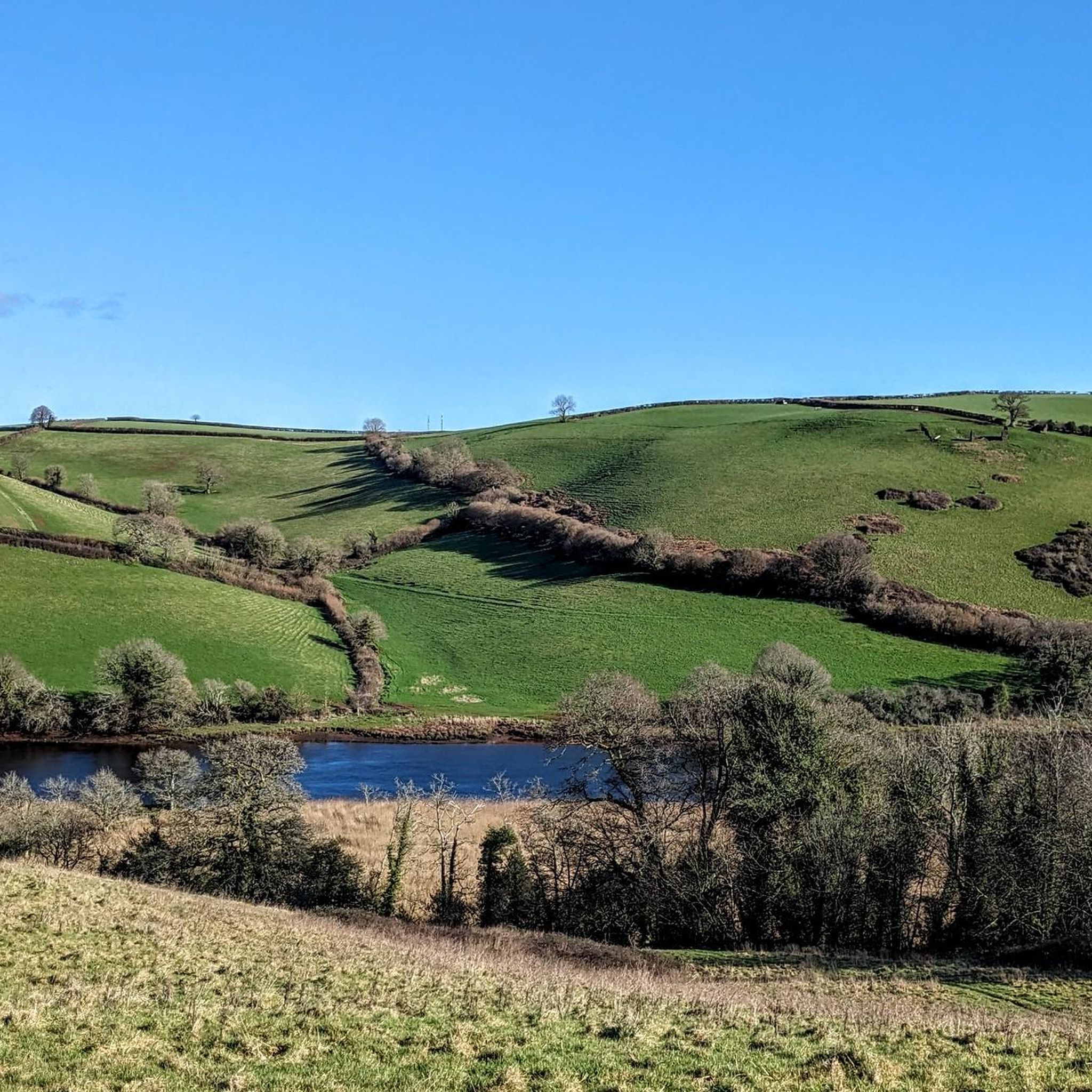
Great view and you often see horses. If you keep walking along the path, you can sometimes see sheep and fluffy cows too.
0
0
Frequently Asked Questions
What are the most popular natural monuments around Harberton?
The area around Harberton offers a variety of natural monuments. Among the most popular are Western Beacon Summit, known for its breathtaking views over Ivybridge and the South Hams, and Lydia Bridge Waterfall, a picturesque 17th or 18th-century stone packhorse bridge with a charming waterfall. Visitors also highly rate Butterdon Hill Summit for its expansive views across Dartmoor National Park.
Are there family-friendly natural monuments near Harberton?
Yes, several natural monuments are suitable for families. The Ancient Yew Tree of St Mary & St Gabriel Church is a fascinating spot, with the tree estimated to be between 1,000 and 2,000 years old. The nearby South Devon coastline, with beaches like Blackpool Sands and Bantham Beach, also offers excellent family-friendly opportunities for swimming, sandcastle building, and exploring rock pools.
What kind of natural features can I expect to see around Harberton?
Harberton is ideally situated to access diverse natural features. You can explore the scenic beauty of the River Dart, enjoy the stunning South Devon coastline with its beaches and coves, and discover the vast open moorland, granite tors, and ancient woodlands of Dartmoor National Park. Specific natural monuments include ancient trees, historic bridges with waterfalls, and prominent summits offering panoramic views.
What outdoor activities can I do near these natural monuments?
The region around Harberton is perfect for outdoor enthusiasts. You can enjoy hiking, walking, and cycling across varied terrains. The River Dart offers opportunities for watersports like sailing and paddleboarding. The South Devon coastline is ideal for swimming, surfing, and coastal path walking. For detailed routes, explore the hiking guide around Harberton or the gravel biking guide.
Are there hiking trails near the natural monuments?
Absolutely. Dartmoor National Park, home to summits like Western Beacon Summit and Butterdon Hill Summit, provides extensive hiking opportunities. You can find trails ranging from easy riverside walks along the Dart to more challenging routes across the moorland. For specific routes, check out the Hiking around Harberton guide, which includes easy loops like 'Totnes Town Centre – View of the River Dart'.
What is the best season to visit the natural monuments around Harberton?
The best season depends on your preferred activities. Spring and summer offer pleasant weather for coastal walks, watersports, and exploring Dartmoor's open spaces. Autumn brings beautiful colours to the woodlands and moorland. Winter can be dramatic on Dartmoor, offering rugged beauty, though some coastal paths might be windy. Always check local conditions before your visit.
Are there any historical natural monuments in the area?
Yes, the region is rich in historical natural monuments. Lydia Bridge Waterfall is a Grade II listed stone packhorse bridge dating back to the 17th or 18th century. On Dartmoor, Butterdon Hill Summit and Long Stone, Piles Hill feature ancient cairns, stone circles, and stone rows, offering glimpses into prehistoric times. The Ancient Yew Tree of St Mary & St Gabriel Church also holds significant historical value.
Can I find wild swimming spots near Harberton's natural monuments?
While specific wild swimming spots directly at the listed natural monuments are not detailed, the River Dart and the South Devon coastline offer potential opportunities. The clear waters of beaches like Blackpool Sands are popular for swimming. Always exercise caution, check local regulations, and be aware of currents and tides when considering wild swimming.
What are the options for mountain biking near these natural monuments?
Mountain biking is a popular activity in the area. You can find various routes, including those that pass by natural monuments like Lydia Bridge Waterfall. For a comprehensive list of trails, consult the MTB Trails around Harberton guide, which features routes of moderate difficulty, such as 'Lydia Bridge Waterfall – Shute Cross Fingerpost Sign loop'.
Are there any less crowded natural monuments to visit?
While popular spots like the summits on Dartmoor can attract visitors, the vastness of Dartmoor National Park itself offers many quieter areas. Exploring lesser-known paths on the moor or visiting coastal areas during off-peak times can provide a more serene experience. The River Dart also has tranquil stretches away from popular access points.
What kind of flora and fauna can I observe?
The diverse landscapes around Harberton support a rich variety of flora and fauna. On Dartmoor, you might encounter wild ponies, various bird species, and unique moorland plants. The South Devon coastline and Slapton Ley Nature Reserve are excellent for birdwatching and observing marine life. Riverside walks along the Dart offer chances to see local wildlife in a serene environment.
Are the natural monuments around Harberton accessible by public transport?
Access to some natural monuments, especially those within Dartmoor National Park or along the more remote parts of the coastline, can be challenging by public transport. Harberton itself is a rural village. It's often recommended to use a car to reach many of these natural attractions, though local bus services may connect to larger towns from which you can access certain areas. Always check specific routes and schedules in advance.
What amenities are available near the natural monuments?
Amenities vary depending on the specific location. Harberton and nearby villages offer pubs and cafes. Larger towns like Totnes, which is close to the River Dart, provide a wider range of shops, cafes, and restaurants. On Dartmoor, facilities can be sparse, so it's advisable to carry essentials. Coastal towns and villages near beaches like Blackpool Sands and Bantham Beach often have cafes and facilities, especially during peak season.
Most popular attractions around Harberton

Get inspired with the komoot mobile app


Explore more
Extend your search for the best caves by checking out these guides of the top ones around Harberton:
