Top 6 Natural Monuments around Luddington
Best natural monuments around Luddington offer a diverse landscape featuring historical parklands, elevated viewpoints, and expansive natural reserves. This region is characterized by its rolling hills, woodlands, and cultivated gardens, providing varied outdoor experiences. Visitors can explore areas with significant historical connections alongside natural beauty. The natural monuments here showcase a blend of managed estates and wilder, scenic spots.
Best natural monuments around Luddington
- The most popular natural monuments is Charlecote Park, a historical site and natural monument that…
Last updated: June 29, 2026
Charlecote Park
Highlight • Historical Site
Tip by

Welcombe Hills & Clopton Park
Highlight • Natural Monument
Tip by
Sign up now to discover places like this
Get recommendations on the best single tracks, peaks, & plenty of other exciting outdoor places.
Sign up for free
Ebrington Hill Summit
Highlight • Natural Monument
Tip by

Solitary tree at Hidcote Bartrim
Highlight • Natural Monument
Tip by

Large Tree in the Fields Near Edge Hill
Highlight • Natural
Tip by

Sign up for free to discover even more natural monuments around Luddington.
Sign up for free
Already have an account?
Start today with a free account
Your next adventure awaits.
Login or Signup
Tips from the Community

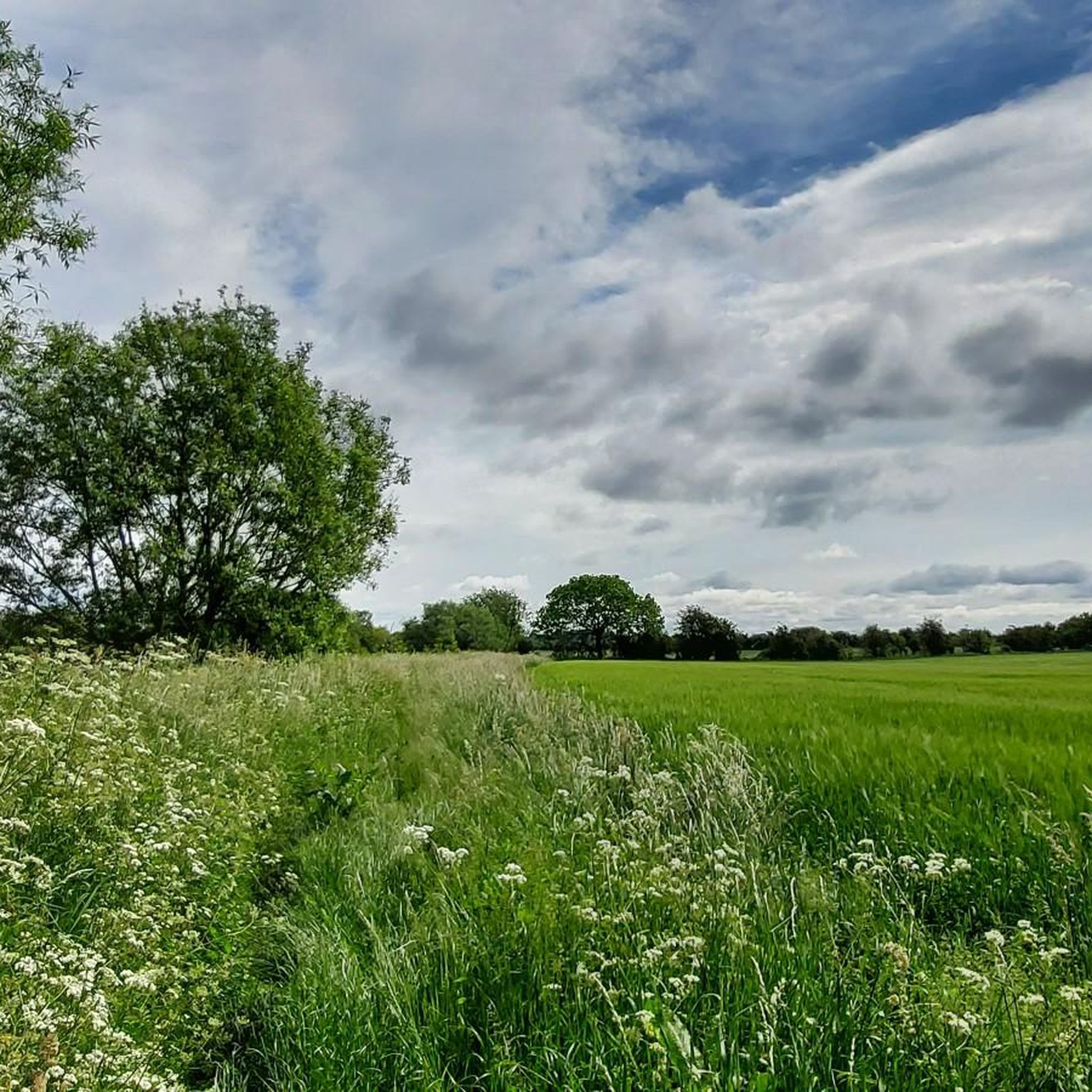
wildlife can be spotted in these fields if you are quiet and patient enough, you can catch a baby deer hopping around
0
0

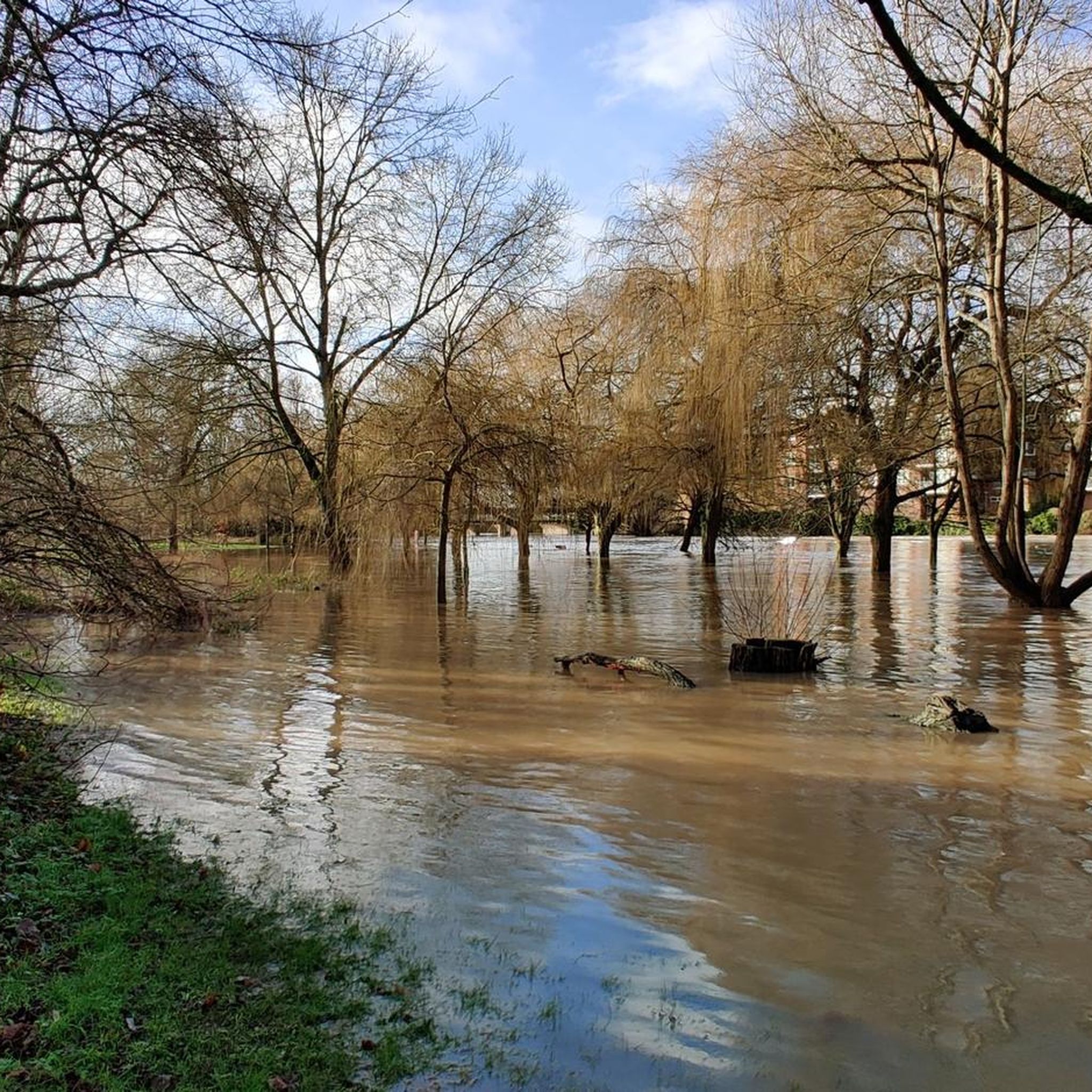
The Welcombe Hills and Clopton Park offer delightful walks through grassland and woodland. Woolly thistle, quaking-grass and the diminutive adder’s-tongue grow in the grasslands where ant hills created by yellow meadow ants are a distinctive feature. The woodland contains oak, horse-chestnut and beech with English elm. Birds are plentiful, with great spotted woodpecker, sparrowhawk, little owl, treecreeper and finches enjoying the woodland where ravens breed in spring. Brimstone butterflies are numerous in the spring sunshine. History of the Welcombe Hills: a Shakespearean tale The reserve may have got its name from a historic well found here with its inscription 'SJC 1686'. Margaret, daughter of William Clopton who died in 1592 supposedly drowned here. It was around this time that Shakespeare was writing his famous play, Hamlet, and its believed that this tragic event provided the inspiration for his 'Ophelia' and her lonely death.
0
0


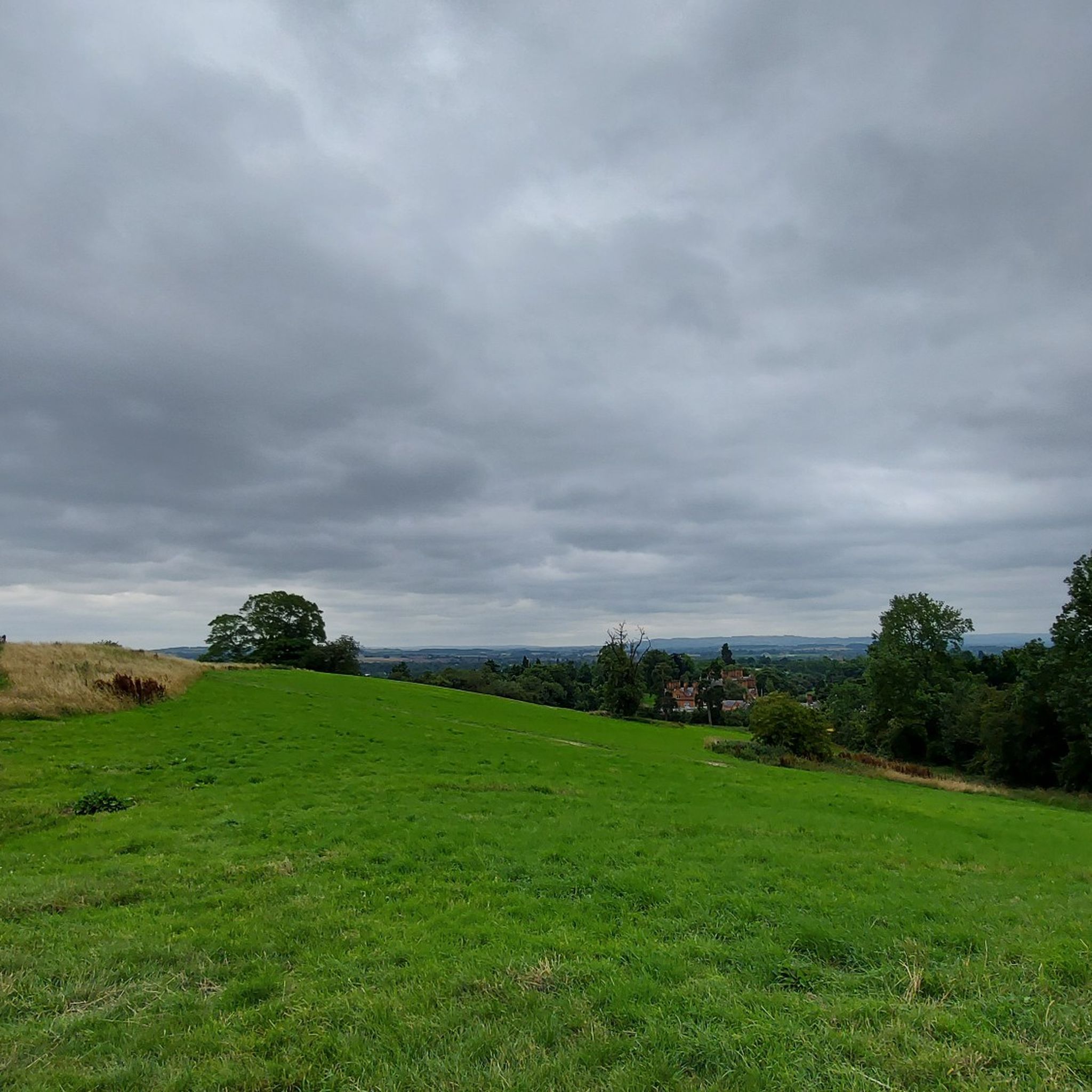
Standing at 856 feet (261 m), Ebrington Hill is the highest point in Warwickshire. From the summit, you can see Birmingham’s skyline to the north and the grand ridge of the Malvern Hills to the west. The hill is topped with radio masts and pleasant crop fields.
2
0
The Lucy family owned the land since 1247. Charlecote Park was built in 1558 by Sir Thomas Lucy, and Queen Elizabeth I stayed in the room that is now the drawing room. Although the general outline of the Elizabethan house remains, nowadays it is in fact mostly Victorian. Successive generations of the Lucy family had modified Charlecote Park over the centuries, but in 1823, George Hammond Lucy (High Sheriff of Warwickshire in 1831) inherited the house and set about recreating the house in its original style. Charlecote Park covers 185 acres (75 ha), backing on to the River Avon. William Shakespeare has been alleged to have poached rabbits and deer in the park as a young man and been brought before magistrates as a result. From 1605 to 1640 the house was organised by Sir Thomas Lucy. He had twelve children with Lady Alice Lucy who ran the house after he died. She was known for her piety and distributing alms to the poor each Christmas. Her eldest three sons inherited the house in turn and it then fell to her grandchild Sir Davenport Lucy. In the Tudor great hall, the 1680 painting Charlecote Park by Sir Godfrey Kneller, is said to be one of the earliest depictions of a black presence in the West Midlands (excluding Roman legionnaires). The painting, of Captain Thomas Lucy, shows a black boy in the background dressed in a blue livery coat and red stockings and wearing a gleaming, metal collar around his neck. The National Trust's Charlecote brochure describes the boy as a "black page boy". In 1735 a black child called Philip Lucy was baptised at Charlecote. The lands immediately adjoining the house were further landscaped by Capability Brown in about 1760. This resulted in Charlecote becoming a hostelry destination for notable tourists to Stratford from the late 17th to mid-18th century, including Washington Irving (1818), Sir Walter Scott (1828) and Nathaniel Hawthorn (c 1850). Charlecote was inherited in 1823 by George Hammond Lucy (d 1845), who married Mary Elizabeth Williams of Bodelwyddan Castle, from whose extensive diaries the current "behind the scenes of Victorian Charlecote" are based upon. GH Lucy's second son Henry inherited the estate from his elder brother in 1847. After the deaths of both Mary Elizabeth and Henry in 1890, the house was rented out by Henry's eldest daughter and heiress, Ada Christina (d 1943). She had married Sir Henry Ramsay-Fairfax, (d 1944), a line of the Fairfax Baronets, who on marriage assumed the name Fairfax-Lucy. From this point onwards, the family began selling off parts of the outlying estate to fund their extensive lifestyle, and post-World War II in 1946, Sir Montgomerie Fairfax-Lucy, who had inherited the residual estate from his mother Ada, presented Charlecote to the National Trust in-lieu of death duties. Sir Montgomerie was succeeded in 1965 by his brother, Sir Brian, whose wife, Lady Alice, researched the history of Charlecote, and assisted the National Trust with the restoration of the house.
1
0
Frequently Asked Questions
What types of natural monuments can I explore around Luddington?
Around Luddington, you can explore a diverse range of natural monuments. These include historical parklands with extensive grounds and deer parks like Charlecote Park, elevated viewpoints offering panoramic vistas such as Ebrington Hill Summit, and areas combining grassland and woodland for delightful walks, like Welcombe Hills & Clopton Park. You'll find a mix of cultivated gardens and wilder, scenic spots.
Are there family-friendly natural monuments in the Luddington area?
Yes, several natural monuments around Luddington are suitable for families. Charlecote Park is a historical site with expansive grounds and a deer park, perfect for family outings and picnics. Welcombe Hills & Clopton Park offers pleasant walks through diverse habitats, which can be enjoyed by all ages. Additionally, Hidcote Manor Garden provides intricate and vibrant garden 'rooms' that can captivate visitors of all ages.
What historical connections do these natural monuments have?
Many natural monuments in Luddington are rich in history. Charlecote Park, for instance, is a historical site dating back to 1558, with connections to Queen Elizabeth I and William Shakespeare. It features landscaping by Capability Brown. Welcombe Hills & Clopton Park also has historical associations, including a well believed to be the inspiration for Ophelia's death in Shakespeare's Hamlet. Hidcote Manor Garden is an Arts and Crafts-inspired garden created by Major Lawrence Johnston, now cared for by the National Trust.
Where can I find the best views or elevated points around Luddington?
For impressive views, head to Ebrington Hill Summit. Standing at 856 feet (261 m), it is the highest point in Warwickshire, offering distant views of Birmingham’s skyline to the north and the Malvern Hills to the west. Solitary tree at Hidcote Bartrim also provides scenic views, especially when surrounded by blooming rapeseed fields.
Are there opportunities for wildlife spotting near Luddington's natural monuments?
Yes, Welcombe Hills & Clopton Park is particularly known for its wildlife. The woodlands and grasslands are home to birds like great spotted woodpeckers, sparrowhawks, little owls, treecreepers, and finches, with ravens breeding in spring. Brimstone butterflies are also numerous in the spring sunshine. The deer park at Charlecote Park also offers chances to observe local deer.
What outdoor activities can I do near these natural monuments?
The area around Luddington offers various outdoor activities. You can find numerous running trails, road cycling routes, and easy hikes. For specific routes, explore the Running Trails around Luddington, Road Cycling Routes around Luddington, and Easy hikes around Luddington guides for detailed information.
Are there hiking trails near Luddington's natural monuments?
Yes, there are several hiking opportunities. Welcombe Hills & Clopton Park offers delightful walks through grassland and woodland. For easy hikes, you can explore routes like the Stratford Greenway loop or the Milcote Carriage Café loop. More options are available in the Easy hikes around Luddington guide.
What do visitors enjoy most about the natural monuments in Luddington?
Visitors frequently appreciate the blend of natural beauty and historical significance. The expansive grounds and deer park at Charlecote Park are popular for picnics and leisurely strolls. The panoramic views from Ebrington Hill Summit are often highlighted as worth the effort. The diverse habitats and wildlife at Welcombe Hills & Clopton Park also receive positive feedback for their tranquil walking experiences.
Can I find cultivated gardens among the natural monuments?
Yes, Hidcote Manor Garden is a prime example of a cultivated garden that is considered a natural monument. This Arts and Crafts-inspired garden is renowned for its intricate 'rooms' filled with vibrant plants and unique designs, making it a must-see in the Northern Cotswolds.
Are there any particularly picturesque spots for photography?
Absolutely. The Solitary tree at Hidcote Bartrim is noted for being particularly picturesque, especially when framed by blooming rapeseed fields. The extensive grounds and historical architecture of Charlecote Park also offer numerous scenic backdrops. Additionally, the summit views from Ebrington Hill Summit provide stunning landscape photography opportunities.
What is the highest point in the Luddington area?
The highest point in the Luddington area, and indeed in Warwickshire, is Ebrington Hill Summit. It stands at 856 feet (261 m) and offers expansive views across the landscape.
Most popular attractions around Luddington

Get inspired with the komoot mobile app


Explore more
Extend your search for the best caves by checking out these guides of the top ones around Luddington:
