Top 10 Natural Monuments around Stoke Gabriel
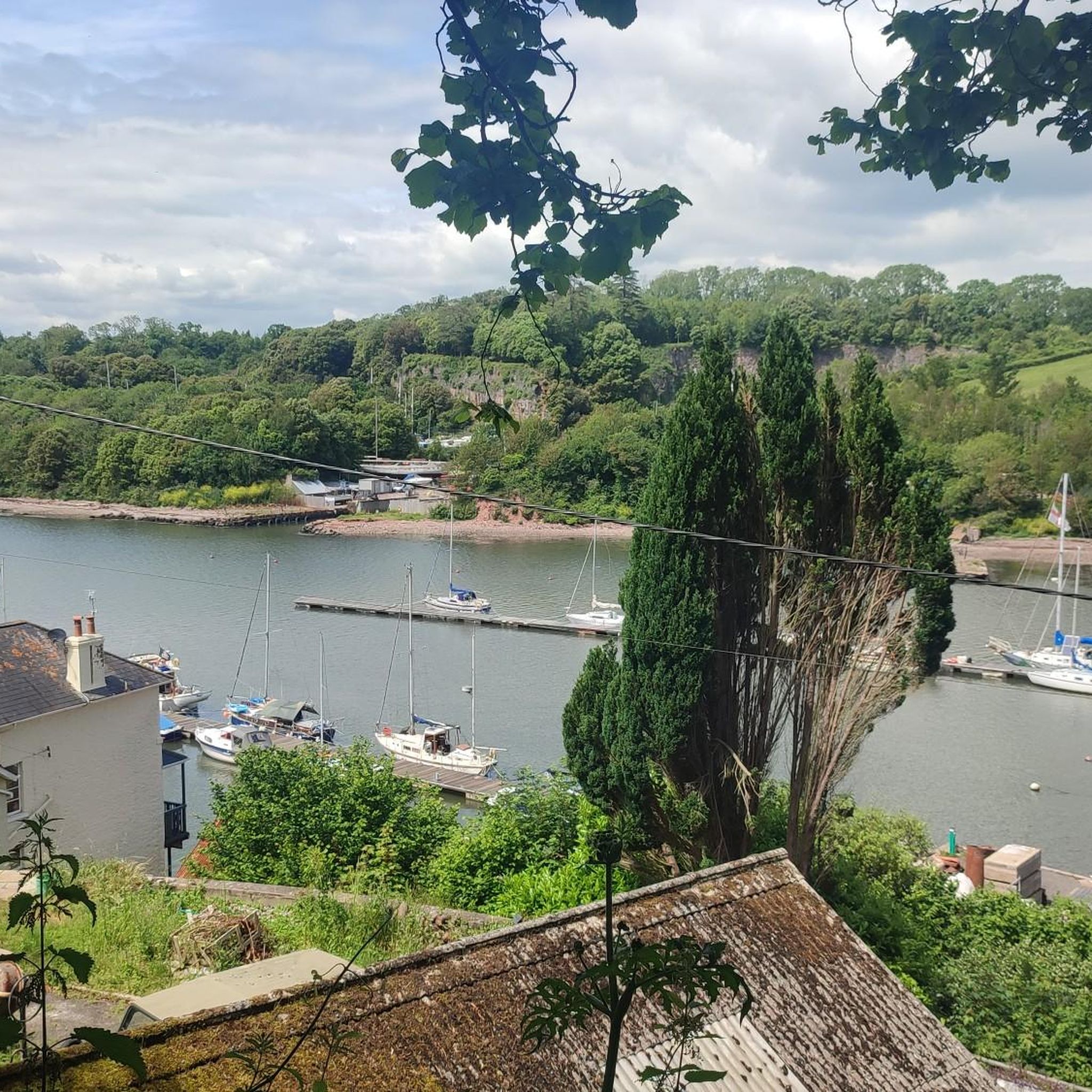
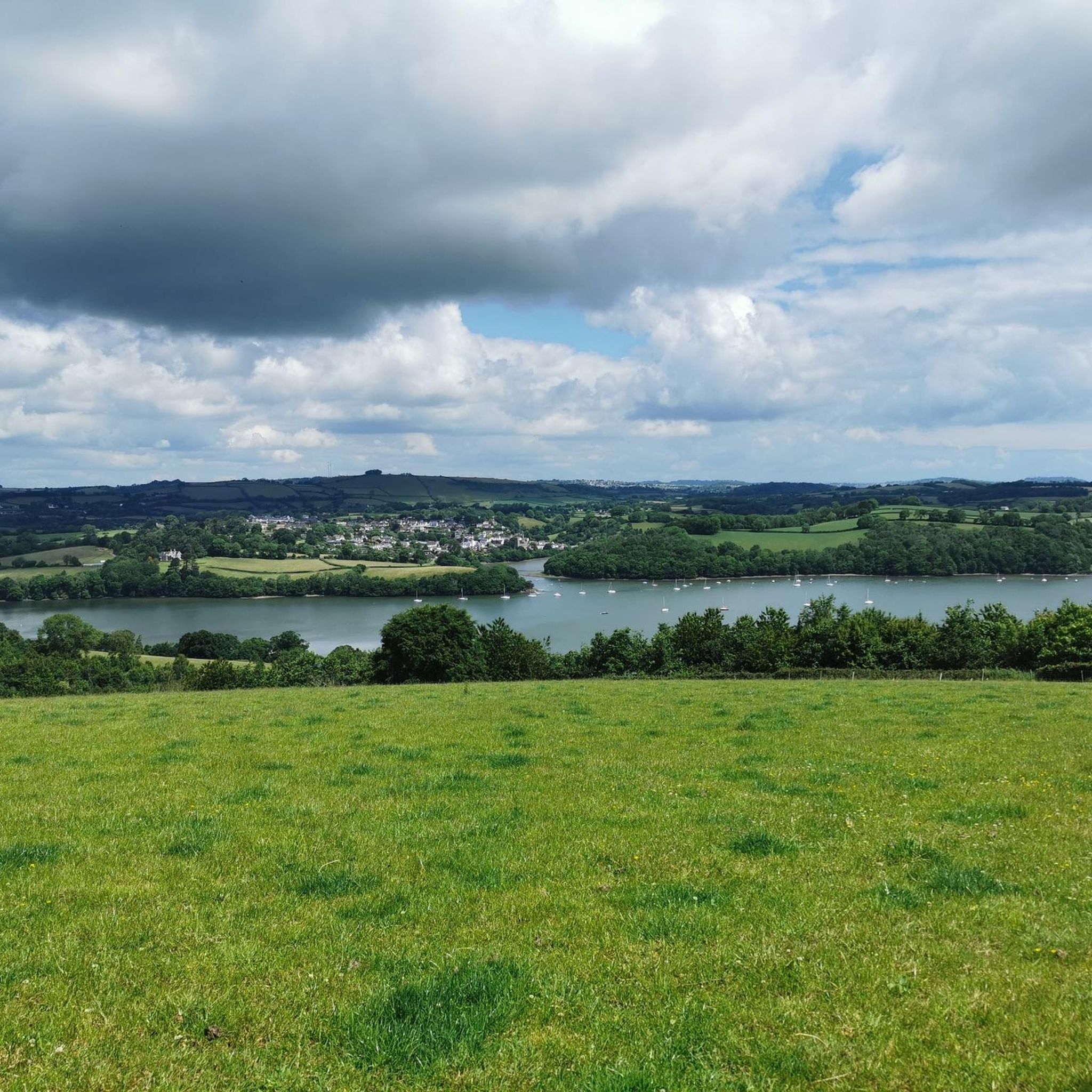
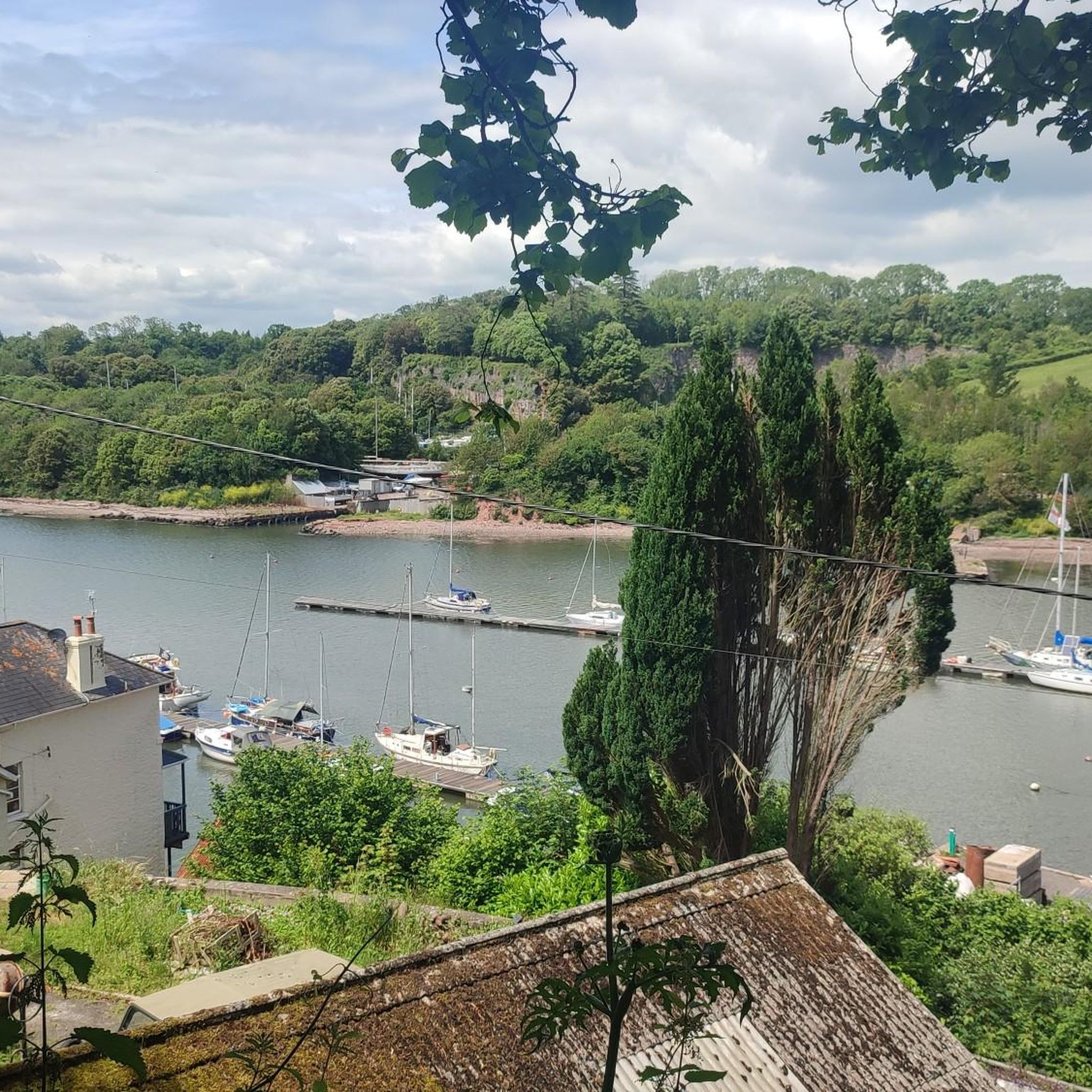
Best natural monuments around Stoke Gabriel include a variety of coastal features, historical sites, and ancient trees. The village is situated on a tranquil creek of the River Dart, nestled within the green rolling hills of the South Devon Area of Outstanding Natural Beauty. This region offers diverse landscapes, from dramatic headlands to serene churchyards. Visitors can explore geological formations, observe wildlife, and connect with local history.
Best natural monuments around Stoke Gabriel
- The most popular natural monuments is Berry…
Last updated: June 29, 2026
Gallants Bower Civil War Fort Ruins
Highlight • Viewpoint
Tip by

Berry Head Headland & Lighthouse
Highlight • Historical Site
Translated by Google •
Tip by

Sign up now to discover places like this
Get recommendations on the best single tracks, peaks, & plenty of other exciting outdoor places.
Sign up for free
Hopes Nose
Highlight • Viewpoint
Tip by

Ancient Yew Tree of St Mary & St Gabriel Church
Highlight • Natural
Tip by
Berry Head Cliffs and Guillemot Colony
Highlight • Viewpoint
The area is rich in wildlife, including birds such as cirl bunting, guillemot, fulmar, greenfinch, and peregrine …
Tip by
Sign up for free to discover even more natural monuments around Stoke Gabriel.
Sign up for free
Already have an account?
Start today with a free account
Your next adventure awaits.
Login or Signup
Tips from the Community

You can park up the top and walk down or walk the coast paths as we did,ground is very uneven and rocks get slippery bench half way down if you want to sit down and look at the views
2
0

The first church was built here in 1086. Even then, the "centuries-old yew tree" was mentioned - its age is now estimated at 1200 - 1400 years. Legend has it that anyone who manages to walk backwards around it 7 times will have one wish granted. In any case, it is a beautiful, ancient tree that looks pretty healthy and that you just want to hug!
2
0

We were able to see dolphins at the end of the headland. A great experience!
7
0

The Yew in the churchyard of St Mary & St Gabriel is thought to be between 1,000 and 2,000 years old. The carved wooden slices are from a Leyland Cyprus, they depict the important church events that would have happened in the last 2,000 years.
1
0
Gallants Bower is the remains of a fort built during the English Civil War. Today it's just the earth works and trees have grown on the slopes, but you can still see why this site was chosen in 1643. The views are amazing, both inland and out to sea so it's a perfect defensible position. The fort was built by the Royalists to help defend Dartmouth from the Roundheads. The fiercest fighting occurred in 1646 when the Roundheads attacked and defeated the town, then the castle and finally the last remaining Royalists surrendered from here. The National Trust look after the area now and the fort is a scheduled ancient monument.
3
0


From the National Trust, who own this site: Although now just a ruin, the Civil War fort is still an impressive place to explore with amazing 360-degree views across the estuary and inland. Stand with the Royalists at a Civil War fort Built between 1643 and 1645 to defend Dartmouth against the Parliamentarians, it saw the fiercest action in 1646, when it came under attack from Roundhead forces under General Fairfax. The Royalists having already fled the town and the castle finally retreated to Gallants Bower where they soon surrendered. Four years later the fort was dismantled. It is now one of the best-preserved in the country and is a Scheduled and Listed Ancient Monument. A great time to visit is when all the bluebells are out in late April – early May.
2
0

Berry Head is a dramatic headland with a lighthouse and a Napoleonic Fort. The area is rich in wildlife, including birds such as cirl bunting, guillemot, fulmar, greenfinch, and peregrine falcon, as well as adder, greater horseshoe bat, and myriad species of butterfly and wildflower. The cliffs are home to the largest guillemot colony to be found along the south coast of England.
1
0
Frequently Asked Questions
What natural features can I explore around Stoke Gabriel?
Stoke Gabriel offers a diverse range of natural features. You can discover dramatic coastal landscapes like Berry Head Headland & Lighthouse, which features cliffs, a lighthouse, and a Napoleonic Fort. The area is also known for its ancient trees, such as the remarkable Ancient Yew Tree of St Mary & St Gabriel Church, estimated to be over a thousand years old. The village itself is nestled on a tranquil creek of the River Dart, within the South Devon Area of Outstanding Natural Beauty, offering serene waterscapes and rich wildlife.
Are there any historical natural monuments in the area?
Yes, Stoke Gabriel is rich in historical natural monuments. Gallants Bower Civil War Fort Ruins offers a glimpse into 17th-century history with its earthworks and strategic views, once defending Dartmouth. The Berry Head Headland & Lighthouse also features a Napoleonic Fort. Additionally, the Ancient Yew Tree of St Mary & St Gabriel Church has stood for centuries, predating the current church building and witnessing significant historical events.
What are the best viewpoints to experience the natural beauty of Stoke Gabriel?
For breathtaking views, visit Berry Head Headland & Lighthouse, which offers expansive coastal vistas and the chance to spot dolphins. Hopes Nose provides unique geological insights with its 350 million-year-old Devonian limestone and evidence of raised beaches. Gallants Bower Civil War Fort Ruins also boasts amazing 360-degree views both inland and out to sea.
Are there family-friendly natural monuments around Stoke Gabriel?
Absolutely. The Berry Head Headland & Lighthouse is considered family-friendly, offering wildlife spotting opportunities and easy trails. The Ancient Yew Tree of St Mary & St Gabriel Church is also a fascinating stop for families, with its impressive age and local legend. The Mill Pond in Stoke Gabriel is a popular spot for crabbing, and the River Dart offers opportunities for kayaking and paddleboarding, which can be enjoyed by families.
What kind of wildlife can I expect to see near these natural monuments?
The natural monuments around Stoke Gabriel are rich in wildlife. At Berry Head Headland & Lighthouse and Berry Head Cliffs and Guillemot Colony, you can observe a significant guillemot colony, along with cirl bunting, fulmar, peregrine falcon, adder, greater horseshoe bat, and various butterflies and wildflowers. The River Dart and Mill Pond are home to kingfishers, herons, and seals.
What outdoor activities can I do near the natural monuments?
The area around Stoke Gabriel offers various outdoor activities. You can find numerous running trails, including moderate and difficult options, which often pass by scenic river views. There are also gravel biking routes that explore the wider region. For those who prefer a more relaxed pace, easy hiking trails are available, such as the 'Bollards on Woodland Path loop' or routes around the Stoke Gabriel Tidal Dam. You can find more details on these activities in the Running Trails around Stoke Gabriel, Gravel biking around Stoke Gabriel, and Easy hikes around Stoke Gabriel guides.
Are there easy walking routes to natural monuments in Stoke Gabriel?
Yes, there are several easy walking routes. For instance, the Ancient Yew Tree of St Mary & St Gabriel Church is easily accessible within the village. Many of the paths along the River Dart and around the Mill Pond are also gentle and suitable for leisurely strolls. For specific easy hiking routes, refer to the Easy hikes around Stoke Gabriel guide, which includes routes like the 'Stoke Gabriel Tidal Dam loop'.
What is the best time to visit the natural monuments around Stoke Gabriel?
The natural monuments around Stoke Gabriel can be enjoyed year-round. Late April to early May is particularly beautiful for visiting Gallants Bower Civil War Fort Ruins, as the bluebells are in bloom. Spring and summer offer pleasant weather for coastal walks and wildlife observation, especially for the guillemot colony at Berry Head. Autumn brings vibrant colors to the surrounding woodlands, and even winter walks can be rewarding for their peaceful atmosphere.
Can I bring my dog to the natural monuments?
Many outdoor areas around Stoke Gabriel are dog-friendly, especially walking trails and coastal paths. However, it's always advisable to check specific regulations for each site, particularly nature reserves or churchyards. For example, while the general area around Berry Head Headland & Lighthouse is popular with dog walkers, certain areas might require dogs to be on a lead to protect wildlife.
What geological features can be observed in the natural monuments?
The region offers interesting geological insights. At Hopes Nose, you can clearly see evidence of 350 million-year-old Devonian limestone and signs of raised beaches, indicating past sea level changes. The dramatic cliffs of Berry Head Headland & Lighthouse also showcase the powerful forces that shaped the coastline.
Are there any hidden natural monuments or lesser-known spots worth visiting?
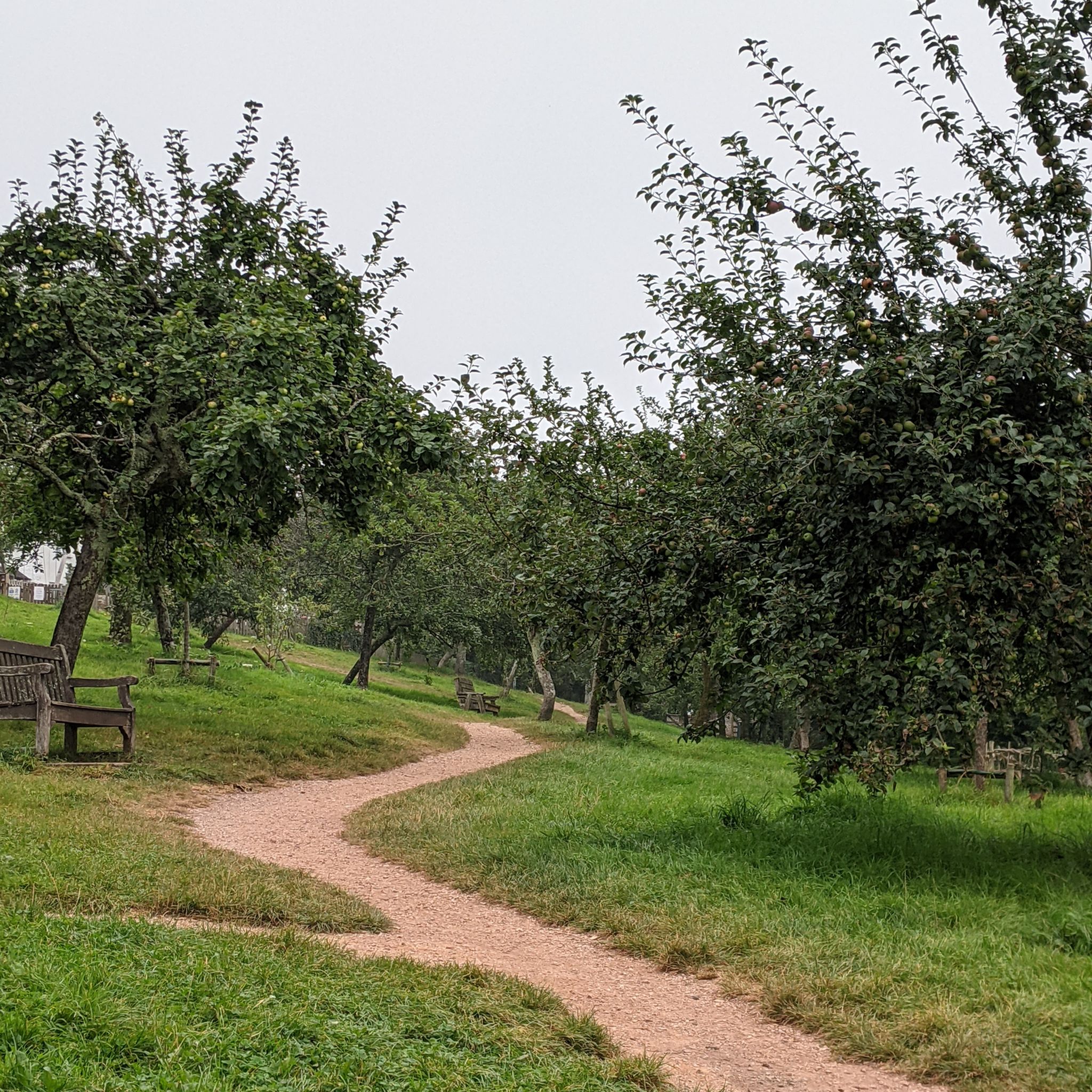
While the main highlights are well-known, the tranquil creek of the River Dart itself, flowing through Stoke Gabriel, offers many peaceful and less crowded spots for quiet contemplation and wildlife observation. Exploring the various footpaths along the riverbanks and through the parish apple orchard can reveal charming, unspoiled natural beauty away from the more prominent sites.
Most popular routes around Stoke Gabriel
Most popular attractions around Stoke Gabriel

Get inspired with the komoot mobile app


Explore more
Extend your search for the best caves by checking out these guides of the top ones around Stoke Gabriel:
