Top 9 Natural Monuments around Kingswear
Best natural monuments around Kingswear offer a diverse range of landscapes and historical sites along the River Dart and surrounding coastline. This picturesque village provides access to dramatic coastal scenery, ancient geological formations, and significant historical landmarks integrated into the natural environment. The area is characterized by its rugged cliffs, serene river valleys, and rich biodiversity, making it a notable destination for outdoor exploration.
Best natural monuments around Kingswear
- The most popular natural monuments is Berry Head Headland & Lighthouse…
Last updated: June 29, 2026
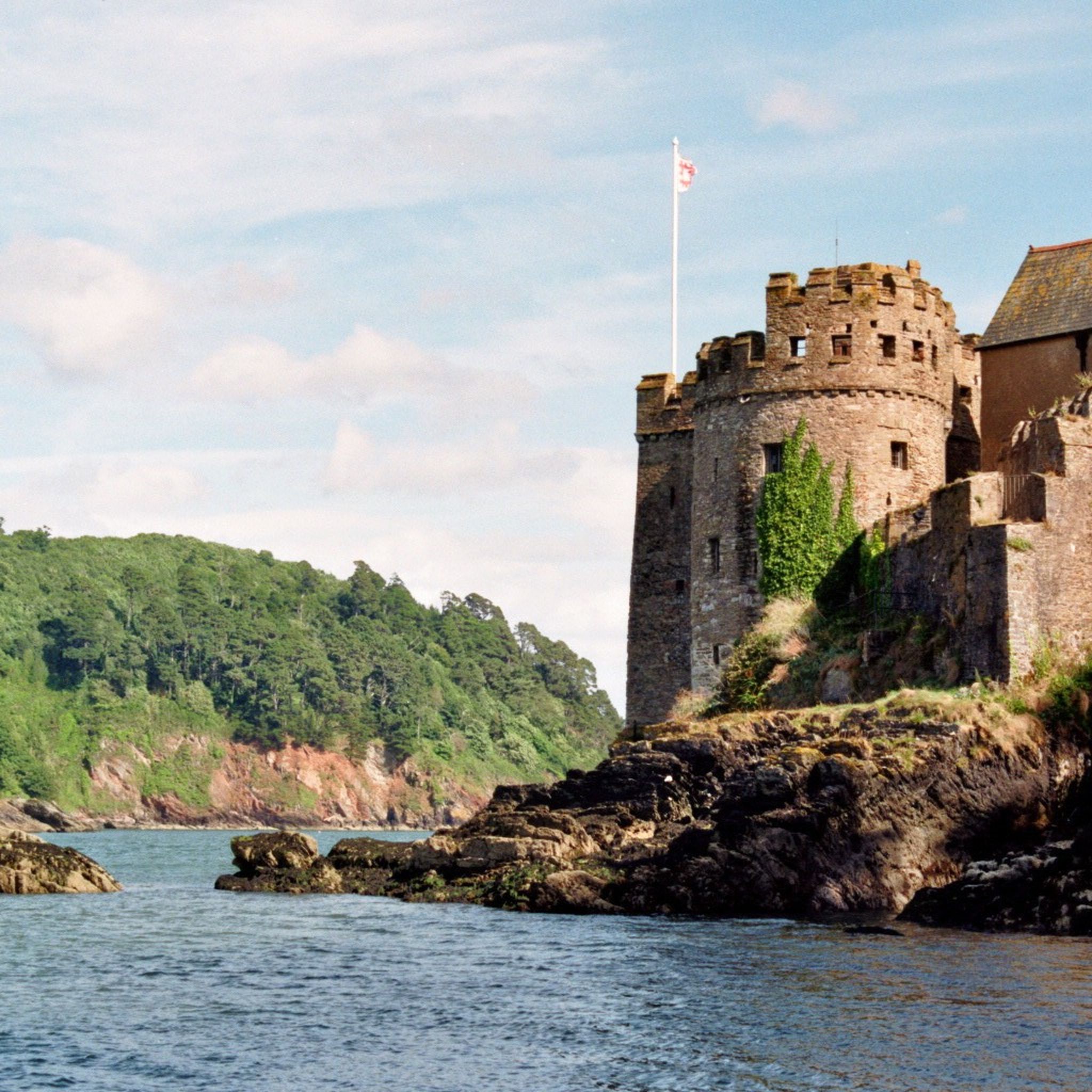
Gallants Bower Civil War Fort Ruins
Highlight • Viewpoint
Tip by

Berry Head Headland & Lighthouse
Highlight • Historical Site
Translated by Google •
Tip by

Sign up now to discover places like this
Get recommendations on the best single tracks, peaks, & plenty of other exciting outdoor places.
Sign up for free
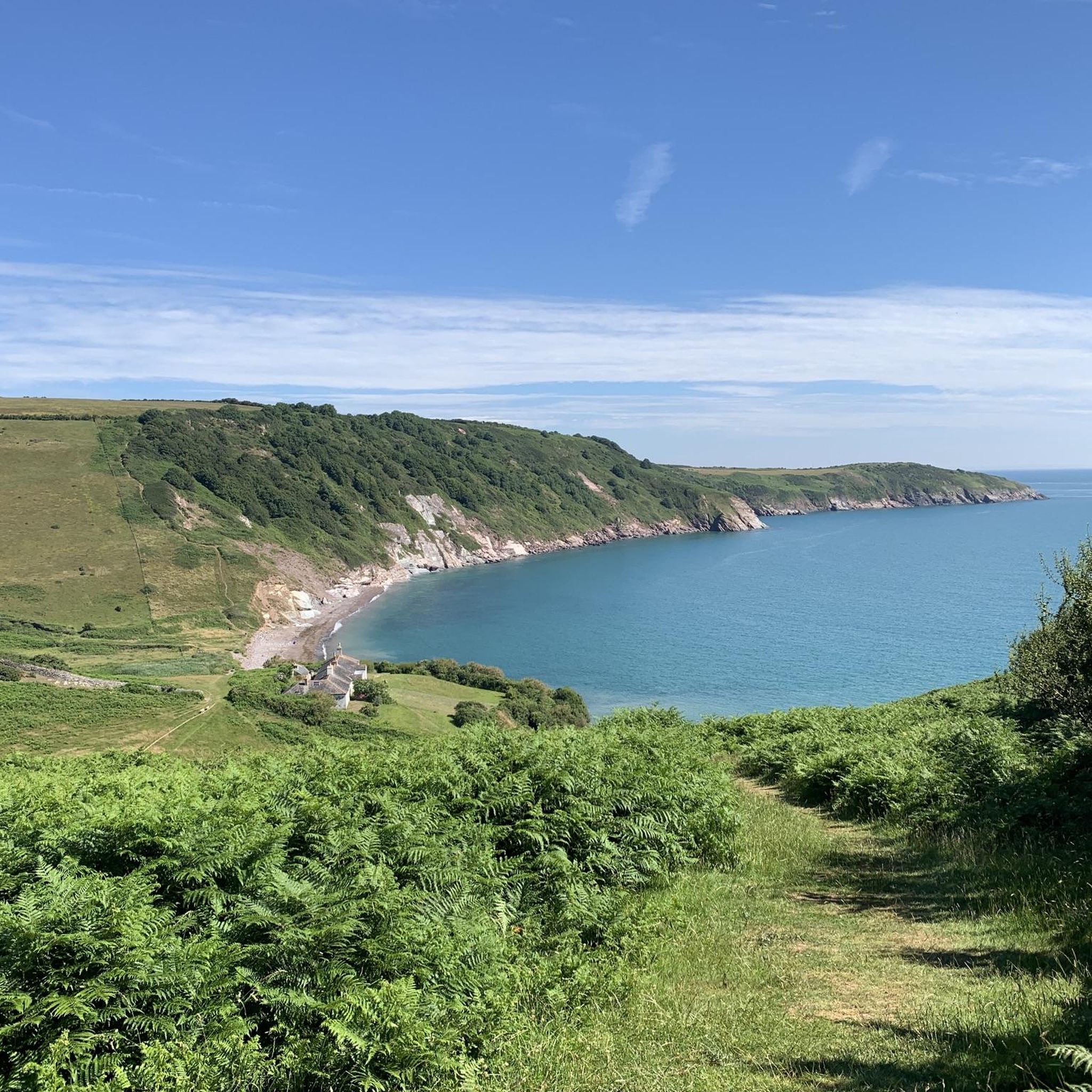
Hopes Nose
Highlight • Viewpoint
Tip by

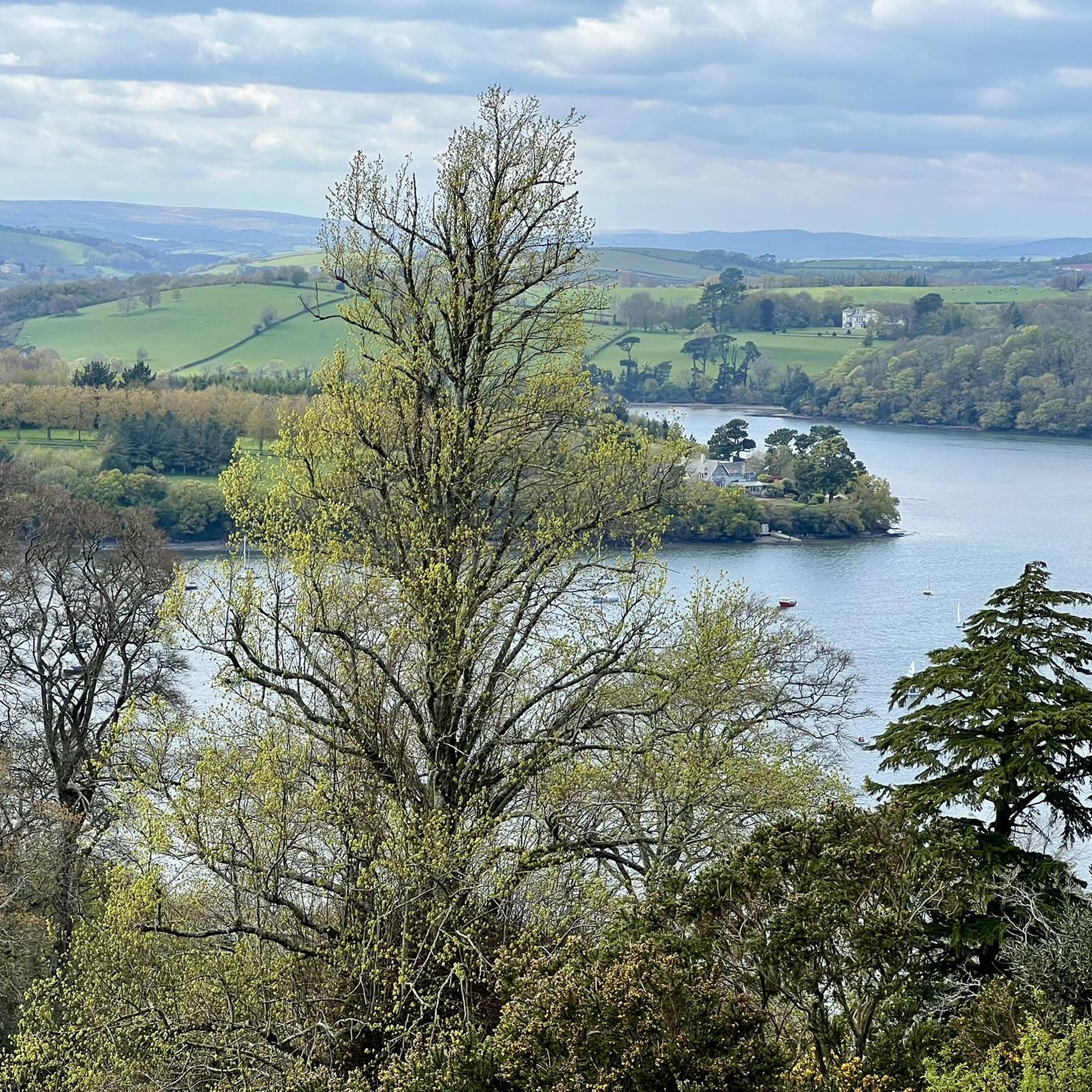
Ancient Yew Tree of St Mary & St Gabriel Church
Highlight • Natural
Tip by
Slapton Sands and Slapton Ley
Highlight • Natural Monument
Tip by
Sign up for free to discover even more natural monuments around Kingswear.
Sign up for free
Already have an account?
Start today with a free account
Your next adventure awaits.
Login or Signup
Tips from the Community

You can park up the top and walk down or walk the coast paths as we did,ground is very uneven and rocks get slippery bench half way down if you want to sit down and look at the views
2
0

The first church was built here in 1086. Even then, the "centuries-old yew tree" was mentioned - its age is now estimated at 1200 - 1400 years. Legend has it that anyone who manages to walk backwards around it 7 times will have one wish granted. In any case, it is a beautiful, ancient tree that looks pretty healthy and that you just want to hug!
2
0

We were able to see dolphins at the end of the headland. A great experience!
7
0

The Yew in the churchyard of St Mary & St Gabriel is thought to be between 1,000 and 2,000 years old. The carved wooden slices are from a Leyland Cyprus, they depict the important church events that would have happened in the last 2,000 years.
1
0
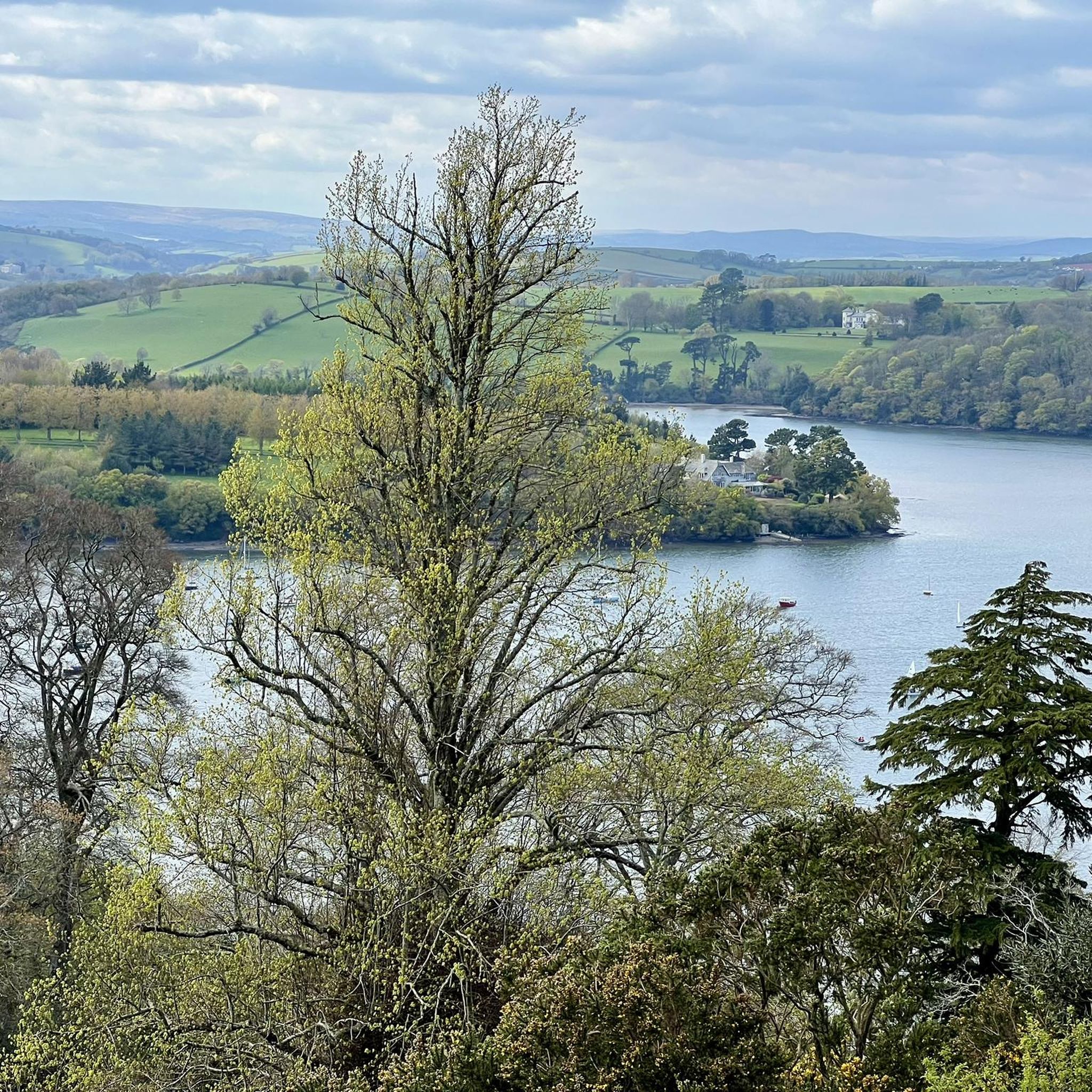
Gallants Bower is the remains of a fort built during the English Civil War. Today it's just the earth works and trees have grown on the slopes, but you can still see why this site was chosen in 1643. The views are amazing, both inland and out to sea so it's a perfect defensible position. The fort was built by the Royalists to help defend Dartmouth from the Roundheads. The fiercest fighting occurred in 1646 when the Roundheads attacked and defeated the town, then the castle and finally the last remaining Royalists surrendered from here. The National Trust look after the area now and the fort is a scheduled ancient monument.
3
0


From the National Trust, who own this site: Although now just a ruin, the Civil War fort is still an impressive place to explore with amazing 360-degree views across the estuary and inland. Stand with the Royalists at a Civil War fort Built between 1643 and 1645 to defend Dartmouth against the Parliamentarians, it saw the fiercest action in 1646, when it came under attack from Roundhead forces under General Fairfax. The Royalists having already fled the town and the castle finally retreated to Gallants Bower where they soon surrendered. Four years later the fort was dismantled. It is now one of the best-preserved in the country and is a Scheduled and Listed Ancient Monument. A great time to visit is when all the bluebells are out in late April – early May.
2
0
amazing views from this highest and lowest lighthouse
2
0
Frequently Asked Questions
What are some of the most popular natural monuments to visit around Kingswear?
Among the most popular natural monuments are Berry Head Headland & Lighthouse, known for its dramatic headland, lighthouse, and Napoleonic Fort, and Hopes Nose, where you can observe 350 million-year-old Devonian limestone formations. Visitors also highly rate Gallants Bower Civil War Fort Ruins for its historical significance and 360-degree views.
Are there any natural monuments around Kingswear that are particularly rich in history?
Yes, several natural monuments blend natural beauty with historical significance. Gallants Bower Civil War Fort Ruins offers insights into the English Civil War with its strategic position and panoramic views. The Berry Head Headland & Lighthouse also features a Napoleonic Fort, adding a historical layer to its natural drama. Additionally, the ancient Ancient Yew Tree of St Mary & St Gabriel Church is estimated to be between 1,000 and 2,000 years old, standing as a living historical monument.
What kind of wildlife can I expect to see at the natural monuments near Kingswear?
The natural monuments around Kingswear are excellent for wildlife spotting. At Berry Head Headland & Lighthouse and Berry Head Cliffs and Guillemot Colony, you can find a large seabird colony, including guillemots, fulmars, and peregrine falcons. The area is also home to cirl buntings, adders, greater horseshoe bats, and a variety of butterflies and wildflowers. Grey seals can sometimes be spotted from the headlands.
Are there family-friendly natural monuments or walks suitable for children around Kingswear?
Yes, Berry Head Headland & Lighthouse is considered family-friendly, offering impressive views and opportunities to see wildlife. While not strictly a 'natural monument' in the wild sense, the cultivated beauty of Coleton Fishacre Gardens, set within a stunning coastal valley, provides a unique and engaging experience for families. The Ancient Yew Tree of St Mary & St Gabriel Church is also a fascinating, easy-to-access site for all ages.
What are the best options for walking and hiking near Kingswear's natural monuments?
The South West Coast Path offers extensive walking opportunities with dramatic coastal scenery and panoramic views, connecting many natural and historical sites. From Kingswear, you can explore sections towards Brixham or along the Dart Estuary. The Dart Valley Trail provides a gentler alternative, winding through woodlands and farmland along the River Dart. For specific routes, consider the walks around Hopes Nose or the rewarding path to the Daymark, which showcases the headland's natural beauty.
Can I find circular walks that include natural monuments around Kingswear?
Yes, a particularly scenic circular walk passes Kingswear Castle and the Daymark, offering breathtaking views across Start Bay and the Dart Estuary. Many sections of the South West Coast Path can also be incorporated into circular routes, allowing you to experience diverse landscapes from rugged cliffs to tranquil beaches, often including natural landmarks and viewpoints.
What is the best time of year to visit the natural monuments in Kingswear?
The natural monuments around Kingswear are beautiful year-round, but spring and summer offer the best conditions for walking and wildlife viewing, especially for seabirds and wildflowers. Late April to early May is particularly good for seeing bluebells around sites like Gallants Bower Civil War Fort Ruins. Autumn provides stunning coastal panoramas with changing foliage, while winter walks can be dramatic, though some paths may be more challenging due to weather.
Are there cycling routes available near the natural monuments in Kingswear?
Yes, Kingswear offers various cycling opportunities. You can find several cycling routes, including touring bicycle, gravel biking, and road cycling options. For example, there are routes like the 'Brixham Marina – South Devon National Landscape loop' for touring bicycles, or the 'Totnes Town Centre – Dittisham Ferry loop' for gravel biking. You can explore more options on the Cycling around Kingswear, Gravel biking around Kingswear, and Road Cycling Routes around Kingswear guide pages.
What are the accessibility considerations for visiting natural monuments in Kingswear?
Access to natural monuments varies. While some areas like the main paths at Berry Head Headland & Lighthouse are generally accessible, many coastal paths, such as those near Hopes Nose, feature uneven terrain and can be challenging. The South West Coast Path often includes rugged cliffs and varying elevations. It's advisable to check specific route details for difficulty and terrain before visiting.
Where can I find panoramic viewpoints of the coast and estuary near Kingswear?
Kingswear is renowned for its dramatic coastal viewpoints. Gallants Bower Civil War Fort Ruins offers exceptional 360-degree views across the Dart Estuary and inland. The Daymark, an 80-foot stone tower, provides spectacular views across Start Bay and the Dart Estuary, especially at sunset. Berry Head Headland & Lighthouse also boasts unparalleled panoramic views of Torbay and the surrounding coastline.
Are dogs allowed at the natural monuments and on trails around Kingswear?
Many of the outdoor areas and trails, including sections of the South West Coast Path and walks around the Daymark, are dog-friendly. However, it's always recommended to keep dogs on a lead, especially in areas with livestock or ground-nesting birds, and to check specific site regulations, particularly for nature reserves or cultivated gardens like Coleton Fishacre, which may have restrictions.
What should I wear when exploring the natural monuments and trails in Kingswear?
Given the varied terrain and coastal weather, it's best to wear sturdy walking shoes or boots, as paths can be uneven and rocky, especially along the coast. Layers of clothing are advisable to adapt to changing conditions, and waterproof outerwear is recommended, as coastal weather can be unpredictable. Sun protection, even on cloudy days, is also important.
Are there any hidden natural gems or less-known spots to discover near Kingswear?
While many natural monuments are well-known, exploring the less-trafficked sections of the Dart Valley Trail can reveal tranquil riverine environments and hidden glimpses of wildlife. The walk to the Daymark, though a prominent landmark, offers a rewarding journey through a naturally rich headland that feels secluded. Keep an eye out for smaller coves and viewpoints along the South West Coast Path that might offer a more private experience.
Most popular attractions around Kingswear

Get inspired with the komoot mobile app


Explore more
Extend your search for the best caves by checking out these guides of the top ones around Kingswear:
