Top 8 Natural Monuments around Lighthorne
Best natural monuments around Lighthorne include diverse natural attractions and features that highlight the area's ecological and geological significance. The landscape is characterized by its solid geology of marls, mudstones, and limestones, deposited approximately 180 million years ago. Notable features include the prevalent White Lias limestone and the landscape shaped by Boulder Clay from the last Ice Age. These elements contribute to a varied natural environment for exploration.
Best natural monuments around Lighthorne
- The most popular natural monuments is Charlecote…
Last updated: October 16, 2026
Charlecote Park
Highlight • Historical Site
Tip by

Battle of Edgehill Site
Highlight • Historical Site
Tip by
Sign up now to discover places like this
Get recommendations on the best single tracks, peaks, & plenty of other exciting outdoor places.
Holy Well, Southam
Highlight • Natural Monument
Tip by

Barbed Poppies Memorial, Jephson Gardens
Highlight • Natural Monument
Tip by
Bishops Bowl Lakes
Highlight • Natural Monument
Tip by
Sign up for free to discover even more natural monuments around Lighthorne.
Already have an account?
Start today with a free account
Your next adventure awaits.
Tips from the Community

It is an unusual half-moon stone structure holding the water, with three strange heads out of whose mouths the water flows down to the river.
0
0

This is the location of the Battle of Edgehill, a pitched battle of the First English Civil War occurring on Sunday 23rd October 1642. A detailed information board stands here describing how the event unfolded, offering a fascinating window into the area's past.
1
0

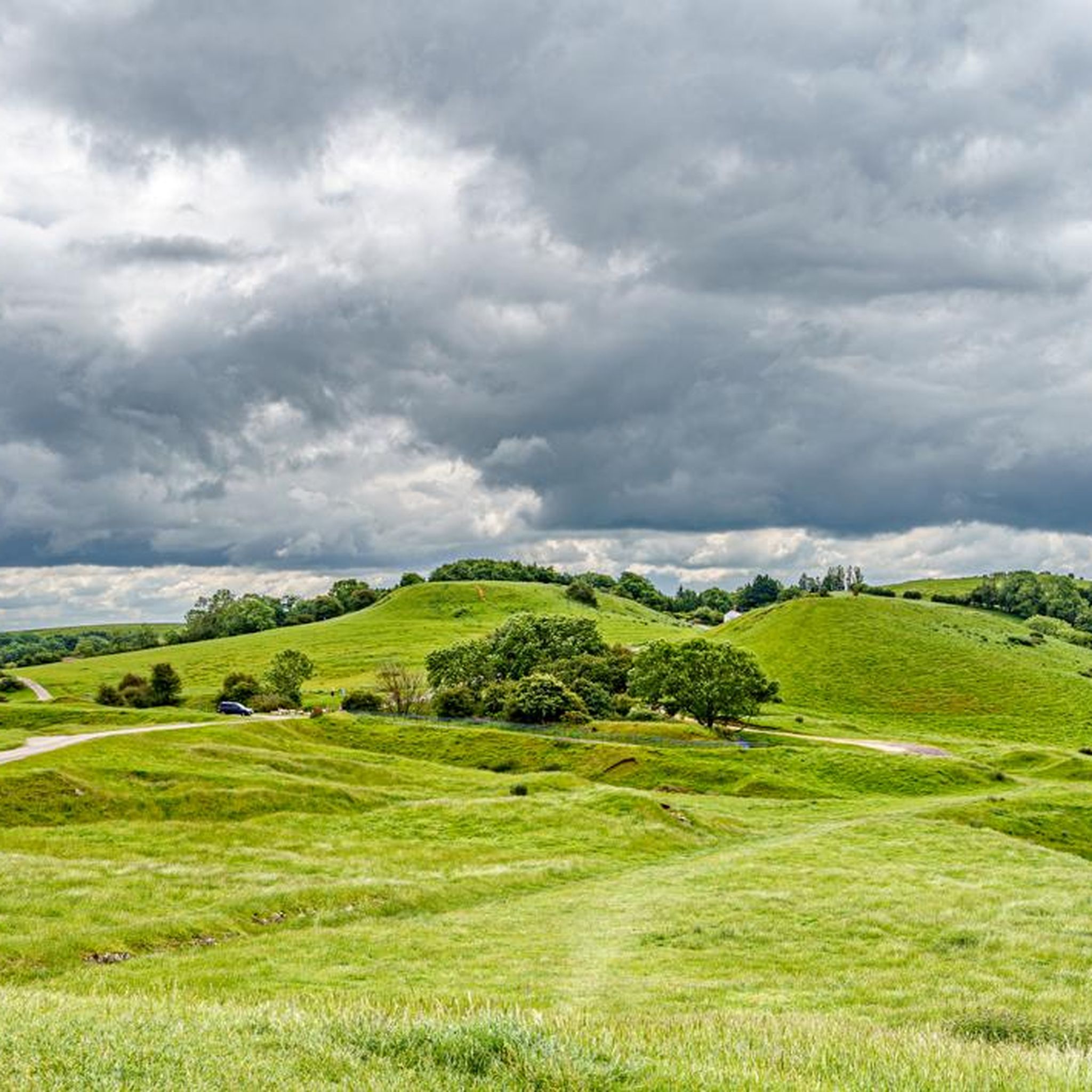
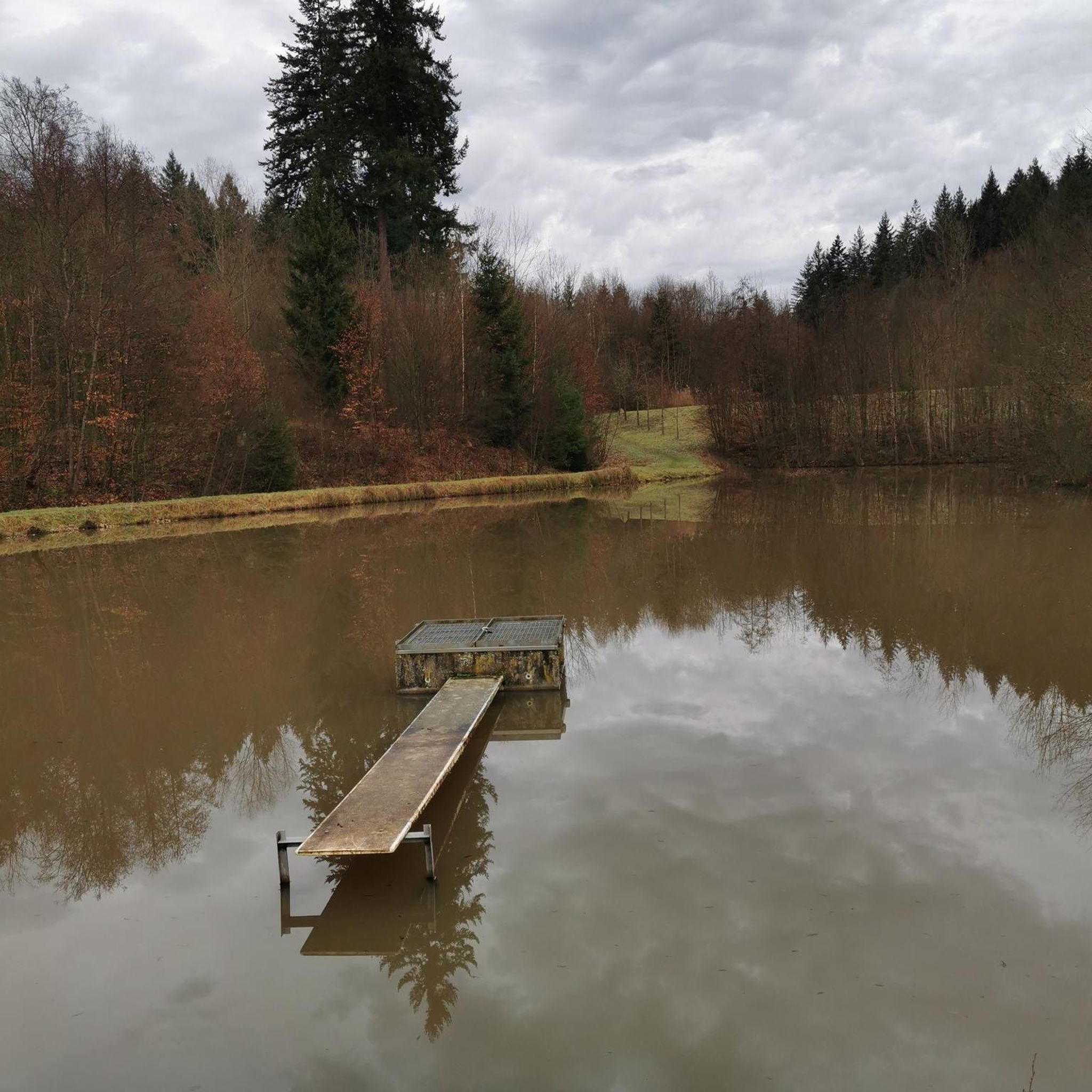
We had to double back on ourselves slightly to see the lakes, as they were hidden behind a hedge
0
1

If you follow the beautiful trail that departs from Southam heading east and runs alongside the River Stowe, you will come across The Holy Well, believed to be the oldest recorded Holy Well in England. It has been there for over a thousand years, with its most recent renovation taking place almost twenty years ago.
1
0

The Battle of Edgehill (or Edge Hill) was a pitched battle of the First English Civil War. It was fought near Edge Hill and Kineton in southern Warwickshire on Sunday, 23 October 1642. All attempts at constitutional compromise between King Charles and Parliament broke down early in 1642. Both the King and Parliament raised large armies to gain their way by force of arms. In October, at his temporary base near Shrewsbury, the King decided to march to London in order to force a decisive confrontation with Parliament's main army, commanded by the Earl of Essex. Late on 22 October, both armies unexpectedly found the enemy to be close by. The next day, the Royalist army descended from Edge Hill to force battle. After the Parliamentarian artillery opened a cannonade, the Royalists attacked. Both armies consisted mostly of inexperienced and sometimes ill-equipped troops. Many men from both sides fled or fell out to loot enemy baggage, and neither army was able to gain a decisive advantage.
1
0


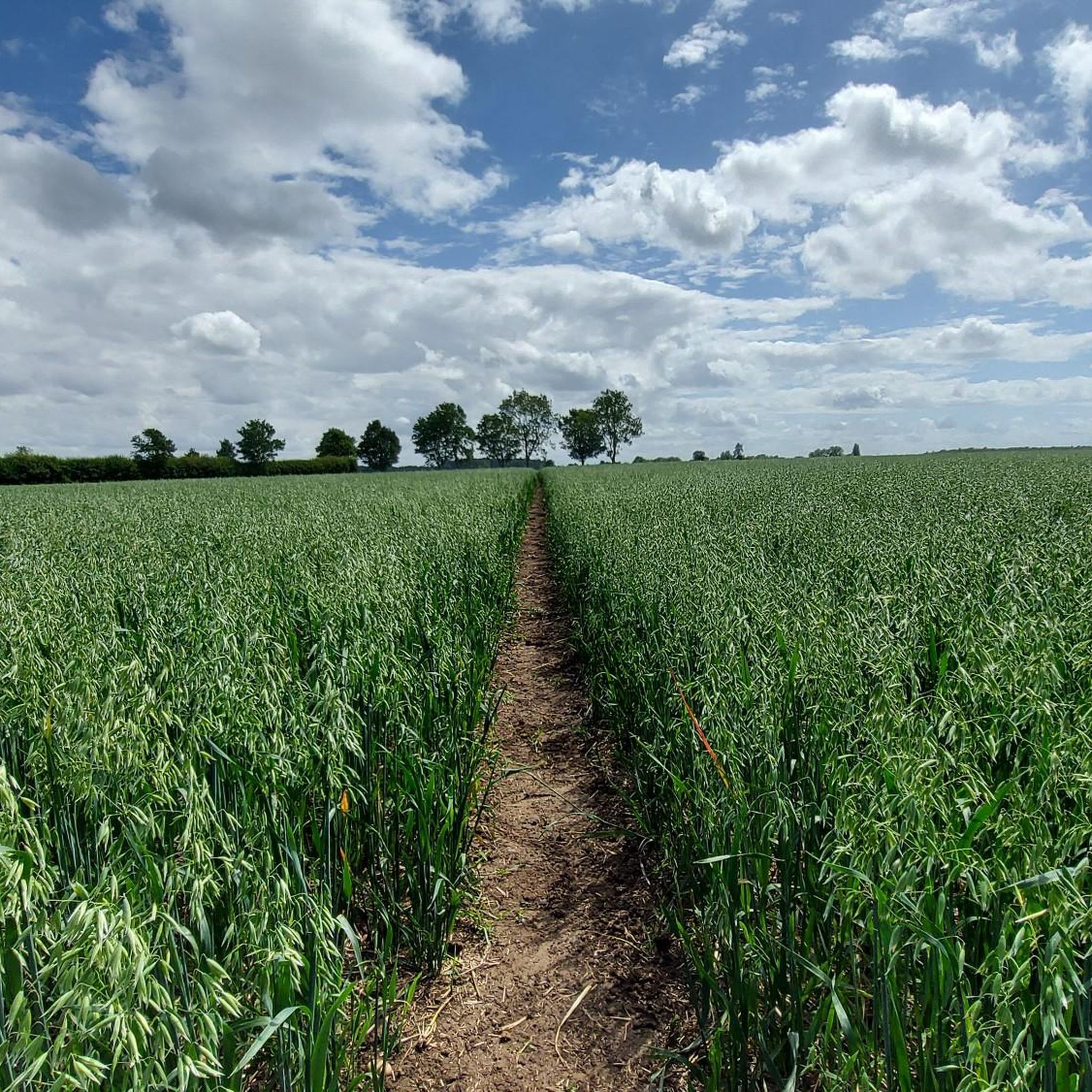
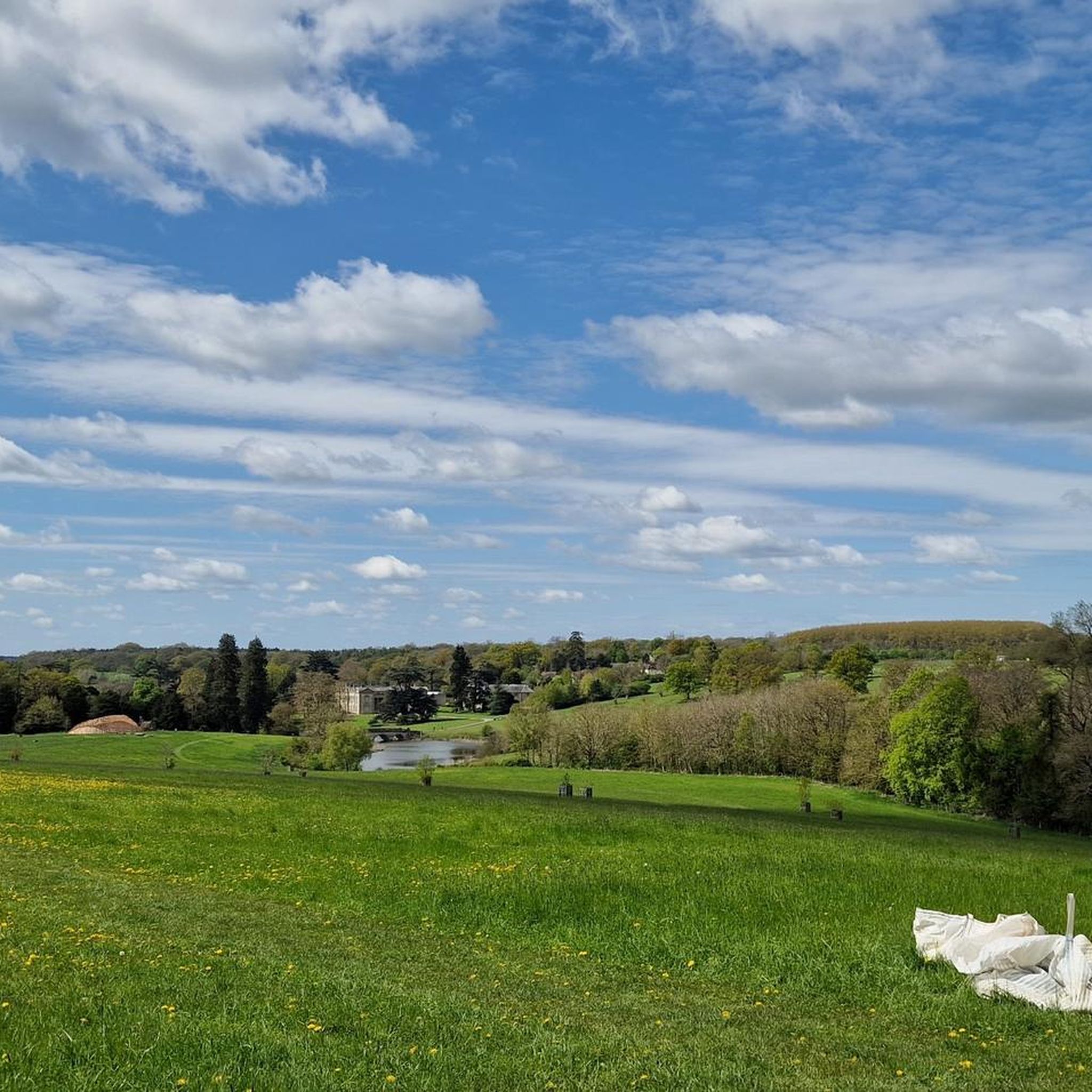
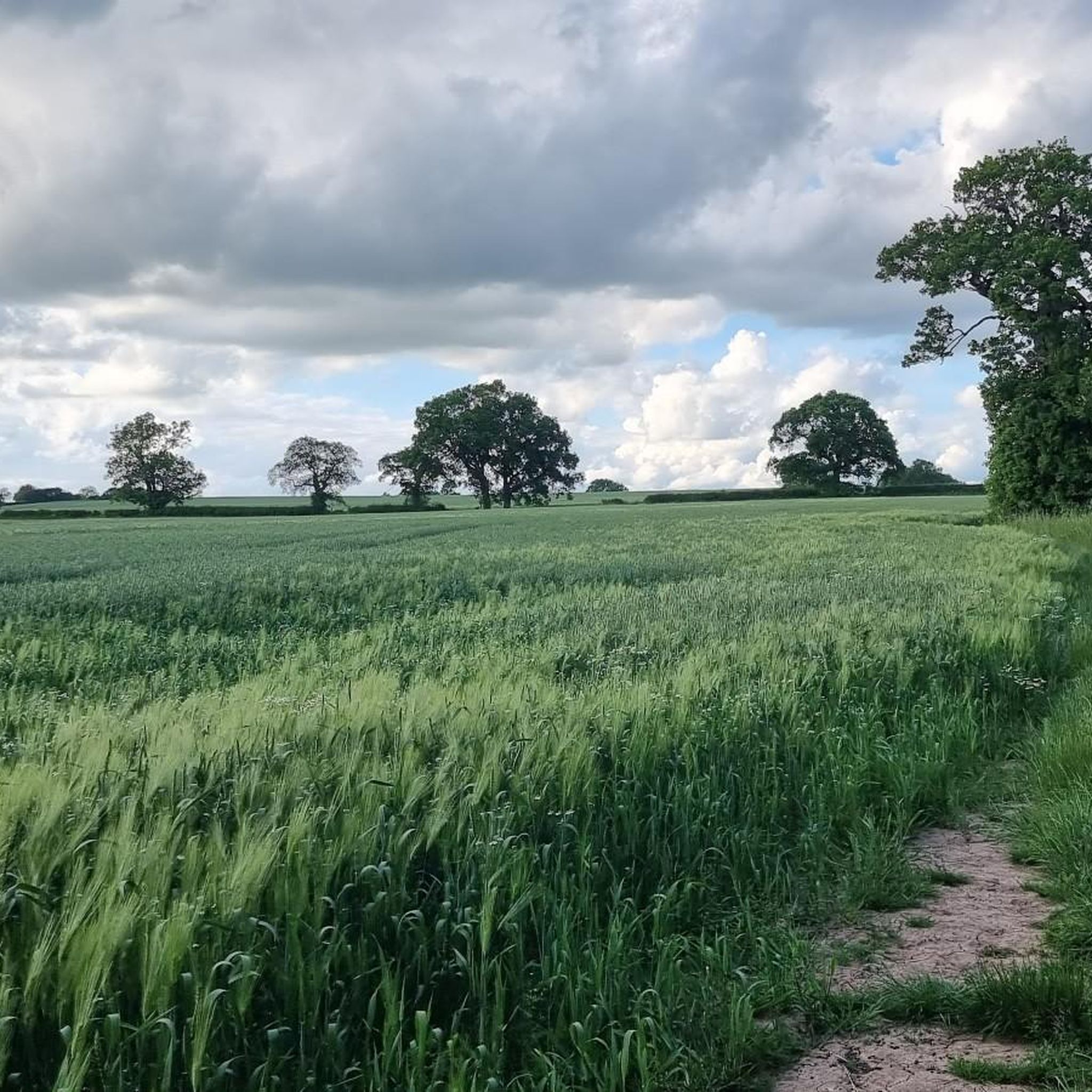
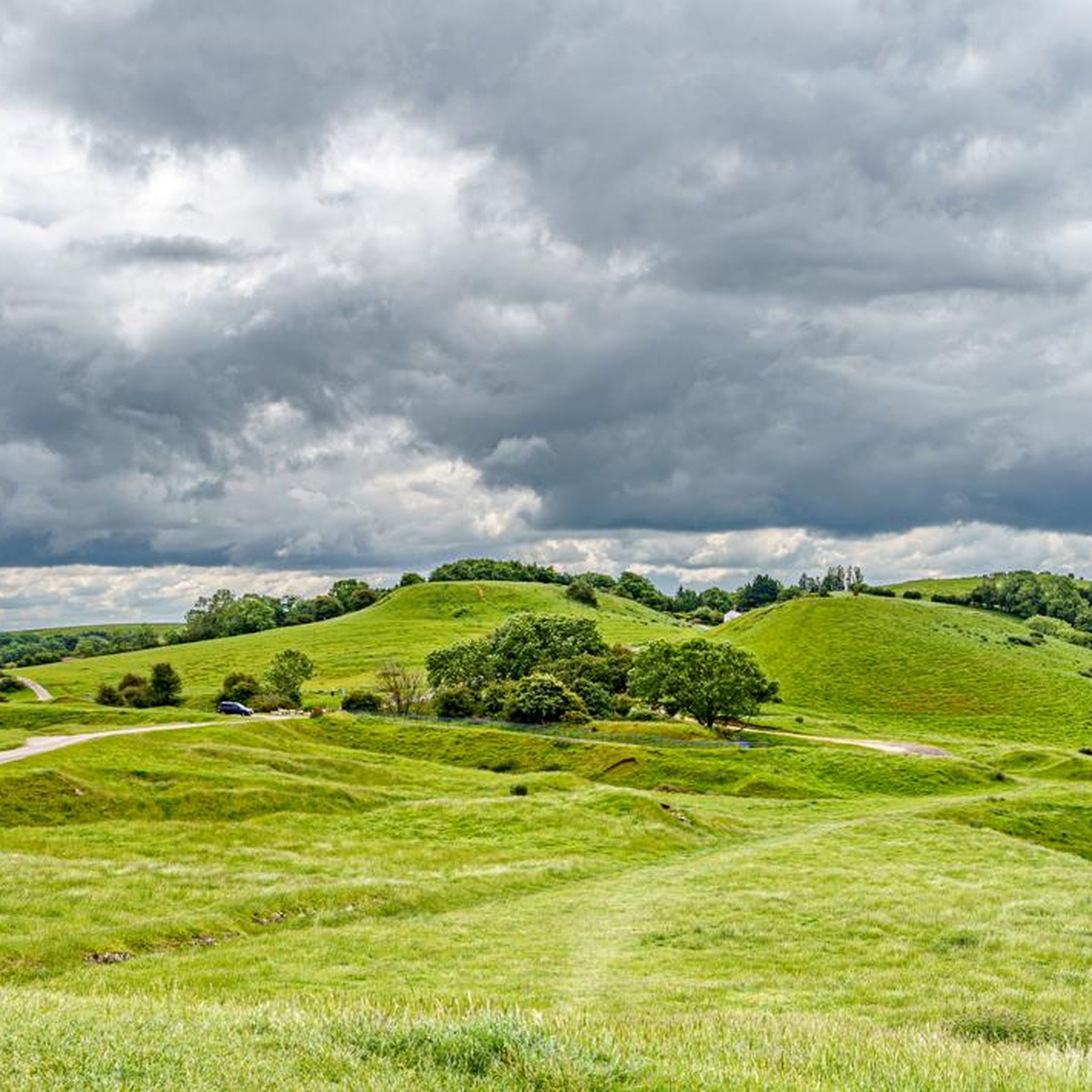
Views over the Warwickshire plains, edge hill was one of the battles in the English Civil war
0
0
Frequently Asked Questions
What unique natural features can I discover around Lighthorne?
Lighthorne offers a variety of natural features, including the diverse habitats of the Leam Valley Nature Reserve, where you can spot kingfishers and otters. You can also explore Gaydon Coppice, a broadleaf woodland rich in ash and oak trees with a vibrant ground flora including bluebells. The area's geology itself is notable, with prevalent White Lias limestone and landscapes shaped by Boulder Clay from the last Ice Age, offering insights into its ancient past.
Are there any historical natural monuments in the Lighthorne area?
Yes, the region is rich in historical natural monuments. You can visit the Battle of Edgehill Site, which marks a significant event of the First English Civil War. Another historical site is Holy Well, Southam, believed to be the oldest recorded Holy Well in England, with stonework dating back centuries. Additionally, Charlecote Park, while a historical estate, features expansive grounds and a deer park landscaped by Capability Brown, making it a natural monument with deep historical roots.
Are there family-friendly natural monuments to visit near Lighthorne?
Absolutely. Charlecote Park is highly recommended for families, offering expansive grounds and a deer park perfect for picnics and exploration. The Battle of Edgehill Site provides an educational outing with an information board detailing its historical significance. The Leam Valley Nature Reserve is also excellent for families interested in wildlife spotting and gentle walks.
What kind of wildlife can I expect to see in the natural areas around Lighthorne?
The Leam Valley Nature Reserve is a prime location for wildlife observation. Visitors often spot kingfishers, otters, grass snakes, and a variety of dragonflies and damselflies. The reserve's diverse habitats also support a rich array of wildflowers like river marsh-marigold, yellow iris, and purple-loosestrife. In woodlands like Gaydon Coppice, you'll find typical woodland birds and insects amidst the ash, oak, and hazel trees.
Can I find any geological points of interest or fossils in the Lighthorne area?
Yes, the geology of Lighthorne is quite significant. The area's solid geology consists of marls, mudstones, and limestones from the Triassic period. Notably, Bishops Bowl Lakes, a former limestone quarry, is recorded as a site of scientific interest due to its rich marine fossils, including ichthyosaur and plesiosaur skeletons found in the Blue Lias formation.
What outdoor activities can I do near these natural monuments?
The Lighthorne area offers various outdoor activities. You can explore numerous routes for road cycling, mountain biking, and gravel biking. For example, there are easy road cycling routes like the 'View of Chesterton Windmill' loop, or more challenging gravel biking routes such as the 'Hatton Locks' loop. You can find more details on these activities and routes in the dedicated guides for Road Cycling Routes around Lighthorne, MTB Trails around Lighthorne, and Gravel biking around Lighthorne.
Are there any natural monuments that are wheelchair accessible?
The Barbed Poppies Memorial in Jephson Gardens is noted as wheelchair accessible. While not a natural formation, it is categorized as a natural monument due to its setting and commemorative nature, offering an accessible outdoor experience.
What is the best time of year to visit the natural monuments around Lighthorne?
The best time to visit largely depends on your interests. Spring (April-May) is ideal for seeing wildflowers like bluebells in woodlands such as Gaydon Coppice and enjoying the fresh greenery of the Leam Valley Nature Reserve. Summer (June-August) offers pleasant weather for longer walks and wildlife spotting. Autumn (September-October) brings beautiful foliage colors to the woodlands. While some areas are accessible year-round, winter conditions can make certain trails muddy.
Are there dog-friendly natural monuments or walks in the Lighthorne area?
Many natural areas around Lighthorne are dog-friendly, though leash laws may apply. Charlecote Park often welcomes dogs in designated areas of its expansive grounds. The Leam Valley Nature Reserve and Gaydon Coppice are generally suitable for dog walks, but always check local signage for specific rules regarding pets, especially concerning wildlife protection.
Where can I find information about the local geology of Lighthorne?
The geology of Lighthorne is a significant natural aspect of the area. You can find detailed information about the local geological formations, including the marls, mudstones, limestones, and the impact of the last Ice Age's Boulder Clay, in local geological surveys and environmental reports. For specific local insights, the document available at stratford.gov.uk provides valuable context on Lighthorne Heath's unique wetland environment.
What do visitors enjoy most about the natural monuments around Lighthorne?
Visitors frequently appreciate the blend of natural beauty and historical significance. The expansive grounds and deer park at Charlecote Park are often highlighted as a great day out for picnics. The detailed information at the Battle of Edgehill Site offers a fascinating window into the past. Many are also captivated by the unique geological history and marine fossils found at Bishops Bowl Lakes, and the ancient charm of Holy Well, Southam.
Most popular routes around Lighthorne
Most popular attractions around Lighthorne

Get inspired with the komoot mobile app


Explore more
Extend your search for the best caves by checking out these guides of the top ones around Lighthorne:
