Top 5 Natural Monuments around Butlers Marston
Best natural monuments around Butlers Marston include a variety of natural attractions and significant landscapes. The area features expansive parklands, historical battle sites with scenic views, and protected natural habitats. These locations offer opportunities for outdoor activities and exploration of the local topography. Butlers Marston's surroundings provide a blend of natural beauty and historical context.
Best natural monuments around Butlers Marston
- The most popular natural monuments is Charlecote Park, a historical site and natural monument that is a National…
Last updated: June 29, 2026
Charlecote Park
Highlight • Historical Site
Tip by

Battle of Edgehill Site
Highlight • Historical Site
Tip by
Sign up now to discover places like this
Get recommendations on the best single tracks, peaks, & plenty of other exciting outdoor places.
Sign up for free
Holy Well, Burton Dassett
Highlight • Historical Site
Tip by
Burton Dassett Country Park
Highlight • Trail
Tip by

Harts Hill
Highlight • Natural Monument
Tip by
Sign up for free to discover even more natural monuments around Butlers Marston.
Sign up for free
Already have an account?
Start today with a free account
Your next adventure awaits.
Login or Signup
Tips from the Community

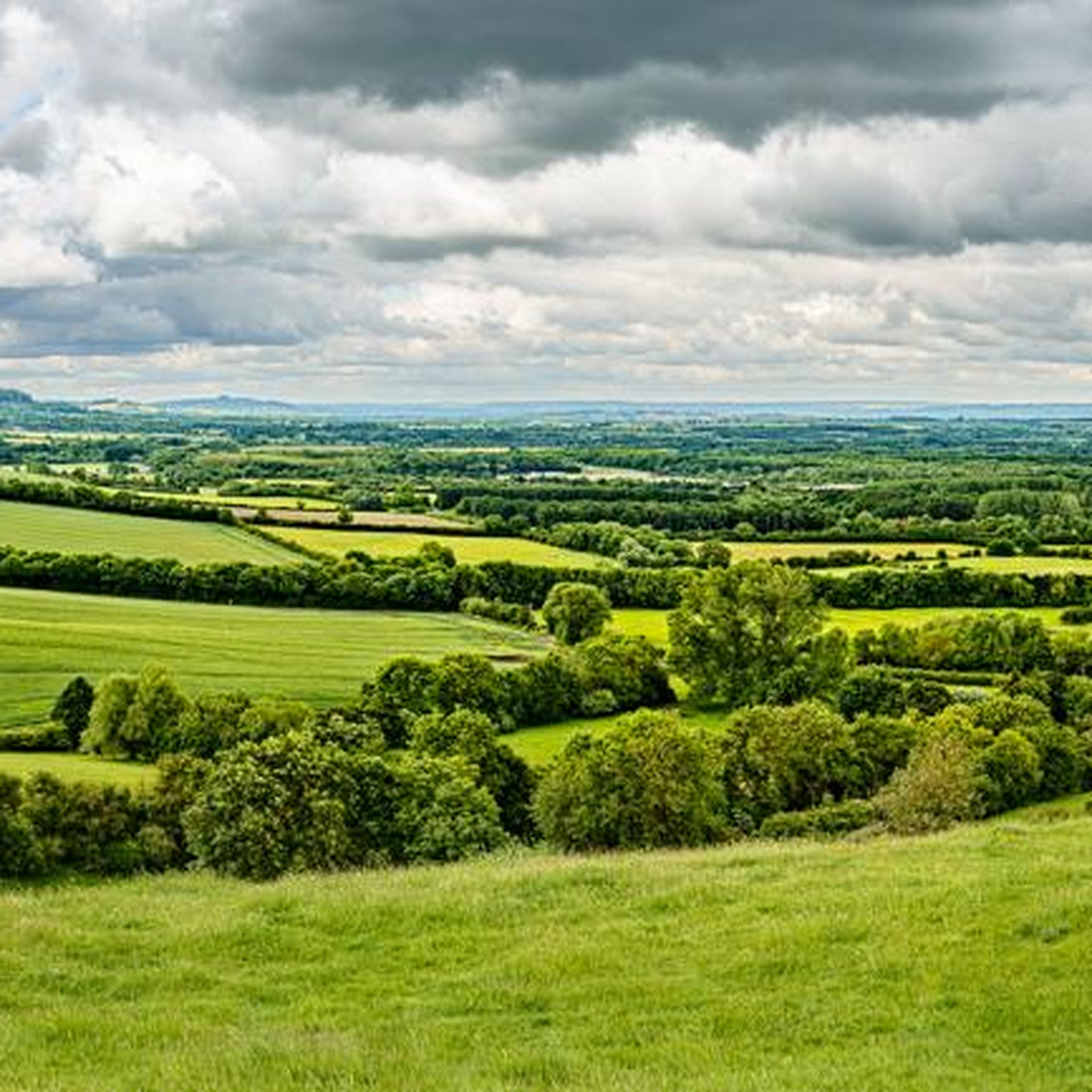
This is the location of the Battle of Edgehill, a pitched battle of the First English Civil War occurring on Sunday 23rd October 1642. A detailed information board stands here describing how the event unfolded, offering a fascinating window into the area's past.
1
0

The Battle of Edgehill (or Edge Hill) was a pitched battle of the First English Civil War. It was fought near Edge Hill and Kineton in southern Warwickshire on Sunday, 23 October 1642. All attempts at constitutional compromise between King Charles and Parliament broke down early in 1642. Both the King and Parliament raised large armies to gain their way by force of arms. In October, at his temporary base near Shrewsbury, the King decided to march to London in order to force a decisive confrontation with Parliament's main army, commanded by the Earl of Essex. Late on 22 October, both armies unexpectedly found the enemy to be close by. The next day, the Royalist army descended from Edge Hill to force battle. After the Parliamentarian artillery opened a cannonade, the Royalists attacked. Both armies consisted mostly of inexperienced and sometimes ill-equipped troops. Many men from both sides fled or fell out to loot enemy baggage, and neither army was able to gain a decisive advantage.
1
0


Views over the Warwickshire plains, edge hill was one of the battles in the English Civil war
0
0
The Battle of Edgehill (or Edge Hill) was a pitched battle of the First English Civil War. It was fought near Edge Hill and Kineton in southern Warwickshire on Sunday, 23 October 1642. All attempts at constitutional compromise between King Charles and Parliament broke down early in 1642. Both the King and Parliament raised large armies to gain their way by force of arms. In October, at his temporary base near Shrewsbury, the King decided to march to London in order to force a decisive confrontation with Parliament's main army, commanded by the Earl of Essex. Late on 22 October, both armies unexpectedly found the enemy to be close by. The next day, the Royalist army descended from Edge Hill to force battle. After the Parliamentarian artillery opened a cannonade, the Royalists attacked. Both armies consisted mostly of inexperienced and sometimes ill-equipped troops. Many men from both sides fled or fell out to loot enemy baggage, and neither army was able to gain a decisive advantage.
0
0
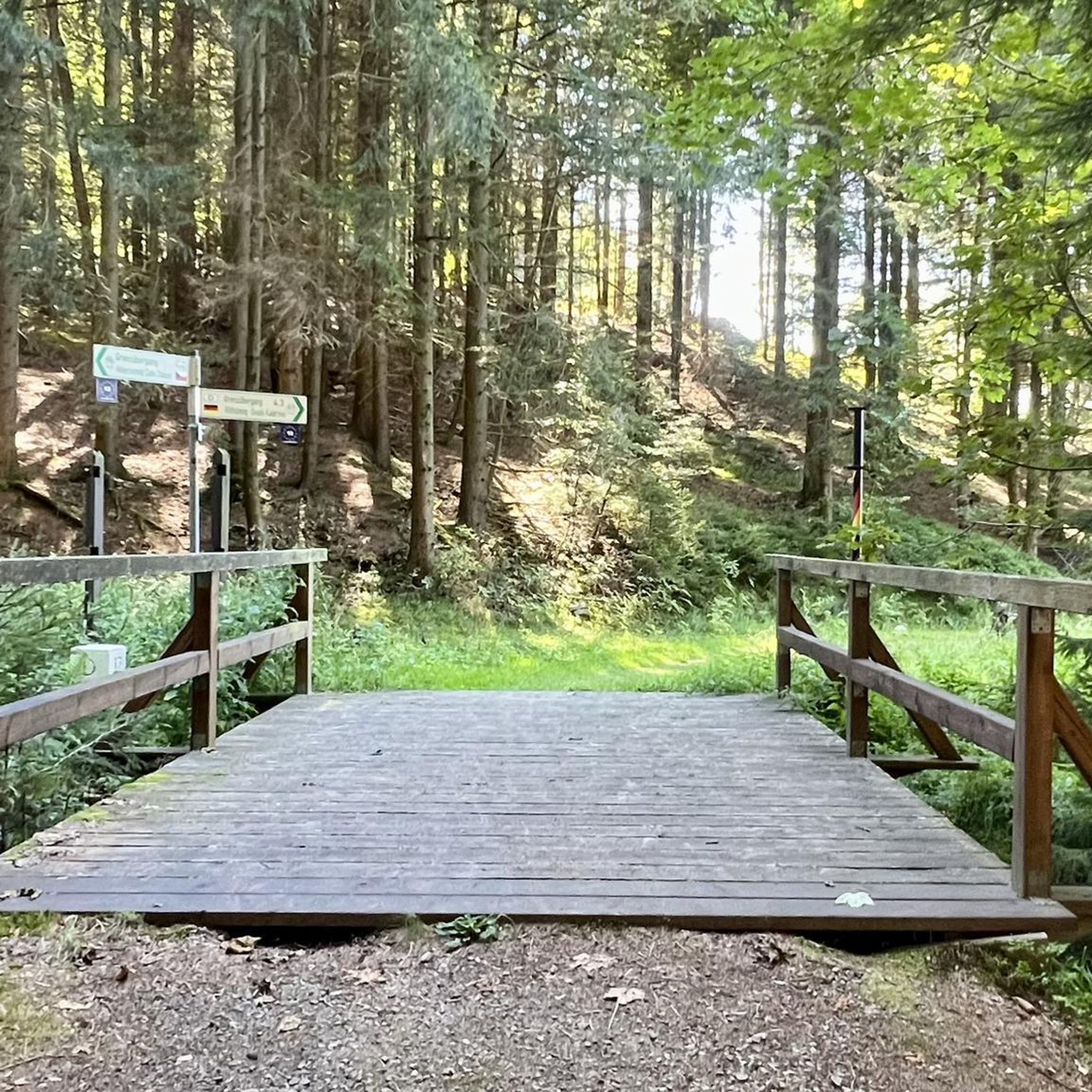
This well is a bit of an enigma, in the deserted Burton Dassett village in Northend, is found a substantial well head which has claims to be a ‘Holy Well’ although the provenance is unclear. Burgess (1876) in his Warwickshire History simply notes that it was used for baptism and immersion. Whilst Bord and Bord (1985) Sacred Waters appear to be earliest to refer to it as such stating: “the holy well with its stone cover will be seen on the left-hand side of the lane as you approach the church”. The present stone well house is of a considerable size being constructed of local red sandstone around 1840 in a Grecian style. The central doorway is party below ground level and has steps down into a square chamber. Over the stone lintel but the worn instruction is an inscription with carved flowers. It possibly states 1534 but it was not clear. It is evident that the well was part of an estate improvement but when and by whom? And did it exist before? If it does say 1534 that is an early date for a landed estate improvement. It certainly is still visited by well wishers as coins are found in its waters. Sadly, despite a substantial water supply it did not stop the demise of the village and now only the substantial church remains, which incidentally is worthy of a visit.
0
0
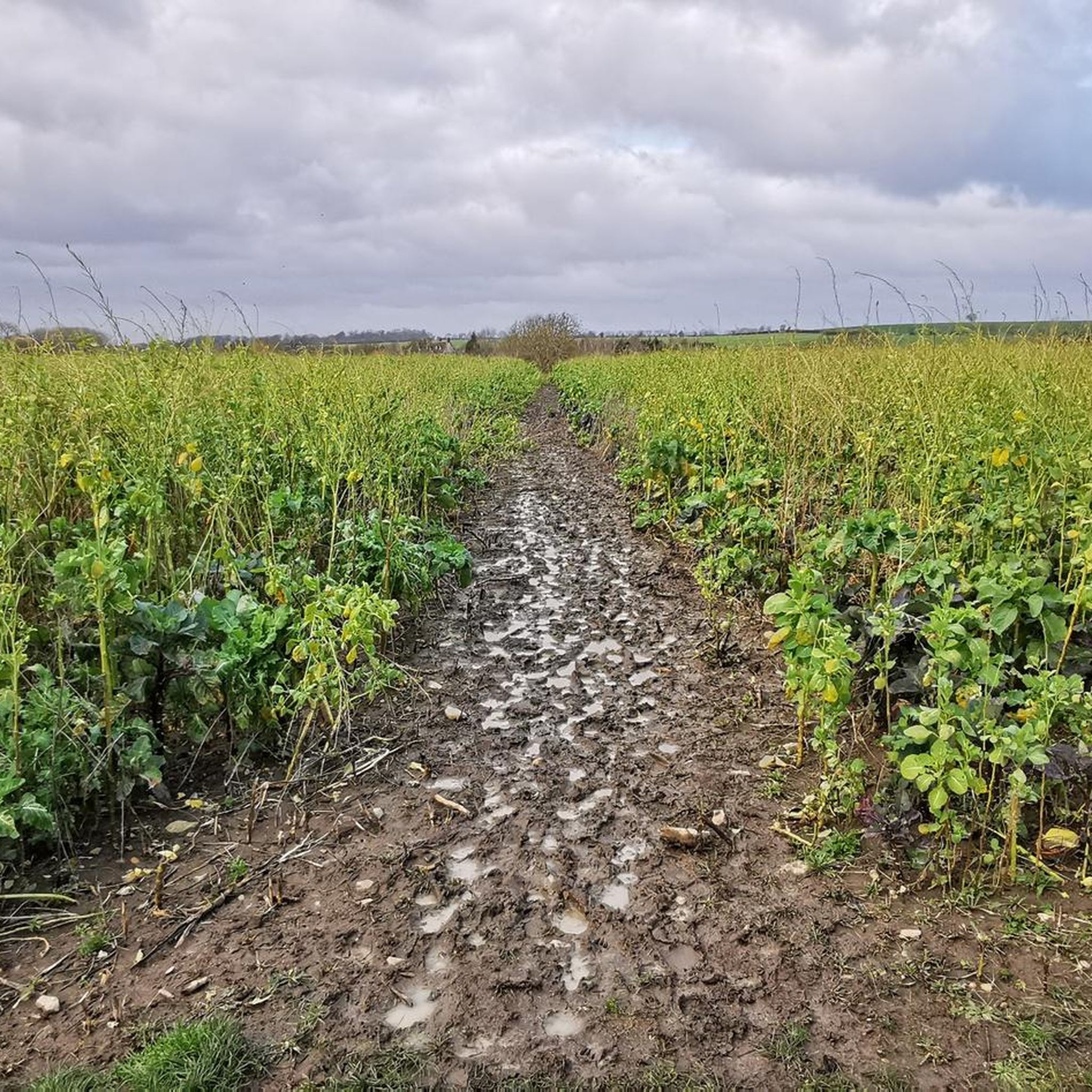
A circular earthwork is clearly visible on the ground on Harts Hill. It measures approximately 15m internal diameter, the ditch is 2m wide and the entrance (facing SE) is 2.5m across.
0
0
Frequently Asked Questions
What are some of the most notable natural monuments to visit around Butlers Marston?
The area around Butlers Marston offers several significant natural monuments. Among the most popular are Charlecote Park, known for its expansive grounds and deer park, and the Battle of Edgehill Site, which provides historical context alongside scenic views. Another interesting spot is Harts Hill, featuring a circular earthwork and good views.
Are there any family-friendly natural monuments near Butlers Marston?
Yes, several natural monuments around Butlers Marston are great for families. Charlecote Park offers extensive grounds for walking and exploring, often with deer to spot. The Battle of Edgehill Site combines history with open spaces, and Oakley Wood Local Nature Reserve provides a natural woodland environment suitable for family walks.
What kind of historical natural features can I explore in the Butlers Marston area?
Butlers Marston is rich in natural features with historical significance. The Battle of Edgehill Site is a prime example, offering views over the landscape that played a crucial role in the First English Civil War. Charlecote Park, while primarily known for its Elizabethan house, features a historic deer park and landscaped grounds by Capability Brown. Additionally, Harts Hill contains a visible circular earthwork, hinting at ancient human activity, and a medieval fishpond east of Round Hill provides insight into historical resource management.
Are there good walking or hiking opportunities near these natural monuments?
Absolutely. The region around Butlers Marston is excellent for walking and hiking. You can find various routes, including easy hikes like the Compton Pools loop or the Green Farm Airstrip (Disused) loop. For more options, explore the easy hikes around Butlers Marston or the broader hiking routes around Butlers Marston.
What kind of wildlife can I expect to see in the natural areas around Butlers Marston?
The natural monuments and reserves in the area support diverse wildlife. At Charlecote Park, you can often spot deer roaming the expansive parkland. Lobbington Hall Farm Meadow Site of Special Scientific Interest is a species-rich hay meadow, home to a variety of herbs and grasses, which in turn supports insects and small mammals. Woodland areas like Oakley Wood Local Nature Reserve provide habitats for woodland birds and other creatures.
Are there any natural monuments that offer panoramic views?
Yes, several locations provide excellent viewpoints. The Battle of Edgehill Site is renowned for its panoramic views over the surrounding landscape. Similarly, the Burton Dassett Hills offer picturesque settings with rolling landscapes and expansive vistas. Marston Hill, though smaller, also provides fine viewpoints, especially towards the long escarpment terminating at Edge Hill.
Can I bring my dog to the natural monuments around Butlers Marston?
Many natural areas around Butlers Marston are dog-friendly, but it's always best to check specific rules for each location. For example, Charlecote Park, as a National Trust property, typically welcomes dogs on leads in designated areas. When exploring public footpaths and open access land like the Burton Dassett Hills or Marston Hill, dogs are generally permitted but should be kept under control, especially near livestock or wildlife.
What are the best times of year to visit the natural monuments for scenic beauty?
The natural monuments around Butlers Marston offer beauty throughout the year. Spring brings wildflowers and fresh greenery, particularly in meadows like Lobbington Hall Farm Meadow and woodlands such as Oakley Wood Local Nature Reserve. Autumn is spectacular for vibrant foliage, especially in wooded areas and parklands like Charlecote Park. Summer is ideal for long walks and picnics, while winter offers crisp views and a different kind of tranquility.
Are there cycling routes available near the natural monuments?
Yes, the area around Butlers Marston is popular for cycling. You can find various routes, ranging from easy to moderate, that take you through scenic countryside near many natural attractions. For detailed options, check out the cycling routes around Butlers Marston, which include loops connecting villages and points of interest.
What geological features are present in the natural monuments of this region?
The geology of the Butlers Marston area is characterized by Lias clays and shales, which have given rise to calcareous soils. This is evident in places like Lobbington Hall Farm Meadow SSSI, where the soil type supports a unique herb-rich vegetation. The rolling landscapes of the Burton Dassett Hills and the escarpment at Edgehill are also prominent geological features, shaped over millennia.
What do visitors particularly enjoy about the natural monuments around Butlers Marston?
Visitors frequently appreciate the blend of natural beauty and historical significance. The expansive grounds and deer park at Charlecote Park are often highlighted as a great day out for picnics and walks. The scenic views and historical context of the Battle of Edgehill Site also receive positive feedback, offering a fascinating window into the area's past. The tranquility and opportunities for outdoor recreation across the region are consistently praised.
Is there public transport available to reach any of the natural monuments?
While Butlers Marston itself is a rural village, public transport options to specific natural monuments can be limited. It's advisable to check local bus routes for connections to larger towns nearby, from which you might access some sites. For places like Charlecote Park, direct bus services might be available from Stratford-upon-Avon. For other, more remote sites, personal transport or cycling might be the most convenient options.
Most popular attractions around Butlers Marston

Get inspired with the komoot mobile app


Explore more
Extend your search for the best caves by checking out these guides of the top ones around Butlers Marston:
